
Used 2023 Commercial Trucks For Sale in Mississippi
Shop used 2023 trucks for sale in Mississippi, including day cabs, sleepers, cabovers, and straight trucks with current specs and work-ready options.
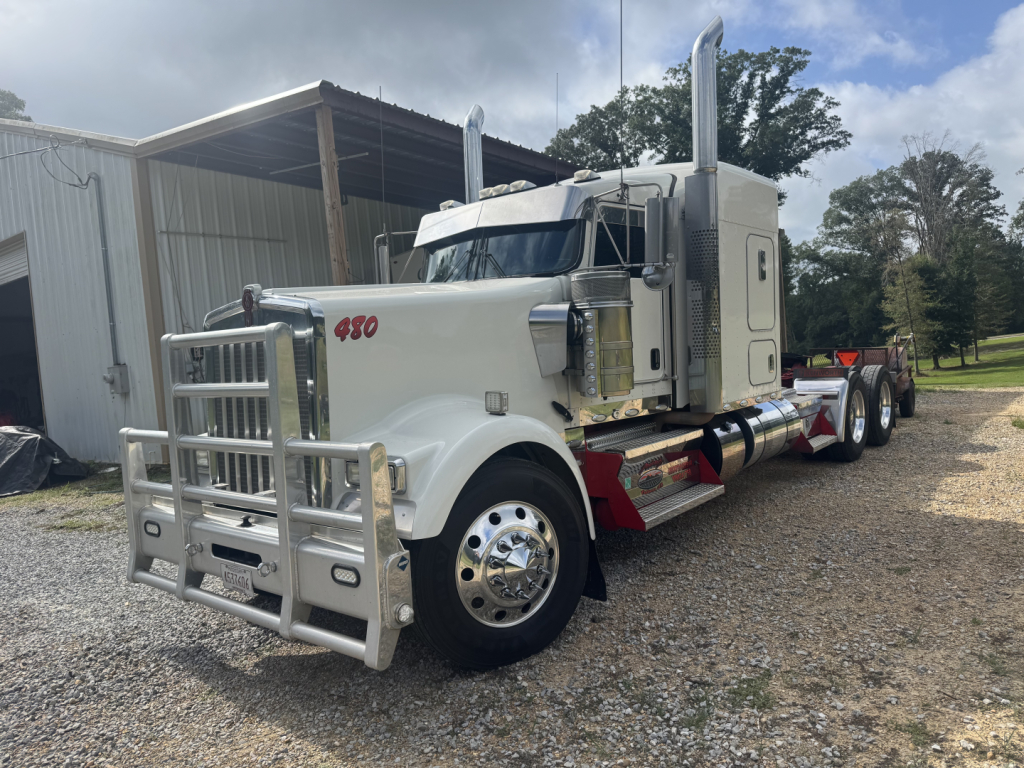
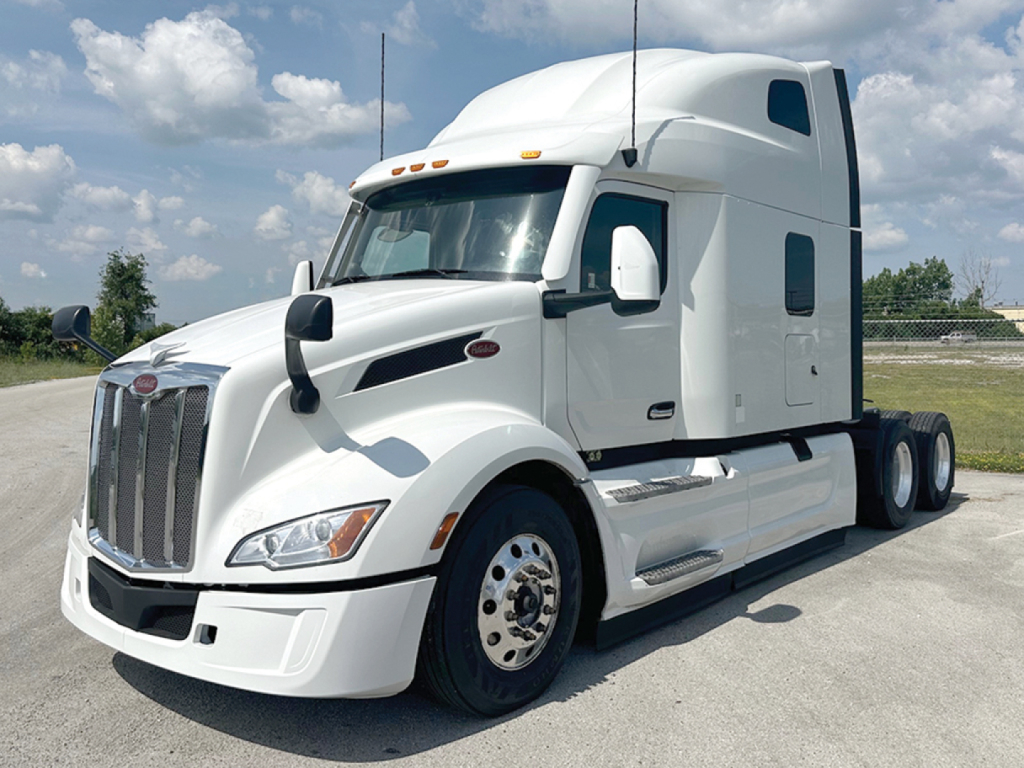
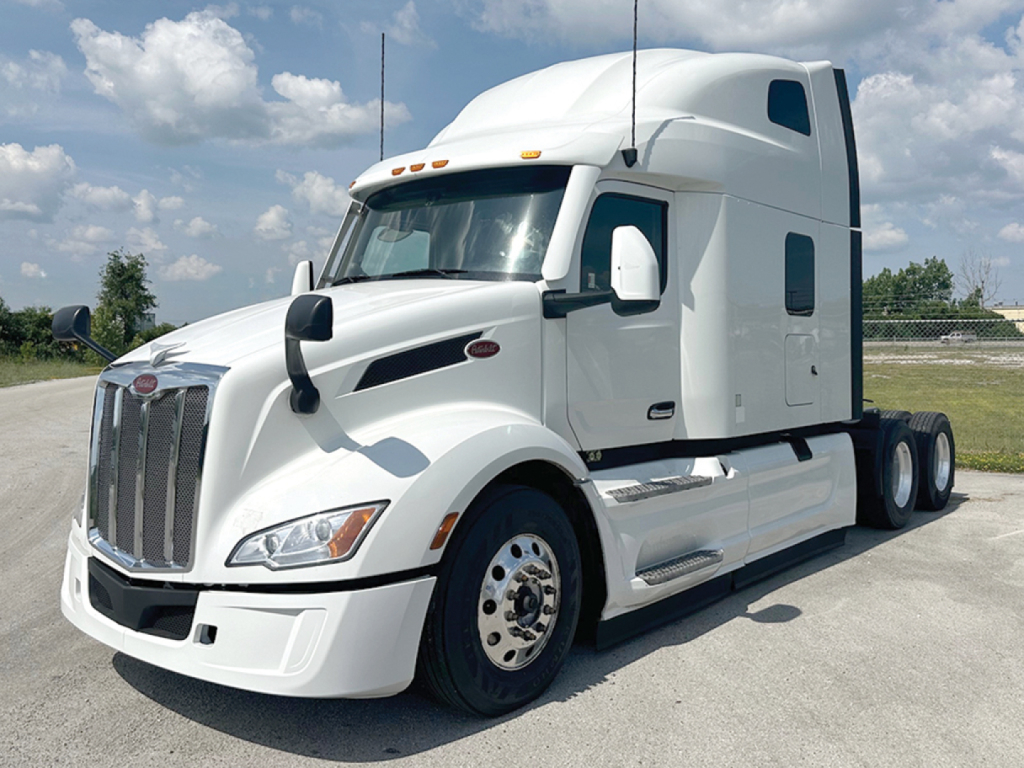
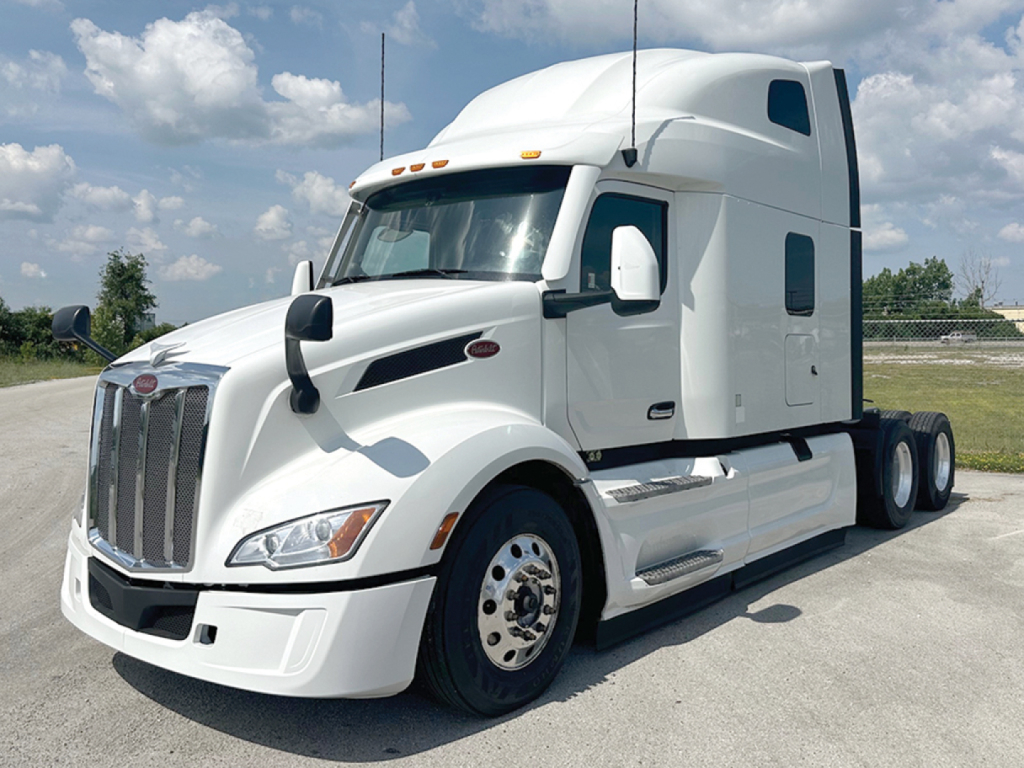
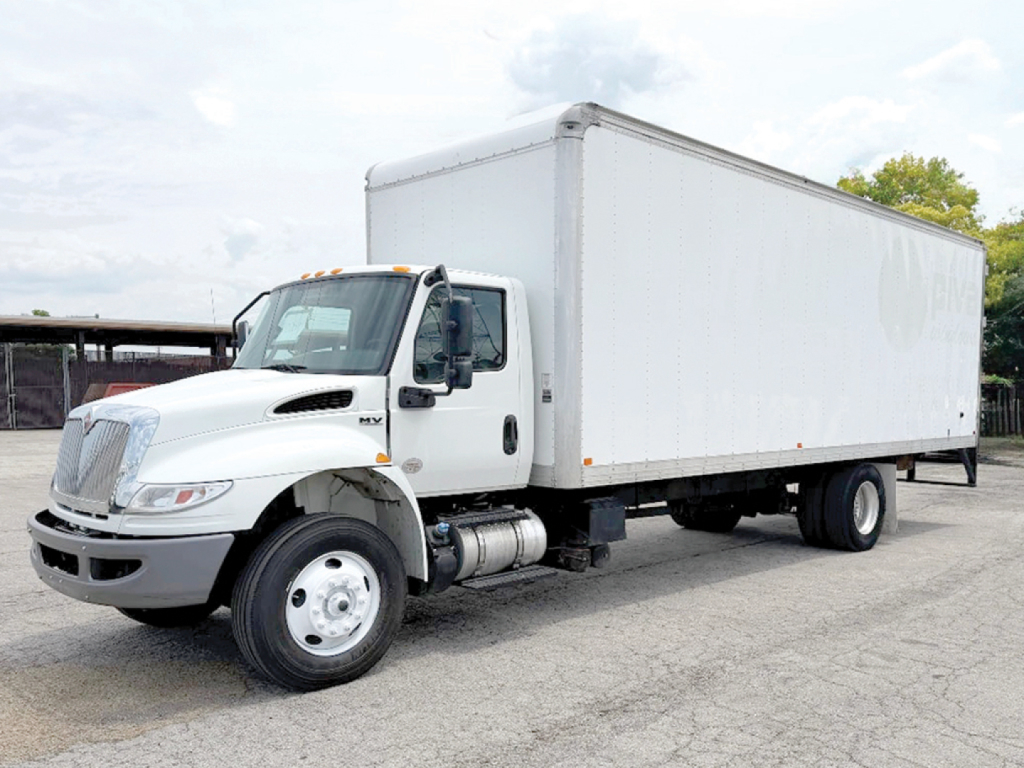
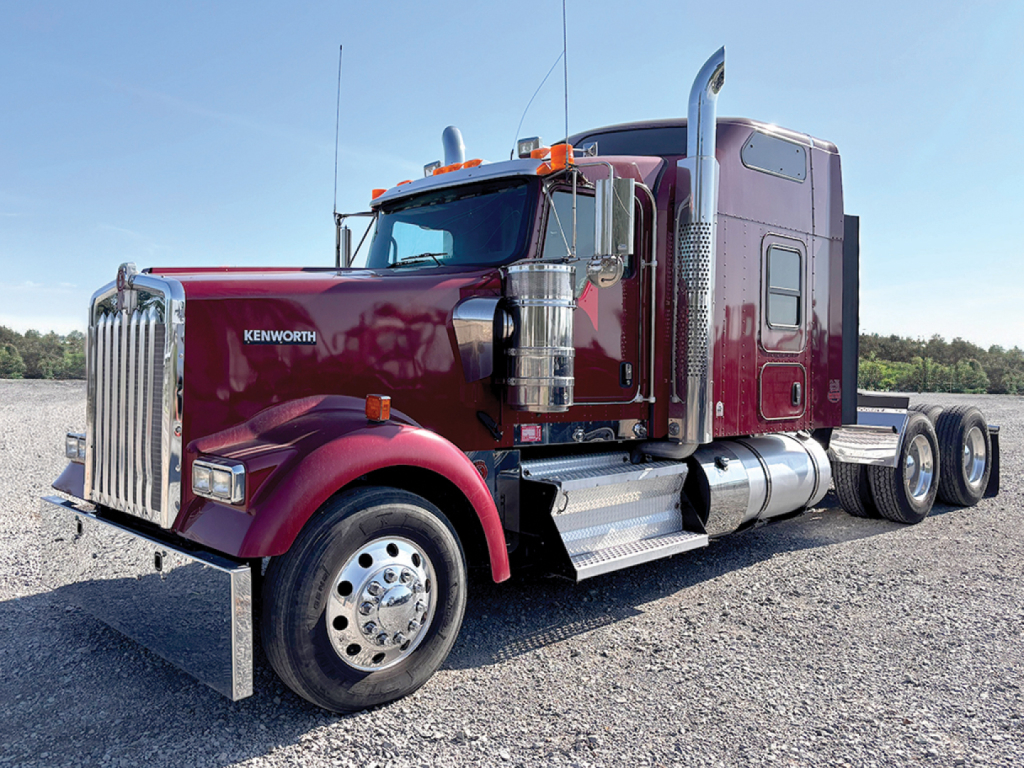
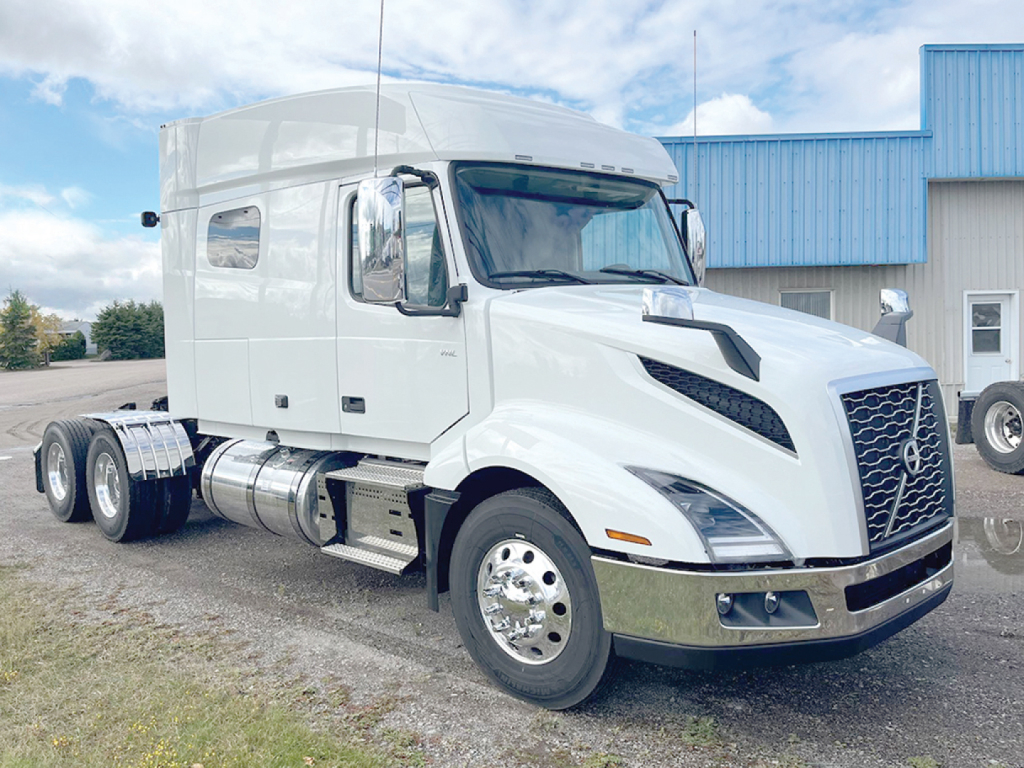
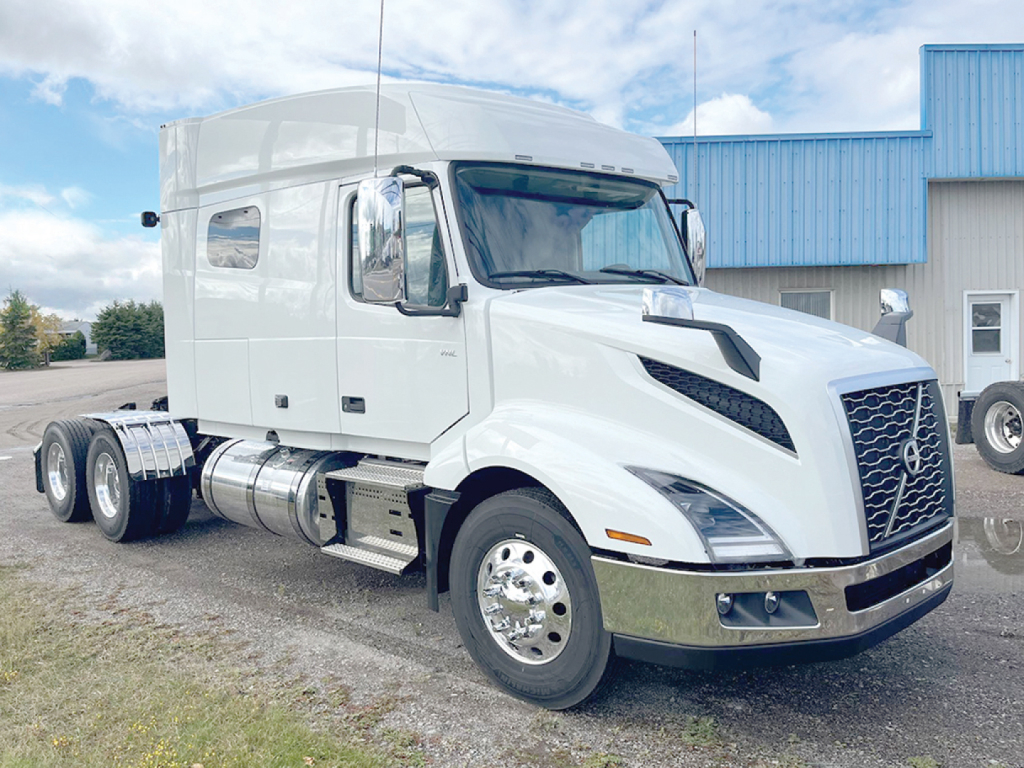
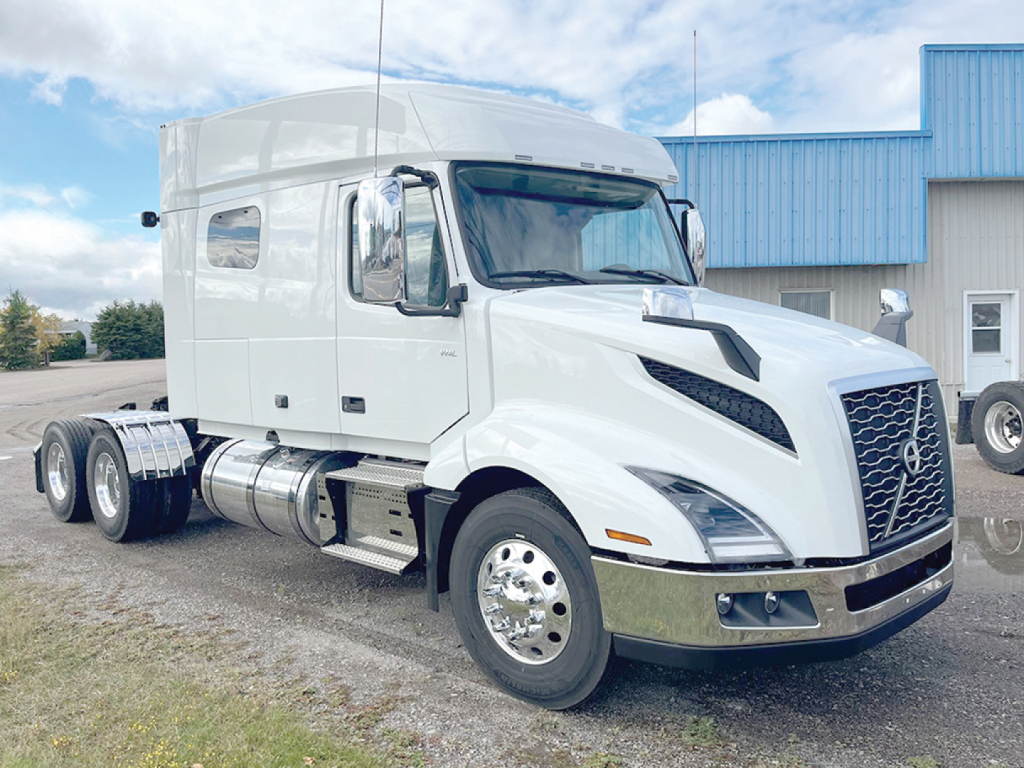
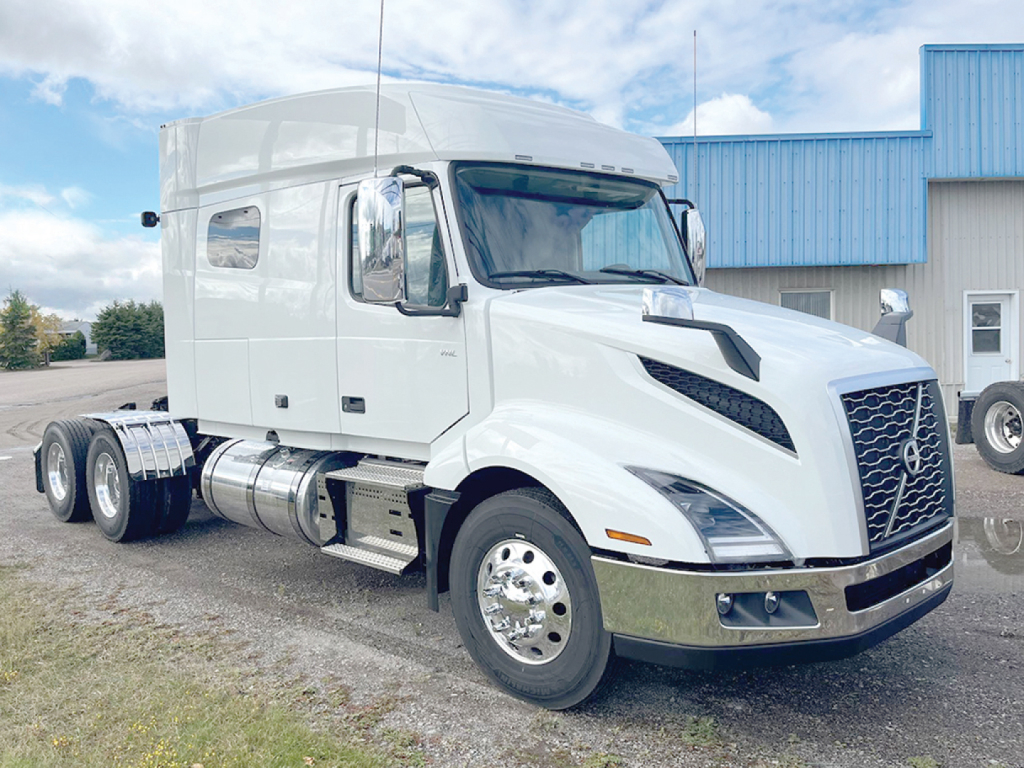
Have used 2023 commercial truck to sell? List it here to reach thousands of buyers.
Used 2023 Commercial Trucks in Mississippi
Powertrain choices matter more than badges. In this year range, buyers will commonly see diesel engines in the medium-duty and heavy-duty classes paired with automated manual or fully automatic transmissions, though some manual transmissions remain in vocational or fleet-spec units. Heavy-duty 2023 tractors often fall in the 400 to 500 horsepower range with tandem rear axles, air ride suspension, engine brakes, and ratios selected for fuel economy or regional pull. Medium-duty 2023 trucks such as cabovers and box trucks are more likely to focus on payload, maneuverability, and body upfit compatibility. Wheelbase, rear axle rating, suspension type, brake spec, and tire size all affect how a truck will perform in your lane. If the truck is a tractor, check fifth wheel style, sliding capability, and frame layout. If it is a straight truck, pay close attention to body length, door type, floor condition, E-track, scuff liners, liftgate presence, and reefer prep if temperature control matters.
Mississippi buyers often need trucks that can handle a mix of interstate speed, humid conditions, and stop-and-go regional work tied to distribution, agriculture, construction support, and port-related freight. That makes cooling system condition, A/C performance, tire condition, and brake wear especially important on a used 2023 truck. For aerodynamic highway tractors, fairings, cab extenders, and drivetrain ratios can have a real effect on fuel cost over long runs. For local delivery trucks, visibility, turning radius, entry height, and body access tend to matter more day to day than top-end horsepower. A clean 2023 used truck can also be a strong option for fleets trying to standardize newer safety and telematics features while controlling acquisition cost.
When comparing listings, look beyond the year and focus on vocation, maintenance history, idle time, and prior fleet use. Two used 2023 trucks can have very different value depending on engine hours, PTO setup, axle configuration, sleeper size, and body spec. A day cab with a fuel-efficient ratio and air slide fifth wheel is a different tool than a raised-roof sleeper with larger tanks and long wheelbase, and both differ from a cabover van body built for urban delivery. The best 2023 used truck is the one with the right class, spec, and maintenance profile for the freight you plan to haul in Mississippi.
Frequently Asked Questions about Used 2023 Commercial Trucks in Mississippi
What should I look for first when buying a used 2023 truck in Mississippi?
Start with the truck’s intended application, then confirm the chassis and powertrain support that job. For a tractor, that means axle configuration, wheelbase, engine rating, transmission, rear axle ratio, and fifth wheel setup. For a straight truck, it means GVWR, body length, payload capacity, door style, and any cargo-control features such as E-track or scuff liners. After that, review service records, engine hours, brake and tire condition, and any signs of hard vocational use or extended idling.
Are used 2023 trucks a good value compared with older used trucks?
Used 2023 trucks can offer a strong middle ground between cost and age. They are often new enough to include updated safety systems, newer cab interiors, and lower mileage than older units, but they usually come at a lower acquisition cost than a new truck. Value depends on maintenance history, emissions system condition, and how the truck was spec'd for its previous operation. A well-maintained 2023 fleet truck often makes more sense than an older truck with a lower purchase price but higher reconditioning needs.
What truck types are most common in the used 2023 market?
The used 2023 truck market usually includes conventional day cabs, sleeper tractors, cabover trucks, and straight trucks with van, reefer, flatbed, or vocational bodies. Day cabs are common in regional haul and port work. Sleeper tractors are built for longer routes and driver comfort. Cabovers are popular where maneuverability and visibility matter. Straight trucks are often selected for local delivery, service routes, and route distribution.
How important are axle ratio and transmission on a used 2023 tractor?
They are critical because they shape fuel economy, startability, cruising RPM, and overall suitability for the load. A numerically lower rear axle ratio generally favors highway efficiency, while a higher ratio can help with heavier loads or more demanding regional terrain. Automated manual transmissions are common in late-model fleet tractors because they support fuel efficiency and driver consistency. The best setup depends on trailer weight, route profile, and how much city versus highway time the truck will see.
What extra inspection points matter on a used 2023 straight truck or box truck?
Beyond the cab and chassis, inspect the body as carefully as the drivetrain. Check roof condition, front wall, floor wear, roll-up or swing doors, seals, cargo track, scuff plates, liftgate operation, and any signs of water intrusion or forklift damage. Verify the body dimensions match your freight and dock requirements. On delivery-focused trucks, suspension wear, steering play, and brake condition are especially important because these units often see frequent stops and tighter urban routes.