
Used 2021 Trucks For Sale in Washington
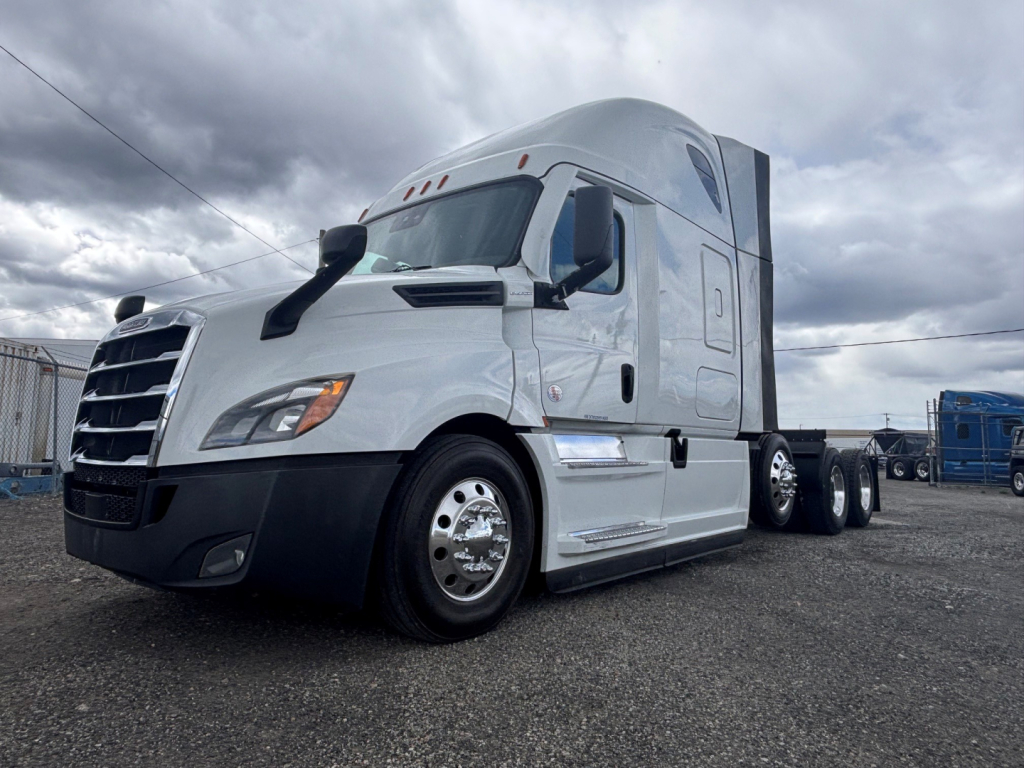
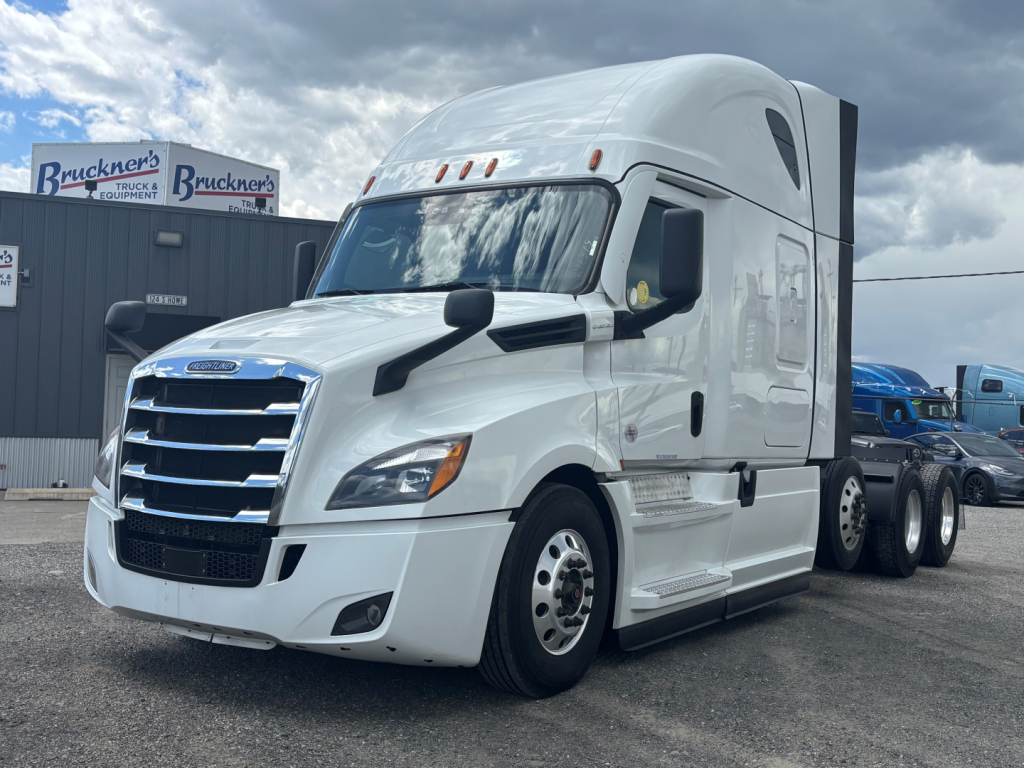
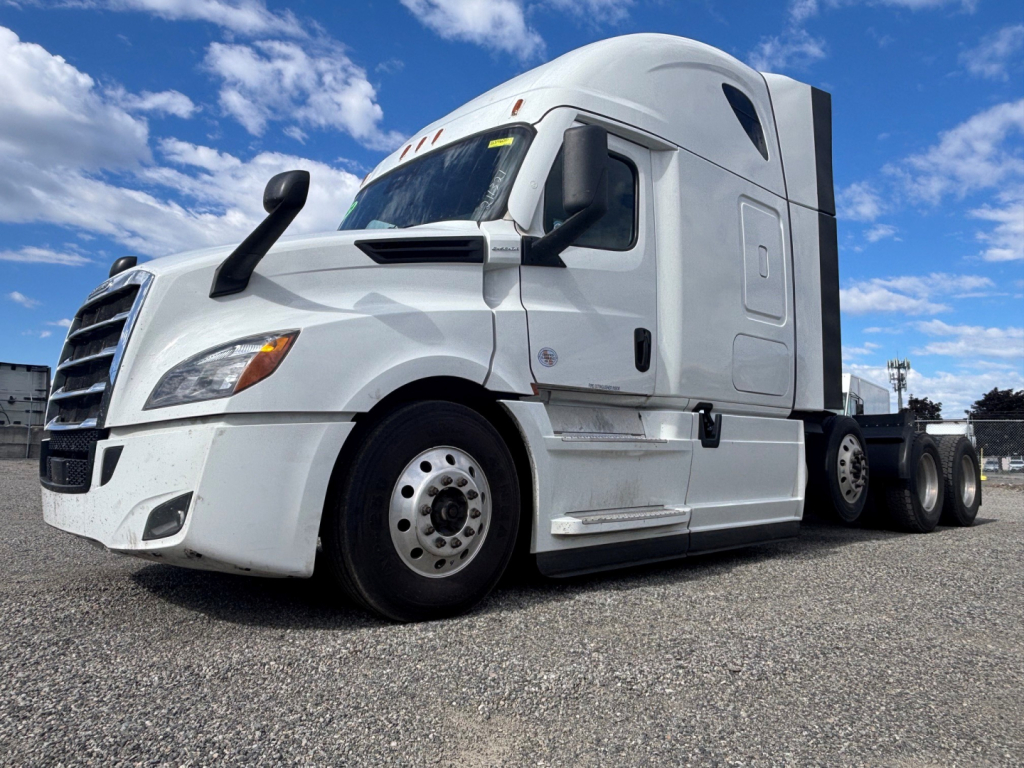
Have used 2021 truck to sell? List it here to reach thousands of buyers.
Used 2021 Trucks in Washington
The first decision is usually application. For long-haul work, 2021 conventional sleepers often come with 12 to 15 liter diesel engines, integrated powertrains, and wheelbase options that balance ride quality with payload and trailer swing clearance. For regional and port work in Washington, 2021 day cabs are common with lighter spec axles, direct-drive or overdrive automated transmissions, and rear ratios chosen for fuel economy or stop-and-go duty cycles. Vocational 2021 trucks may include cab and chassis setups for dump, utility, crane, service, or municipal work, and buyers should confirm PTO compatibility, frame rail dimensions, suspension rating, and any body-builder wiring provisions before purchase.
Washington buyers should pay close attention to terrain, climate, and route profile. Trucks working the I-5 corridor, Cascade grades, or cross-state freight lanes need the right horsepower, torque, axle ratio, and brake specification for the job. A 2021 truck may also include newer driver-assist features such as collision mitigation, lane departure warning, adaptive cruise, and disc brakes on some configurations. On used units, it is worth reviewing engine hours, idle time, maintenance records, aftertreatment service history, and any fault-code patterns related to EGR, DPF, or SCR systems. Tire wear, fifth wheel condition, suspension bushings, kingpin wear indicators, and alignment tell you a lot about how the truck was run and maintained.
Common 2021 truck specs in this market include 4x2 and 6x4 configurations, tandem or single rear axles, air ride suspensions, aluminum wheels, and factory sleeper packages with varying roof heights. Many late-model trucks also have integrated camera systems, electronic stability control, and predictive cruise depending on make and trim. The best value usually comes from matching the truck's original spec to your freight, annual mileage, and maintenance capability rather than buying strictly by age or odometer. A well-spec'd 2021 truck can still offer strong remaining service life, good parts support, and a more modern cab environment for drivers.
Frequently Asked Questions about Used 2021 Trucks in Washington
What should I look for when buying a used 2021 truck in Washington?
Start with the truck's intended job, then verify that the engine rating, transmission, axle ratio, suspension, wheelbase, and brake package match that application. In Washington, gradeability and regional terrain matter, so drivetrain spec is especially important. Review maintenance records, ECM data, idle hours, aftertreatment service history, and any active or stored fault codes. Also inspect tires, brakes, frame condition, steering components, suspension wear, and signs of corrosion or damage from vocational use or winter operation.
Are used 2021 trucks a good balance between price and technology?
Yes. A used 2021 truck often gives buyers access to newer safety systems, improved aerodynamics, automated transmissions, and more advanced diagnostics while avoiding the cost of a new unit. Many 2021 models still feel current in terms of driver comfort, fuel-efficiency features, and emissions design. That makes this model year attractive for fleets refreshing equipment and for operators who want late-model capability with a lower acquisition cost.
What types of used 2021 trucks are most common?
The most common types include conventional sleeper tractors, conventional day cabs, and cab and chassis trucks for vocational upfits. Depending on the market, buyers may also see dump specs, utility trucks, service bodies, and municipal units from the same model year. Highway trucks are usually easier to compare by engine, transmission, axle, and sleeper size, while vocational trucks require closer review of PTO setup, frame modifications, hydraulic provisions, and body condition.
How important is emissions system history on a used 2021 truck?
It is very important. A 2021 truck uses modern diesel emissions equipment, typically including EGR, DPF, and SCR systems, and repair costs can be significant if maintenance was deferred. Buyers should look for records showing routine DPF cleaning, sensor replacement when needed, proper regen behavior, and no recurring derate issues. A diagnostic scan and review of fault history can reveal problems that may not be obvious during a short road test.
Is mileage the most important factor on a used 2021 truck?
Mileage matters, but it should not be the only factor. Engine hours, idle percentage, duty cycle, maintenance quality, and original build spec are often just as important. A higher-mile highway truck with complete service history can be a better buy than a lower-mile unit that spent long periods idling or working in severe vocational service. The goal is to understand total wear, not just the odometer reading.