
Used 2020 Commercial Trucks For Sale in Mississippi
Browse used 2020 trucks for sale in Mississippi, including day cabs and sleepers with modern powertrains, aero specs, and fleet-friendly configurations.
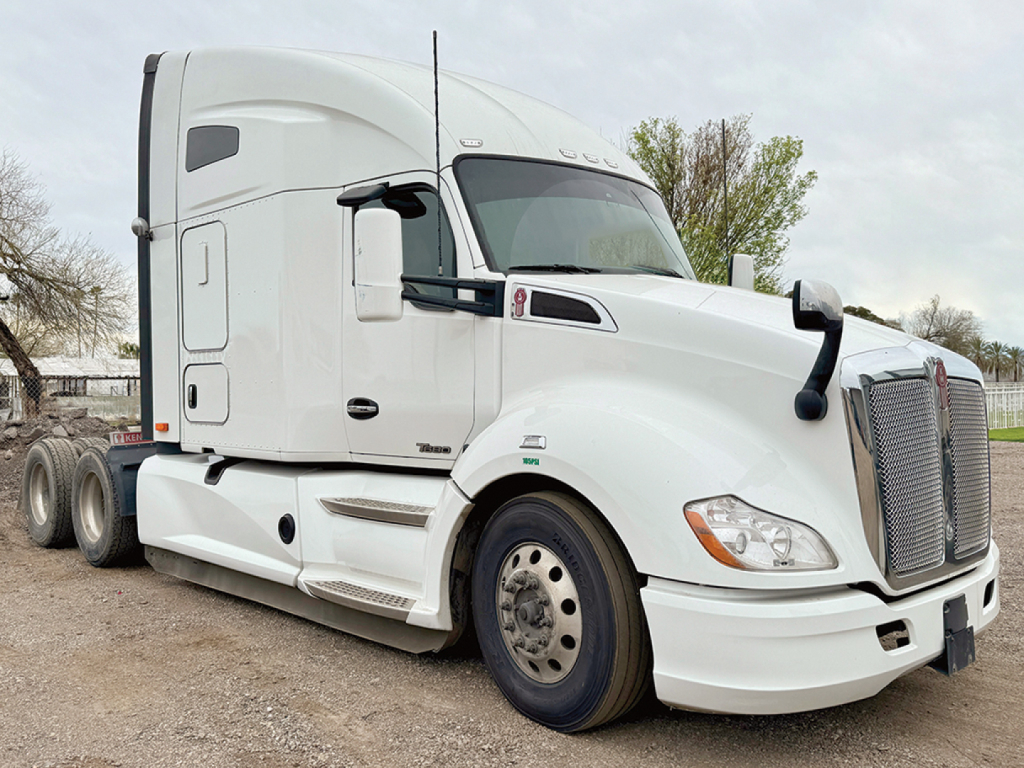
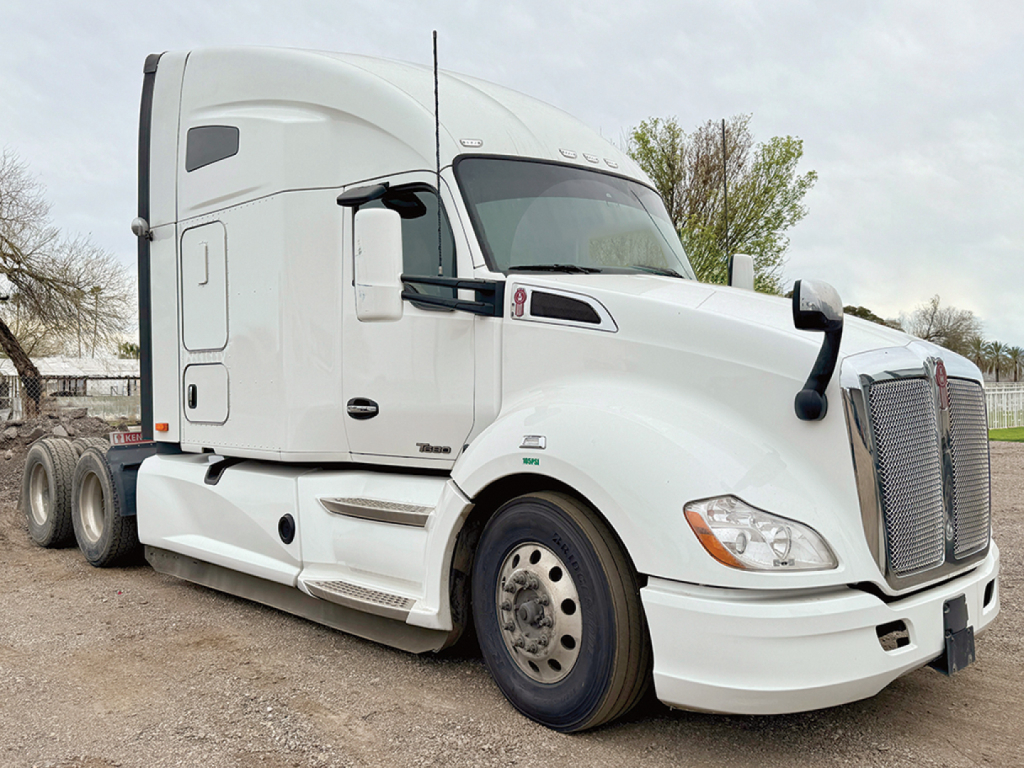
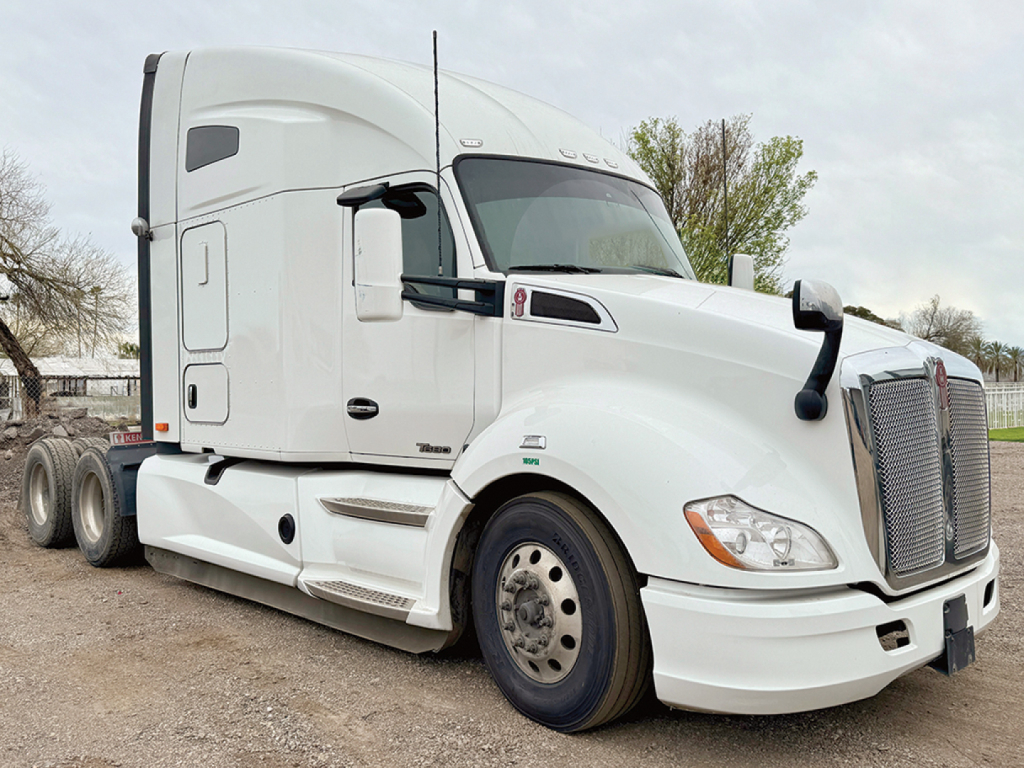
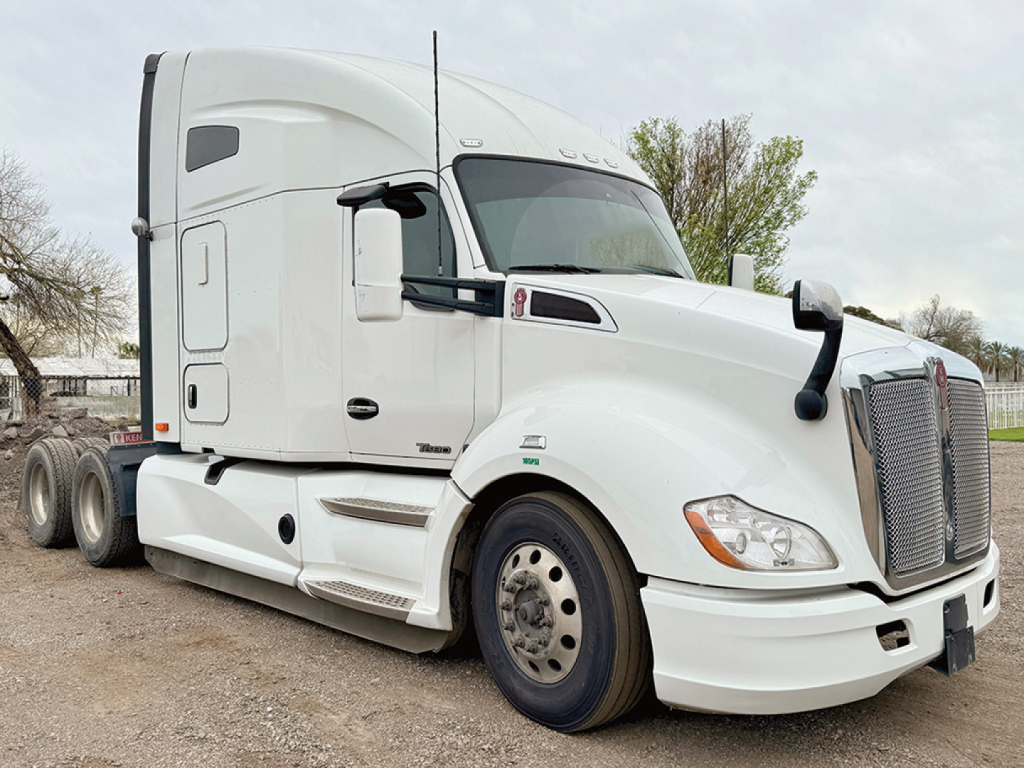
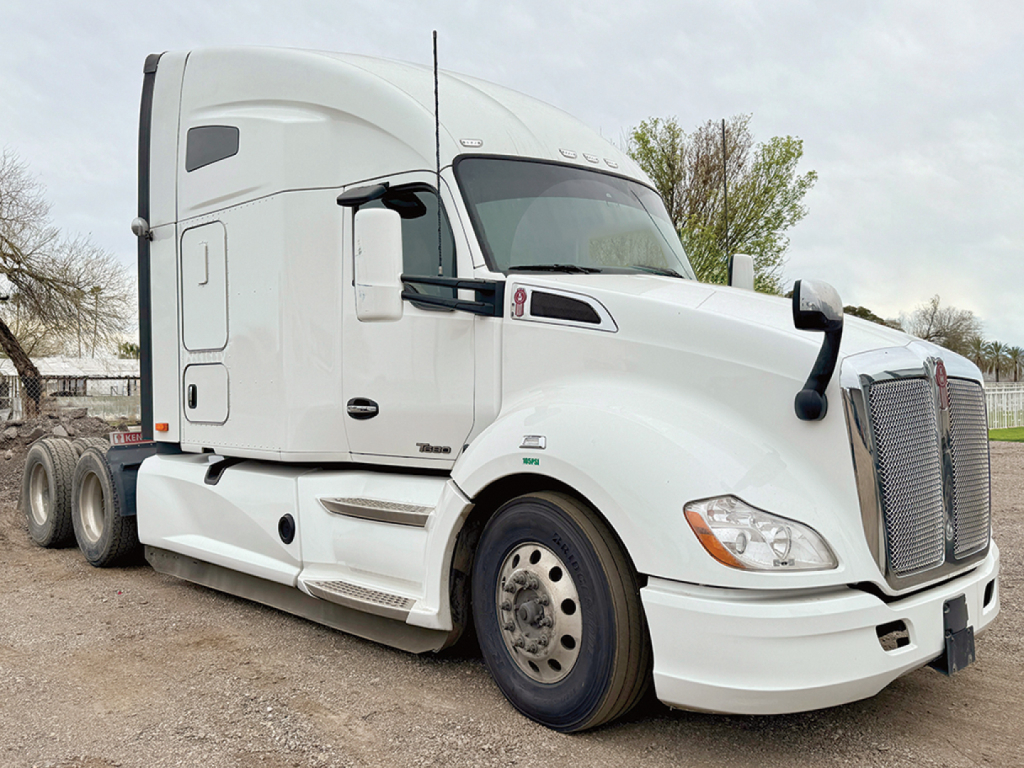
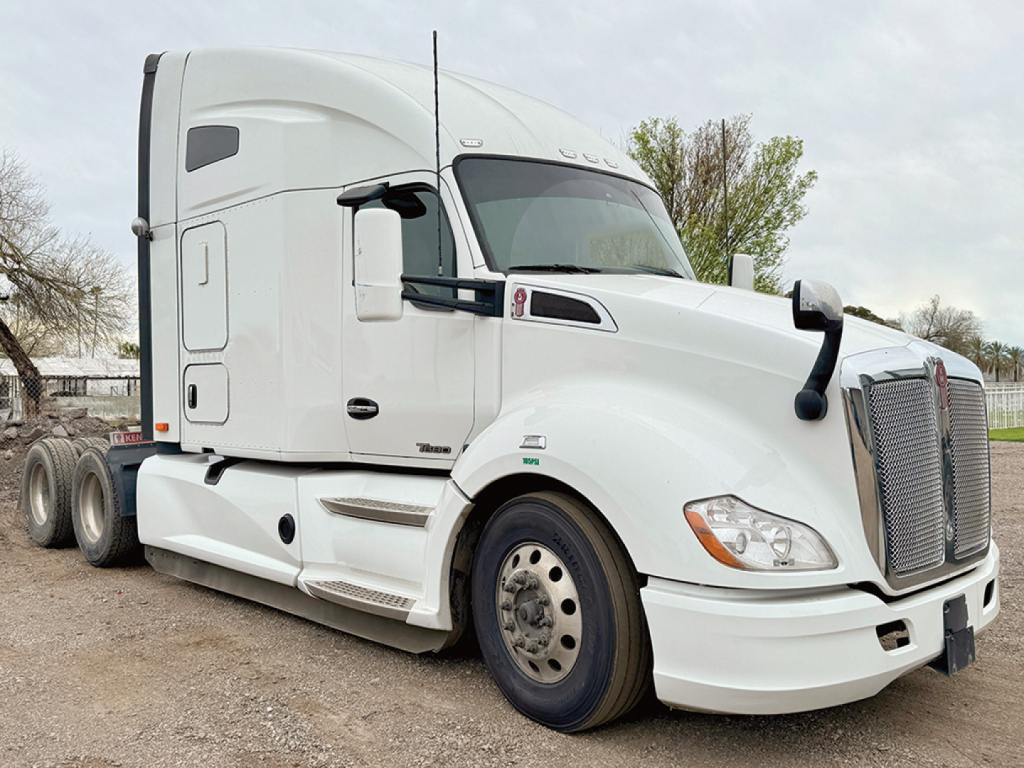
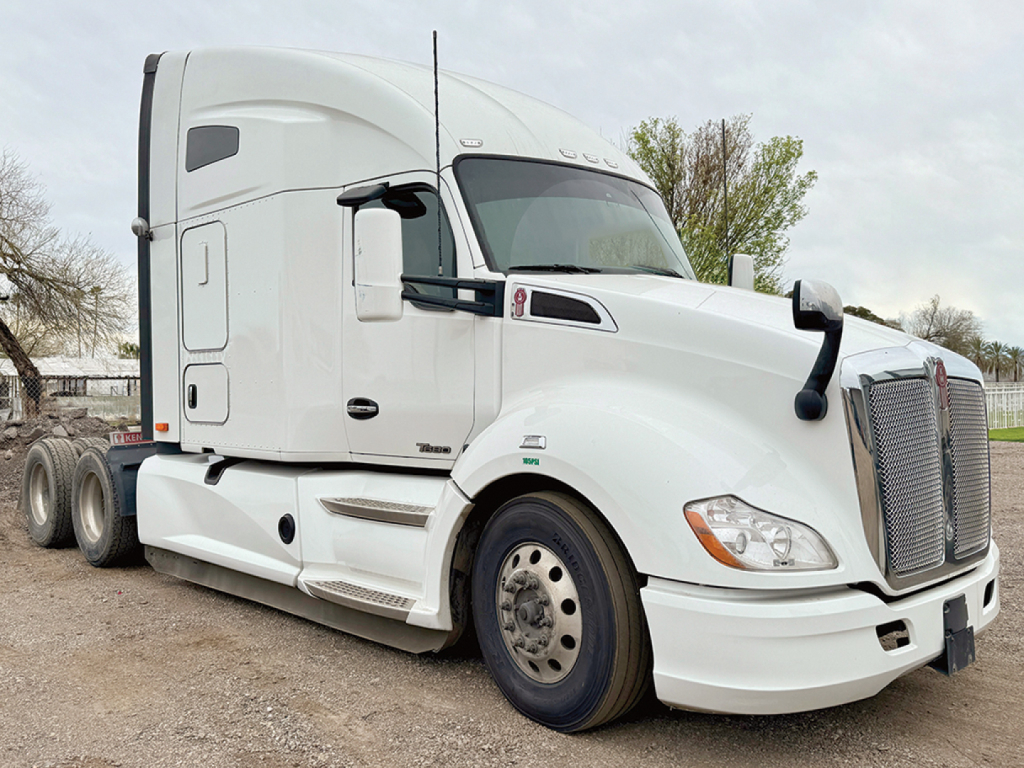
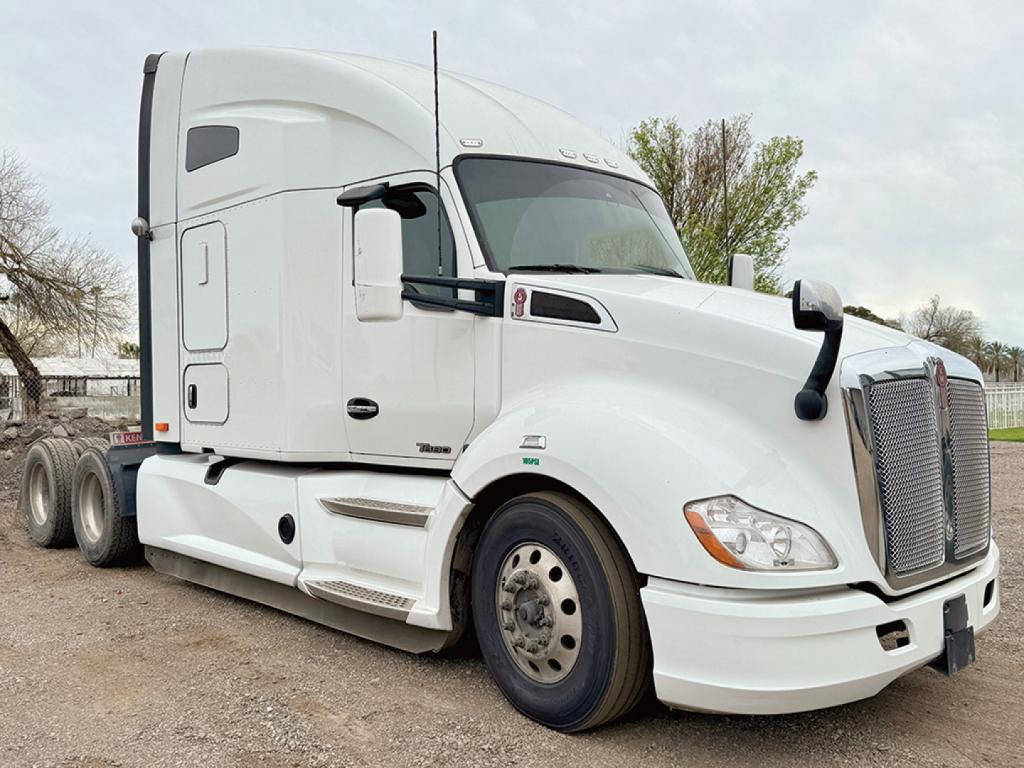
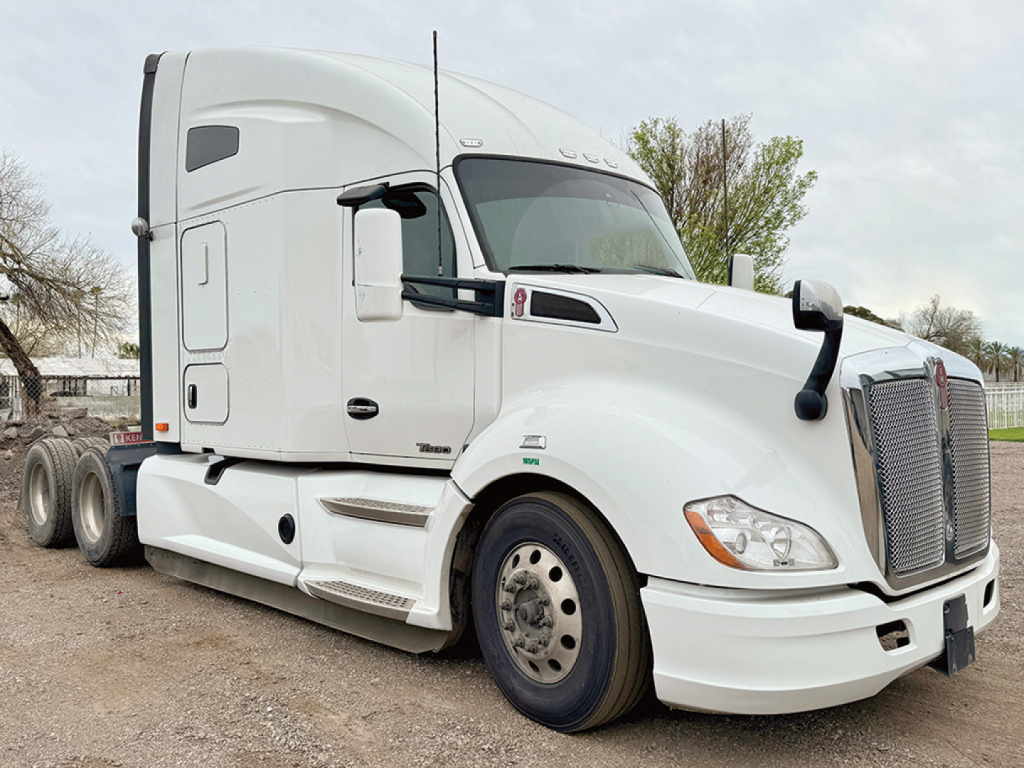
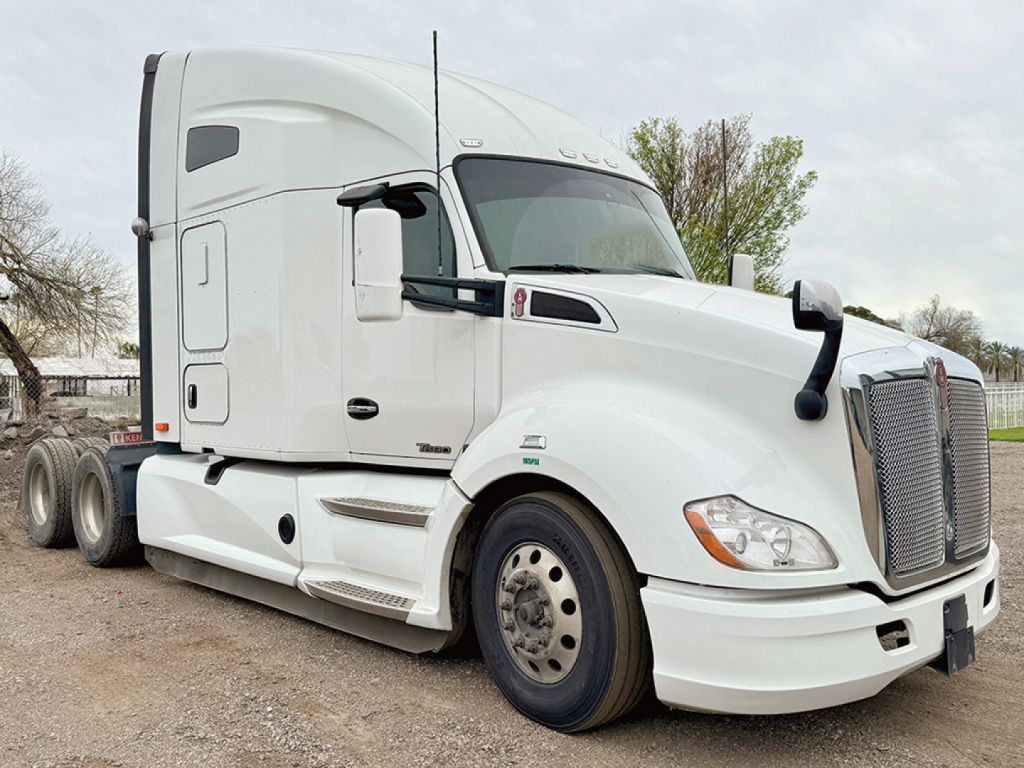
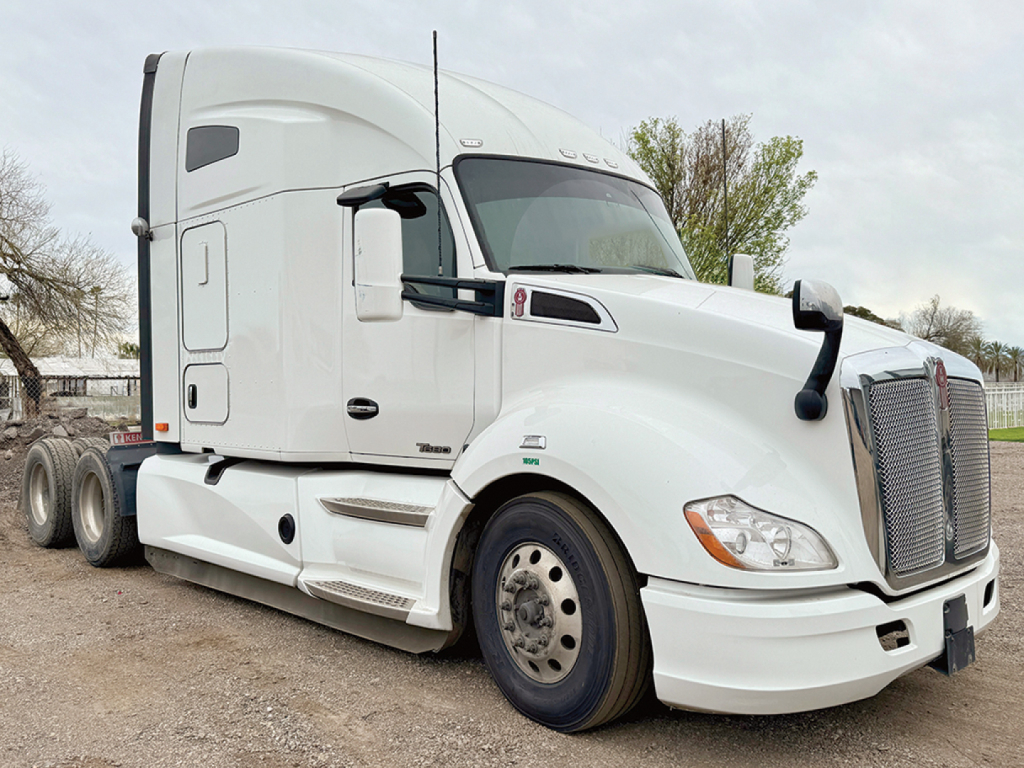
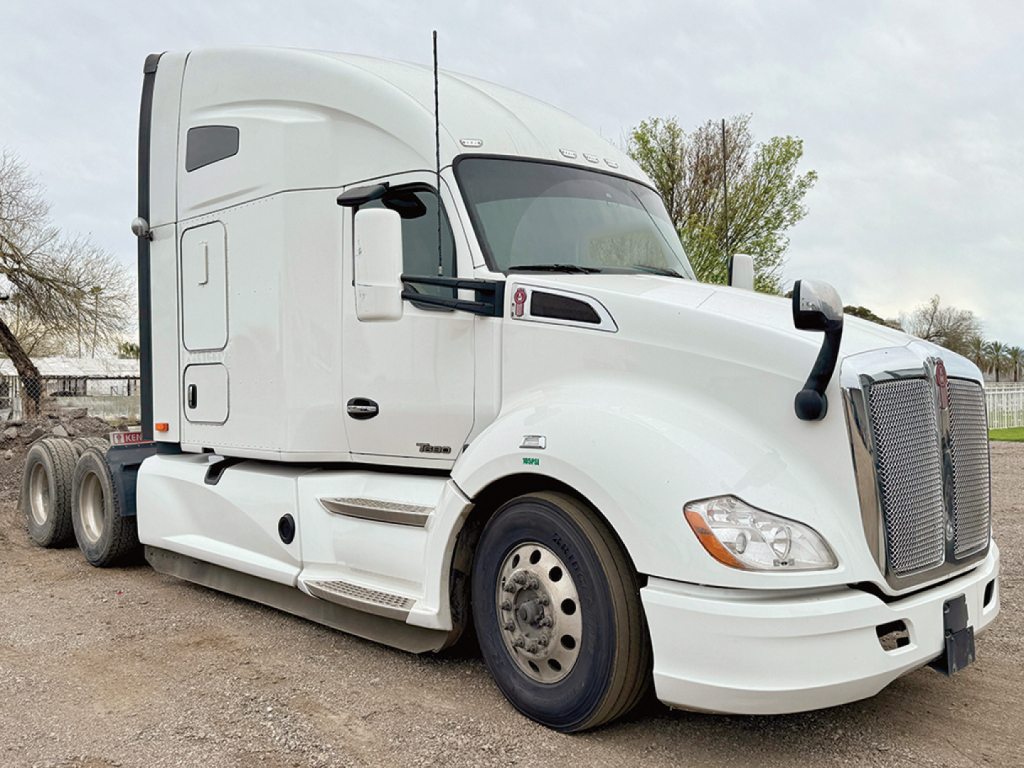
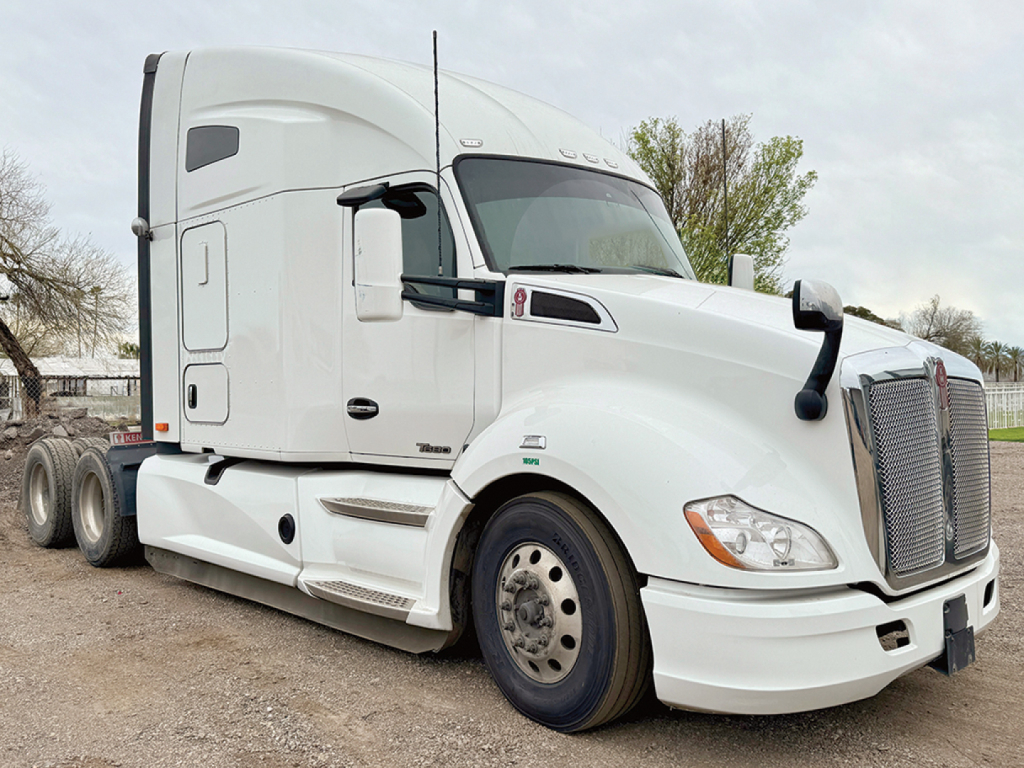
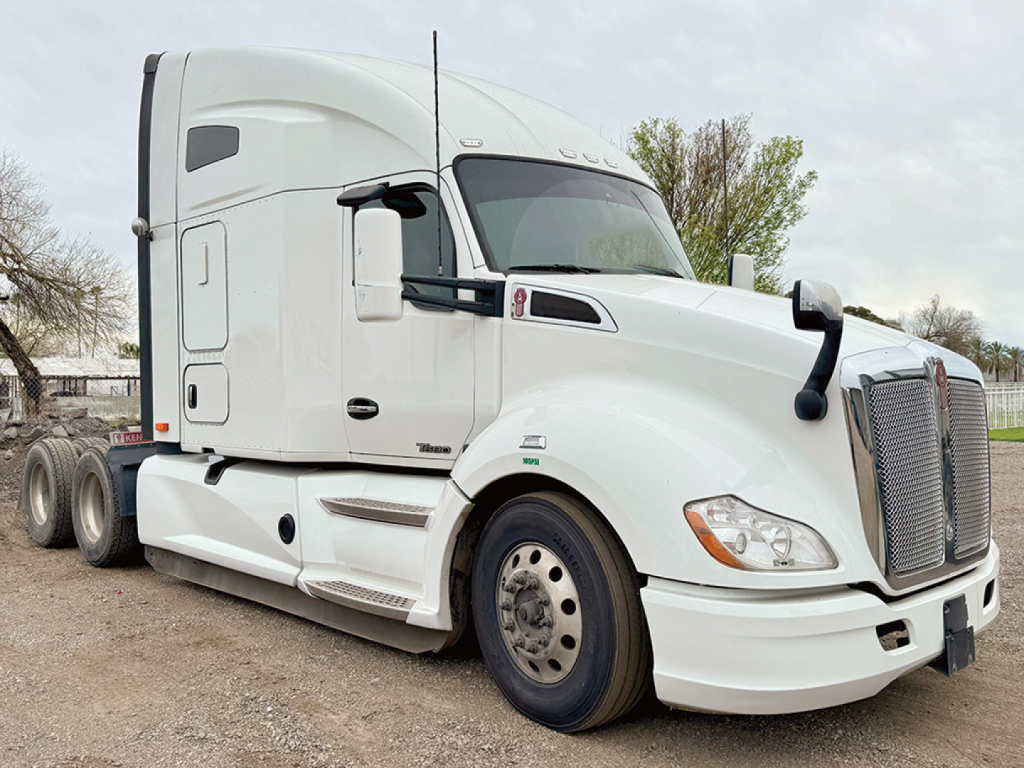
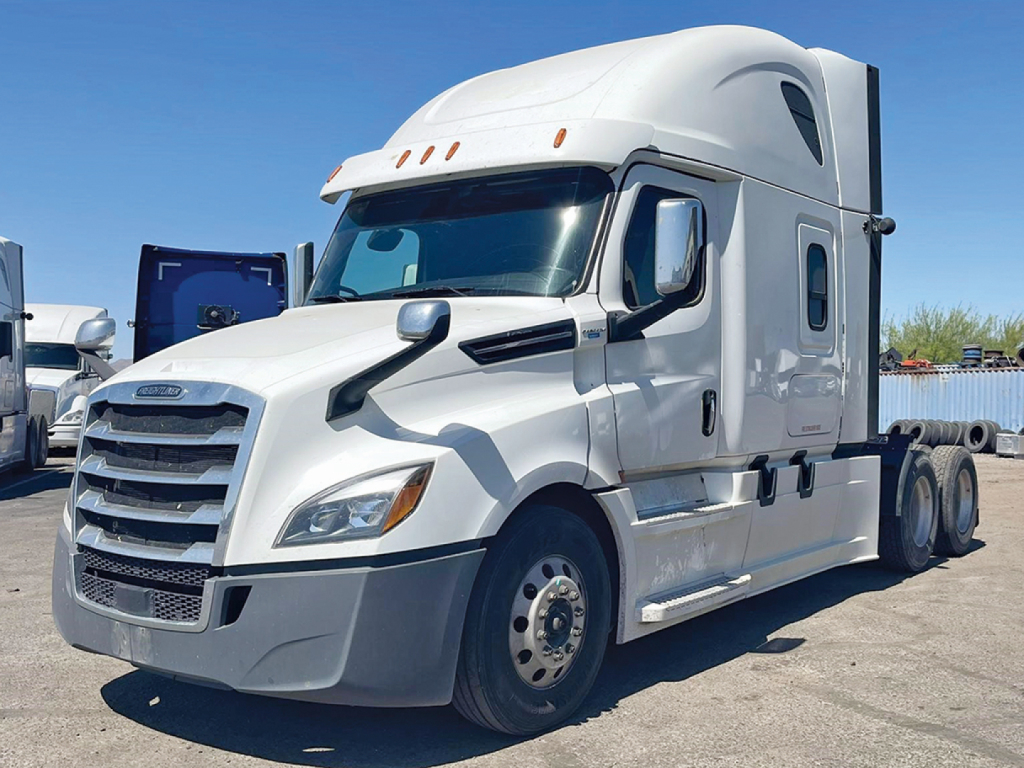
Selling a used 2020 commercial truck? List your used 2020 commercial truck for sale and reach thousands of commercial buyers.
Used 2020 Commercial Trucks in Mississippi
For buyers comparing 2020 tractors, the biggest decisions usually come down to cab configuration, powertrain, and axle setup. Day cabs, also known as non-sleeper conventional trucks, are common in local haul, port work, dedicated lanes, and short regional service. Sleeper trucks are better suited for longer runs and teams that need bunk space and additional fuel capacity. In this model year, you will often see engines in the 400 to 455 horsepower range, automated transmissions such as Volvo I-Shift, Eaton Endurant or Advantage, and rear axle ratios like 2.64, 2.80, or 3.08. Those specs matter because they directly affect startability, cruise RPM, fuel economy, and how well the truck fits regional versus over-the-road duty.
Mississippi buyers should also pay attention to configuration details that match local freight and terrain. A tandem axle tractor with 40,000-pound rears remains a standard choice for general freight and van or reefer work, while a single axle with air tag can make sense for lighter regional applications where lower tare weight and maneuverability matter. Wheelbase, fifth wheel type, suspension, brake spec, and fairing package all influence how a truck performs in tight yards, on interstates, and in fuel-sensitive operations. Disc brakes, air ride suspension, aluminum fuel tanks, and aerodynamic packages are common on 2020 trucks and can add value in both maintenance planning and resale.
Condition matters as much as spec on a used 2020 truck. Buyers should review engine history, emissions system service, transmission calibration, tire wear, brake life, and signs of uneven suspension loading. It is also smart to confirm idle hours, PTO presence if needed, and whether the truck was fleet maintained or owner-operated. A well-spec'd 2020 truck can still be a strong revenue unit for regional freight, dedicated contract work, construction support, agriculture, and general commercial hauling if the configuration matches the job.
Frequently Asked Questions about Used 2020 Commercial Trucks in Mississippi
What should I look for first when buying a used 2020 truck?
Start with the truck’s intended application, then verify the core spec matches that job. Cab type, wheelbase, axle rating, engine horsepower, transmission, and rear axle ratio should all line up with the freight, trailer type, and average route profile. After that, review maintenance records, engine hours, fault code history, emissions repairs, brake and tire condition, and signs of frame or suspension stress. A clean service history and the right configuration usually matter more than brand alone.
Are 2020 trucks a good balance between price and technology?
Yes. Many 2020 trucks offer late-model features without the acquisition cost of newer equipment. This model year commonly includes automated manual transmissions, aerodynamic packages, disc brake options, advanced telematics compatibility, and fuel-efficient engine platforms. For many fleets, 2020 trucks represent a strong midpoint where the truck is modern enough for current operating demands but depreciated enough to make cost-per-mile more attractive.
What is the difference between a 2.64, 2.80, and 3.08 rear axle ratio on a 2020 truck?
Rear axle ratio changes how the truck balances fuel economy and pulling performance. A 2.64 ratio is typically geared toward lower cruise RPM and highway fuel economy. A 2.80 ratio is a middle-ground option for mixed regional service. A 3.08 ratio generally gives better launch feel and can be more suitable for heavier loads, stop-and-go work, or routes with more grade changes. The right ratio depends on tire size, transmission gearing, gross combination weight, and average operating speed.
Is a day cab or sleeper better for a used 2020 truck in Mississippi?
A day cab is usually the better choice for local delivery, dedicated regional lanes, yard moves, and operations where drivers return home daily. It offers lower weight, simpler packaging, and often better maneuverability. A sleeper is the better fit for longer runs, multi-day dispatches, and operations that need added storage, bunk space, and larger fuel capacity. The best choice comes down to length of haul, driver schedule, and trailer assignment.
How important is maintenance history on a used 2020 truck with modern emissions equipment?
It is critical. By 2020, diesel engines were fully dependent on integrated emissions systems including EGR, DPF, and SCR components. Regular service records can reveal whether the truck received proper preventive maintenance, sensor replacements, software updates, and aftertreatment cleaning intervals. Without that history, a truck may still look good cosmetically while carrying higher near-term repair risk. Service documentation is one of the strongest indicators of long-term operating value on a used late-model truck.