
Used 2020 Commercial Trucks For Sale in Minnesota
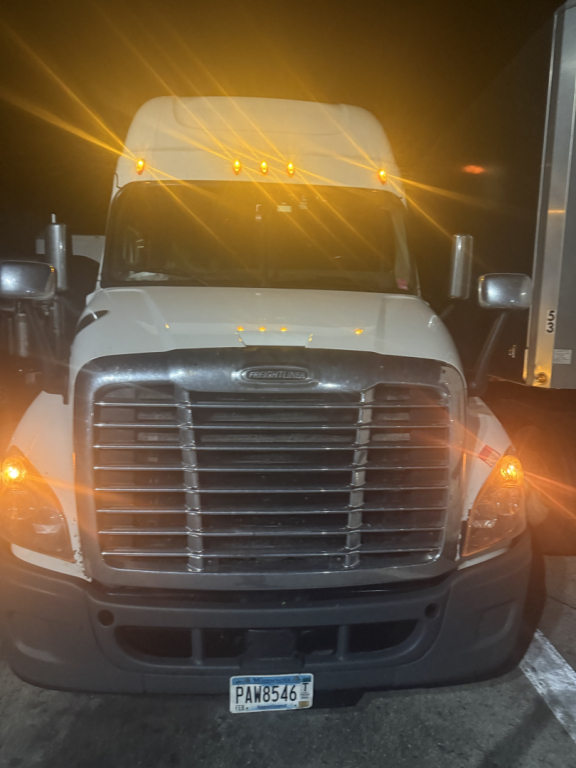
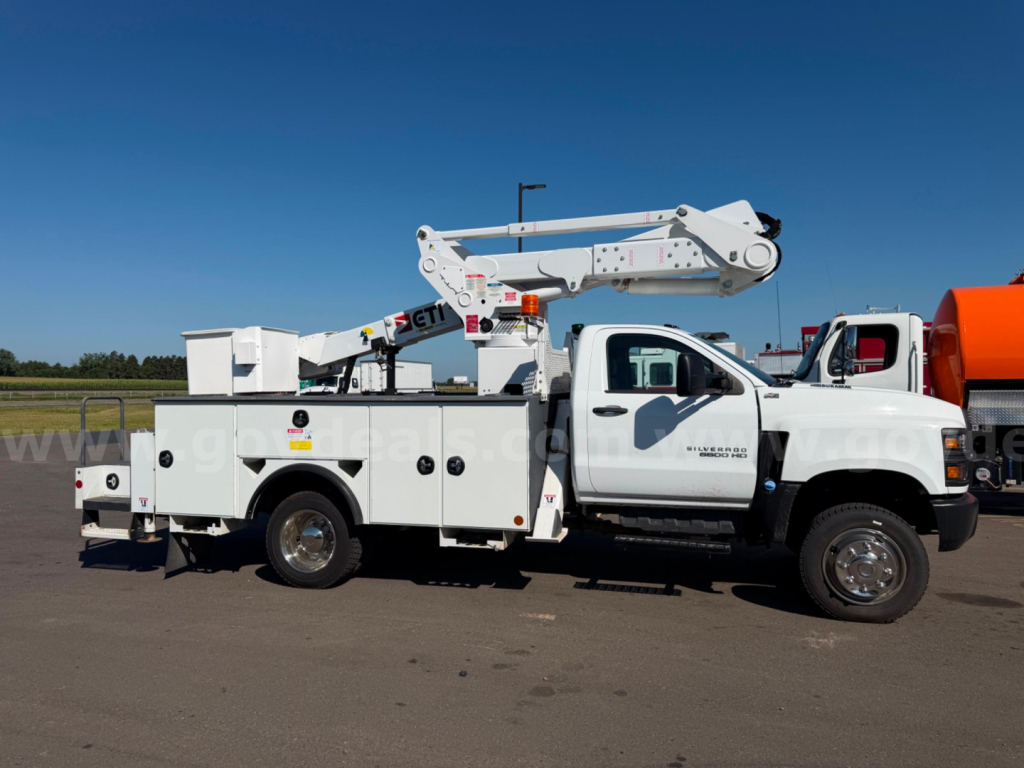
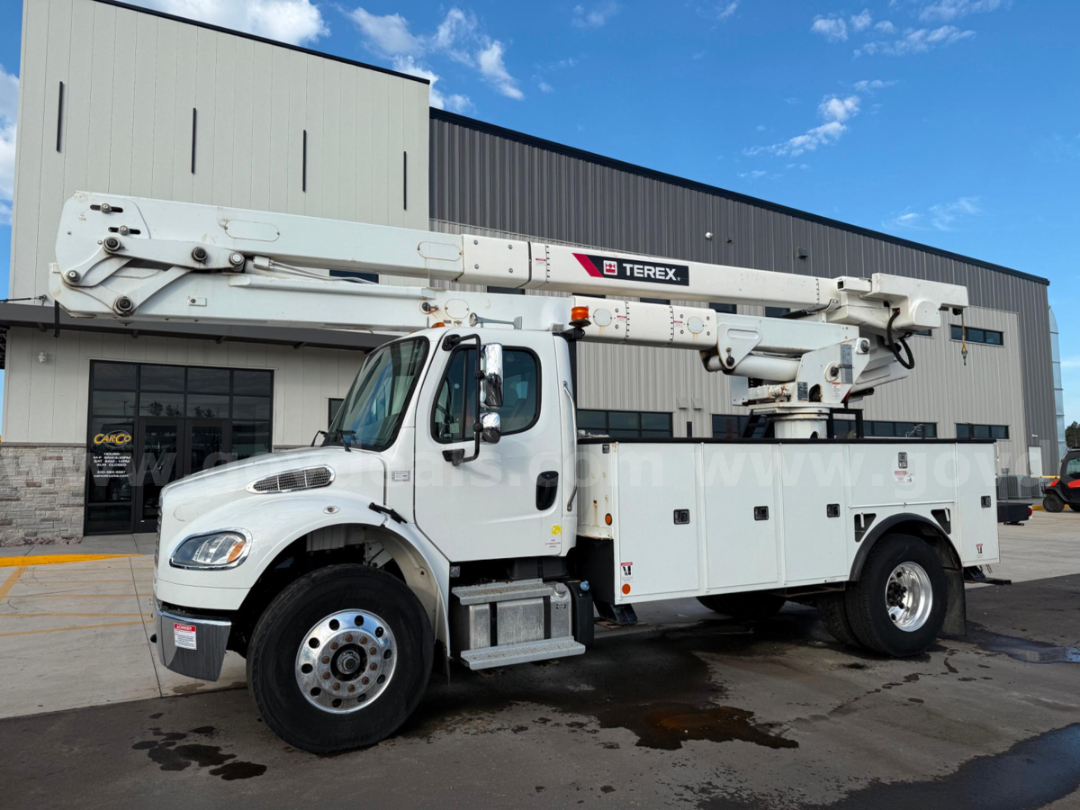
Have used 2020 commercial truck to sell? List it here to reach thousands of buyers.
Used 2020 Commercial Trucks in Minnesota
The most important buying decision is matching the truck’s original application to the work you need done now. A 2020 conventional day cab in Minnesota is often spec'd for regional haul, short turns, or local delivery, with wheelbases commonly set for maneuverability and easier trailer spotting. Typical specs in this year range include 11 to 15 liter diesel engines, automated transmissions, 2.64 to 3.36 rear axle ratios, 40,000 lb tandem rears on highway units, and air ride suspension. In medium-duty and vocational segments, buyers should look closely at PTO setup, front axle ratings, body upfit quality, hydraulic system condition, plow wiring, hoist performance, and any evidence of frame modifications.
Minnesota operating conditions make rust, corrosion control, and cold-weather reliability especially important. A used 2020 truck that has spent winters on treated roads should be checked carefully at crossmembers, cab mounts, battery boxes, brake backing areas, suspension hangers, fuel tank straps, and electrical connectors. Cold starts, DEF system performance, bunk or cab heater operation, and the condition of air dryers and batteries matter more here than in milder regions. Tire type, locking differential spec, 4x2 versus 6x4 layout, and any history of municipal or snow-season service can also affect how well the truck fits local hauling, construction, ag, or public works duty.
Buyers should also compare mileage, engine hours, idle time, and maintenance records instead of focusing on model year alone. A 2020 truck with documented PM history, clean telematics data, and consistent drivetrain specs can be a stronger value than a newer truck with a less suitable spec. Look for emissions service history, brake wear, kingpin and bushing play, transmission calibration updates, and signs of prior collision or body repair. If the truck is intended for trailer work, confirm fifth wheel type, air slide function, wheelbase, and axle ratio against the loads and routes you expect to run in Minnesota.
Frequently Asked Questions about Used 2020 Commercial Trucks in Minnesota
What should I look for when buying a used 2020 truck in Minnesota?
Focus on corrosion, cold-weather reliability, and whether the truck was spec'd for the job you need. In Minnesota, road treatment and winter operation can accelerate rust at frame components, electrical connections, and underbody hardware. Buyers should inspect service records, engine hours, emissions history, brake condition, suspension wear, and signs of municipal or plow-related use. It is also important to verify axle ratings, wheelbase, drivetrain ratio, and PTO or hydraulic setup if the truck will be used for vocational work.
Are 2020 trucks a good value compared with newer used trucks?
A 2020 truck is often a strong value because it can offer modern safety systems, newer powertrain technology, and broad parts support at a lower acquisition cost than late-model equipment. Many 2020 units include automated transmissions, collision mitigation, improved interiors, and efficient engine packages. The real value depends on maintenance history, mileage, idle hours, and application fit, not just age. A well-maintained 2020 truck with the right spec is frequently a better buy than a newer truck with the wrong wheelbase, axle ratio, or body configuration.
What kinds of 2020 trucks are most common on the used market?
The used 2020 truck market typically includes conventional day cabs, medium-duty chassis cabs, dump trucks, service bodies, and other vocational configurations. Highway-oriented trucks often carry 11 to 15 liter engines, tandem rear axles, air ride suspension, and automated manual transmissions. Medium-duty and vocational units can vary widely in GVWR, cab-to-axle dimensions, PTO equipment, body upfits, and hydraulic systems. Buyers should evaluate each truck by its intended duty cycle rather than assuming all 2020 trucks are comparable.
How important are mileage and engine hours on a used 2020 truck?
Mileage matters, but engine hours and idle time can be just as important, especially on trucks used for local delivery, municipal work, or PTO applications. A truck with moderate miles but very high idle hours may show more wear in the engine, emissions system, and aftertreatment components than the odometer suggests. Reviewing ECM data, maintenance intervals, and repair history gives a more accurate picture of wear than mileage alone. For vocational units, PTO hours and hydraulic system use should also be considered.
Do I need to worry about emissions systems on a used 2020 diesel truck?
Yes. By 2020, diesel trucks were fully dependent on modern emissions systems, so DEF, DPF, SCR, sensors, and aftertreatment service history should be reviewed carefully. Buyers should look for fault codes, evidence of repeated regens, injector or doser repairs, and records showing software updates or component replacement. A truck that has been maintained properly can be reliable, but neglected emissions issues can become expensive quickly. A pre-purchase inspection that includes diagnostics is a smart step on any used 2020 diesel truck.