
Used 2019 Trucks For Sale in Massachusetts
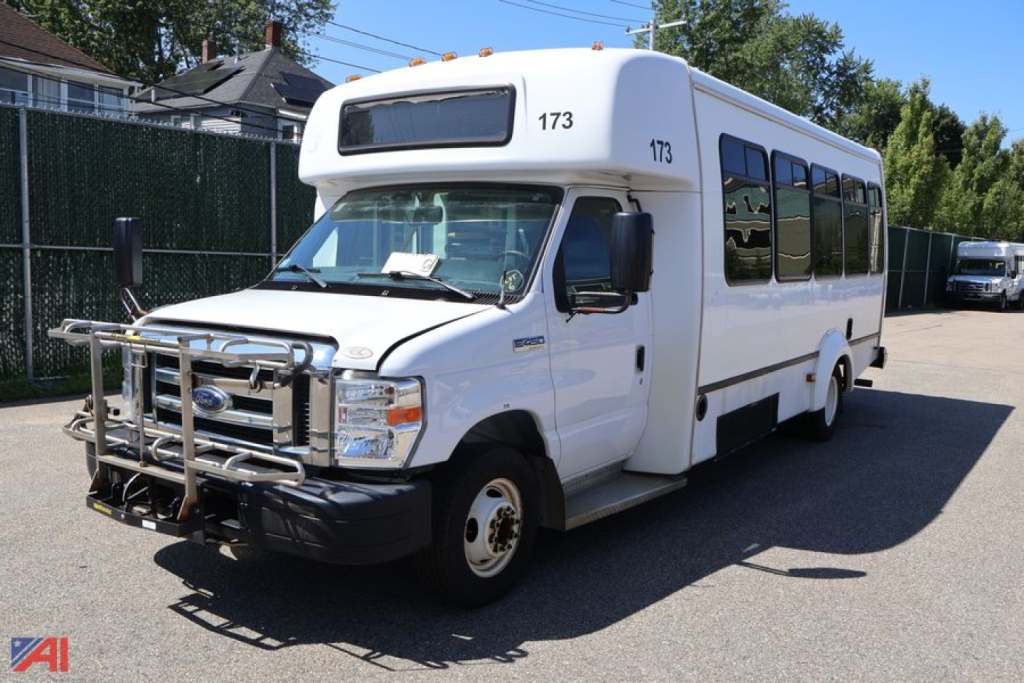
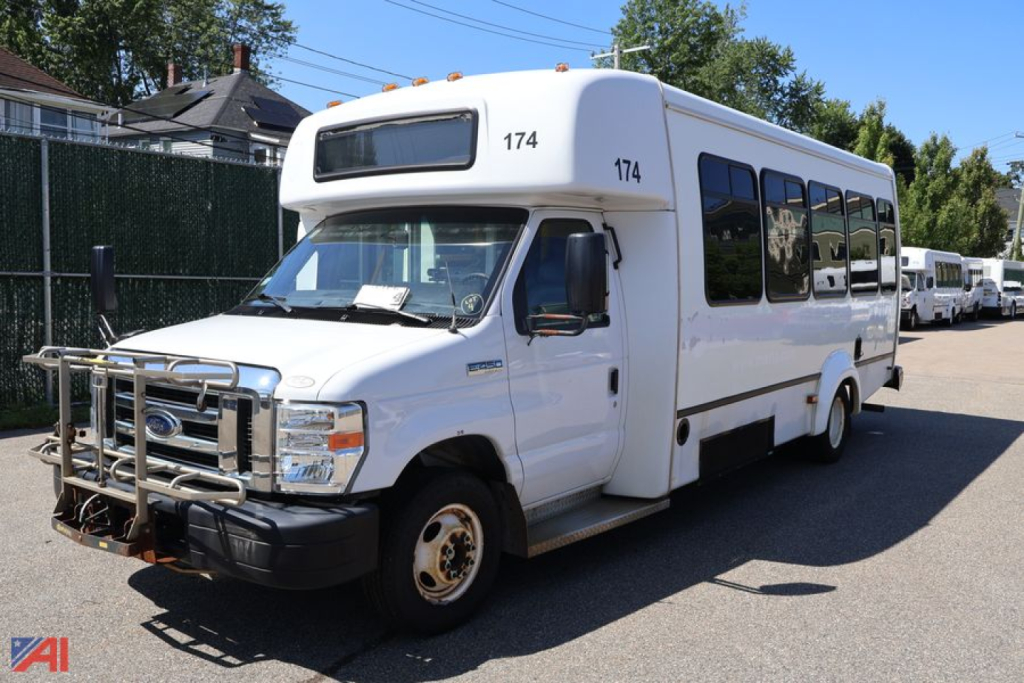
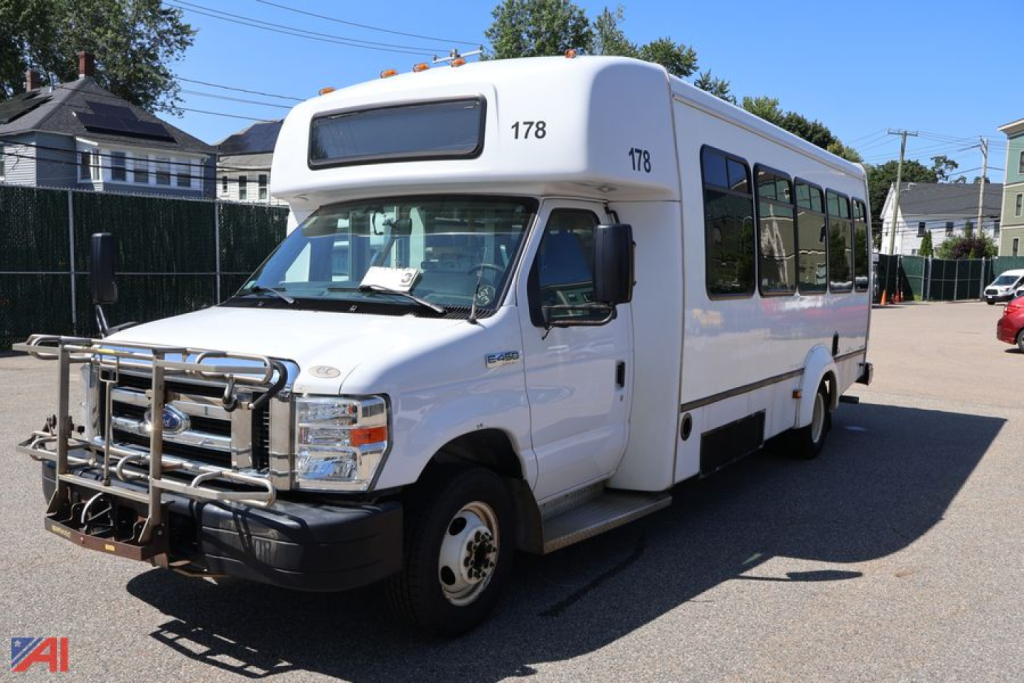
Have used 2019 truck to sell? List it here to reach thousands of buyers.
Used 2019 Trucks in Massachusetts
Massachusetts operating conditions matter. Snow, road salt, municipal use, and stop-and-go duty can accelerate corrosion on frames, dump bodies, brake lines, crossmembers, and electrical connections. On any used 2019 truck, pay close attention to underbody rust, cab corners, rocker panels, spring hangers, fuel and DEF system condition, and the state of hydraulics if the truck has a dump body, plow gear, sander setup, or hooklift. Service history is especially important on trucks that spent time in public works, utility, landscaping, or construction fleets, where PTO use, idling hours, and seasonal attachments can affect wear differently than highway miles alone would suggest.
Specs vary widely by class, but this year range often includes gasoline and diesel powertrains, automatic transmissions, 4x2 and 4x4 drivetrains, and GVWRs from pickup-based work trucks up into true medium-duty platforms. Buyers should match axle rating, wheelbase, suspension, and brake setup to the intended body or payload. On dump and hooklift configurations, check hoist condition, PTO engagement, body mount integrity, and any evidence of frame modification. On pickups and cab and chassis trucks, focus on bed or body compatibility, towing capacity, upfitter switches, trailer brake controls, and front axle capacity if snow equipment or other nose-heavy attachments are part of the plan.
A used 2019 truck is often purchased for local delivery, municipal service, site work, snow and ice control, equipment hauling, or contractor support. The best value usually comes from a truck with a clear application history, consistent maintenance records, and specs that fit the job without overbuying capacity. In Massachusetts, buyers also benefit from checking tire condition for mixed seasonal use, confirming emissions compliance and diagnostic status, and inspecting any prior upfit work for clean wiring, proper hydraulic routing, and sound structural installation. A truck that looks right on paper still needs to be judged by frame condition, idle hours, PTO hours, and how well the original configuration aligns with the work it will do next.
Frequently Asked Questions about Used 2019 Trucks in Massachusetts
What should I inspect first on a used 2019 truck in Massachusetts?
Start with corrosion, frame condition, and service records. Massachusetts trucks often see winter salt, plowing, and stop-and-go municipal or contractor duty, so rust on the frame, crossmembers, brake and fuel lines, electrical connectors, and body mounts can matter more than odometer miles alone. After that, check engine hours, idle time, suspension wear, brake condition, tire age, and the operation of any PTO-driven equipment such as a dump hoist, sander, or hooklift.
Is a 2019 model year a good balance between price and modern features?
For many buyers, yes. A used 2019 truck often provides a useful middle point between older pre-emissions-era pricing and newer late-model costs. This model year commonly includes updated cab ergonomics, backup camera availability, integrated trailer controls on many pickups, and more current drivetrain and safety technology. The tradeoff is that emissions components, electronic systems, and DEF-related maintenance still need to be evaluated carefully on diesel units.
How do I choose between a pickup, dump truck, hooklift, or cab and chassis?
Choose based on payload, body flexibility, and daily duty cycle. A pickup is usually the best fit for lighter contractor work, towing, and mixed personal-commercial use. A dump truck is better for aggregate, debris, landscape material, and snow operations. A hooklift works well when one chassis needs to handle multiple bodies or containers. A cab and chassis gives the most flexibility if you plan to install a specific body, but wheelbase, frame length, axle ratings, and PTO provisions all need to match the intended upfit.
What drivetrain and GVWR details matter most on a used 2019 truck?
The key details are engine type, transmission, axle ratio, drivetrain layout, and gross vehicle weight rating. Gas engines may offer lower upfront cost and simpler service in some lighter applications, while diesel trucks usually make more sense for heavier payloads, towing, and PTO work. GVWR, front and rear axle ratings, and suspension spec determine how well the truck will handle a dump body, plow, service body, or trailer load. Buyers should also verify wheelbase and frame dimensions before planning any body swap or upfit.
Why are engine hours and PTO hours important on used work trucks?
Miles do not tell the whole story on vocational trucks. A 2019 truck used in municipal service, utility work, snow removal, or construction may spend long periods idling or operating hydraulic equipment with the PTO engaged. Engine hours help show total running time, while PTO hours help reveal how much work the hydraulic systems and related components have actually done. These numbers can explain wear on the engine, charging system, hydraulics, and transmission better than mileage alone.