
Used 2015 Commercial Trucks For Sale in Ohio
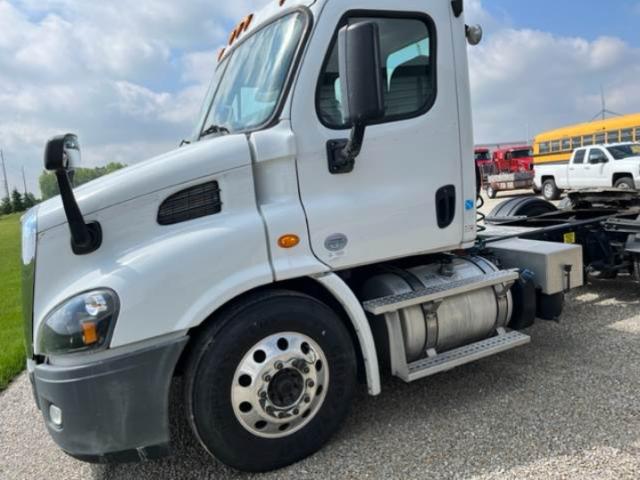
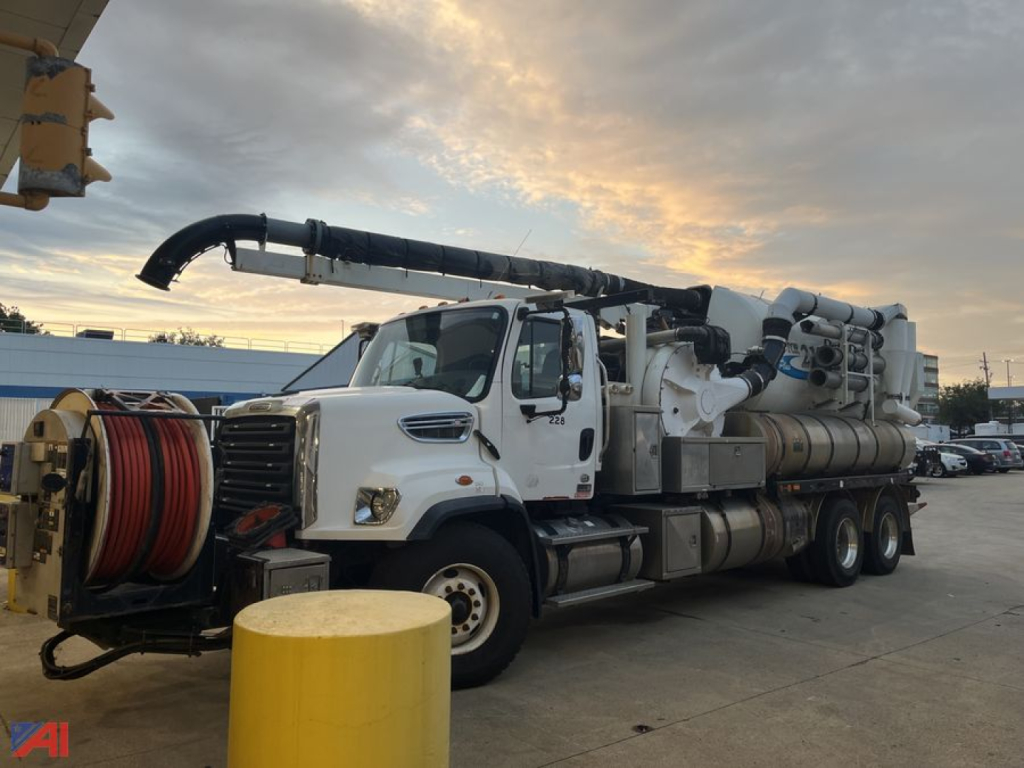
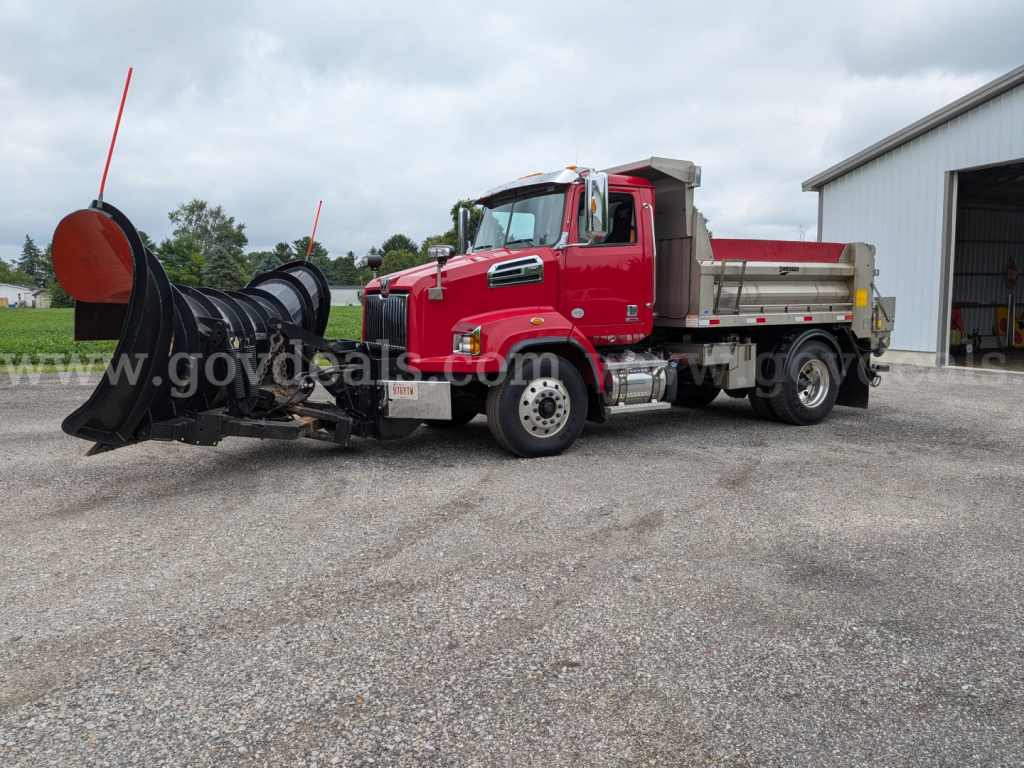
Have used 2015 commercial truck to sell? List it here to reach thousands of buyers.
Used 2015 Commercial Trucks in Ohio
The biggest buying decision is usually the truck's job class and configuration. In the used 2015 market, that can mean anything from a light-duty chassis cab or pickup-based work truck to a medium-duty dump, bucket, tanker, or snow and ice unit. Key specs to compare include GVWR, axle ratings, wheelbase, engine make, horsepower, transmission type, rear axle ratio, and PTO compatibility. If the truck already has a vocational body, review the body manufacturer, hoist, hydraulics, spreader or plow gear, boom certification if applicable, and any signs of hard seasonal use. Ohio buyers often place extra value on trucks with documented municipal or fleet maintenance, but it is still important to verify idle hours, service records, underbody condition, and the operation of all auxiliary equipment.
For 2015 trucks, emissions compliance is another major checkpoint. Most units in this year range use diesel exhaust fluid and aftertreatment systems that need to be operating correctly, especially on medium-duty and heavy vocational models. A pre-purchase inspection should include fault code scans, regen history when available, and a close look at injector performance, turbo response, and DPF or SCR service history. On work trucks with hydraulic systems, inspect pump engagement, PTO function, cylinder seals, hose routing, and control response under load. On dump, plow, bucket, and tank applications, body condition can affect long-term value as much as the chassis itself.
Ohio roads, weather, and seasonal workloads make durability a bigger factor than cosmetics. Look for tire type and remaining tread, spring or air suspension condition, steering play, brake life, and any evidence of previous structural repair. Cab comfort still matters on a 2015 truck, especially if drivers spend long shifts in it. Air conditioning, heated mirrors, power windows, seating condition, visibility, and switchgear function all affect day-to-day productivity. A good used 2015 truck is one that matches the intended job, has a clean mechanical baseline, and shows consistent maintenance across both the chassis and the vocational equipment.
Frequently Asked Questions about Used 2015 Commercial Trucks in Ohio
What should I inspect first on a used 2015 truck in Ohio?
Start with corrosion and structural condition. Ohio trucks often see winter salt, so frame rails, crossmembers, spring hangers, brake lines, fuel tanks, cab mounts, and body supports deserve close attention before anything else. After that, review engine and transmission operation, check for active fault codes, inspect suspension and steering wear, and test every vocational component such as hoists, plows, spreaders, pumps, or aerial equipment.
Are 2015 model year trucks a good value for commercial use?
Yes, 2015 trucks can be a strong value point because they are old enough to be more affordable than newer late-model units, but still modern enough to offer updated cab features, electronic diagnostics, and common vocational configurations. The real value depends on maintenance history, emissions system health, and how hard the truck was worked. A well-kept fleet truck with documented service is usually a better buy than a lower-priced unit with unknown history.
What emissions equipment is common on a 2015 diesel truck?
Most 2015 diesel trucks use a combination of EGR, DPF, and SCR systems, with diesel exhaust fluid required on many applications. Buyers should confirm that the truck regens properly, has no active emissions faults, and has a clear service history for the aftertreatment system. Repairs in this area can be expensive, so a diagnostic scan and road test are important parts of any inspection.
Which specs matter most when comparing used 2015 work trucks?
The most important specs depend on the job, but buyers usually compare GVWR, front and rear axle ratings, wheelbase, engine horsepower and torque, transmission type, rear axle ratio, PTO setup, and body dimensions first. For vocational trucks, the upfit can be just as important as the chassis. A dump body, tank, plow package, bucket assembly, or utility body should be inspected for manufacturer quality, operating condition, and compatibility with the intended workload.
Is mileage or hours more important on a used vocational truck?
Both matter, but hours can tell the story better on vocational units that spend long periods idling while powering hydraulics, PTO-driven equipment, or jobsite accessories. A truck with moderate miles and very high idle time may have more engine wear than the odometer suggests. Buyers should ask for engine hours, PTO hours if available, maintenance records, and evidence of how the truck was used during its service life.