
Used 2014 Commercial Trucks For Sale in Texas
Shop used 2014 trucks for sale in Texas, including day cabs and sleepers, with specs, applications, and key buying points for fleet buyers.
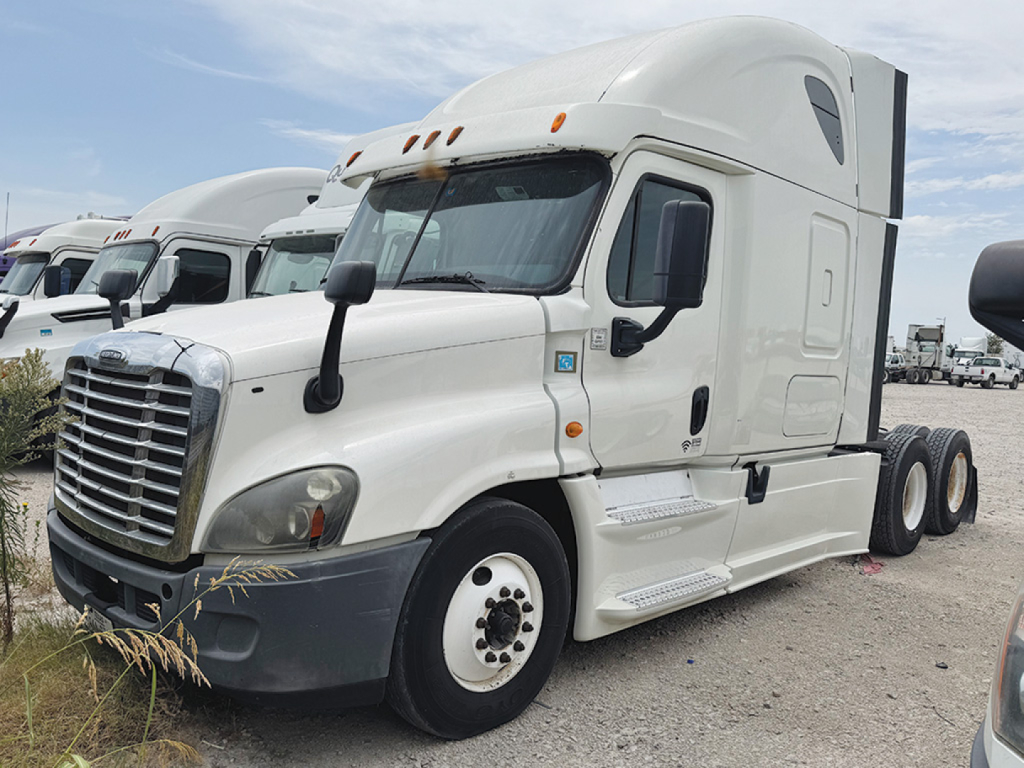


Have used 2014 commercial truck to sell? List it here to reach thousands of buyers.
Used 2014 Commercial Trucks in Texas
On 2014 trucks, powertrain spec matters more than appearance. Common engine families in this age range include the Detroit DD13 and DD15, Cummins ISX, Paccar MX series, Volvo D13, and Navistar MaxxForce or N13 depending on make. Transmission choices often include 10-speed and 13-speed manuals, plus automated manuals that became more common in fleet service. Buyers should pay close attention to horsepower, torque rating, rear axle ratio, and gross combination weight expectations, because a truck spec'd for van freight at highway speed may not be ideal for heavier vocational pulls or repeated stop-and-go duty. Tandem rears around 40,000 lbs, air ride suspension, engine brakes, and sliding fifth wheels are standard items many buyers expect in this segment.
Texas buyers should also consider cooling system condition, A/C performance, and overall idle-hour history, since heat and long-distance operation can expose weak points faster than lighter-duty regional use. A used 2014 truck may already have emissions-related service history tied to EGR, DPF, or SCR systems, so maintenance records are a major value point. Brake type, tire size, wheelbase, frame condition, and fifth wheel wear should be checked against the intended trailer mix and route profile. For fleets running I-10, I-20, I-35, or oilfield-connected freight corridors, durability, fuel range, and parts support often matter just as much as the original purchase price.
A well-matched 2014 truck can still be a practical asset for an owner-operator or fleet looking for lower acquisition cost without stepping all the way down into obsolete spec territory. Focus on mileage, idle time, maintenance documentation, axle configuration, and driveline match before comparing cosmetic features. If the truck is a sleeper, look at bunk layout, HVAC operation, and fairing condition. If it is a day cab, prioritize wheelbase, turning radius, and transmission setup for urban or regional work. The right used 2014 truck is the one whose spec matches the freight, not simply the one with the newest paint or the highest advertised horsepower.
Frequently Asked Questions about Used 2014 Commercial Trucks in Texas
What should I look for first when buying a used 2014 truck in Texas?
Start with the powertrain and service history. Engine family, transmission type, rear axle ratio, mileage, idle hours, and emissions maintenance records will tell you more about long-term value than cosmetic condition. In Texas, strong air conditioning, cooling system health, tire condition, and brake wear are especially important because trucks often see high heat, long interstate runs, and heavy regional freight cycles.
Are 2014 trucks still a good choice for owner-operators and small fleets?
Yes, a used 2014 truck can still make sense when the spec matches the job and the maintenance history is solid. Many buyers choose this model year because acquisition cost is lower than newer equipment while still offering modern highway truck features like air ride suspension, engine brakes, aerodynamic packages, and automated transmission options. The key is avoiding a mismatch between the truck's gearing, wheelbase, and intended freight application.
What engine and transmission combinations are common in 2014 trucks?
Common 2014 truck engines include Detroit DD13 and DD15, Cummins ISX, Volvo D13, Paccar MX engines, and some International-powered units depending on brand. Transmissions in this year range often include 10-speed and 13-speed manuals as well as automated manuals from Eaton, Detroit, and other OEM-integrated driveline packages. Buyers should compare not just brand names but also horsepower, torque, and axle ratio because those three items determine drivability and fuel economy more than the badge alone.
How do I choose between a 2014 day cab and a 2014 sleeper truck?
Choose a day cab for local, drayage, dedicated regional, or short-haul operations where shorter wheelbase, lower weight, and tighter maneuverability matter. Choose a sleeper for over-the-road freight, multi-day dispatch, or lanes that require more fuel capacity and driver living space. In both cases, the better buy is the one with a spec aligned to the trailer type, route terrain, and average payload rather than simply the cab style.
What maintenance areas are most important on a used 2014 truck?
The most important areas are emissions system history, engine overhead and cooling system service, clutch or automated transmission condition, suspension wear, brake system condition, and driveline integrity. Buyers should also inspect frame rails, fifth wheel wear, differential service records, and signs of uneven tire wear that could indicate alignment or suspension issues. A documented maintenance file adds real value on a 2014 truck because it reduces uncertainty about how the unit was operated and repaired.