
Used 2014 Trucks For Sale in North Carolina
Browse used 2014 trucks for sale in North Carolina, including day cabs, sleepers, vocational trucks, diesel powertrains, and fleet-ready specs.
Learn more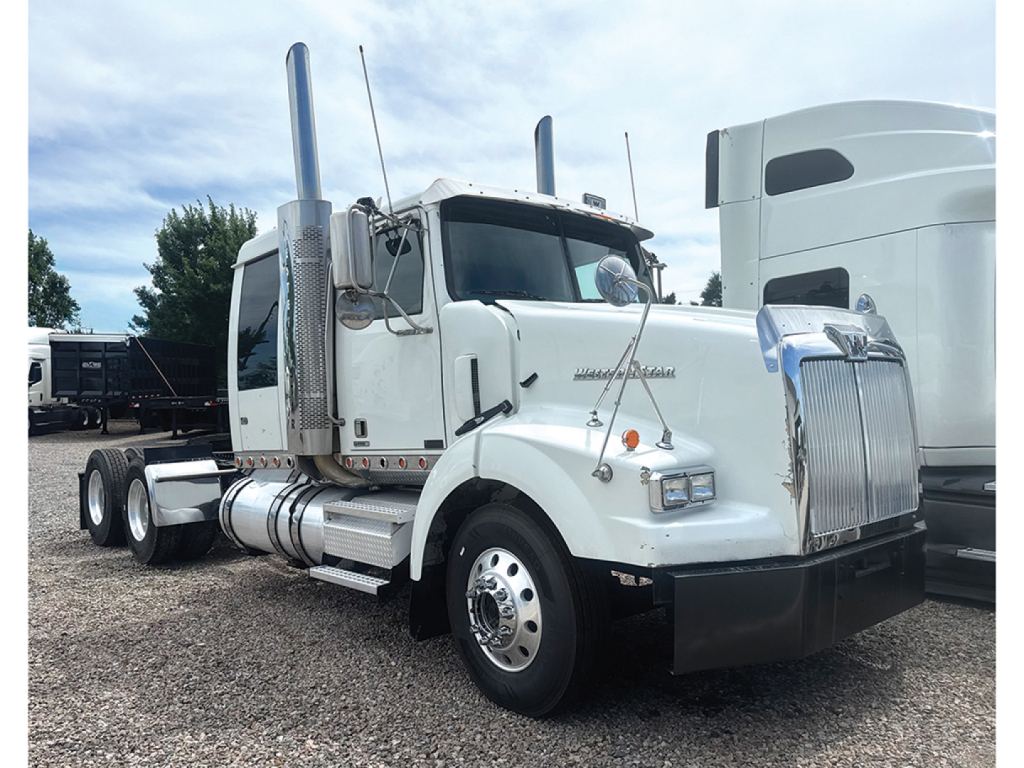
Have used 2014 truck to sell? List it here to reach thousands of buyers.
About Used 2014 Trucks in North Carolina
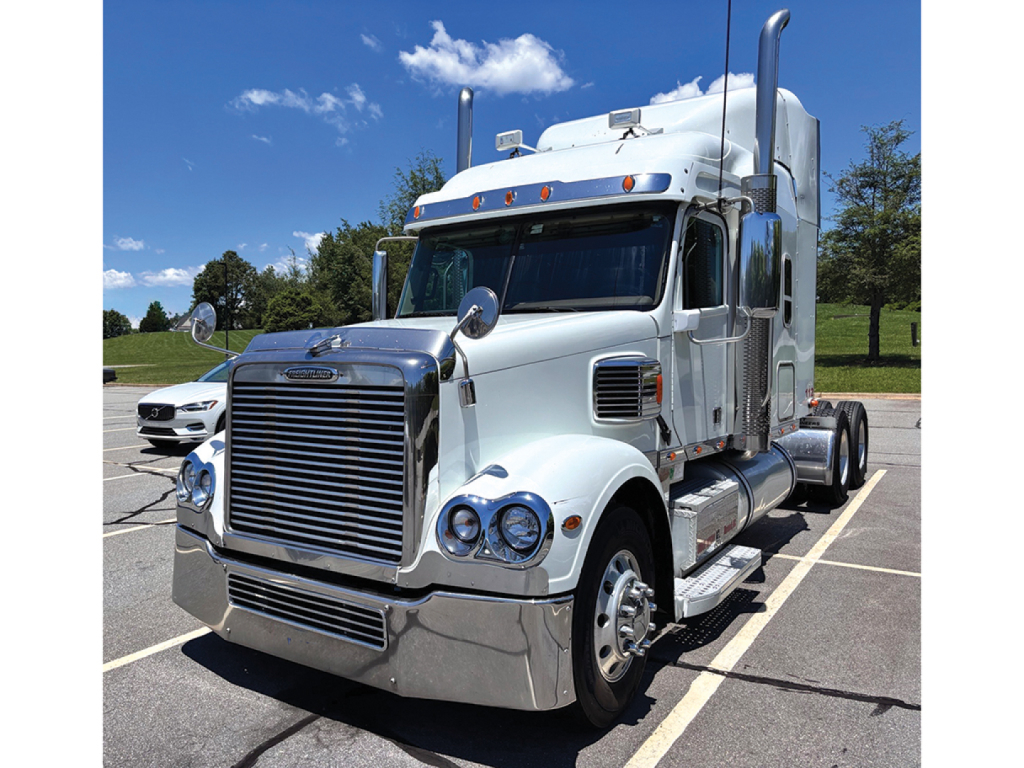
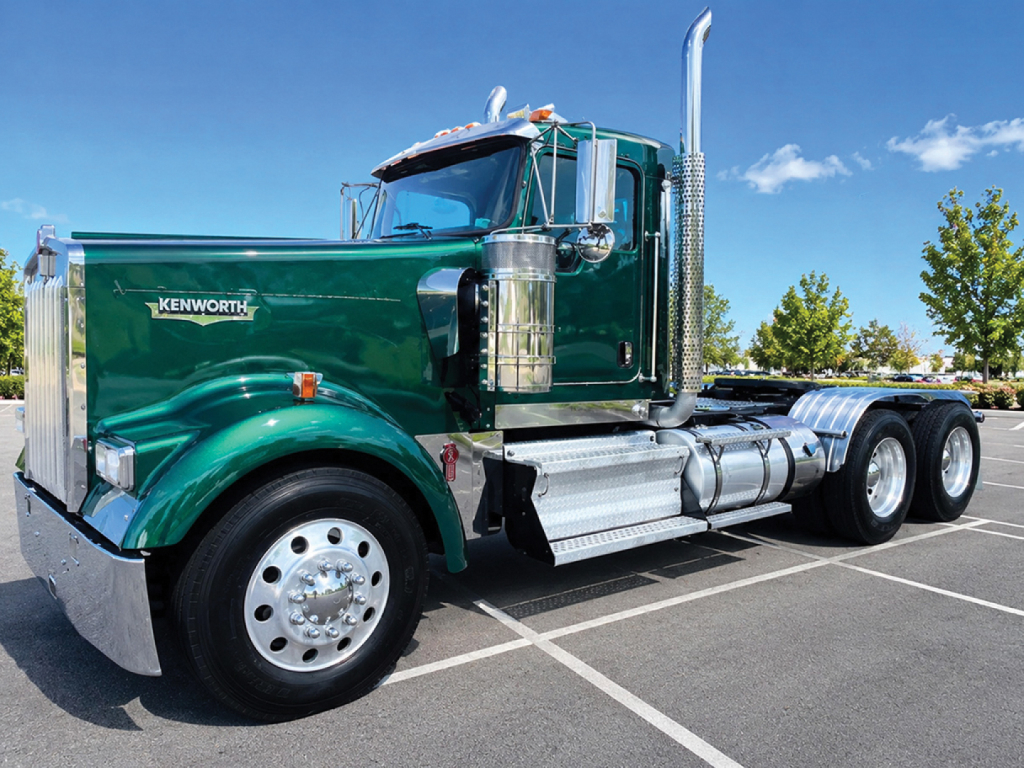
The first buying decision is usually application, not brand. A 2014 highway tractor should be evaluated around sleeper size, wheelbase, rear axle ratio, horsepower, transmission type, and whether the spec fits long-haul, regional, or dedicated freight. Common heavy-duty diesel platforms from this era include Detroit, Cummins, PACCAR, and, on some legacy trucks, Caterpillar. Buyers looking at a sleeper or day cab should pay close attention to engine brake performance, 5th wheel setup, front axle and rear axle ratings, suspension type, and tire size such as 22.5 or 24.5 rubber. If the truck is a vocational unit like a grapple, dump, vacuum truck, or other work body, body condition, PTO operation, hydraulic performance, frame integrity, and engine hours can matter as much as mileage.
A used 2014 truck often sits in the sweet spot where maintenance history tells the real story. Emissions components such as DPF, DEF, EGR, sensors, and aftertreatment service records should be reviewed closely. On automatic and automated manual trucks, shift quality and clutch calibration are important. On manual transmissions, look for driveline wear, clutch life, and signs of hard vocational use. North Carolina buyers should also inspect for corrosion on frames, crossmembers, suspension components, tanks, and body mounts, especially on trucks that worked in municipal service, waste, or utility applications. Cab condition, A/C function, electrical accessories, and any PTO or hydraulic hookups should match the intended job before purchase.
The strongest 2014 truck purchase is the one with the right specification for the route and payload, not just the lowest price. A regional sleeper with a fuel-efficient axle ratio may be a better fit than a higher-horsepower truck geared for heavy haul. A medium-duty chassis with documented service intervals may outperform a cheaper unit with deferred maintenance. Buyers comparing used 2014 trucks in North Carolina should focus on axle ratings, body and frame condition, engine platform support, parts availability, and how easily the truck can be put to work in their operation. That approach usually leads to lower downtime and a better cost-per-mile or cost-per-hour result.
Frequently Asked Questions
What should I check first on a used 2014 truck?
Start with the truck’s intended application and confirm the major spec matches the work. On a highway tractor, check engine make, horsepower, transmission, axle ratio, wheelbase, suspension, and GVWR or GCWR suitability. On a vocational truck, inspect the body, PTO, hydraulics, frame, and any auxiliary equipment before focusing on cosmetic issues. After that, review service records, engine hours if available, emissions system history, tire condition, brake wear, and signs of structural corrosion or repair.
Are 2014 diesel trucks a good value for fleets and owner-operators?
A 2014 diesel truck can be a strong value because it often offers a lower acquisition cost than late-model equipment while still providing modern cab features and widely supported powertrains. The tradeoff is that condition varies more from truck to truck, so maintenance history becomes critical. A well-documented 2014 unit with recent aftertreatment, brake, tire, or transmission work can be a better buy than a newer truck with unknown history or poor specification for the job.
What emissions components are common on 2014 trucks?
Most 2014 diesel trucks use modern emissions equipment that can include EGR, DPF, DEF, and related sensors and aftertreatment hardware. Buyers should ask about forced regens, DPF cleaning or replacement, DEF system repairs, and any warning lights or fault history. A truck with complete records for aftertreatment service is generally easier to evaluate than one with missing documentation, especially if it will be used in a high-idle or stop-and-go application.
Is mileage or engine hours more important on a used 2014 truck?
It depends on the truck type. For linehaul tractors, mileage is usually the primary benchmark because it reflects drivetrain use over the road. For vocational trucks such as grapple, vacuum, dump, or municipal units, engine hours can be just as important because PTO work, idling, and stationary operation add wear that mileage does not show. The best practice is to consider both numbers together and compare them against maintenance records and overall mechanical condition.
What specs matter most when comparing used 2014 trucks in North Carolina?
The key specs depend on the job, but buyers commonly compare engine platform, horsepower, transmission type, axle ratings, rear axle ratio, wheelbase, suspension, brake type, and tire size. In North Carolina, regional hauling, construction, utility work, and municipal use are all common, so body configuration and local service support also matter. The right spec is the one that fits payload, route profile, and duty cycle while keeping parts availability and downtime risk manageable.