
Used 2014 Commercial Trucks For Sale in New Jersey
Browse used 2014 trucks for sale in New Jersey, including pickup, medium-duty, heavy-duty, tow, and vocational truck options.
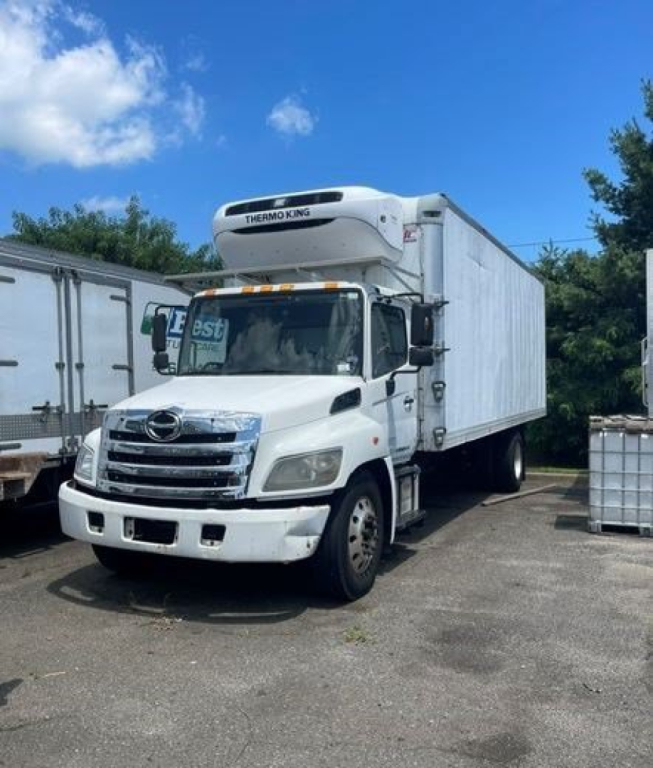
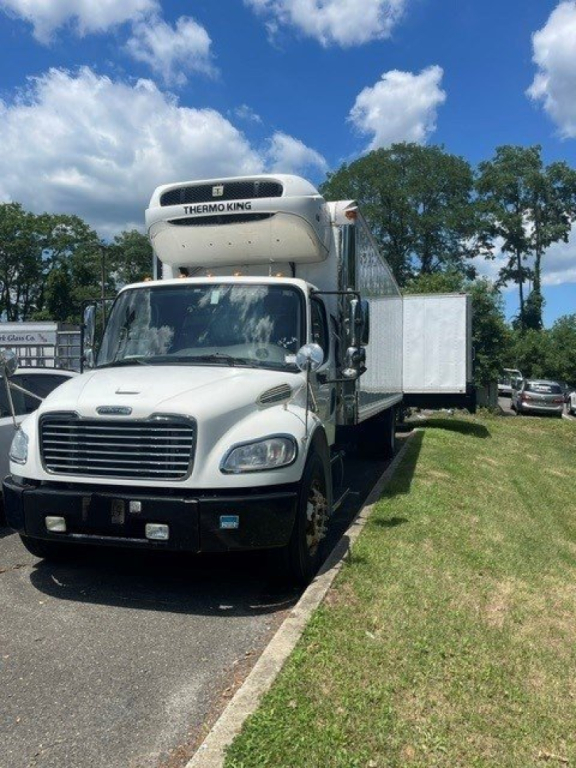
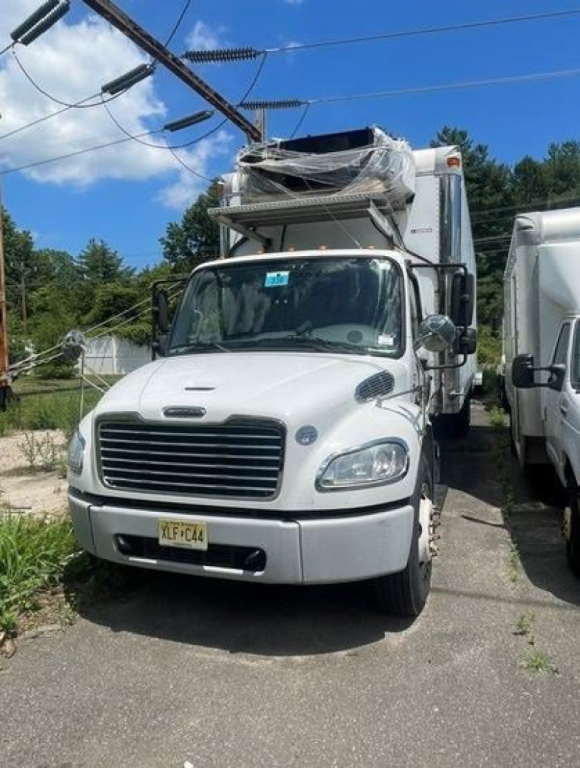

Have used 2014 commercial truck to sell? List it here to reach thousands of buyers.
Used 2014 Commercial Trucks in New Jersey
For heavy-duty 2014 trucks, buyers should pay close attention to engine and driveline specs rather than just cab style. Common configurations include day cabs and sleeper trucks with 10-speed or automated manual transmissions, air ride suspension, and GVWRs up to 80,000 pounds in tractor applications. Engine horsepower in this year often falls in the 400 to 500 HP range for linehaul tractors, while medium-duty and vocational units vary widely based on body equipment and intended use. In New Jersey, stop-and-go operation, port work, short regional hauling, and urban delivery can be hard on clutches, brakes, DPF systems, and front-end components, so inspection of idle hours, regen history, and suspension condition is especially important.
For vocational and specialty 2014 trucks, body and PTO compatibility can matter more than the chassis badge. Buyers comparing tow trucks, vacuum trucks, utility bodies, landscape trucks, reefers, dump bodies, or traffic control units should confirm hoist condition, hydraulic leaks, frame modifications, rust around mounts, and any evidence of overload wear. Wheelbase, rear axle ratio, and cab-to-axle dimensions need to match the intended body or upfit. If the truck will work in tighter North Jersey routes, overall length, turning radius, and visibility can be just as important as raw capacity. Corrosion is another key factor in the Northeast, particularly on crossmembers, cab corners, brake lines, electrical connections, and underbody components exposed to winter road treatment.
A used 2014 truck can still be a solid business asset if the specification matches the work. Buyers should verify GVWR, axle ratings, fuel type, engine family, transmission type, title status, and any body-specific inspection points before narrowing options. For diesel units, it is smart to review injector performance, DEF system operation, turbo condition, and signs of excessive blow-by. For gas-powered pickups and lighter commercial trucks, towing package, bed condition, 2WD versus 4WD, and brake and steering wear are often higher-priority issues. The best purchase in this category is usually not the cheapest truck on the page, but the one with the clearest maintenance background, the right spec for the route, and the fewest near-term repair risks.
Frequently Asked Questions about Used 2014 Commercial Trucks in New Jersey
What should I check first on a used 2014 truck?
Start with the truck’s intended application and confirm the core specs match the job. Verify GVWR, axle ratings, wheelbase, cab configuration, engine, transmission, and fuel type before looking at cosmetic details. After that, focus on maintenance records, title status, rust, tire condition, brake wear, suspension, and any signs of engine or aftertreatment problems. On a 2014 model, service history and component condition usually tell you more than mileage alone.
Are 2014 diesel trucks still a good buy in New Jersey?
They can be, especially for buyers who need commercial-grade durability at a lower acquisition cost than newer trucks. A 2014 diesel truck can still deliver good value if the DPF, DEF, EGR, turbo, and cooling systems are operating properly and the truck has been maintained consistently. In New Jersey service, frequent idling, port work, urban delivery, and winter corrosion can accelerate wear, so a pre-purchase inspection is important on any diesel unit from this model year.
How do I choose between a 2014 heavy-duty tractor and a medium-duty truck?
The decision comes down to payload, route type, body needs, and licensing requirements. A heavy-duty tractor is built for higher combined weights, highway miles, and trailer pulling, often with air ride suspension and higher horsepower. A medium-duty truck is typically better suited for local delivery, utility work, landscape service, towing, or body-specific applications where maneuverability and cab-to-axle dimensions matter more than long-haul capability. Matching the chassis class to the work prevents overspending and reduces downtime.
What are common problems to watch for on used 2014 trucks?
Common issues depend on class and application, but buyers should watch for emissions system faults, transmission wear, coolant leaks, front-end looseness, brake system wear, electrical corrosion, hydraulic leaks on vocational bodies, and frame rust. On tractors, inspect the fifth wheel, suspension bushings, and driveline components. On pickups and lighter trucks, pay close attention to steering, brakes, towing-related wear, and bed or body damage. Any warning lights, hard starting, excessive smoke, or uneven tire wear deserve closer inspection.
Does mileage matter more than maintenance on a used 2014 truck?
Maintenance usually matters more. A higher-mileage 2014 truck with documented service, clean oil analysis trends, regular brake and suspension work, and a healthy aftertreatment system can be a better purchase than a lower-mileage truck with poor records or long periods of neglect. Mileage still matters because it affects wear on major components, but condition, prior use, and repair history are often the better indicators of remaining service life.