
Used 2008 Commercial Trucks For Sale in North Carolina
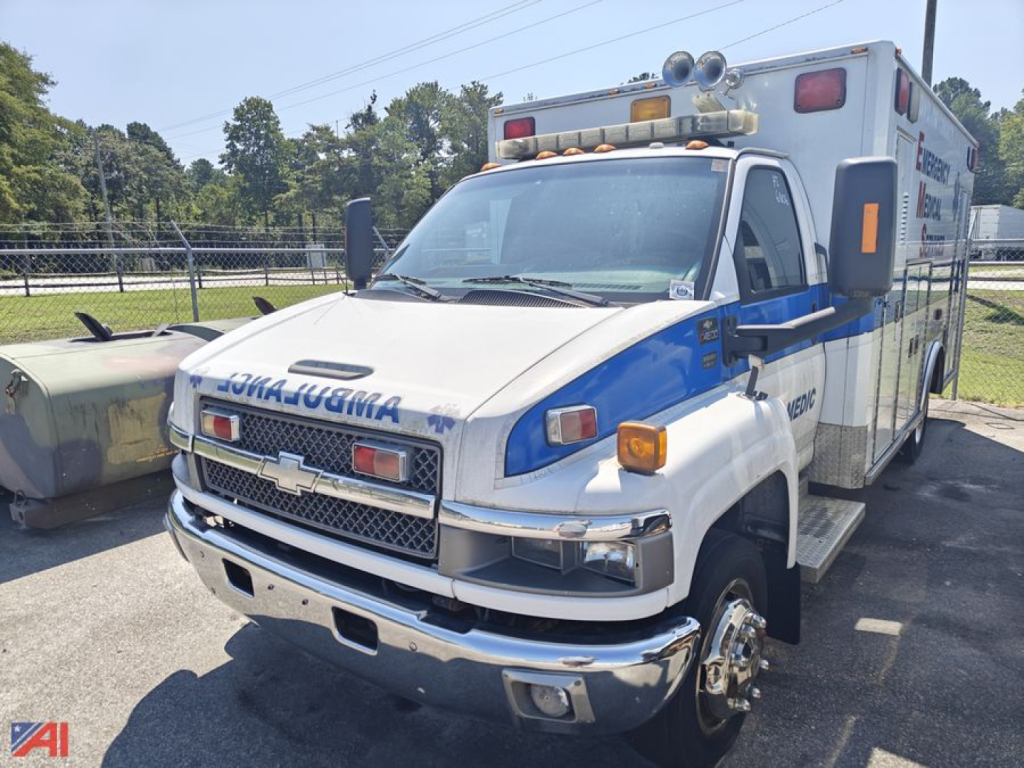
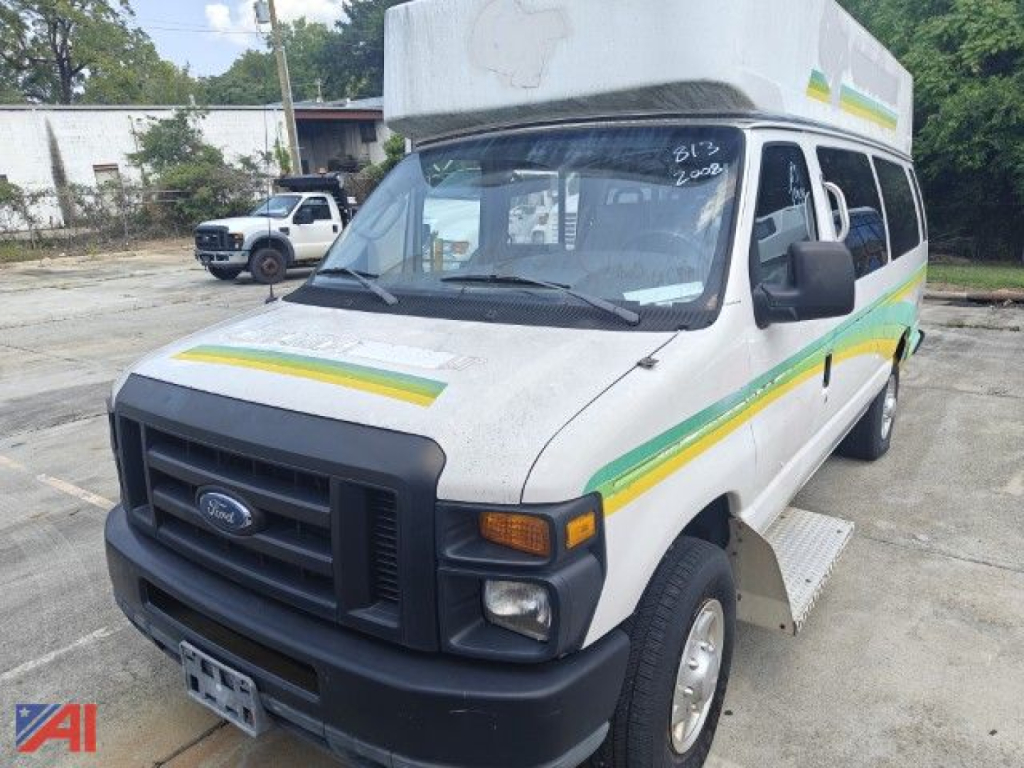
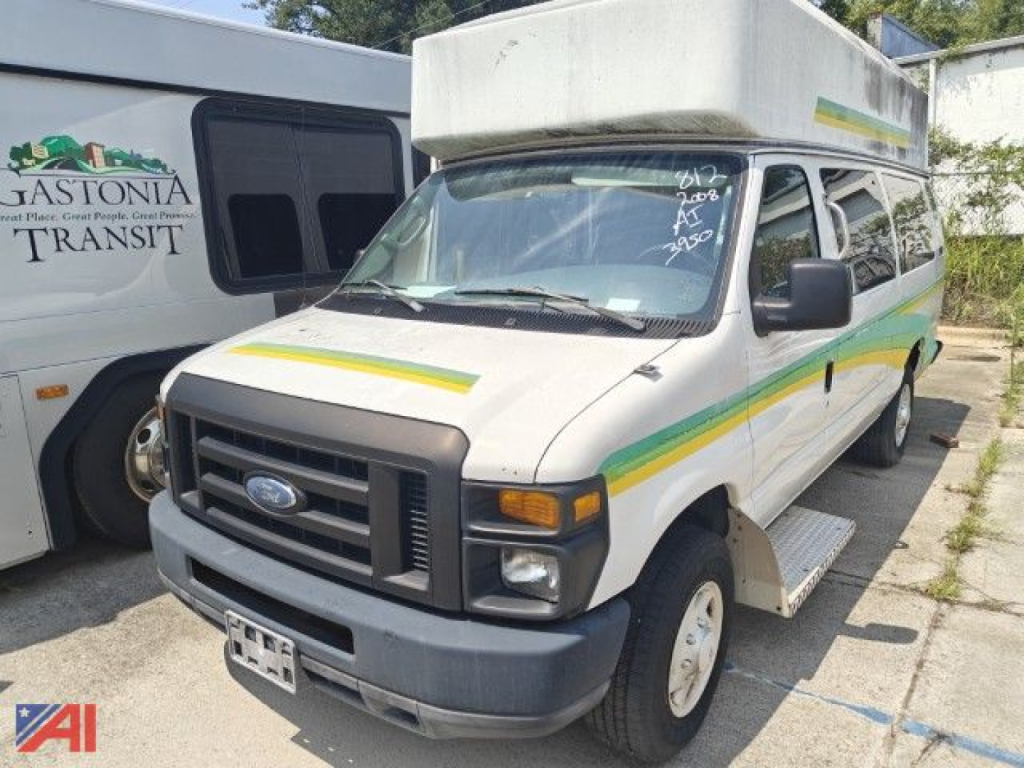
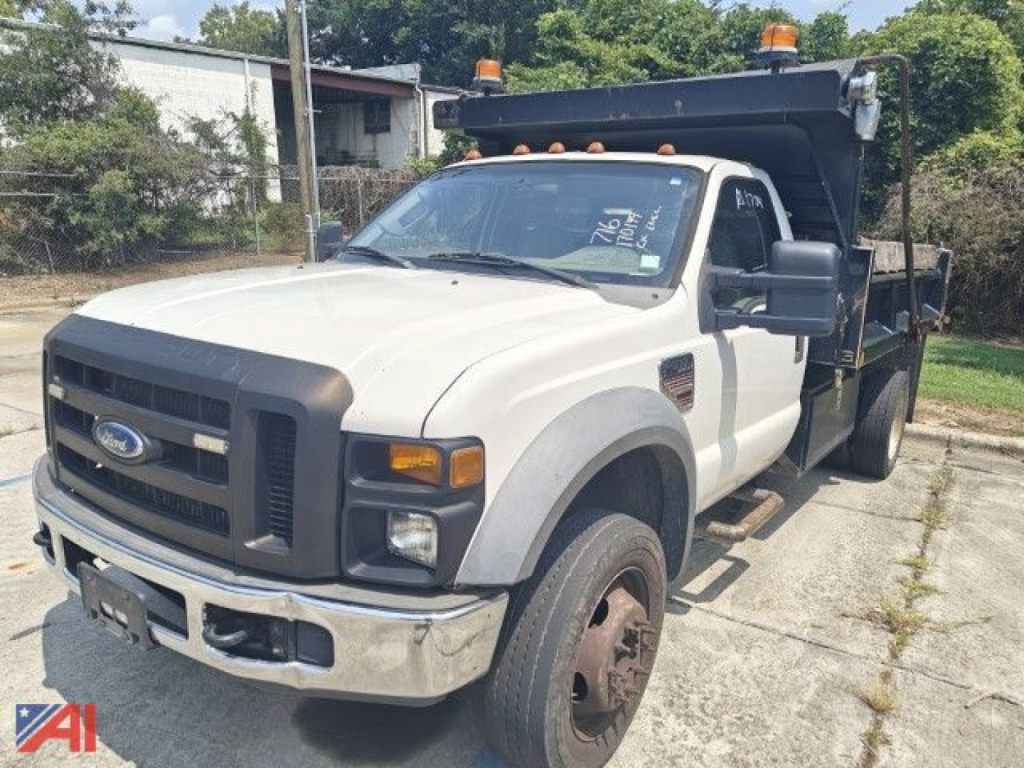
Have used 2008 commercial truck to sell? List it here to reach thousands of buyers.
Used 2008 Commercial Trucks in North Carolina
For on-road tractors, pay close attention to engine family, transmission type, rear axle ratio, wheelbase, and suspension. Many 2008 trucks fall into the early emissions-era conversation, so buyers should verify the exact EPA configuration, DPF system status, and service records for emissions components. Common drivetrain choices from this period include heavy-duty diesel platforms from Cummins, Detroit, CAT, International, Volvo, Mack, and PACCAR brands, paired with manual, automated manual, or automatic transmissions depending on the truck’s original duty cycle. If the truck will stay in regional lanes across North Carolina, fuel tank size, fairings, brake type, and 5th wheel setup matter as much as horsepower.
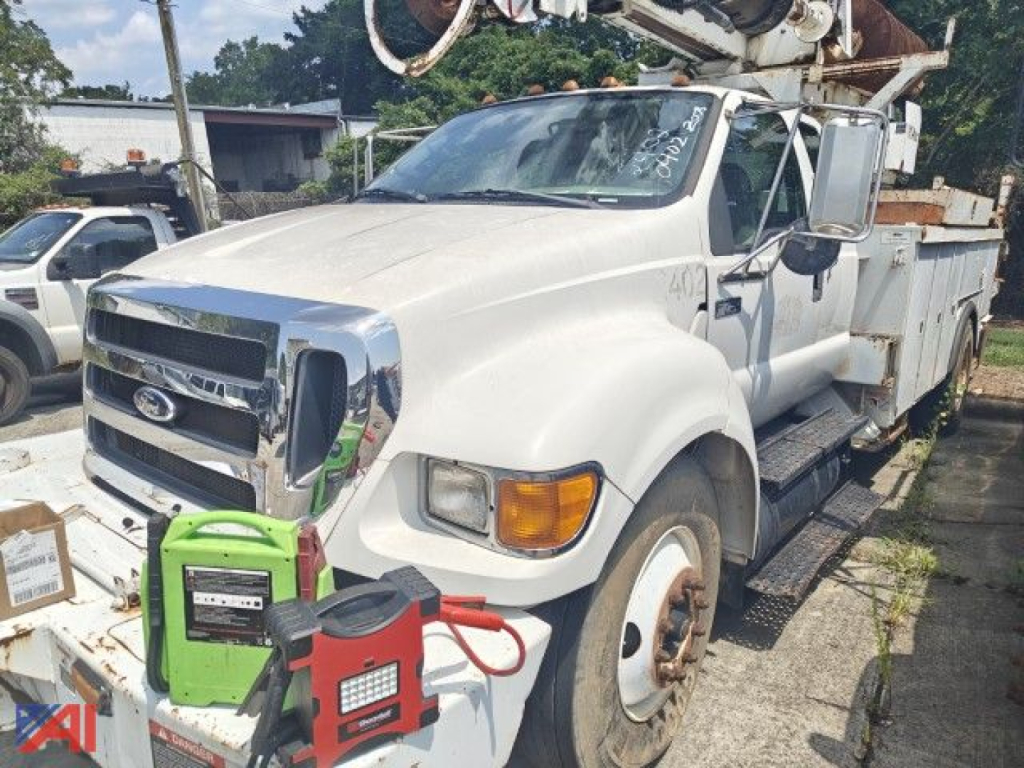
For straight trucks and vocational equipment, body condition and PTO-related systems often matter more than mileage. A 2008 box truck should be checked for floor wear, roof leaks, roll-up door condition, liftgate operation, and GVWR suitability for the freight being hauled. A 2008 bucket truck or utility body should be reviewed for boom hours, dielectric testing records, outrigger performance, hydraulic leaks, and chassis corrosion. Buyers working in construction, utility, landscape, paving, or municipal service should also confirm axle ratings, frame condition, and whether the truck has the right body length, storage layout, and hitch or towing capacity for the job.
North Carolina buyers should also consider where the truck spent its life and how it was used. Coastal exposure can accelerate corrosion, while city-route use can mean high idle hours, brake wear, and more wear on steering and suspension components. A strong used 2008 truck is usually one with documented maintenance, a clean title history, consistent tire wear, and a spec that fits the route and payload. When comparing listings, focus on engine hours, service history, tires, brakes, rust, body equipment condition, and how easily the truck can be put to work without major reconditioning.
Frequently Asked Questions about Used 2008 Commercial Trucks in North Carolina
What should I check first when buying a used 2008 truck?
Start with the truck’s intended application, then verify the major mechanical and legal items. Engine family, emissions system configuration, transmission type, axle ratings, wheelbase, and GVWR should all match the work the truck is expected to do. After that, review maintenance records, title status, tire condition, brake wear, suspension play, frame rust, and any signs of oil, coolant, or hydraulic leaks. On a 2008 model, documented service history is often one of the strongest indicators of remaining value.
Are 2008 trucks affected by emissions system concerns?
Yes. Many 2008 trucks fall into the early diesel particulate filter era, so emissions equipment deserves close inspection. Buyers should confirm whether the truck uses a DPF-only setup or another emissions configuration based on engine make and build date, and they should review repair history for regenerations, sensors, filters, and related components. A truck with unresolved emissions faults can quickly erase any upfront purchase savings through downtime and repair expense.
Is mileage the most important factor on a used 2008 truck?
No. Mileage matters, but it is only one part of the picture. Duty cycle, idle hours, maintenance history, prior ownership, and body or equipment condition are often just as important. A lower-mile truck that spent years in stop-and-go service or had poor maintenance can be a worse buy than a higher-mile truck with strong records and predictable highway use. On vocational trucks, PTO hours and equipment condition may matter more than chassis miles.
What types of used 2008 trucks are common in North Carolina?
North Carolina buyers commonly shop older day cabs, sleeper tractors, box trucks, utility trucks, bucket trucks, and other vocational chassis. The mix reflects the state’s freight, construction, municipal, agricultural, and utility sectors. Regional hauling around Charlotte, the Triad, Raleigh, and eastern North Carolina often drives demand for practical older trucks that can handle local or intrastate work without the cost of a newer unit.
How do I judge value on a used 2008 truck listing?
The best value is not always the lowest asking price. A fair listing usually reflects usable tire life, sound brakes, a clean-running engine, intact emissions components, minimal rust, and body equipment that does not need immediate repair. Compare listings by drivetrain spec, miles, hours, maintenance records, axle ratings, and overall reconditioning needs. A truck that can go to work quickly with limited downtime is generally worth more than a cheaper truck that needs major catch-up work.