
Used 2004 Trucks For Sale in Pennsylvania
Have used 2004 truck to sell? List it here to reach thousands of buyers.
Used 2004 Trucks in Pennsylvania
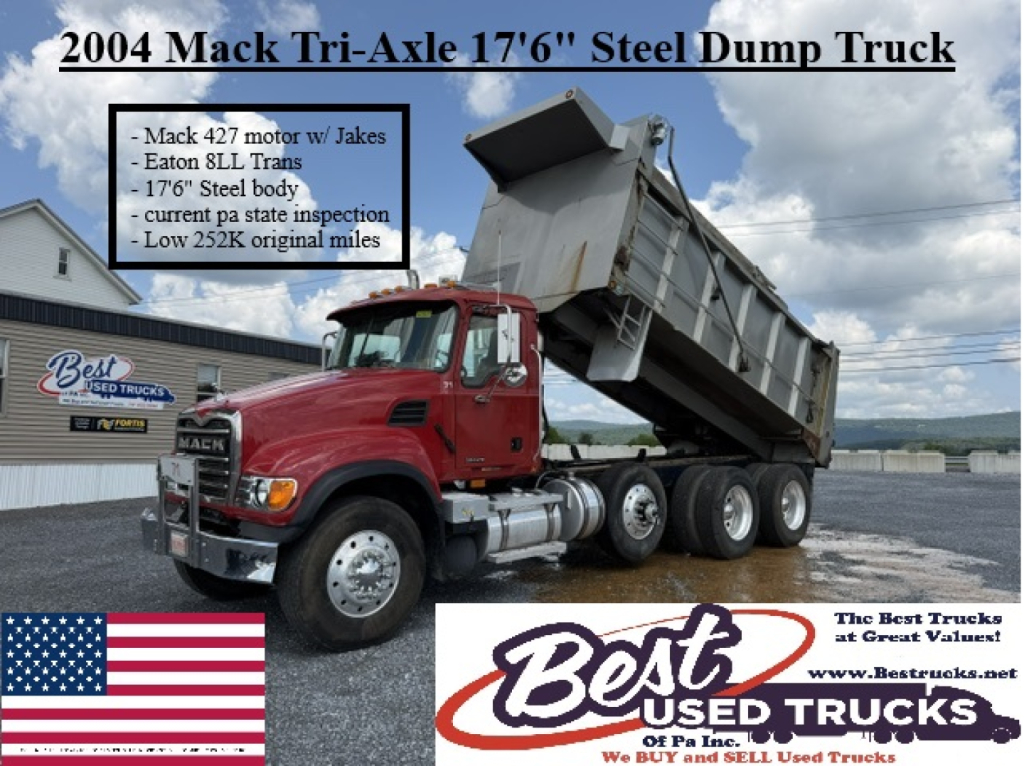
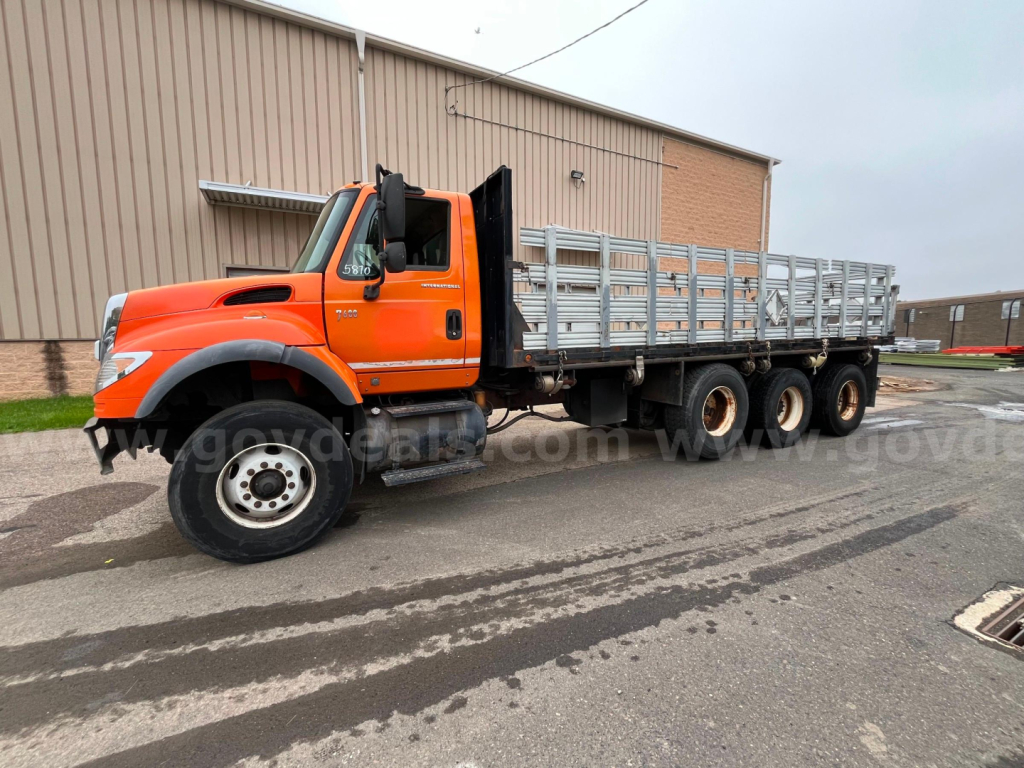
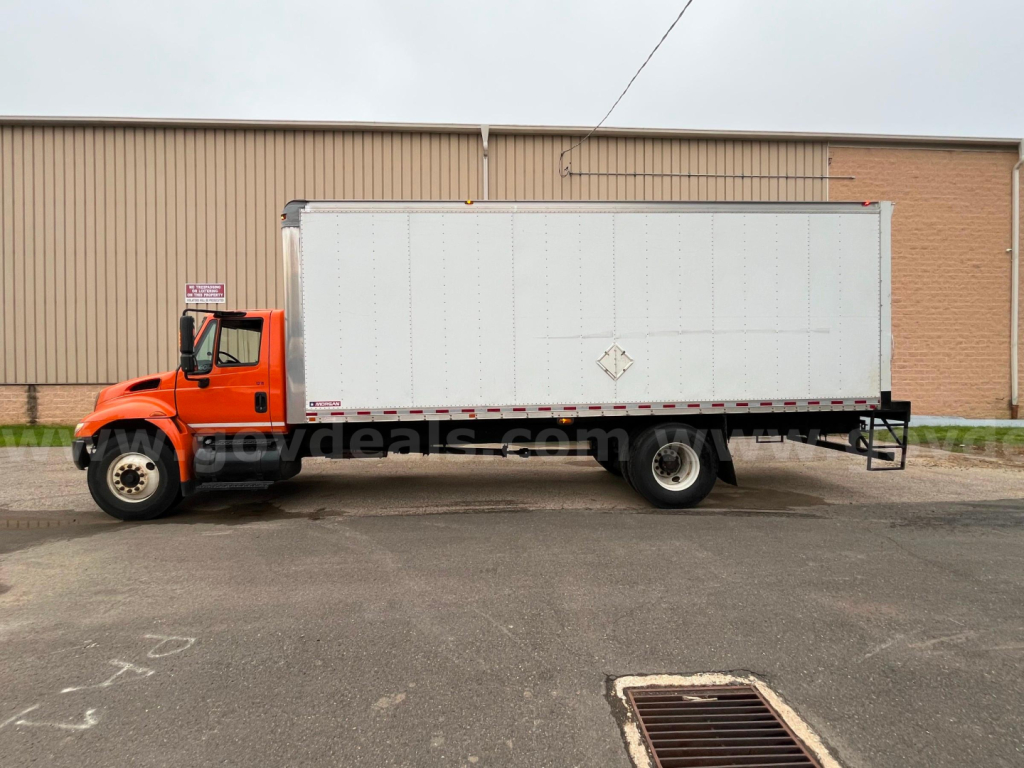
The spec decisions matter more than the badge on a 2004 truck. Start with engine family, transmission, rear ratio, axle ratings, and wheelbase because those determine what the truck can realistically do. A 10-speed or 13-speed manual is common in highway tractors from this period, while vocational trucks may have 8LL, 18-speed, or automatic-allison style setups depending on application. Tandem axle tractors usually carry 38,000 to 40,000 lb rears, and front axles often fall in the 12,000 to 13,200 lb range. Day cabs in Pennsylvania are often spec'd for local freight, dump, flatbed, tanker, or short regional lanes, while sleepers from this year are still viable for lower-mileage long-haul or dedicated lane work if the drivetrain, cab structure, and maintenance history are right. Pay close attention to 6x4 versus 6x2 configuration, suspension type, fifth wheel style, and tire size, since those details affect traction, payload setup, and operating cost.
Pennsylvania buyers should also look hard at rust, corrosion, and frame condition. Trucks that have spent years in the Northeast can show scaling on frames, crossmembers, cab mounts, battery boxes, brake hardware, and suspension components from winter road treatment. A good used 2004 truck should be evaluated underneath as closely as it is in the cab. Check for oil seepage, blow-by, service records, bushing wear, steering play, brake condition, air system leaks, and signs of prior frame or cab repairs. On road tractors, inspect the fifth wheel, slider rails, driveline, differential housings, and kingpin plate wear patterns. On vocational units, inspect PTO operation, hydraulic plumbing, hoist mounts, and body attachment points. Mileage matters, but maintenance discipline matters more on a truck that is now two decades old.
A well-chosen 2004 used truck can still be a cost-effective asset when the spec matches the job and the buyer accounts for reconditioning. Many buyers prefer this model year for straightforward serviceability, lower acquisition cost, and proven powertrain combinations that independent shops know well. The best candidates usually show consistent maintenance, sensible gearing, and component specs that match the intended route profile instead of being overbuilt or underbuilt for the work. If the truck will operate primarily in Pennsylvania, consider bridge law needs, terrain, winter traction, and parts support for the engine and transmission before making a final decision.
Frequently Asked Questions about Used 2004 Trucks in Pennsylvania
Are 2004 trucks considered pre-emissions?
Many 2004 trucks are attractive because they were built before the more complex emissions systems found on later model years, but the exact emissions configuration depends on the engine family and build date. Buyers should verify the engine serial number, emissions label, and original engine spec rather than assuming every 2004 truck is identical. That distinction affects maintenance cost, parts availability, and where the truck can be operated.
What should I inspect first on a used 2004 truck in Pennsylvania?
Start with frame condition, rust, drivetrain health, and maintenance records. Pennsylvania and other Northeast trucks often show corrosion from road salt, so check crossmembers, spring hangers, cab mounts, brake components, fuel tank straps, and wiring. After that, inspect engine blow-by, fluid leaks, transmission operation, differential noise, suspension wear, and air system performance. Cosmetic condition matters less than structural integrity and service history on a truck of this age.
What are common engine and transmission specs in 2004 trucks?
Common 2004 truck specs include Caterpillar, Cummins, Detroit, and Mack diesel engines paired with manual transmissions such as 10-speed, 13-speed, 18-speed, or vocational gearboxes like an 8LL. Horsepower can range from the low 300s in local or vocational setups to 430 hp and above in highway tractors. Rear axle ratios vary widely, and they should be matched to the truck's intended use, terrain, and cruise speed rather than judged on horsepower alone.
Is a 2004 day cab or sleeper better for my operation?
A day cab is usually the better choice for local delivery, dump, flatbed, tanker, and short regional work because it reduces weight, shortens wheelbase, and simplifies the truck. A sleeper makes more sense for dedicated lane work, overnight runs, or operations where driver comfort and onboard storage matter. On a used 2004 truck, the decision should also include cab condition, interior wear, and whether the wheelbase and fuel capacity fit the routes you plan to run.
Can a 2004 truck still be a good value for a small fleet or owner-operator?
Yes, if the truck has the right drivetrain, a sound frame, and a documented maintenance history. A 2004 truck can offer a lower entry cost and familiar mechanical systems that many independent repair shops can still service efficiently. The key is to budget for catch-up maintenance, inspect for corrosion and wear, and avoid buying purely on price without confirming that the truck's axle ratings, gearing, and configuration fit the intended job.