
Used 1999 Trucks For Sale in North Carolina
Browse used 1999 trucks for sale in North Carolina, including day cabs, sleepers, medium-duty, and vocational trucks with varied specs and applications.
Learn more

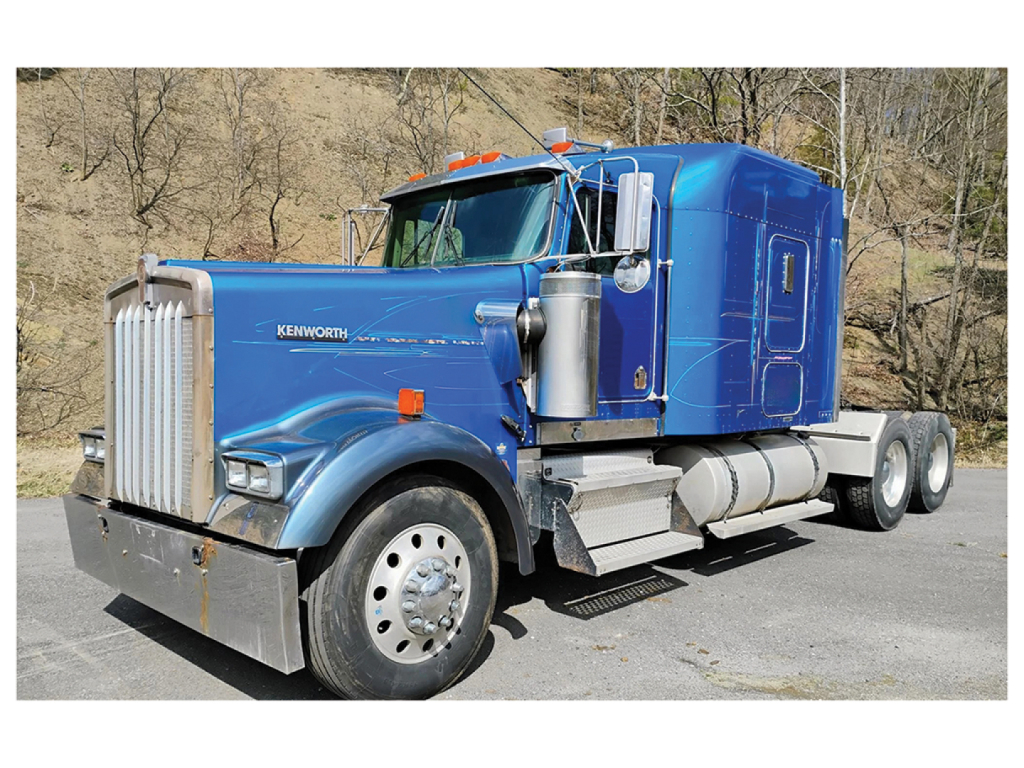
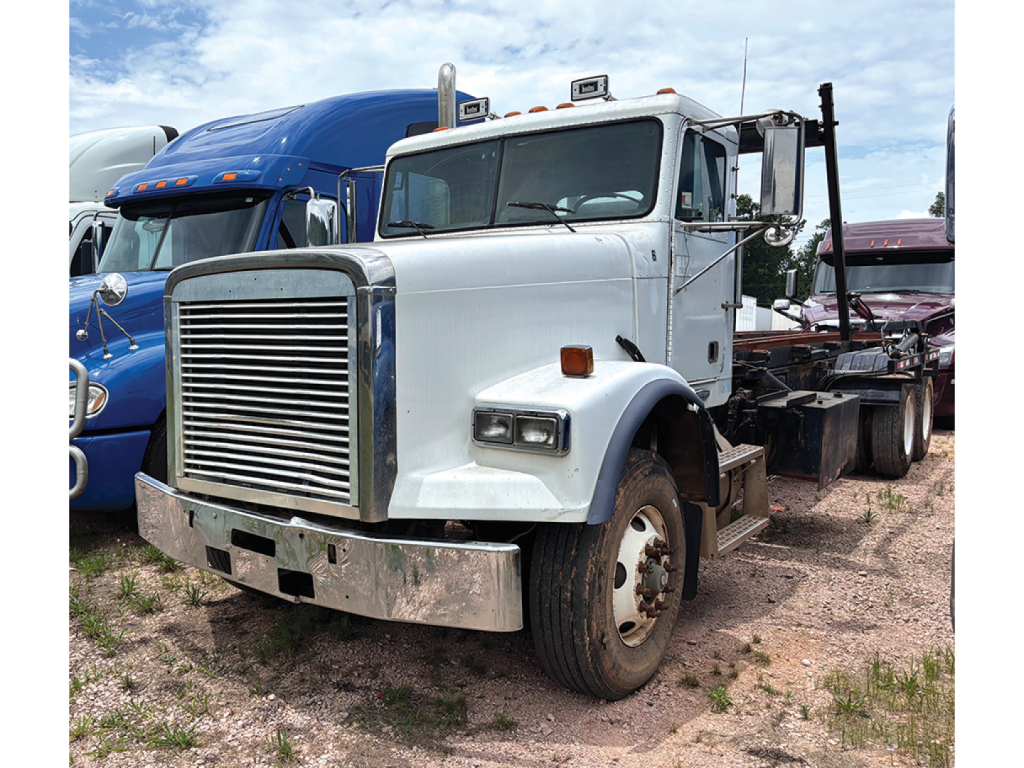
Have used 1999 truck to sell? List it here to reach thousands of buyers.
About Used 1999 Trucks in North Carolina
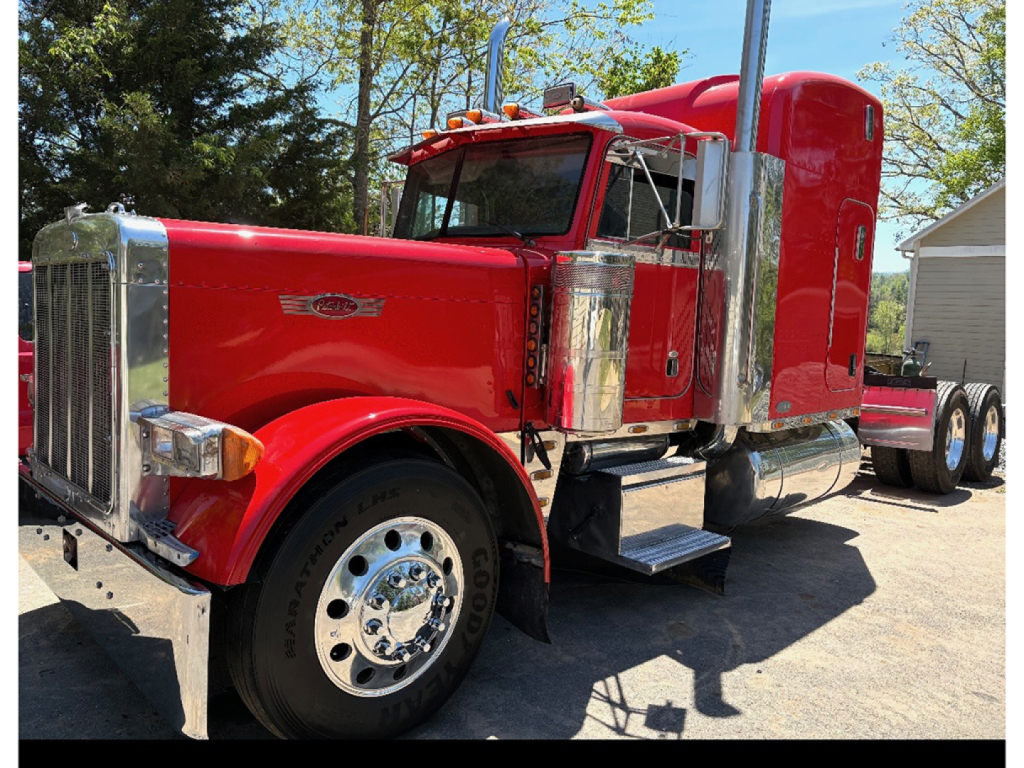
The biggest buying decision is usually application. A 1999 sleeper or day cab may be suited to short-haul freight, farm support, or private fleet work, while a cab and chassis can be the right starting point for a dump body, flatbed, rollback, service body, box, or tanker setup. If the truck already has a body or fifth wheel installed, check wheelbase, axle ratings, and overall spec before assuming it fits your lane. Engine horsepower, transmission type, rear axle ratio, and suspension setup matter more on an older truck because those specs will determine how well it handles gross weight, startability, fuel economy, and driver comfort. Common configurations in this age group include manual transmissions, tandem rear axles on highway trucks, and medium-duty single axle layouts for local delivery or municipal work.
Condition is everything on a used 1999 truck. Service records, engine rebuild history, clutch and driveline condition, brake wear, tire age, and the state of the cooling system can tell you more than the badge on the hood. On diesel trucks from this era, buyers should inspect for blow-by, oil and coolant contamination, injector or fuel system issues, and evidence of hard cold starts. Cab mounts, wiring repairs, air system leaks, and steering component wear are also common checkpoints. If the truck is intended for commercial operation in North Carolina or across state lines, confirm VIN accuracy, GVWR, axle ratings, and any registration or compliance requirements before purchase, especially if the unit has been repowered, stretched, or converted for a different job.
A well-bought 1999 truck is usually about fit and mechanical honesty. The best candidates are trucks with a clear vocational purpose, a spec that matches the load, and a condition level that supports the budget after purchase. Buyers comparing multiple used 1999 trucks should weigh immediate repair needs against acquisition cost, because an older low-priced truck can become expensive quickly if tires, brakes, suspension, and engine work all hit at once. When the chassis is solid and the drivetrain is right for the route, these trucks can still fill a practical role in regional, agricultural, and off-highway support fleets.
Frequently Asked Questions
What should I check first on a used 1999 truck?
Start with the frame, engine, transmission, suspension, brakes, and tires. On a 1999 truck, mechanical condition usually matters more than appearance because age-related wear can drive repair costs quickly. Look for rust, cracks, poor weld repairs, fluid leaks, excessive blow-by, hard shifting, steering play, and uneven tire wear. If maintenance records are available, they can help confirm whether major items like the clutch, injectors, cooling system, and brakes have already been addressed.
Are 1999 trucks good for daily commercial work?
They can be, but the answer depends on the application and the truck's condition. A 1999 truck is often better suited to short-haul, farm, construction, municipal, or seasonal work than high-mile over-the-road service. Older trucks can offer simpler mechanical systems and lower purchase cost, but they also carry more risk for downtime and parts replacement. Buyers should match the truck to realistic annual miles, payload, and route demands rather than expecting late-model performance and operating costs.
What engine and transmission setups are common in 1999 trucks?
Many 1999 trucks were built with mechanical or early electronic diesel engines paired with manual transmissions, especially in highway and vocational service. Depending on class and application, you may also see automatic transmissions in medium-duty trucks, tandem rear axles in sleeper and day cab tractors, and single axle setups in local delivery or utility work. The key is to confirm horsepower, torque, rear axle ratio, and transmission gearing so the truck can handle the intended gross weight and duty cycle.
Is a used 1999 cab and chassis a good platform for a body install?
It can be a cost-effective platform if the wheelbase, axle ratings, frame condition, and PTO compatibility fit the body you plan to mount. Buyers should verify that the frame has not been poorly altered and that the suspension and braking system can support the finished application. A 1999 cab and chassis can work for flatbeds, dumps, service bodies, box trucks, and other vocational uses, but the truck needs to be measured and spec'd correctly before installation work begins.
Why do buyers still look for pre-emissions era trucks like a 1999 model?
Many buyers value pre-emissions era trucks because they are generally simpler and can be easier to maintain without later aftertreatment systems. That simplicity can be attractive for farm fleets, owner-operators with in-house maintenance capability, and businesses using trucks in limited-duty roles. The tradeoff is age. Even without newer emissions components, a 1999 truck still needs careful inspection for engine wear, wiring issues, cooling system problems, and general chassis fatigue.