
Used Truck and Trailer Trucks For Sale
Guidance on used truck and trailer combos, focusing on floor strength, thermal integrity, tare weight, and corrosion resistance to reduce downtime.
Learn moreBrowse Truck and Trailer Trucks by Make

2022 Peterbilt 579
544,000 mi
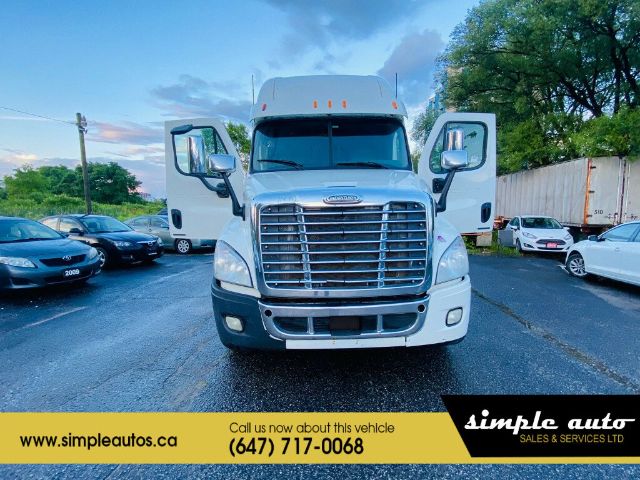
Showing 1 to 12 of 16 results
Have used truck and trailer truck to sell? List it here to reach thousands of buyers.
About Used Truck and Trailer Trucks
Floor strength determines loading speed and service life. On vans and reefers, confirm forklift floor rating, 18k to 24k is typical, crossmember spacing at 10 inches for heavy service, and the condition of hardwood or composite floors. Aluminum T floors in reefers should be tight with no soft spots or popped screws. Interior scuff liners at 12 to 24 inches in HDPE or laminated hardwood protect sidewalls from pallet impact, and logistics posts must be straight and secure. Flatbeds and stepdecks should list concentrated load rating, often 40k to 80k in 4 feet depending on beam design; inspect apitong or aluminum deck wear, rub rail integrity, stake pockets and pipe spools. Dump and live bottom trailers rely on floor plate hardness and liner condition to resist gouging under abrasive loads.
Thermal integrity is critical on refrigerated combinations. Foam in place insulation should be uniform with no delamination or water intrusion at roof seams and corners. Door seals, thermal breaks at thresholds and drain integrity prevent air leaks and ice buildup. Review reefer unit service records and hours, then run a pull down test to confirm setpoint and recovery under load. Smooth liners clean faster, duct floor airflow must be unobstructed, and gaps behind scuff liners can create cold loss and fuel waste. Inspect for corrosion beneath the T floor, at the bulkhead and along the nose rails where moisture accumulates.
Tare weight affects payload and fuel per mile. Aluminum rails, crossmembers, wheels, hubs and air tanks reduce weight, combo steel aluminum frames balance durability with savings. Wide base singles lower tare and rolling resistance, confirm tire support and policies on your routes. Aero aids like trailer skirts and tails plus roof fairings on tractors trim fuel burn at highway speed. Corrosion resistance sets long term cost, look for hot dipped galvanized subframes, stainless hinges and hardware, sealed 7 way harnesses with molded connectors, and intact undercoating around landing gear, slider boxes and ICC bumpers. Automated tire inflation systems, roll stability control and air disc brakes reduce risk and maintenance, and documented service on brakes, hubs, suspensions, kingpin and slider components usually saves more than it costs upfront.
Frequently Asked Questions
How do I confirm a tractor and trailer will scale legal on my lanes?
Map your typical payload and axle spacings, then verify kingpin setting, slider travel and wheelbase against bridge law and state rules. California’s 40 foot kingpin to rear axle limit, spread axle restrictions and local weight tolerances can change what is practical. Check fifth wheel position range to trim steer and drive loads, confirm tandem slide increments, and note deck height or fifth wheel height to maintain trailer attitude. A quick scale calculation with axle ratings, suspension GAWR and tire loads prevents surprises.
What floor specifications matter for palletized and forklift loading?
Look for a stamped forklift floor rating, 18k to 24k is common, and tighter crossmember spacing, 10 inches is heavy duty, under high traffic zones. Hardwood or composite van floors should be flat with tight fasteners and no edge cupping, while reefer T floors must be secure with no soft spots. Scuff liners at 12 to 24 inches in HDPE or laminated hardwood protect sidewalls from pallet abrasion. Threshold plates, rear sill welds and landing gear bracing should be sound to handle point loads during dock work.
How can I evaluate thermal performance on a used reefer trailer?
Start with a visual inspection of liners, seams and doors, then perform a pull down test from ambient to setpoint and monitor recovery after opening the doors. Check door seals, thermal breaks and drains for air leaks or ice paths. Review unit hours and service records, inspect condenser and evaporator cores, and verify defrost function. Use an infrared thermometer to spot cold bridging or delamination. Any insulation voids, crushed foam or gaps behind scuff liners will increase fuel use and reduce temperature stability.
What are effective ways to reduce tare weight without sacrificing durability?
Prioritize high impact items like aluminum wheels, hubs and air tanks, combo or aluminum trailer frames, and air disc brakes. Wide base singles can cut hundreds of pounds and rolling resistance, confirm fleet support and spare strategy. Choose apitong decks or reinforced aluminum where abrasion is moderate, and specify only the options you will use, such as lighter liftgates or fewer toolboxes. Balance weight savings with needed floor rating, crossmember spacing and rub rail protection to avoid premature wear.
What corrosion red flags should I watch for on used truck and trailer combinations?
Inspect the coupler plate and kingpin shoulder for pitting, the slider rails and crossmembers near the tandems for thinning, and landing gear feet and braces for scale. Look for bubbling paint around welds, greened connectors or broken loom on the 7 way harness, and galvanic corrosion where steel meets aluminum. On reefers, check under the T floor and at the nose rails for oxidation. Preference for galvanized subframes, stainless hinges and sealed harnesses improves service life in magnesium chloride regions.