
Used Peterbilt Truck and Trailer Trucks For Sale
Browse used Peterbilt truck and trailer units, including 379, 387, 389, and 579 models for long-haul, reefer, and owner-operator work.
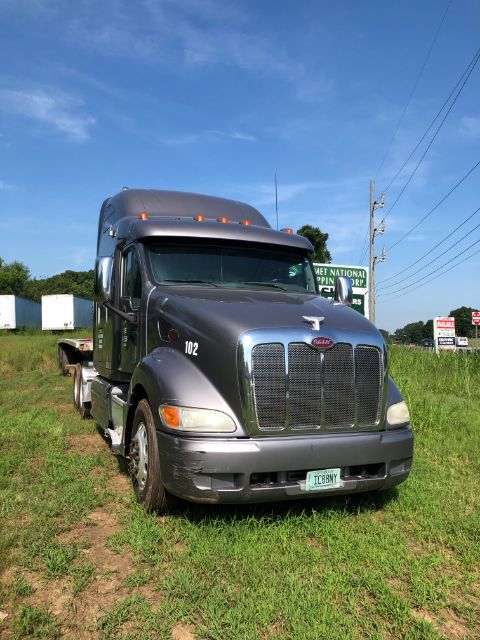

Selling a used peterbilt truck and trailer truck? List your used peterbilt truck and trailer truck for sale and reach thousands of commercial buyers.
Used Peterbilt Truck and Trailer Trucks
The drivetrain is where most used Peterbilt decisions are made. Common engines in this class include PACCAR MX-13, Cummins X15, and Caterpillar C15 or 6NZ in older long-hood trucks. Horsepower often falls in the 455 to 550 range, with transmissions ranging from 12-speed automated manuals to 13-speed and 18-speed Eaton Fuller manuals. Rear axle ratios such as 3.25 or 3.36 can tell you a lot about the truck's intended use, including fuel mileage versus pulling performance. Suspension specs also matter. Peterbilt Flex Air is common on highway units and is generally well regarded for ride quality. For buyers looking at a truck and trailer combination, wheelbase, fuel capacity, and axle configuration should be checked against trailer swing clearance, bridge law needs, and the loads you plan to haul.
On used equipment, condition details are more important than badge loyalty. Look closely at overhaul history, emissions system service, clutch age, transmission work, and whether maintenance records are available from Peterbilt dealers or independent shops. For newer emissions-era trucks, ask about DPF cleaning, sensor replacement, forced regens, and software history. For older 379 or 389 trucks with CAT power, verify the quality and documentation of any inframe or platinum overhaul, along with rear-end, power divider, and cooling system work. Tire percentage, brake percentage, drum or rotor condition, and clear title status are basic checkpoints, but a serious buyer should also confirm ECM mileage, idle hours, APU operation, and any recent work on injectors, turbo, aftertreatment, or suspension components.
Cab and sleeper spec can make a major difference in resale and day-to-day usability. Many used Peterbilt highway tractors in this category include premium interiors, factory refrigerators, inverters, bunk heaters, and aluminum wheel packages. Those details matter for retention, driver comfort, and downtime reduction on over-the-road runs. If the truck is being sold with a trailer, inspect the trailer with the same discipline as the tractor. Reefer hours, compressor history, floor condition, tire and brake life, and temperature performance are all critical. A well-matched used Peterbilt truck and trailer package can be a cost-effective way to enter the market or expand a small fleet, but the best value usually comes from verified maintenance history and a spec that fits the freight lane, not just a clean exterior or popular model number.
Frequently Asked Questions about Used Peterbilt Truck and Trailer Trucks
What is the difference between a Peterbilt 379 or 389 and a Peterbilt 579 in the used market?
The 379 and 389 are traditional long-hood Peterbilts that are popular with owner-operators who want classic styling, larger engine options, and manual transmission specs such as 13-speed or 18-speed setups. The 579 is an aerodynamic highway tractor designed for lower fuel consumption, modern sleeper amenities, and easier integration into fleet maintenance programs. In practical terms, buyers usually choose a 379 or 389 for image, service access, and heavy-spec drivetrains, while the 579 is more commonly selected for over-the-road freight efficiency and newer cab technology.
What should I inspect first on a used Peterbilt truck and trailer package?
Start with the powertrain and maintenance records on the tractor, then inspect the trailer as a separate revenue-producing asset. On the truck, verify engine make, horsepower, transmission type, axle ratio, emissions service history, and any overhaul or clutch work. On the trailer, check VIN and title status, tire and brake condition, structural integrity, and if it is a reefer, confirm unit hours, service records, and temperature pull-down performance. A package deal only makes sense if both pieces are mechanically sound and properly matched for the freight you plan to haul.
Are automated transmissions common in used Peterbilt truck and trailer units?
Yes. Many newer Peterbilt 579 units are equipped with automated manual or auto-shift transmissions, especially when paired with PACCAR MX-13 engines. These setups can reduce driver fatigue and help with fuel economy consistency, particularly in over-the-road service. Older Peterbilt 379 and 389 trucks are more likely to have manual 13-speed or 18-speed transmissions, which remain popular for buyers who want more direct control over shift points and performance under load.
Is a used Peterbilt with a reefer trailer a good owner-operator setup?
It can be, provided both the tractor and reefer trailer have documented service history and the reefer unit is in strong operating condition. A reefer setup gives access to temperature-controlled freight and can improve load opportunities, but it also adds maintenance costs for the refrigeration unit, trailer structure, and fuel system. Buyers should confirm reefer hours, compressor history, recent service, and the trailer's ability to hold setpoint under load. The tractor should also be spec'd for the lane and weight profile typical in refrigerated freight.
What engine options are most common in used Peterbilt truck and trailer listings?
Common engine options include the PACCAR MX-13, Cummins X15, and older Caterpillar engines such as the C15 or 6NZ in pre-emissions or legacy-style trucks. The right engine depends on your priorities. MX-13 engines are common in newer aerodynamic Peterbilts and are often paired with automated transmissions. Cummins X15 engines have broad parts and service support and are widely accepted in long-haul applications. Older Caterpillar-powered Peterbilts remain desirable in the owner-operator market, especially when overhaul documentation is strong and the drivetrain has been maintained properly.