
Tow Trucks For Sale
Shop tow trucks for sale: rollback carriers, light to heavy wreckers, rotators. Compare capacities, chassis specs, hydraulics, and options to match your jobs.
Learn moreBrowse Tow Trucks by Make
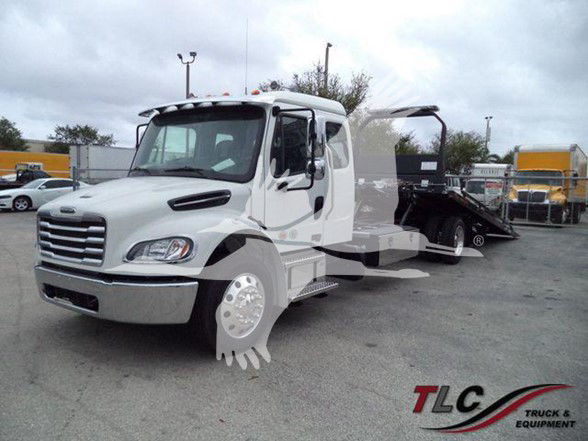
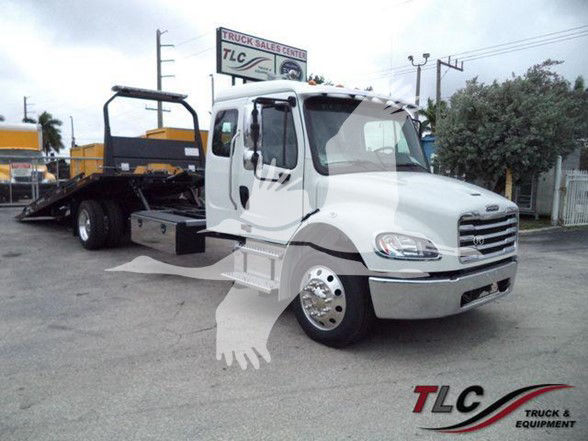
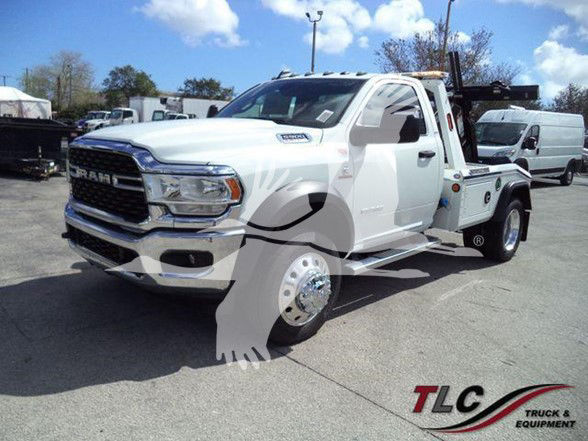
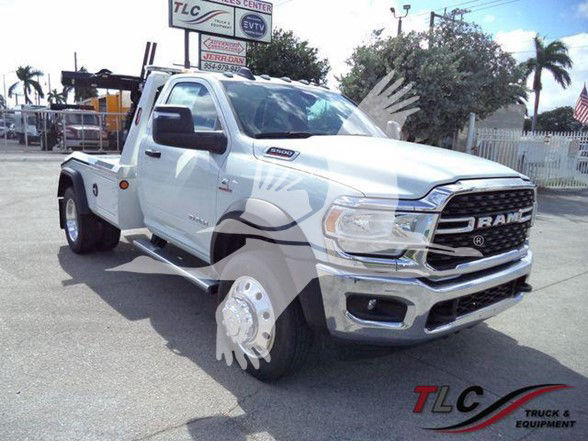
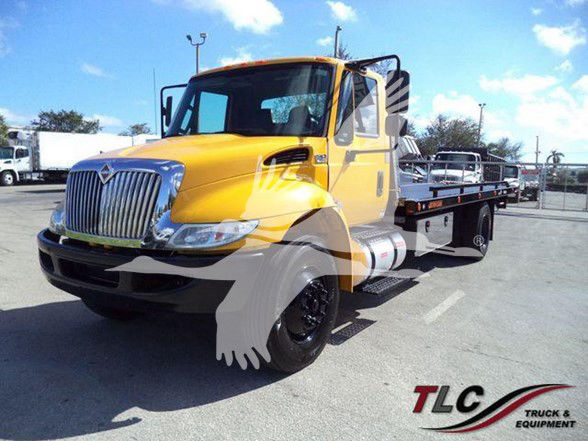
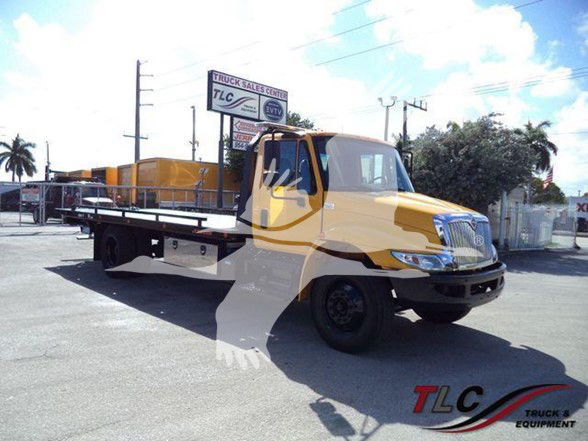
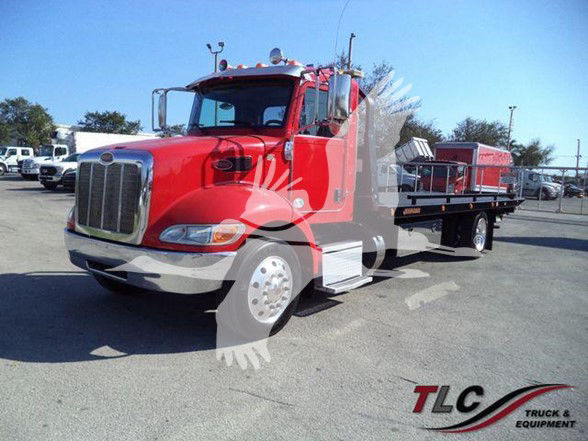
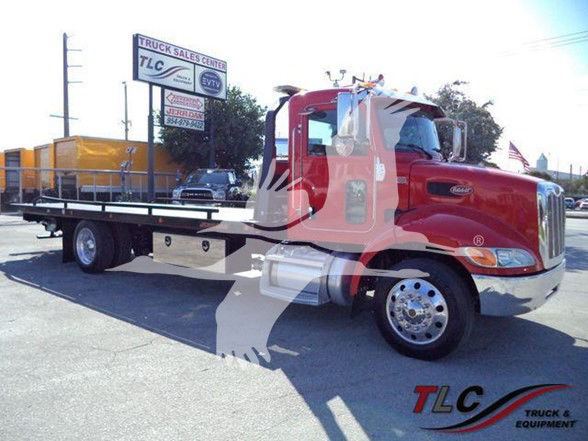
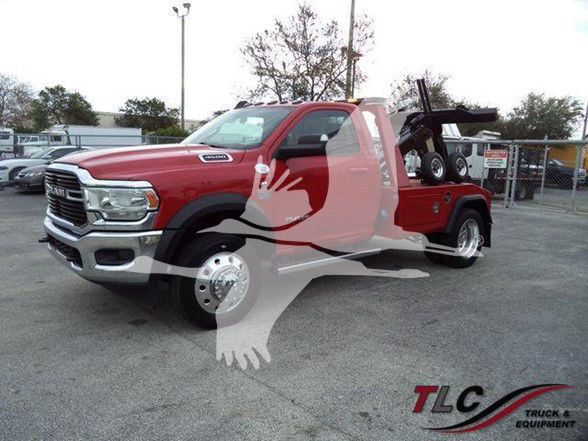
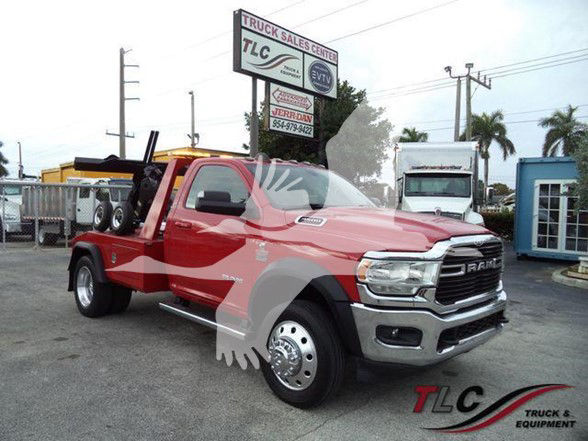
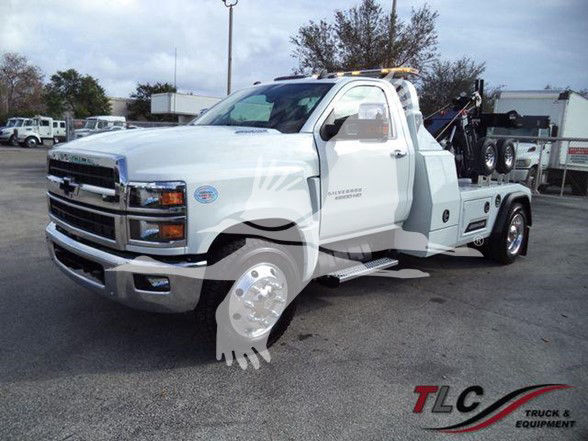
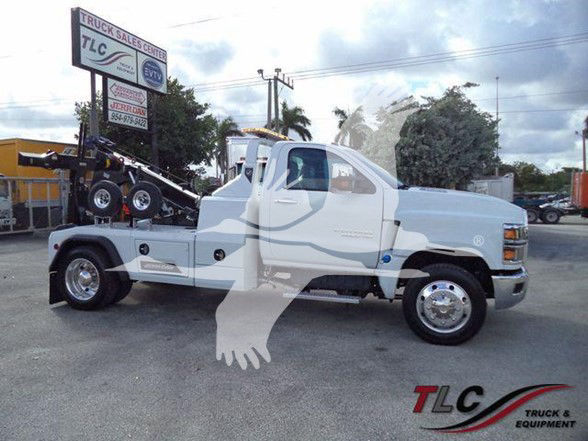
Showing 73 to 84 of 252 results
Have tow truck to sell? List it here to reach thousands of buyers.
About Tow Trucks
The chassis spec drives capability and operating cost. Class 4 to 5 carriers and light wreckers on 16 to 19.5k GVWR frames are nimble for city PPI and dealer work. Class 6 to 7 at 19.5 to 33k GVWR adds axle capacity for toolboxes, dollies and heavier tows without pushing legal axle weights. Class 8 heavy wreckers use 40k plus rear axles, often tri-drive or tandem with lift axle, full air brakes and 22.5 tires. Engine choices range from high-torque gas V8s in light duty to 6.7L to 9L diesels in medium duty and 13L plus in heavy duty. Match transmission to PTO needs. Allison 2200 to 3000 Series automatics with hot-shift PTOs are common for reliable hydraulic flow at low road speed. Short wheelbases help with alley access, but longer wheelbases improve carrier deck stability and tool space. In snow states, 4x4 light duty carriers and aggressive axle ratios help with traction. Air ride improves ride and can lower deck load angle, while leaf spring packs are simple and durable for curb hopping.
Body and hydraulic features determine speed and safety on scene. Carriers typically run 19 to 22 foot decks at 96 to 102 inches wide. Steel decks are durable and cost effective, aluminum decks save weight and resist corrosion, and low center of gravity designs reduce load angle for low-clearance cars. Winches on carriers are commonly 8k to 12k with 3/8 in wire or synthetic rope and 75 to 100 ft capacity. Wreckers focus on underlift geometry and boom strength. Look at retracted and extended ratings, tilt cylinders, crossbar width, L-arms and fork options for frames and axles. Side puller systems add off-axis recovery without a rotator. Hydraulics can be PTO driven or clutch pump with priority valves, 10 to 20 gpm flow and adequate reservoir cooling for long duty cycles. Wireless remotes, LED flood and beacon packages, traffic advisor bars, air and electric tow packages, wheel dollies and 8 point tie-down kits increase uptime and operator safety.
Plan for compliance and real-world wear. CDL needs typically start at 26,001 GVWR or higher GCWR. Air brakes, passenger capacity and for-hire rules vary by state, so verify licensing, insurance and weight distribution with your typical load mix. For rust belt use, stainless toolboxes, sealed harnesses and aluminum or galvanized subframes reduce corrosion. When evaluating used units, check deck crossmembers, bed rails and rub rails for bends, underlift pivot pins and bushings for play, boom welds for cracks, cylinder rods and hoses for leaks, winch brake function and cable condition, PTO engagement and hydraulic filter service records. Review PTO and idle hours in addition to odometer miles. Proper chassis-to-body weight distribution and correct rear gear ratio will pay back daily in legal axle weights, braking stability and fuel spend.
Frequently Asked Questions
What is the difference between a rollback carrier and a wrecker?
A rollback carrier, or flatbed tow truck, loads the entire vehicle onto a tilting deck. It is ideal for AWD, low-clearance and damage-sensitive transports. A wrecker uses an underlift and sometimes a boom to lift by the wheels or axle and tow on the vehicle’s own tires. Wreckers are faster for short tows, recoveries and parallel-parked pickups. Integrated wreckers combine boom and underlift for higher stability and quicker setup, while rotators add a slewing boom for complex recoveries.
How do I choose towing and recovery capacity?
Match underlift retracted and extended ratings to the front or rear axle weight of what you tow most often. For light duty passenger vehicles, a 3,000 to 5,000 pound extended rating with an 8,000 to 12,000 pound winch is common. Medium duty fleets that tow box trucks and RVs often step to 10,000 to 20,000 pound winches and stronger frames. Heavy duty highway recovery typically needs dual 20,000 to 50,000 pound winches, higher boom ratings, outriggers and sometimes a 35 to 75 ton rotator. Always consider axle weights, wheelbase, frame strength and legal limits, not just the headline rating.
Which chassis specs matter most for tow truck work?
Focus on GVWR and axle ratings for legal payload, wheelbase for body fit and stability, engine torque for launch on grades, and transmission compatibility with a hot-shift PTO. Choose axle ratios that balance low-speed pulling with highway cruise rpm. Air brakes and air ride improve control on heavier units. In snow and rural routes, 4x4 on light duty carriers and limited-slip differentials help with traction. Verify CA/CT dimensions against the body builder book for proper axle load distribution and departure angle.
Should I choose steel or aluminum for a carrier deck and toolboxes?
Steel is rugged, easier to repair and usually lower cost, but it adds weight and needs diligent corrosion control. Aluminum saves several hundred pounds for more payload and resists rust, which is valuable in salt regions, but it can be more expensive and may be slick when wet without proper tread. Many buyers pair aluminum decks with stainless or aluminum toolboxes to maximize corrosion resistance and payload, while selecting steel subframes for impact durability.
What should I inspect on a used tow truck before buying?
Look beyond the odometer. Inspect the bed or wrecker subframe for cracks, deck crossmembers for rust or deflection, underlift pivots and pins for wear, boom welds and sheaves, winch operation and brake, and cable or synthetic line condition. Cycle all hydraulics under load and check for leaks or slow movement. Verify PTO engagement, pump noise, filter dates and reservoir cleanliness. Review PTO and idle hours, not just miles. Confirm axle weights with the body installed, check lighting and controller functions, and examine wiring and toolboxes for corrosion, especially in salt states.