
Ram Tow Trucks For Sale
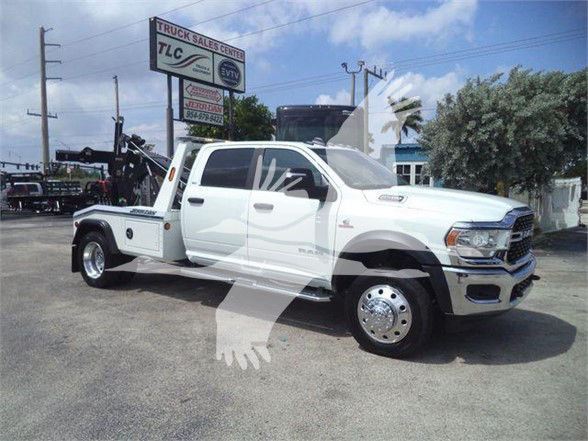
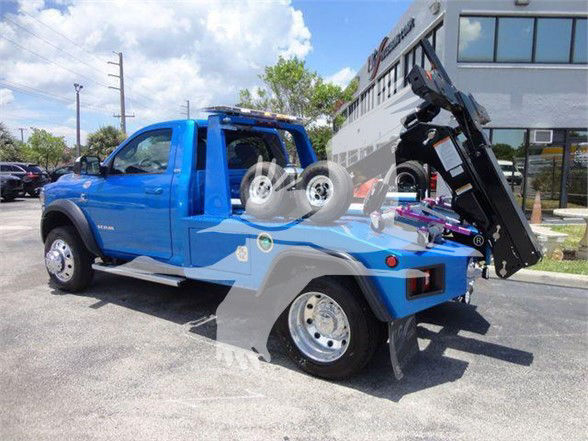
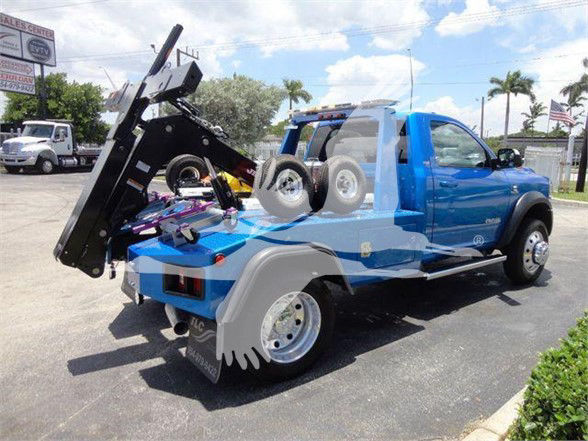
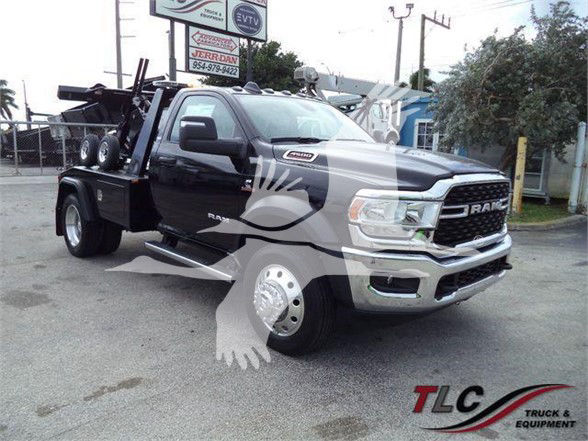
Showing 25 to 37 of 37 results
Have ram tow truck to sell? List it here to reach thousands of buyers.
Ram Tow Trucks
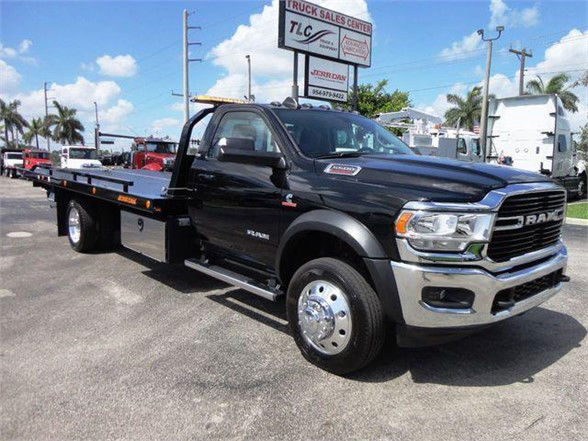
The biggest spec decision is usually 4500 versus 5500, followed by 4x2 versus 4x4. A Ram 4500 tow truck is often a strong fit for standard light-duty towing where lower curb weight and tighter turning characteristics matter. A Ram 5500 adds GVWR, rear axle capacity, and more margin for heavier pickups, SUVs, and body upfit weight. Four-wheel drive is valuable for snow-belt operators, unpaved lots, steep driveways, and rural recovery work, while 4x2 trucks can be simpler and lighter for metro fleets focused on pavement use. Many Ram wreckers in this class run spring suspension, single rear axle setups, and diesel engines paired with automatic transmissions for easier driver training and stop-and-go operation.
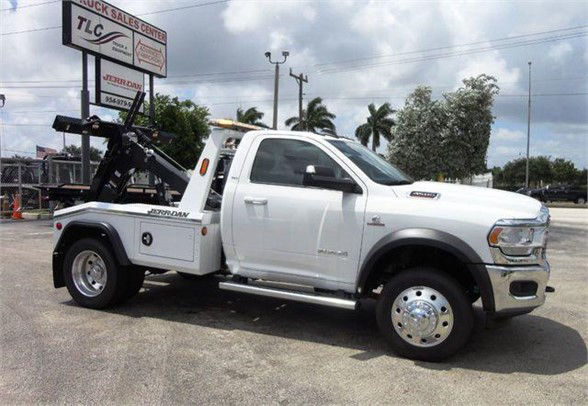
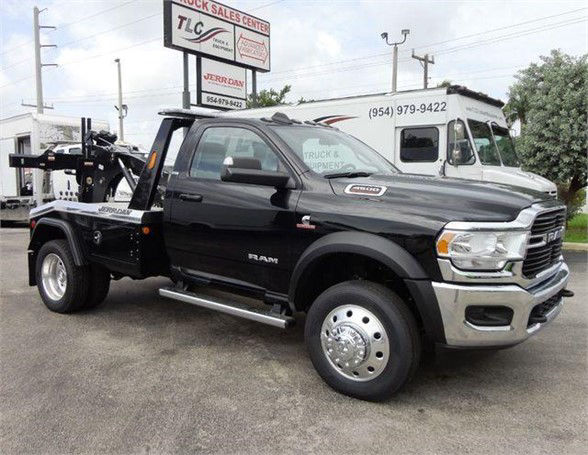
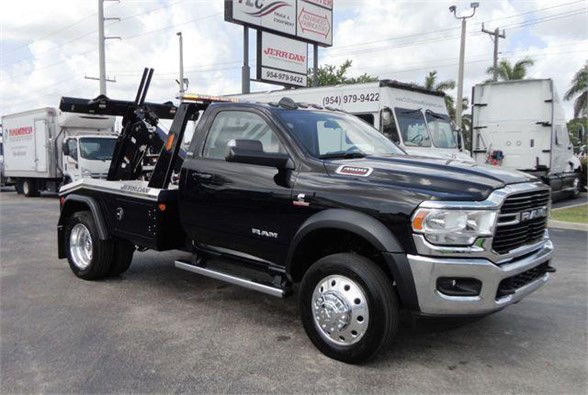
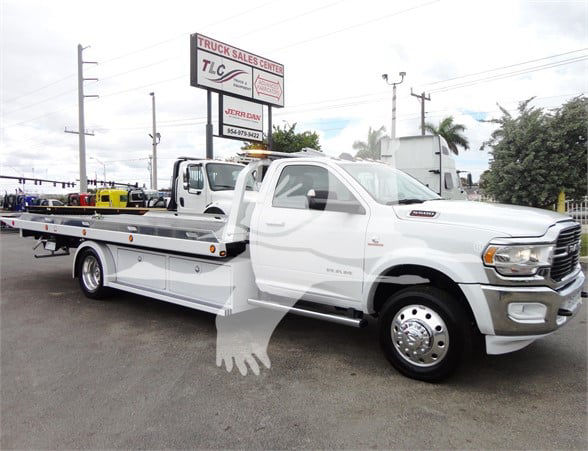
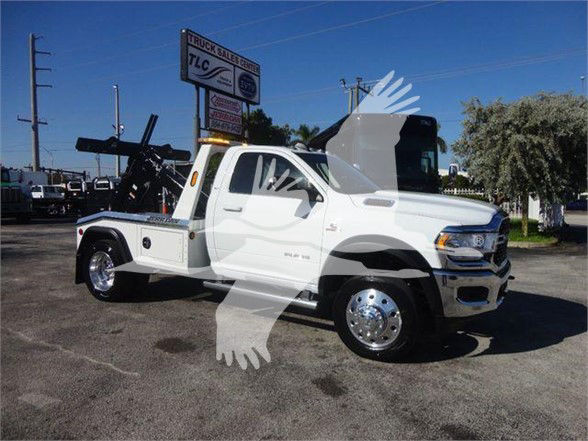
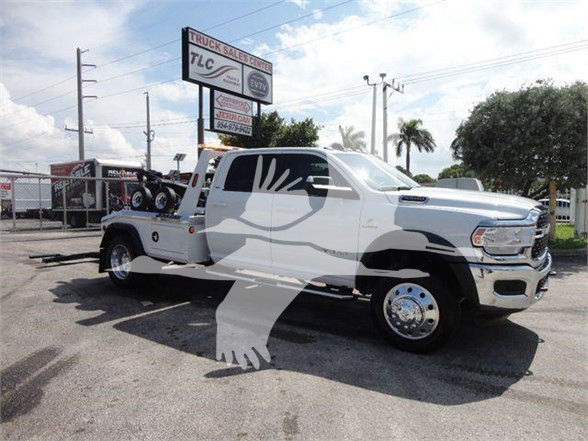
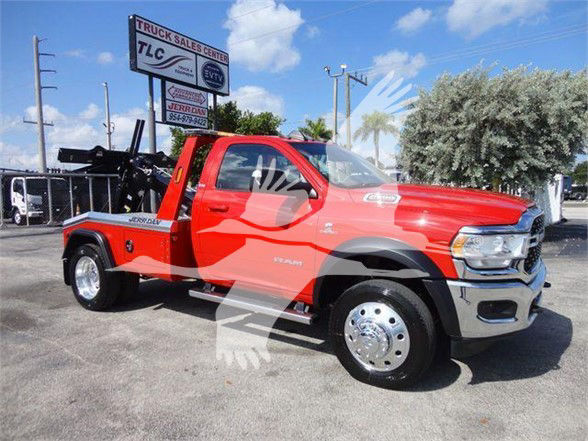
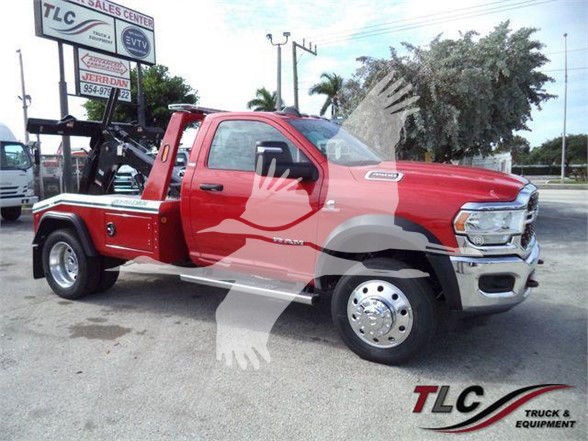
On the body side, buyers will frequently see Jerr-Dan self-loader packages such as MPL or similar light-duty wrecker bodies. Common equipment includes an 8,000-lb drag winch, wheel-lift, safety chains, tow straps, work lights, amber LED light bars, dollies, and storage for go-jacks or towing accessories. Some builds add dual drag winches, recovery booms, rear D-rings, Line-X-coated decks, backup cameras, or upgraded lighting. What matters most is matching the body configuration to your call mix. A repo-focused truck may prioritize fast hookup, dollies, and compact dimensions. A higher-volume service and recovery operation may want more winch capacity, better scene lighting, and a heavier-spec 5500 chassis with a crew cab for added personnel capacity.
A careful buyer should look beyond the body and confirm the full chassis-upfit integration. Check rear axle rating, wheelbase, PTO setup, suspension support, brake spec, tire load range, and how the body weight affects payload and front axle loading. Review wheel-lift ratings, boom ratings, and whether the truck is configured for your state and local towing rules, including lighting, tie-down equipment, and safety gear. On used Ram tow trucks, pay close attention to idle hours, transmission behavior, front-end wear, frame condition around the upfit mounts, electrical quality on the light and control systems, and service history for the diesel emissions system. A well-matched Ram 4500 or 5500 wrecker can be a highly productive truck in the light-duty towing market when the chassis, body, and operating environment are aligned.
Frequently Asked Questions about Ram Tow Trucks
What is the difference between a Ram 4500 tow truck and a Ram 5500 tow truck?
The main difference is chassis capacity. A Ram 5500 generally offers higher GVWR, more rear axle capacity, and more margin for a heavier self-loader body, extra tools, dollies, and frequent towing of larger pickups or SUVs. A Ram 4500 is often better suited to lighter-duty work where maneuverability, lower overall weight, and a more compact feel are priorities. Buyers should compare axle ratings, wheelbase, body weight, and intended towed vehicle mix rather than choosing by model number alone.
Is 4x4 worth it on a Ram tow truck?
For many operators, 4x4 is worth the added cost if the truck will work in snow, gravel lots, unpaved storage yards, steep grades, or rural service areas. It can improve traction during recovery and reduce the chance of getting stuck while loading a vehicle. A 4x2 Ram tow truck can still be the right fit for urban and suburban fleets that stay on pavement, want lower acquisition cost, and prefer a slightly lighter chassis. The best choice depends on route conditions and weather exposure.
What towing equipment is commonly found on Ram self-loader wreckers?
Most Ram self-loader tow trucks in this class are equipped with a wheel-lift, an 8,000-lb class drag winch or dual drag winches, safety chains, wheel-lift straps, tow socks, dollies, work lights, and amber warning lights. Some units include go-jack mounts, rear D-rings, recovery booms, backup cameras, and additional storage. The exact equipment package matters because it affects hookup speed, versatility, and how well the truck handles impounds, repossessions, roadside service, and light recovery calls.
What should I inspect on a used Ram tow truck?
Start with the chassis and the upfit together. Inspect frame rails and body mounting points for cracks, corrosion, or poor installation work. Check the wheel-lift, boom, winches, hydraulic functions, and lighting controls for smooth operation. On the truck itself, review engine hours if available, transmission shift quality, front suspension wear, brake condition, tire load rating, and maintenance records. For diesel models, emissions system history is important, especially on trucks with extensive idling and stop-and-go service use.
Are Ram tow trucks good for repo and parking enforcement work?
Yes. Ram 4500 and 5500 self-loader wreckers are commonly used for repossession and parking enforcement because they combine a relatively compact chassis with fast hookup capability. A self-loader body lets the operator secure and lift a vehicle quickly, which is important in tight spaces and time-sensitive calls. Buyers doing this type of work should focus on turning radius, body length, lighting, dolly storage, camera visibility, and wheel-lift setup to keep the truck efficient in confined environments.