
2016 Peterbilt Tow Trucks For Sale in Florida
Shop 2016 Peterbilt tow trucks for sale in Florida. Compare rollback and wrecker specs, GVWR, wheelbase, carriers, and towing setup.
Learn more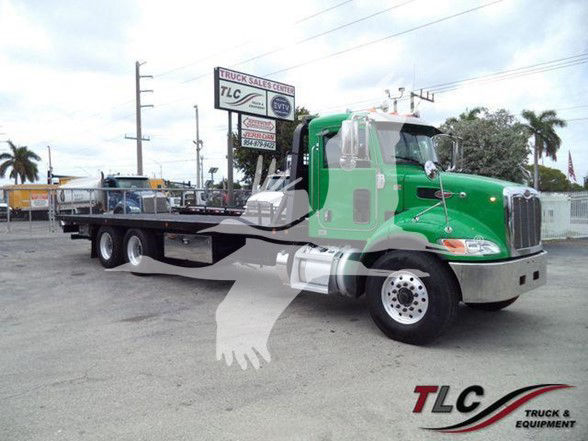
Have 2016 peterbilt tow truck to sell? List it here to reach thousands of buyers.
About 2016 Peterbilt Tow Trucks in Florida
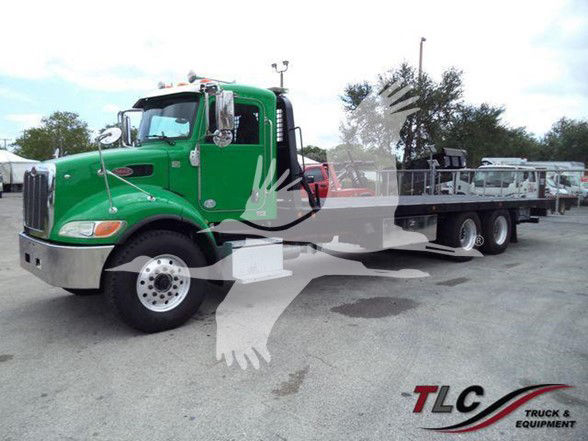
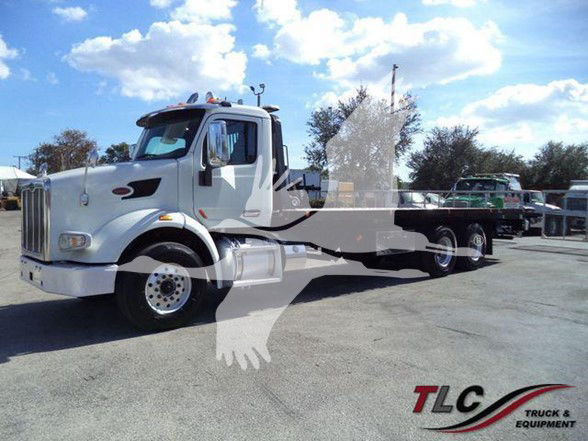
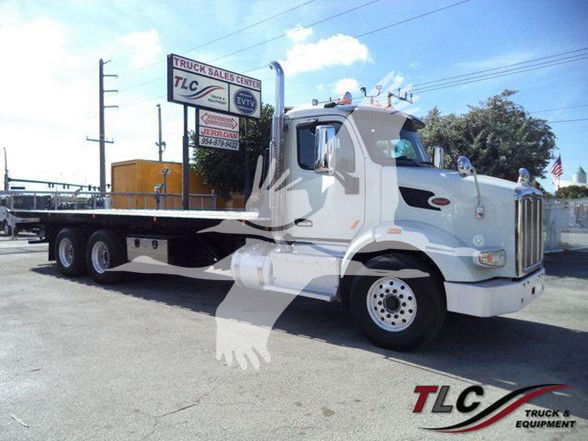
For rollback work, the key decisions are deck length, deck width, wheel-lift rating, and wheelbase. A 22-foot by 102-inch steel or aluminum carrier is common on Peterbilt tow trucks because it gives good coverage for standard passenger vehicles, pickups, and some commercial units without making the truck overly cumbersome in urban recovery work. Low-profile and low center-of-gravity carrier designs help with loading clearance on lowered vehicles. Many buyers also look for an 8,000-pound winch, removable side rails, wireless controls, and a 3,500-pound wheel lift with L-arms, since those features improve versatility on repossessions, accident recovery, and multi-stop transport work.
Powertrain on a 2016 Peterbilt tow truck often centers around the Cummins PX-7 paired with an Allison automatic transmission. That combination is popular because it is straightforward to operate, well supported, and suited to repeated stop-and-go towing duty. Air brakes and air ride suspension are common on better-spec trucks, and they matter in daily service because they improve braking feel under load and can help ride quality for the chassis and body. In Florida, corrosion exposure is generally different from northern salt-belt markets, but buyers should still inspect the carrier subframe, deck crossmembers, hydraulic lines, wheel-lift structure, and toolbox floors for rust, prior repairs, or hard-use fatigue. A clean-looking cab does not always tell the full story on a tow truck.
For buyers comparing 2016 Peterbilt tow trucks, body brand and upfit quality are just as important as engine and mileage. Look closely at hydraulic operation speed, PTO engagement, bed slide function, deck tilt geometry, beacon and work-light layout, tie-down storage, and overall weight distribution from cab to axle. A longer cab-to-axle setup can improve balance on a rollback and help keep front axle loading in check when carrying heavier vehicles. Peterbilt remains a strong choice in this category because of driver comfort, visibility, and resale appeal, but the right truck is the one whose carrier spec, axle ratings, and service history match the kind of towing you actually do.
Frequently Asked Questions
What is the most common 2016 Peterbilt tow truck configuration?
The most common 2016 Peterbilt tow truck setup is a Peterbilt 337 chassis with a 22-foot rollback carrier. Many are equipped with a low-profile steel bed, an 8,000-pound winch, and a wheel lift rated around 3,500 pounds. This configuration is widely used for vehicle transport, light recovery, dealer moves, and general roadside towing because it balances capacity, maneuverability, and operator familiarity.
What should I inspect on a used 2016 Peterbilt rollback tow truck?
The most important inspection points are the carrier body, hydraulics, and frame integration. Check the bed floor, crossmembers, tilt cylinders, slide rails, PTO operation, hydraulic leaks, winch function, wheel-lift wear, and signs of frame stress near mounting points. On the chassis side, verify engine service records, Allison transmission performance, brake condition, suspension wear, tire age, and any axle loading issues caused by an improper body and wheelbase combination.
Is a 26,000 GVWR 2016 Peterbilt tow truck enough for everyday towing work?
For many light-duty towing businesses, a 26,000 GVWR Peterbilt rollback is a practical and common choice. It is well suited for cars, SUVs, pickups, and many service fleet vehicles. The actual usable capacity depends on the body weight, wheel-lift equipment, toolboxes, fuel, and the truck's axle ratings, so GVWR alone does not tell the whole story. Buyers should review the door sticker, body tag, and scaled axle weights if available.
Why does wheelbase matter on a 2016 Peterbilt tow truck?
Wheelbase affects weight distribution, ride quality, turning radius, and how well the carrier body works with the chassis. On a rollback, a longer wheelbase or cab-to-axle dimension can improve balance when a vehicle is loaded on the deck, especially near the front of the carrier. If the truck is too short for the body installed, front axle weight and handling can become less favorable. Matching the carrier length to the correct chassis dimensions is a major buying decision.
Are 2016 Peterbilt tow trucks good for Florida operators?
A 2016 Peterbilt tow truck can be a strong fit for Florida because medium-duty rollbacks are useful in high-traffic urban corridors, tourism-heavy markets, and year-round roadside service work. Buyers in Florida should pay attention to cooling system condition, air conditioning performance, sun-related interior wear, and any corrosion from coastal exposure. Lighting packages, storage layout, and fast hydraulic response can also matter more in high-volume dispatch environments where quick load times are important.