
New Tow Trucks For Sale in Florida
New tow trucks for sale in Florida, including wreckers, self-loaders, and rollback carriers with diesel power and towing-ready upfits.
Learn moreBrowse Tow Trucks by Make
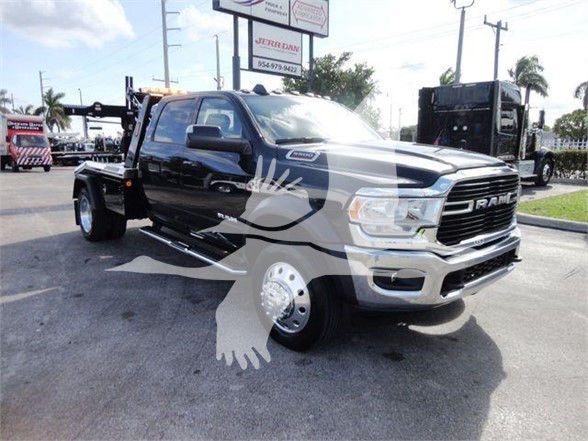
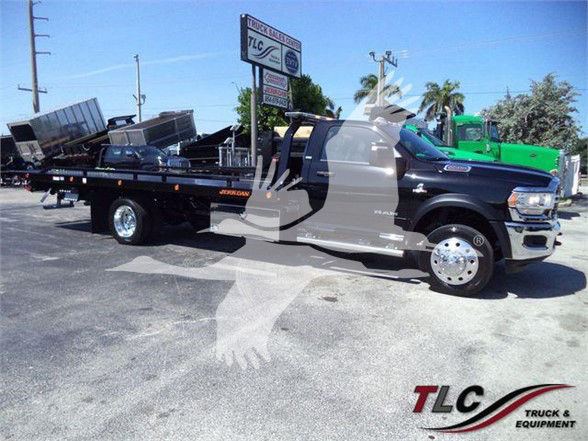
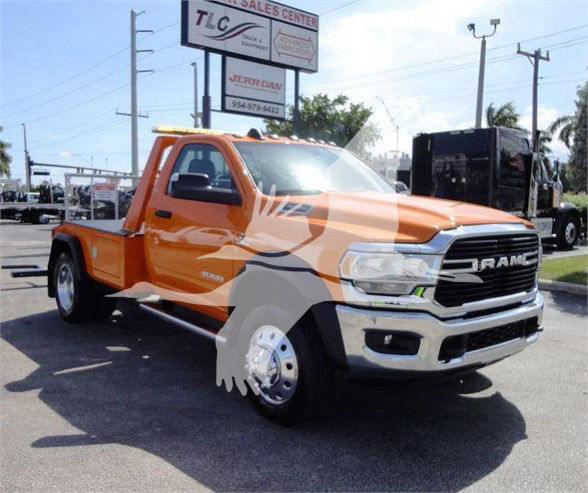
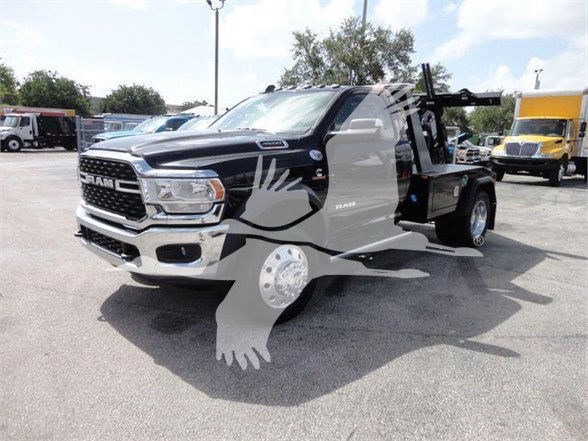
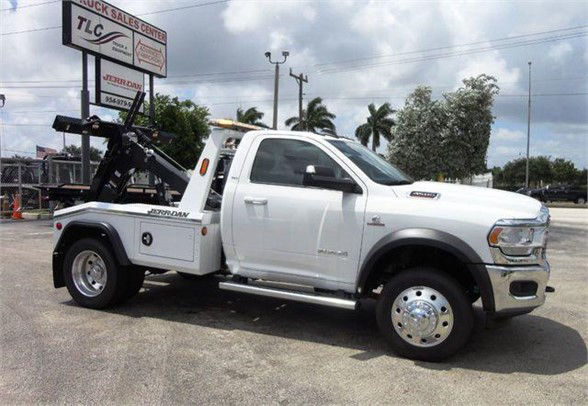
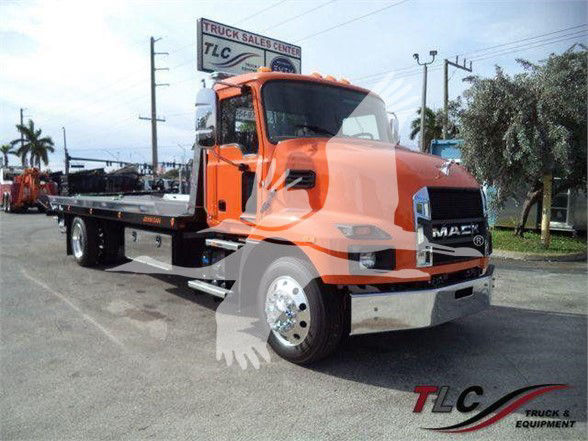
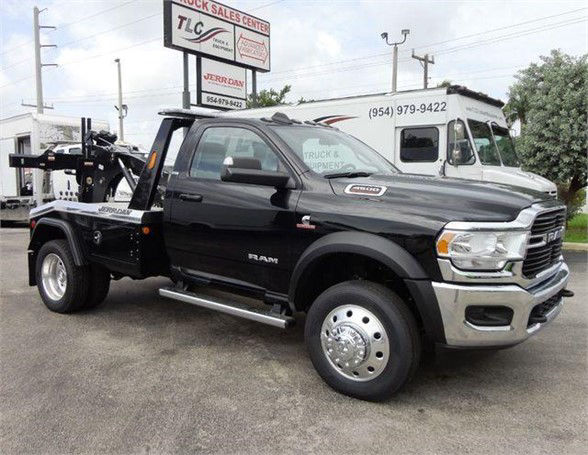
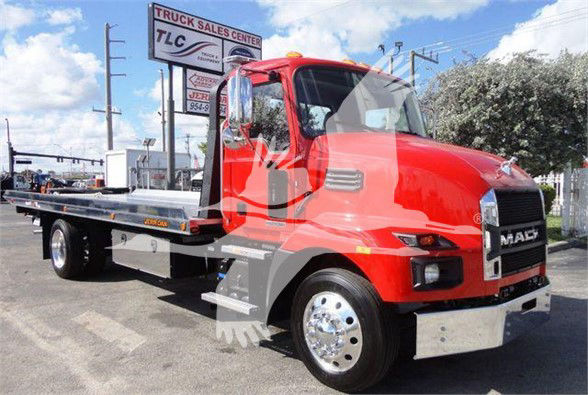
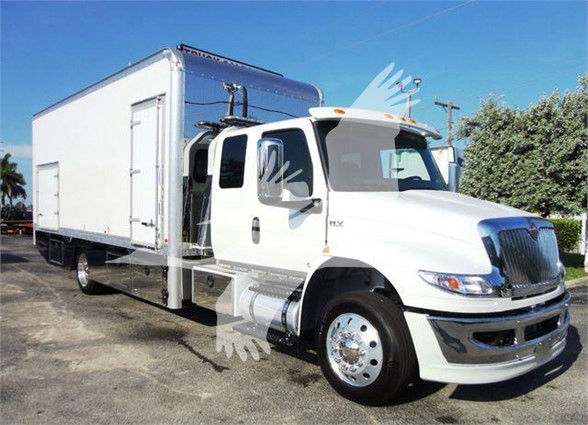
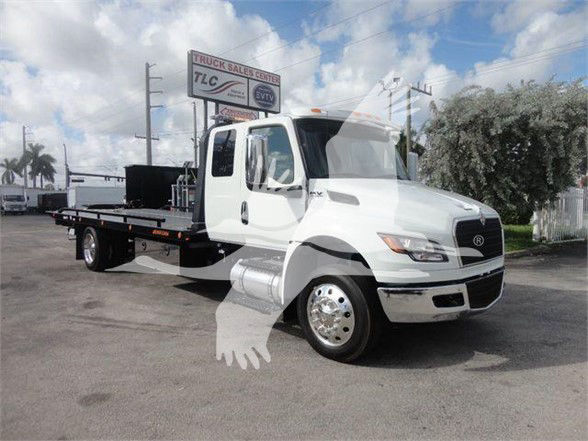
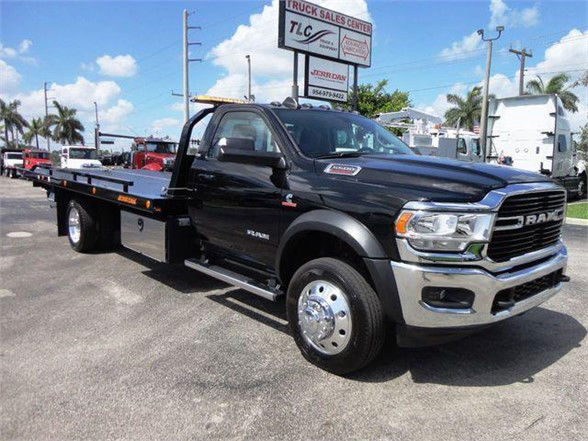
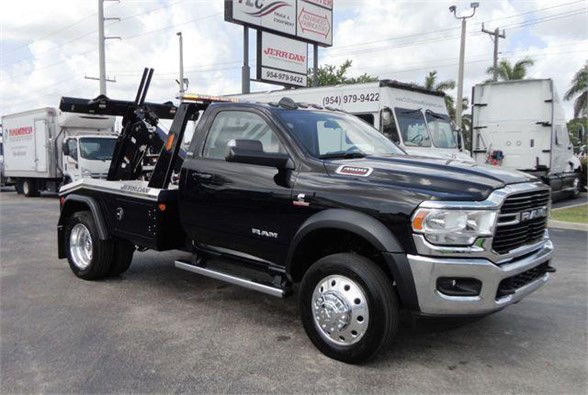
Showing 121 to 132 of 182 results
Have new tow truck to sell? List it here to reach thousands of buyers.
About New Tow Trucks in Florida
The first buying decision is usually body style. A self-loader or autoloader wrecker is built for speed and efficiency on short-hook jobs, impounds, and private property towing. These trucks typically use hydraulic wheel-lifts, L-arms, drag winches, and recovery booms, with many light-duty units rated around 8,000 lb on the winch side and designed for quick one-operator service. A rollback, also known as a car carrier or flatbed tow truck, adds deck length and loading versatility. Decks in this category commonly run 19 to 22 feet on Class 4 through Class 7 chassis, with extra-low-profile designs helping reduce approach angle for low-clearance cars. Heavier industrial transporters can stretch to 28 feet and move forklifts, small machines, or larger commercial units where straight towing is not the best option.
Chassis and capacity matter as much as the body. Light-duty tow trucks are often built on 19,500 to 26,000 GVWR platforms with diesel engines from Cummins or Duramax, Allison automatic transmissions, and either hydraulic or air-brake systems depending on class. Buyers comparing rollback carriers should look closely at deck material, wheel-lift rating, winch capacity, and usable deck width. Aluminum decks save weight and can improve payload, while steel bodies may appeal to operators who prioritize long-term durability in high-contact service. On heavier tandem-axle carriers, wood or steel transporter decks, 20,000 lb winches, pintle hitches, rear air connections, and dock stabilizers are common when the truck will move equipment rather than just disabled vehicles.
Equipment details separate a basic tow truck from one that is ready for daily revenue work. Useful features include wireless remotes, LED light bars, rear and lower work lights, backup cameras, toolbox storage, blade rails, safety chains, tow straps, dollies, and wheel-lift accessories. In Florida, corrosion resistance, cooling performance, and visibility equipment deserve extra attention because of heat, humidity, rain, and coastal exposure. A buyer should also confirm axle ratings, wheelbase, front overhang, body manufacturer support, and how the truck is spec'd for the intended mix of police towing, roadside service, recovery, or vehicle transport. The best new tow truck is the one matched to the job count, vehicle mix, and operating radius, not just the highest published towing number.
Frequently Asked Questions
What is the difference between a tow truck wrecker and a rollback carrier?
A wrecker uses a wheel-lift, boom, and winch system to lift and tow a vehicle with two wheels on the ground or supported at the lift point. It is typically faster for short-distance towing, impounds, and tight urban recoveries. A rollback carrier, also called a flatbed tow truck or car carrier, loads the entire vehicle onto a tilting deck. That makes it better for all-wheel-drive vehicles, damaged vehicles, low-clearance cars, and longer-distance transport where full deck loading reduces driveline and tire concerns.
What GVWR is typical for a new light-duty tow truck?
Many new light-duty tow trucks are built on chassis rated from about 19,500 to 26,000 GVWR. That range is common for Ram 4500 and 5500, Silverado 5500HD, International CV, and medium-duty Peterbilt or similar platforms used for self-loaders and rollback carriers. The right GVWR depends on body weight, wheel-lift or deck capacity, tool and accessory load, fuel, passengers, and the type of vehicles being transported on a daily basis.
Is 4x4 important on a tow truck in Florida?
4x4 can be a strong advantage on light-duty wreckers and some smaller carriers in Florida, especially for service on wet grass, soft shoulders, construction areas, sand-prone lots, and storm-related recovery work. It is less common on heavier rollback and tandem-axle transporters, where payload, axle capacity, and body length usually drive the specification. Buyers should weigh the added traction against higher purchase cost, extra maintenance, and any reduction in available payload.
What should I look for in a new rollback tow truck?
Key specs include deck length, deck width, bed angle, wheel-lift rating, winch capacity, deck material, and chassis GVWR. Extra-low-profile decks are useful for sports cars and vehicles with low front fascias. Aluminum decks can improve payload, while steel may hold up well in tougher service. Buyers should also review toolbox layout, tie-down points, wireless controls, lighting package, backup camera, and how the truck is equipped for the intended mix of dealer transport, accident recovery, roadside towing, or equipment hauling.
Are self-loader tow trucks good for repossession and parking enforcement?
Yes. Self-loaders, also called autoloaders, are designed for quick hookup and efficient one-person operation. They are widely used in repossession, private property towing, and municipal or parking enforcement work because the wheel-lift system can secure a vehicle quickly in tight spaces. Buyers should still verify wheel-lift geometry, drag winch capacity, visibility equipment, and storage for dollies, straps, and safety gear to make sure the truck fits the actual operating environment.