
Used 2019 International Tow Trucks For Sale in Florida
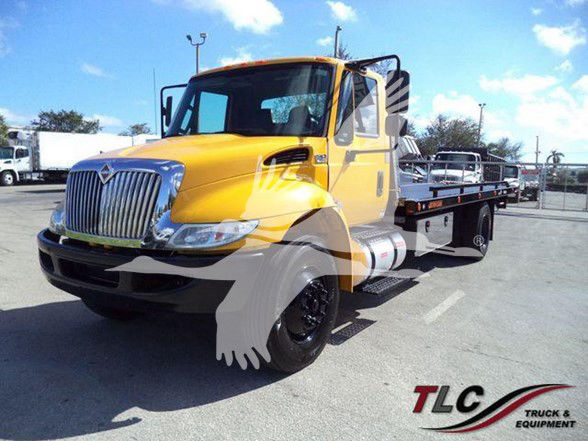
Have used 2019 international tow truck to sell? List it here to reach thousands of buyers.
Used 2019 International Tow Trucks in Florida
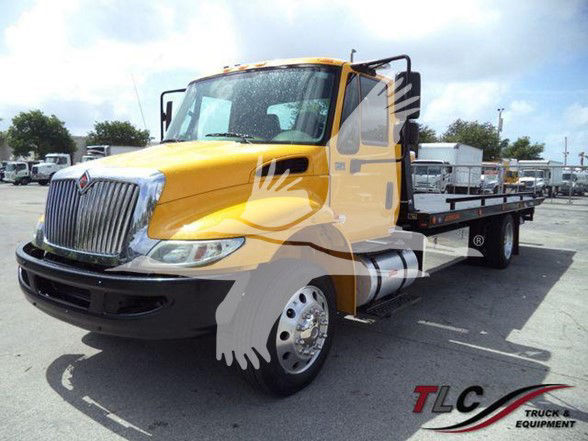
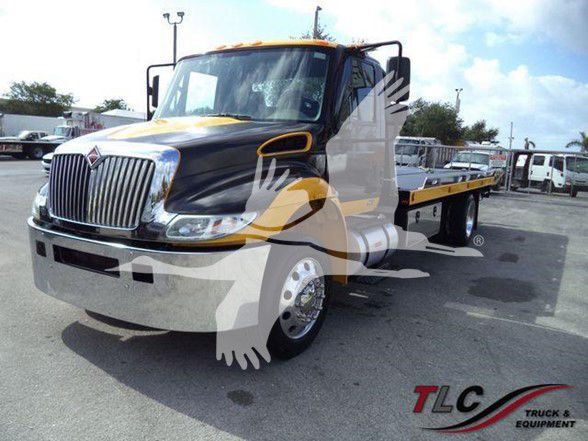
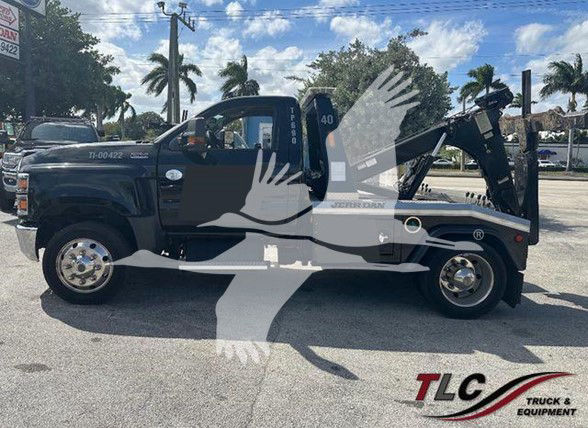
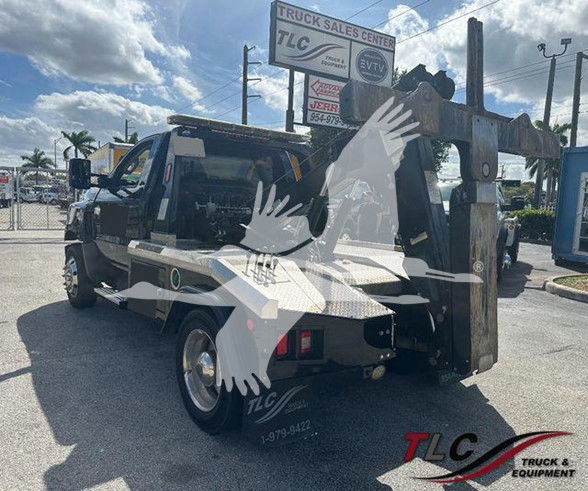
On 2019 International tow trucks, common chassis specs include diesel power, automatic transmissions, air brakes on the heavier 4300 class, and GVWR ratings that often land around 19,500 to 26,000 pounds depending on the platform. Many Florida buyers focus on 6.7L Cummins-powered DuraStar units for parts support and straightforward serviceability, while CV models often appeal to operators wanting a lighter cab configuration with medium-duty capability. Tow body equipment in this class frequently includes 21.5-foot to 22-foot low-profile steel decks, 102-inch bed widths, 6-ton carrier ratings, 3,500-pound wheel lifts, and 8,000-pound winches. On self-loader units, dual drag winches, wheel-lift assemblies, and integrated recovery booms are key specs to review closely.
Body configuration matters as much as the chassis. Low center of gravity decks, often called LCG or XLP carriers, improve loading angles and make a noticeable difference with lowered cars, SUVs, and damaged vehicles. Removable rails, toolboxes, LED light bars, work lights, aluminum wheels, and low-pro tires are common details that affect daily usability more than buyers sometimes expect. For a used 2019 International rollback, pay attention to bed manufacturer, subframe installation quality, hydraulic performance, winch operation, deck wear, and wheel-lift condition. On a used wrecker, inspect boom pins, pivot points, cable condition, crossbar and L-arm wear, and any signs of frame stress from repeated heavy pulls.
For Florida service, rust is usually less of a concern than in northern markets, but sun exposure, corrosion at electrical connections, hydraulic hose condition, and A/C performance deserve extra attention. A fleet-maintained chassis can be a major advantage if service records show regular brake, suspension, transmission, and engine maintenance. Buyers comparing used 2019 International tow trucks should match the truck to their call mix first: rollback carriers for transport-heavy work, self-loaders for quick urban recovery, and wheel-lift capacity based on the cars and light trucks actually handled every week. The best value in this category usually comes from a truck with a well-matched body, clear maintenance history, and tow equipment sized for the job instead of just the lowest purchase price.
Frequently Asked Questions about Used 2019 International Tow Trucks in Florida
What are the most common types of used 2019 International tow trucks?
The most common types are rollback carriers and self-loader wreckers. Rollback carriers, also called car carriers or flatbed tow trucks, use a tilting and sliding deck to load vehicles completely off the ground. Self-loaders, also called auto loaders, use a wheel-lift and boom arrangement for faster hookups in repossession, impound, and light-duty towing. In the 2019 International lineup, buyers often see DuraStar 4300 carrier builds and CV-based self-loader or light wrecker setups.
What should I look for on a used 2019 International rollback tow truck?
Start with bed length, carrier rating, wheel-lift capacity, and winch capacity because those determine what the truck can actually handle. Then inspect deck wear, cylinder condition, hydraulic leaks, winch performance, PTO engagement, and the condition of rails, toolboxes, and tiedown equipment. On the chassis side, review engine hours if available, transmission operation, brake condition, suspension wear, and service history. A used rollback can look clean but still need expensive hydraulic or cable work, so body condition and function matter as much as mileage.
Is a 2019 International DuraStar 4300 a good platform for towing work?
Yes. The DuraStar 4300 is a well-known medium-duty chassis in towing fleets because it offers commercial-grade frame strength, diesel power, automatic transmission options, and parts availability across many service markets. It is commonly spec'd around 26,000 GVWR, which supports popular 21.5-foot and 22-foot carrier bodies with wheel-lift equipment. For buyers running light- and medium-duty towing, it is a practical platform when the body installation is done correctly and the truck has documented maintenance.
What is the advantage of an LCG or XLP carrier body on a tow truck?
An LCG, or low center of gravity, carrier body improves loading angle and lowers the approach point to the ground. That makes it easier to load low-clearance cars, sports cars, damaged vehicles, and crossovers without as much risk of scraping bumpers or underbody components. XLP and similar low-pro deck designs are especially useful for transport-focused operators, auction work, and urban towing where a standard deck angle can limit what you can safely load.
Are used 2019 International tow trucks in Florida a good buying option?
They can be, especially for buyers trying to avoid the road salt exposure common in northern states. Florida trucks may have less frame corrosion, but buyers still need to check for sun-related wear, faded interiors, electrical issues from moisture or salt air, hydraulic hose aging, and cooling system performance in hot weather. The value of a Florida truck comes down to maintenance quality, body condition, and whether the equipment setup matches the type of towing work being done.