
New Freightliner Tow Trucks For Sale
Shop new Freightliner tow trucks including rollback carriers and wreckers built on M2 106 chassis with diesel power and towing-ready specs.
No exact matches found for your search
Showing New Tow Trucks instead.
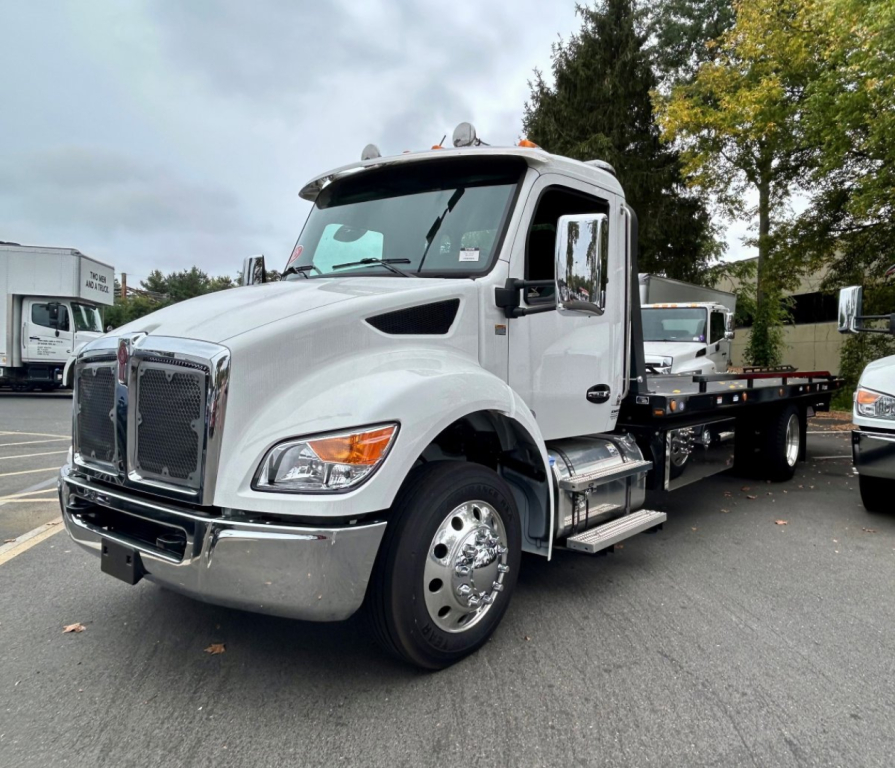
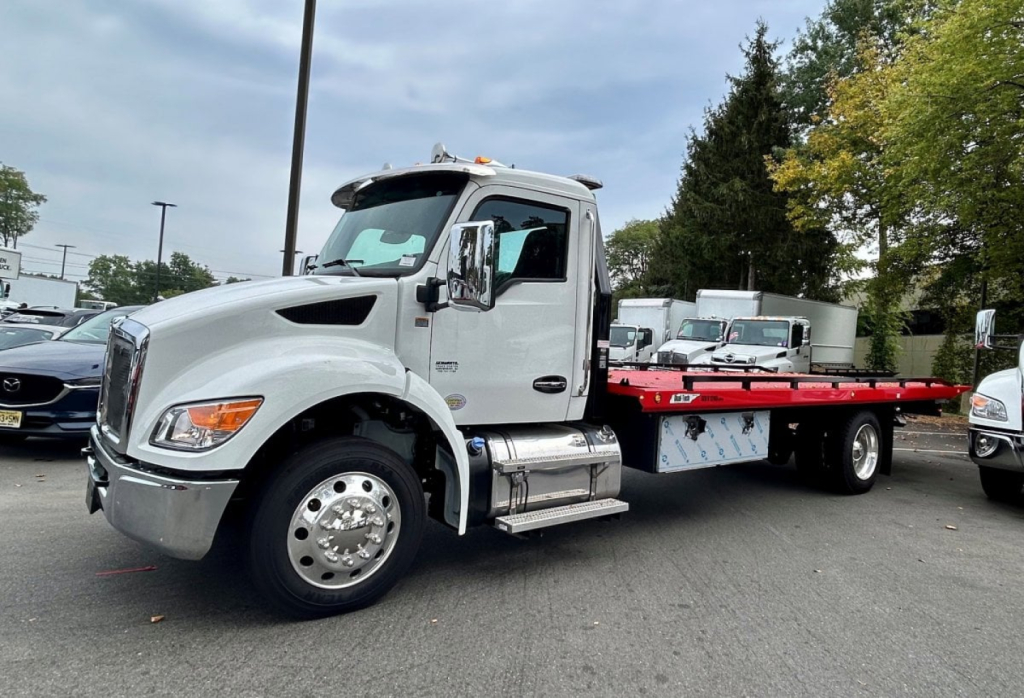
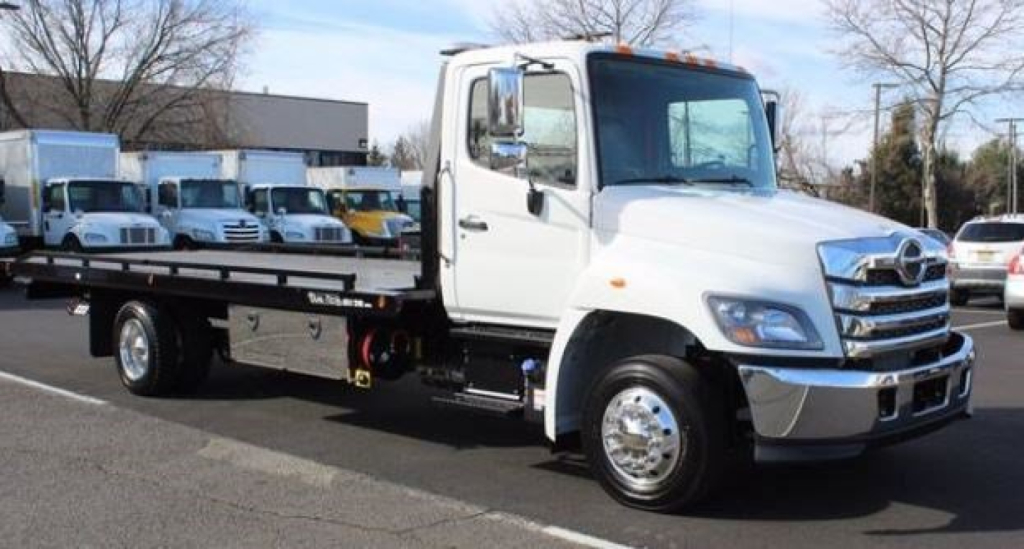
Have new freightliner tow truck to sell? List it here to reach thousands of buyers.
New Freightliner Tow Trucks
A lot of the buying decision comes down to body spec. Carrier units in this class are often equipped with 22-foot beds, 102-inch deck width, low-carrier-angle geometry, and a wheel-lift around 3,500 pounds. Buyers should pay attention to bed material, because steel decks generally cost less up front while aluminum decks reduce tare weight and can improve payload flexibility. Wrecker configurations in this range commonly include 12-ton bodies, dual winches, extendable booms, stiff legs, tunnel boxes, and L-arm or grid packages for passenger vehicles and light trucks. On either style, practical details matter: toolbox layout, rail style, work lighting, winch remote options, and included towing gear all affect day-to-day productivity more than cosmetic upgrades do.
Freightliner M2 tow trucks are popular because the chassis is familiar to many drivers and service departments. New units in this segment often use Cummins diesel engines around the 300 horsepower range paired with Allison automatic transmissions, air brakes, and air ride suspension. That combination is well suited for stop-and-go towing, repeat loading cycles, and driver turnover. Extended cab and crew cab layouts are both common. An extended cab gives extra interior storage and occasional seating, while a crew cab makes more sense for operations that run with multiple operators, roadside assistance teams, or training crews. Fuel capacity, 22.5 low-profile tires, wheelbase, and front axle loading should all be reviewed against the body installed, especially if the truck will regularly carry heavier pickups, vans, or commercial units.
For a buyer sorting through new Freightliner tow trucks for sale, the smartest approach is to match the truck to the dispatch mix first and the trim level second. A 22-foot low-profile carrier is ideal for general automotive transport, repo work, dealer moves, and collision recovery. A medium-duty wrecker is better suited for police rotation, quick-clearance towing, and jobs where a boom and dual winches save time. New trucks also bring value in warranty coverage, cleaner emissions systems at delivery, and current safety and lighting specs. The best unit is the one with the right body manufacturer, correct lift and winch ratings, usable storage, and a chassis spec that leaves enough margin for legal operation after fuel, tools, and accessories are onboard.
Frequently Asked Questions about New Freightliner Tow Trucks
What is the difference between a Freightliner rollback and a Freightliner wrecker?
A rollback uses a hydraulic tilting and sliding bed to load a vehicle fully onto the deck, which makes it the preferred choice for transporting damaged cars, low-clearance vehicles, and all-wheel-drive units. A wrecker uses a wheel-lift, boom, and winch system to tow a vehicle with some wheels off the ground, which is better for fast hookups, impounds, and roadside recovery. The right choice depends on the type of calls the truck will handle most often.
Is the Freightliner M2 106 a good chassis for a tow truck?
Yes. The Freightliner M2 106 is a common tow truck chassis because it balances maneuverability, cab comfort, and body-builder support well. It is frequently spec'd with diesel power, an Allison automatic transmission, air brakes, and a medium-duty GVWR that fits many carrier and wrecker applications. It is especially well suited for municipal towing, local recovery, and mixed-duty fleet work.
What should I look at first on a new Freightliner tow truck?
Start with the body configuration, GVWR, and axle ratings before comparing cosmetic or convenience features. On a carrier, focus on deck length, deck width, bed material, wheel-lift rating, and winch capacity. On a wrecker, focus on boom rating, retracted and extended ratings, winch setup, underlift capacity, and stabilizer design. After that, review wheelbase, cab style, fuel capacity, and storage layout to make sure the truck fits your actual operating pattern.
Are aluminum rollback beds better than steel beds?
Aluminum beds reduce weight, which can help with usable payload and may resist corrosion better over time. Steel beds usually have a lower upfront cost and are often preferred by buyers who want a heavier-duty feel or simpler repair options. Neither is automatically better for every operation. The better choice depends on your payload priorities, regional climate, and maintenance preferences.
Why do many new tow trucks use an automatic transmission and air ride suspension?
Automatic transmissions are common in towing because they reduce driver fatigue, simplify training, and perform well in repeated stop-and-go service. Air ride suspension helps ride quality and can improve truck stability and driver comfort during long shifts. For fleets with multiple operators or urban recovery work, that combination is usually a practical advantage rather than a luxury.