
Tank Trucks For Sale in Ohio
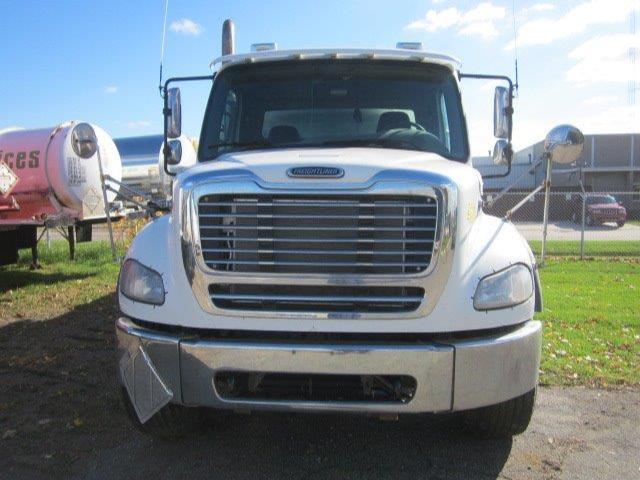
Have tank truck to sell? List it here to reach thousands of buyers.
Tank Trucks in Ohio
Thermal integrity matters in Ohio winters. Insulated barrels using polyurethane or fiberglass wrap, typically 2 to 5 inches, slow heat loss and protect pumpability; asphalt and emulsion tanks pair heavy insulation with stainless or aluminum jackets and internal steam coils or hot oil heat. Food grade tanks rely on smooth stainless surfaces, proper R value, and tight manway and dome gaskets to hold temperature. MC 331 LPG and MC 338 cryogenic units are pressure vessels that depend on multi layer or vacuum insulation and precise pressure control hardware. Heat traced valves, insulated product lines, winterized meters, and protected air systems cut freeze risk at the rack and on route.
Tare weight and weight distribution set usable payload under Ohio bridge formula and the 80,000 pound interstate limit. Aluminum barrels, single product plumbing, and compact gear or centrifugal pumps trim weight; stainless construction, multiple compartments, heavy catwalk packages, and vacuum systems add weight. Match axle configuration to routes, a 6x4 tandem is common, while tri axle or lift axle setups can increase legal payload on some state routes. For straight tank trucks focus on wheelbase, rear overhang, and the mounting setback to keep steer axle legal while maintaining a tight turning radius for urban deliveries.
Corrosion resistance drives life cycle cost in a salt state. Look for stainless or coated subframes, epoxy underbody coatings, stainless fasteners and catwalks, and composite or stainless piping to fight brine. Verify DOT specification and test history on the data plate, review 49 CFR 180.407 records for visual, leak, pressure, internal, and thickness tests, and confirm MAWP, head protection, and rollover protection. Inspect lining condition, manways and gaskets, internal valves and emergency shutoffs, vapor recovery and bottom loading adapters, hose trays and valve cabinets. Modern chassis options such as electronic stability control, ABS, traction control, and tire pressure monitoring, along with reliable PTO or hydraulic drive pumps, meters, and safe access equipment like handrails and anti slip walkways, improve safety and uptime.
Frequently Asked Questions about Tank Trucks in Ohio
Which tank material is best for my product in Ohio conditions?
For gasoline or diesel, aluminum DOT 406 tanks offer the lightest tare and good corrosion resistance to hydrocarbons. For food grade or many chemicals, stainless 304 or 316L provides sanitary surfaces and strong corrosion resistance, with 316L preferred for chlorides and aggressive media. Lined carbon steel suits acids, latex, waste streams, and asphalt, but lining integrity is critical, request holiday test results and repair logs. Ohio road brine accelerates corrosion, so stainless hardware, coated subframes, and protected piping are smart regardless of barrel material.
What is the difference between DOT 406, 407, 412, MC 331, and MC 338 cargo tanks?
DOT 406 covers low pressure flammable liquids such as gasoline and diesel, typically aluminum with multiple compartments. DOT 407 handles higher hazard or mildly pressurized chemicals and often uses stainless, sometimes with insulation or linings. DOT 412 is for corrosives at higher specific gravity and pressure, commonly lined steel or 316L stainless. MC 331 is a pressure vessel for LPG and anhydrous ammonia with robust relief and emergency hardware. MC 338 is a cryogenic pressure vessel with vacuum insulation for refrigerated liquids like LIN, LOX, or LNG. Select the spec that matches your product and loading facility requirements.
How does insulation affect thermal integrity and tare weight?
Insulation slows heat loss and stabilizes product temperature, improving unload times and protecting product quality. Polyurethane or fiberglass wraps in the 2 to 5 inch range are common for fuel, chemical, and food grade service, while asphalt and emulsion tanks may add thicker insulation plus steam coils or hot oil heat. Insulation increases tare by several hundred to more than a thousand pounds depending on thickness, jacket material, and length, so balance R value against payload targets and route duration.
What inspections and records should I confirm on a used tank truck?
Verify the data plate for DOT spec, MAWP, and manufacturer. Review 49 CFR 180.407 test records, annual visual and leak tests, periodic pressure and internal inspections, and thickness or UT results. Inspect the subframe, bolsters, and saddle wear pads for cracks or fretting, look for frame rail reinforcement quality and signs of movement. Check lining condition, manway gaskets, internal valves, emergency shutoffs, vapor recovery, meters, and pump hours. Confirm operation of ABS and stability control, and look for corrosion at piping, valve cabinets, and underbody areas exposed to road brine.
Which axle configuration works best for Ohio weight limits and routes?
A 6x4 tandem drives is the most common for statewide operations under the 80,000 pound interstate limit. Tri axle or lift axle configurations can raise legal payload where state routes and permitting allow, subject to bridge spacing. Choose wheelbase and rear overhang to keep the steer axle legal when loaded, and spec suspension, tire size, and fuel tank placement to balance axle weights while maintaining a workable turning radius for urban fuel stops or plant sites.