
Tank Trucks For Sale in New York
Browse tank trucks for sale, including fuel and liquid transport units with common specs, tank capacities, compartment options, and chassis details.
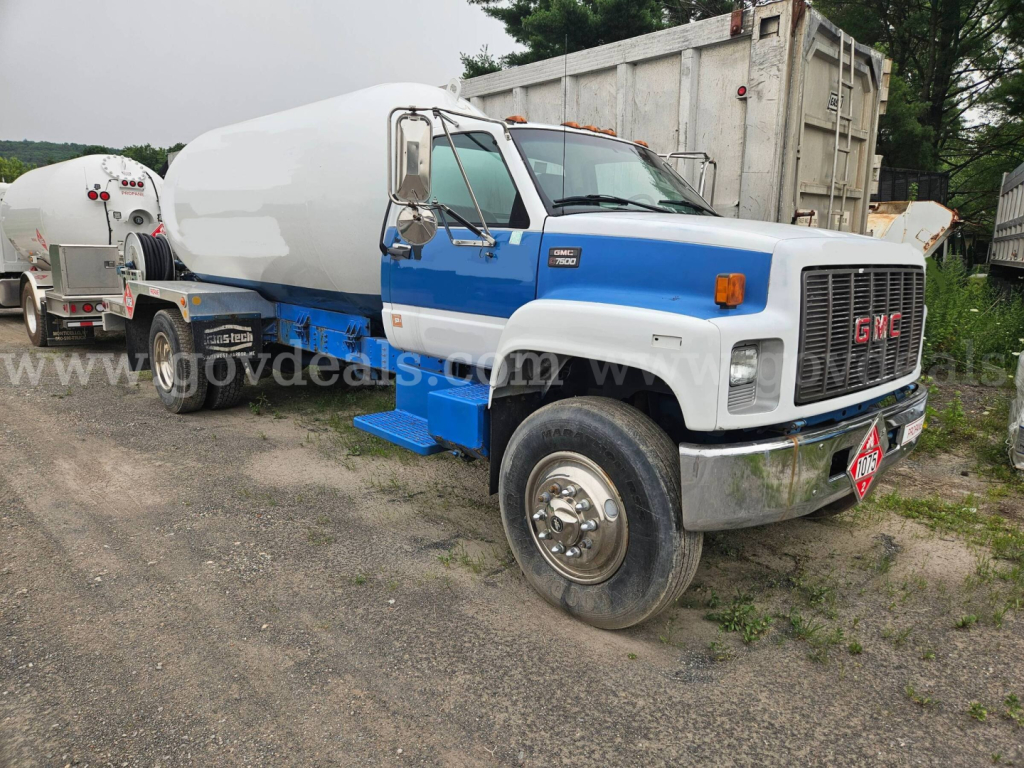
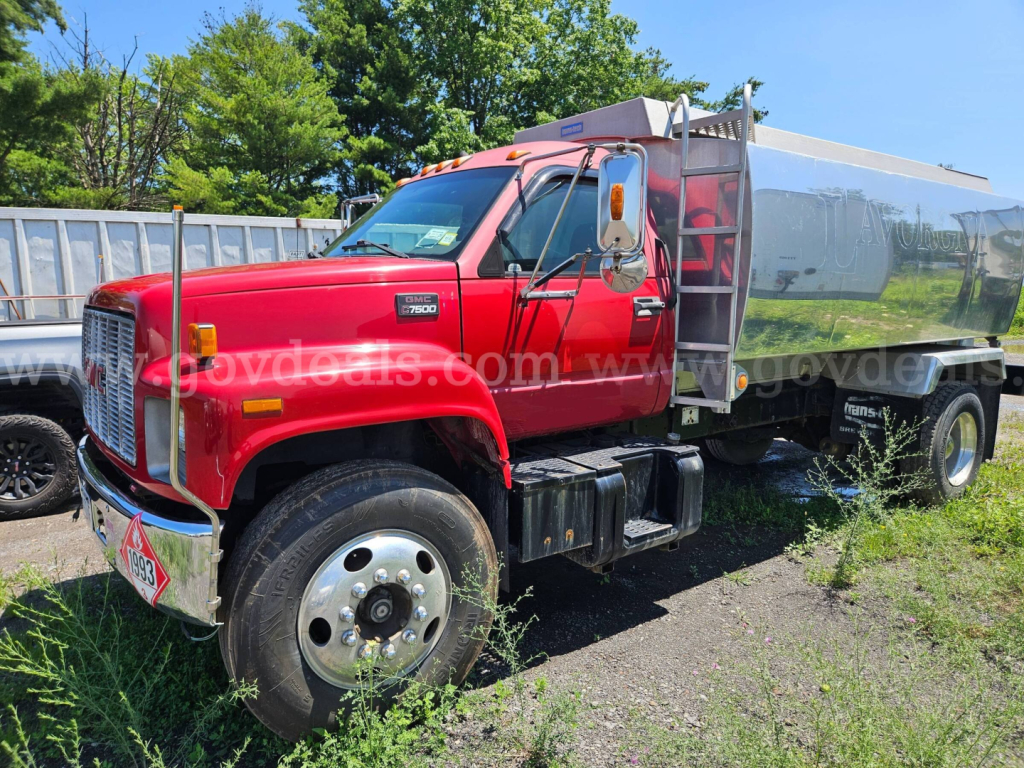
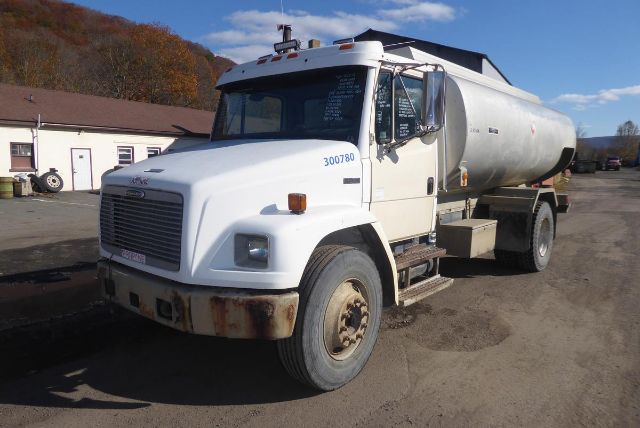
Have tank truck to sell? List it here to reach thousands of buyers.
Tank Trucks in New York
Capacity, pump setup, and discharge equipment matter as much as the chassis. Many tank trucks are equipped with PTO-driven pumps, wetline systems, hose reels, top-load or bottom-load configurations, and metering equipment depending on their intended use. A smaller single-axle tank truck may be ideal for local fuel delivery, municipal work, farms, or construction sites where maneuverability is critical. Larger tandem-axle units are better suited for higher payloads and longer routes, but they also bring axle weight, turning radius, and permitting considerations. Buyers in New York often pay close attention to bridge formula, local delivery access, and seasonal operating conditions, so wheelbase, axle ratings, and overall dimensions deserve a close look.
The chassis spec should match the product weight and duty cycle. Common points to compare include GVWR, axle configuration, engine horsepower, transmission type, rear ratio, suspension, and brake system. Liquid surge changes how a truck handles, so proper baffling, compartment layout, and suspension condition are important in both performance and safety. On used tank trucks, buyers should inspect the tank shell, welds, internal condition if accessible, pump operation, PTO engagement, plumbing, valves, hose condition, reel operation, and any signs of contamination or previous product incompatibility. If the truck is set up for fuel service, meter calibration status, emergency shutoff equipment, grounding provisions, and compliance labeling should be verified before purchase.
A good tank truck earns its value through application fit, not just tank size. A buyer hauling diesel to fleets has different needs than one servicing heavy equipment in the field or handling water delivery on job sites. Look closely at compartment sizes, loading style, hose length, pump output, and service access around the tank and chassis. Cab-to-axle measurement and frame layout also matter if future body changes or equipment additions are possible. When the spec is right, a tank truck can be one of the most efficient vocational trucks in a fleet, combining product storage, transfer capability, and route flexibility in a single unit.
Frequently Asked Questions about Tank Trucks in New York
What should I look for first when buying a used tank truck?
Start with the tank’s intended product type, total capacity, compartment layout, and the condition of the pump and plumbing system. After that, confirm the chassis ratings match the loaded weight you expect to carry. A used tank truck should also be checked for tank corrosion, cracked welds, valve leaks, PTO operation, hose and reel condition, brake performance, and any missing safety or compliance equipment. If it is a fuel truck, verify meter status and product-handling compatibility before putting it into service.
What is the advantage of a compartment tank on a fuel truck?
A compartment tank allows one truck to carry multiple fuel products or separate delivery quantities in the same run. That improves route efficiency and reduces the need to send multiple trucks to the same customer base. Compartment sizing matters because it affects load balance, delivery flexibility, and how well the truck fits your customer mix. For many fuel delivery operations, the right compartment layout is more valuable than simply having the highest total gallon capacity.
Are single-axle or tandem-axle tank trucks better?
It depends on payload, route conditions, and delivery environment. Single-axle tank trucks are usually easier to maneuver in tight yards, neighborhoods, farms, and construction sites, and they often cost less to operate and maintain. Tandem-axle tank trucks support greater payload capacity and can be a better fit for higher-volume work, but they require more room, may face tighter route restrictions, and add weight-related considerations. The best choice comes down to legal payload, turning radius, and the type of stops your drivers make every day.
Why does tank material matter on a tank truck?
Tank material affects empty weight, corrosion resistance, repair methods, and long-term operating cost. Aluminum tanks are common in petroleum applications because they are lighter and help maximize legal payload while resisting corrosion well. Steel tanks are often chosen in applications where impact resistance, lower upfront cost, or specific service requirements are priorities. Material choice should be matched to the liquid being hauled, the environment the truck works in, and the maintenance resources available.
Do tank trucks require special compliance checks before they go to work?
Yes. Compliance depends on the liquid hauled and the truck’s exact configuration, but buyers should always confirm tank labeling, safety equipment, emergency shutoffs, valve condition, brake system integrity, lighting, and any product-specific regulatory requirements. Fuel and hazardous material applications may involve additional federal, state, and local rules, plus inspection, testing, and documentation standards. Before operating a tank truck in revenue service, it is important to verify that both the truck and the tank equipment meet the requirements for your product, route, and jurisdiction.