
Ford Tank Trucks For Sale
Browse Ford tank trucks for fuel, water, and service work. Compare chassis, tank size, PTO equipment, axle ratings, and application fit.
No exact matches found for your search
Showing Tank Trucks instead.
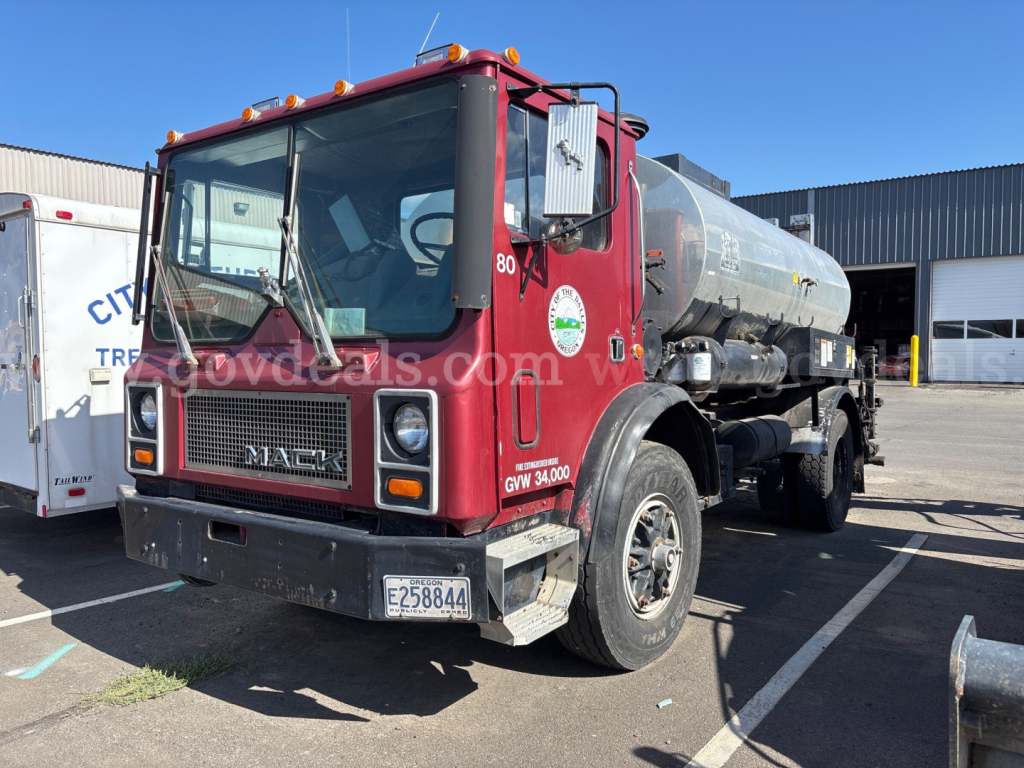
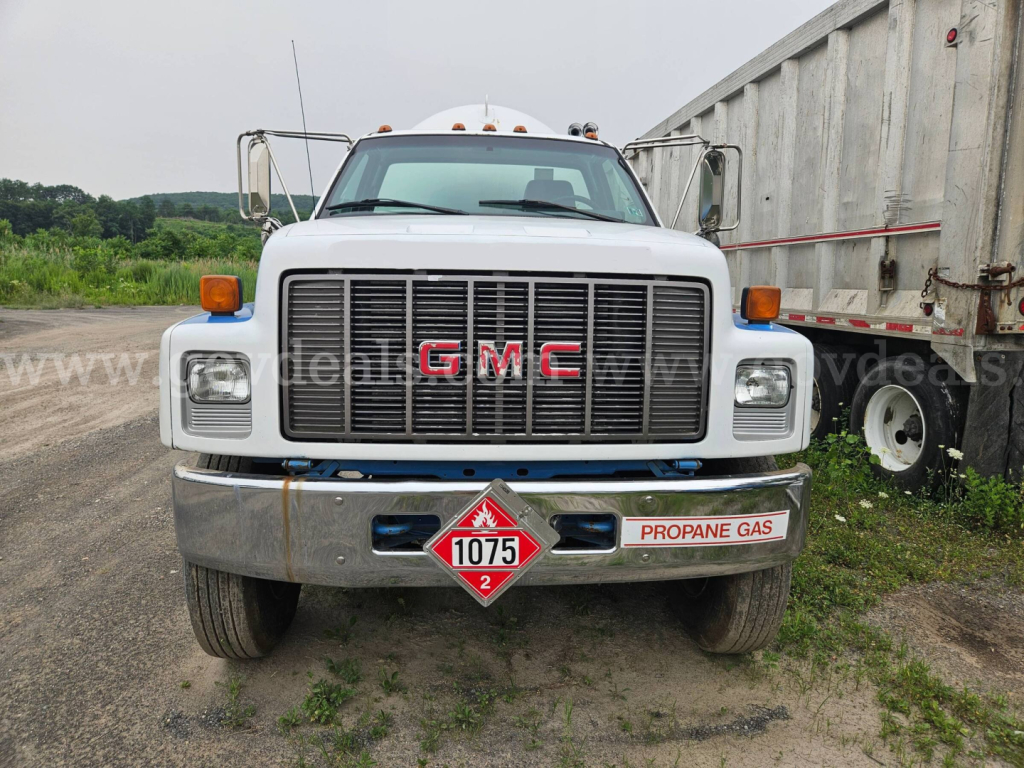
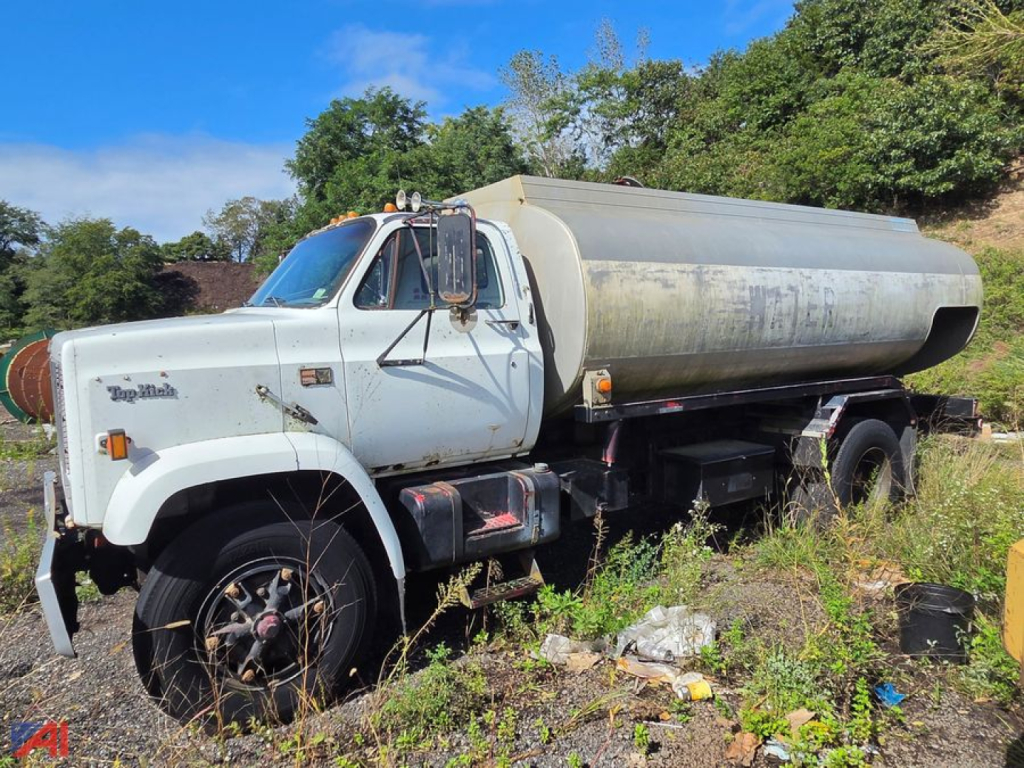

Selling a ford tank truck? List your ford tank truck for sale and reach thousands of commercial buyers.
Ford Tank Trucks
Tank configuration matters more than many buyers expect. A fuel truck may include multiple compartments, meter systems, hose reels, PTO-driven pumps, emergency shutoffs, and product-specific plumbing. A water or service tank setup may focus more on total capacity, spray heads, pump output, and corrosion resistance. Some tanks are aluminum for reduced tare weight, while others are steel for durability in harsher duty cycles. Baffling is a critical detail on any tank truck because liquid surge affects braking, stability, and handling. If the truck will operate on job sites, farm lanes, or mixed pavement, pay close attention to wheelbase, turning radius, suspension type, and ground clearance.
On Ford chassis, buyers typically look at GVWR, axle capacity, engine type, transmission, PTO compatibility, and brake configuration before anything cosmetic. Medium-duty Ford models are commonly selected for local and regional work where maneuverability and lower operating cost matter more than over-the-road speed. Tank size must be evaluated against legal weight when the tank is full, especially for heavier products like diesel, chemicals, or waste liquids. It is also worth confirming tank certification, placarding requirements, lining or coating condition, and the age and serviceability of valves, seals, meters, and hoses. On older units, the upfit condition often determines value more than the model year of the truck.
A Ford tank truck can be a practical fit for fleets, municipalities, contractors, farms, and fuel service operators that need a purpose-built liquid transport truck without stepping into a larger Class 8 chassis. Buyers comparing listings should focus on the actual job the truck was built to do, because a tank body designed for fuel delivery is very different from one used for water hauling or vacuum service. Capacity, compartment layout, pump system, tank material, and compliance equipment should all be reviewed alongside the Ford chassis specs. A well-matched tank truck will be safer under load, easier to maintain, and more productive in daily service.
Frequently Asked Questions about Ford Tank Trucks
What should I check first when buying a used Ford tank truck?
Start with the application and the tank system, not just the cab and chassis. Confirm what liquid the truck was built to haul, the tank capacity, compartment layout if applicable, PTO and pump setup, and whether the truck can legally carry a full load within its GVWR and axle ratings. After that, inspect the tank condition, internal baffling, valves, plumbing, meter equipment, hose reels, and any signs of corrosion, contamination, or repairs. On the chassis side, review engine, transmission, brakes, suspension, and PTO operation because tank truck performance depends heavily on how the upfit and chassis work together.
Are Ford F-650 and F-750 good chassis choices for tank trucks?
Yes, they are common medium-duty platforms for tank trucks used in local and regional service. The F-650 and F-750 are often chosen for fuel service, water delivery, municipal support, and contractor applications because they offer solid vocational frame options, practical maneuverability, and broad parts availability. The right choice depends on the finished tank capacity, the product weight, and how the truck will be routed. A larger tank or heavier liquid may require higher axle ratings and a more robust suspension setup than a lighter service application.
How do I know if a tank truck can legally carry a full load?
Compare the tank capacity and the weight of the liquid to the truck's GVWR, front axle rating, rear axle rating, and tire ratings. Water weighs about 8.34 pounds per gallon, and many fuels or waste liquids can also add substantial load quickly. A truck may have a large tank but still be limited by axle capacity or bridge law once full. Buyers should account for the chassis, tank body, pump system, hoses, tools, and operator weight when calculating payload. Legal capacity is based on the complete truck, not just the advertised tank size.
What is the difference between a fuel tank truck and a water tank truck?
A fuel tank truck is typically configured with product-compatible plumbing, safety shutoffs, metering equipment, hose reels, and often compartmentalized tanks for controlled delivery. A water tank truck usually emphasizes bulk capacity, simpler pump systems, spray or discharge options, and materials suited to that service environment. The tank design, valve package, baffling, and regulatory requirements are different between the two. A truck built for one liquid should not be assumed suitable for another without verifying tank construction, system compatibility, and compliance requirements.
Does tank condition matter more than truck mileage on an older Ford tank truck?
In many cases, yes. On older vocational units, the value often depends more on the condition and serviceability of the tank, pump, plumbing, and controls than on mileage alone. A lower-mile chassis can still require significant investment if the tank has corrosion, outdated valves, damaged baffles, or nonfunctional metering equipment. A higher-mile Ford chassis with a well-maintained, properly documented tank system may be the better working truck. Buyers should treat the tank body and related equipment as a major asset with its own inspection priorities.