
International Sweeper Trucks For Sale
Shop International sweeper trucks for municipal, airport, and contractor cleanup work. Compare chassis, broom system, hopper, and engine setup.
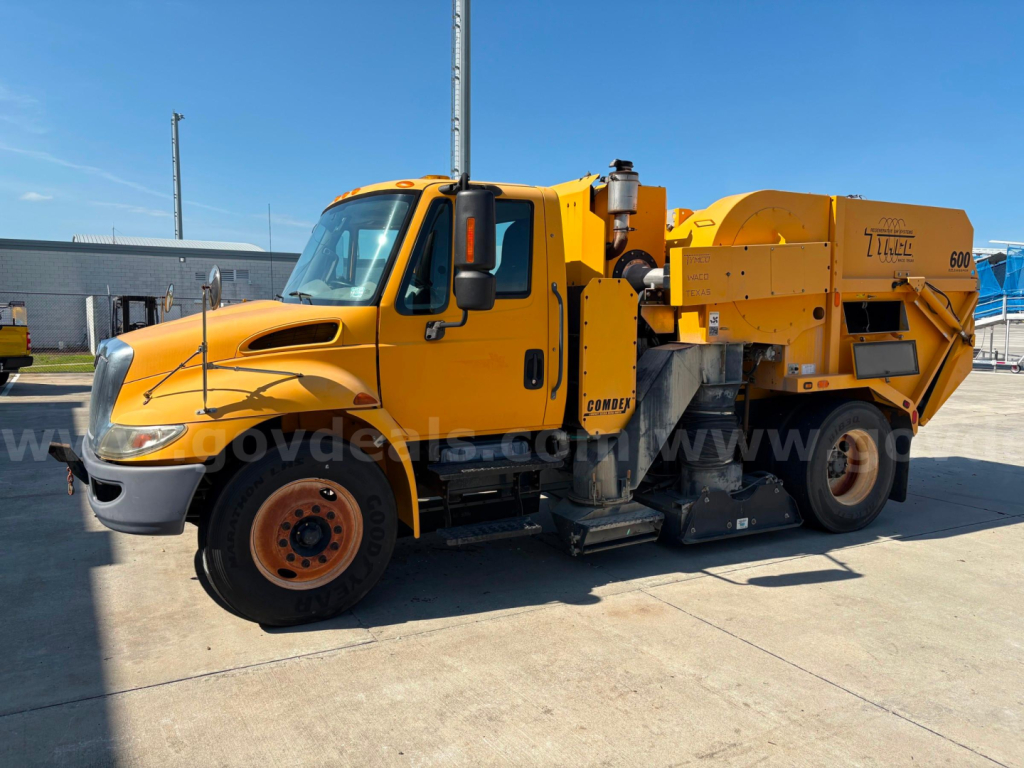
Selling a international sweeper truck? List your international sweeper truck for sale and reach thousands of commercial buyers.
International Sweeper Trucks
The biggest buying decision is usually the sweeper system, not just the truck. Regenerative air sweepers are popular for finer dust pickup, roadway shoulder cleaning, and municipal routes where cleanliness standards matter. Mechanical broom units can be attractive for heavier aggregate, milling debris, and rougher surface conditions. On many used International sweepers, the truck chassis engine handles propulsion while a separate auxiliary diesel powers the broom and vacuum system. That means buyers should compare both mileage and engine hours, then inspect the blower, pickup head, gutter brooms, water pumps, conveyor components if equipped, and hopper condition. A clean-running auxiliary engine, solid suction performance, and a hopper without advanced corrosion matter more than cosmetic appearance.
Spec details can change how well the truck fits your route. Common points to check include GVWR, axle ratings, air brakes versus hydraulic brakes, automatic transmission, wheelbase, hopper size, water tank capacity, left-hand or dual-side steering, and cab visibility for curb work. Some International sweeper trucks are set up for right-side operator control or dual steering to improve line of sight along the gutter, which can be important for city and airport applications. Emissions equipment is another practical issue. Older units may avoid DEF, while newer units can bring cleaner operation but add DPF and aftertreatment maintenance considerations. On a used sweeper, service records for both the chassis and the sweeper body are especially valuable because routine maintenance intervals are often based on hours as much as miles.
Buyers comparing International sweepers should focus on route type, debris type, and technician familiarity before they focus on price alone. Tight urban routes benefit from a nimble wheelbase and strong visibility, while industrial and road contractor work may justify a larger hopper, heavier broom package, and more water capacity for dust suppression. Parts access for International chassis components is generally a strong point, which can reduce downtime compared with more specialized platforms. A good International sweeper truck is less about badge appeal and more about matching the chassis, sweeper body, and operating layout to the work you need done every day.
Frequently Asked Questions about International Sweeper Trucks
What should I inspect first on a used International sweeper truck?
Start with the sweeper system because it is usually the most expensive and application-specific part of the truck. Check auxiliary engine hours, suction or airflow performance, broom wear, pickup head condition, water spray operation, hopper floor and sidewall corrosion, and any signs of hydraulic leaks. Then review the International chassis for engine performance, transmission operation, brake type, suspension condition, and maintenance history. A sweeper that drives well but has a weak blower, worn brooms, or a rusted hopper can require major repair expense quickly.
Are International sweeper trucks typically regenerative air or mechanical broom units?
They can be either, depending on the body manufacturer and intended application. Regenerative air sweepers are widely used on International 4300 and DuraStar chassis for municipal street sweeping, parking areas, and fine debris control because they handle dust and lighter material well. Mechanical broom or broom-assist units are often chosen for heavier debris, milling operations, and rougher pavement conditions. The correct setup depends on the debris stream, sweeping frequency, and how much dust control the route requires.
Why do many sweeper trucks show both miles and engine hours?
Sweeper trucks often accumulate long operating hours at low road speed, so mileage alone does not tell the full story. The chassis engine may idle for extended periods, and many units also have a separate auxiliary engine dedicated to the sweeping equipment. Buyers should compare chassis miles, chassis engine hours if available, and sweeper engine hours to understand total wear. High hours are not necessarily a problem if the truck has consistent preventive maintenance and the sweeper functions are still strong.
Is an International 4300 a good chassis for sweeper applications?
Yes. The International 4300 is a well-known medium-duty platform that fits many street sweeper applications because it offers suitable GVWR, serviceable diesel powertrains, and broad parts support. It is commonly used in municipal and contractor fleets where uptime and straightforward maintenance matter. The chassis is only part of the equation, though. The quality of the sweeper body installation, auxiliary engine condition, and the match between hopper capacity and route demands are just as important as the truck itself.
Do older International sweeper trucks have advantages over newer emissions-equipped models?
Older units can appeal to buyers who want simpler emissions systems and, in some cases, no DEF requirement. That can reduce certain operating and diagnostic issues, especially in lighter-use fleets or seasonal service. Newer models may offer cleaner operation, updated cab ergonomics, and lower miles, but they also bring DPF and aftertreatment components that need proper maintenance. The better choice depends on your shop capability, regional emissions requirements, and how much downtime risk you are willing to accept.