
Commercial Trucks For Sale Near Swansea, Massachusetts
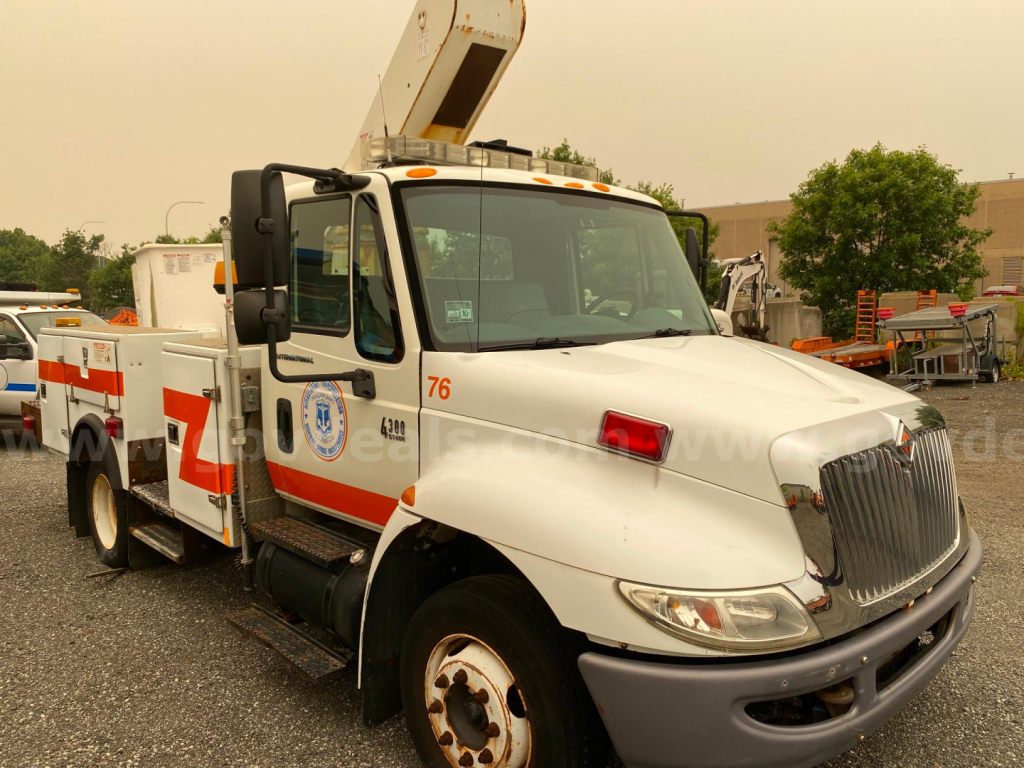
Have commercial truck to sell? List it here to reach thousands of buyers.
Commercial Trucks Near Swansea, Massachusetts
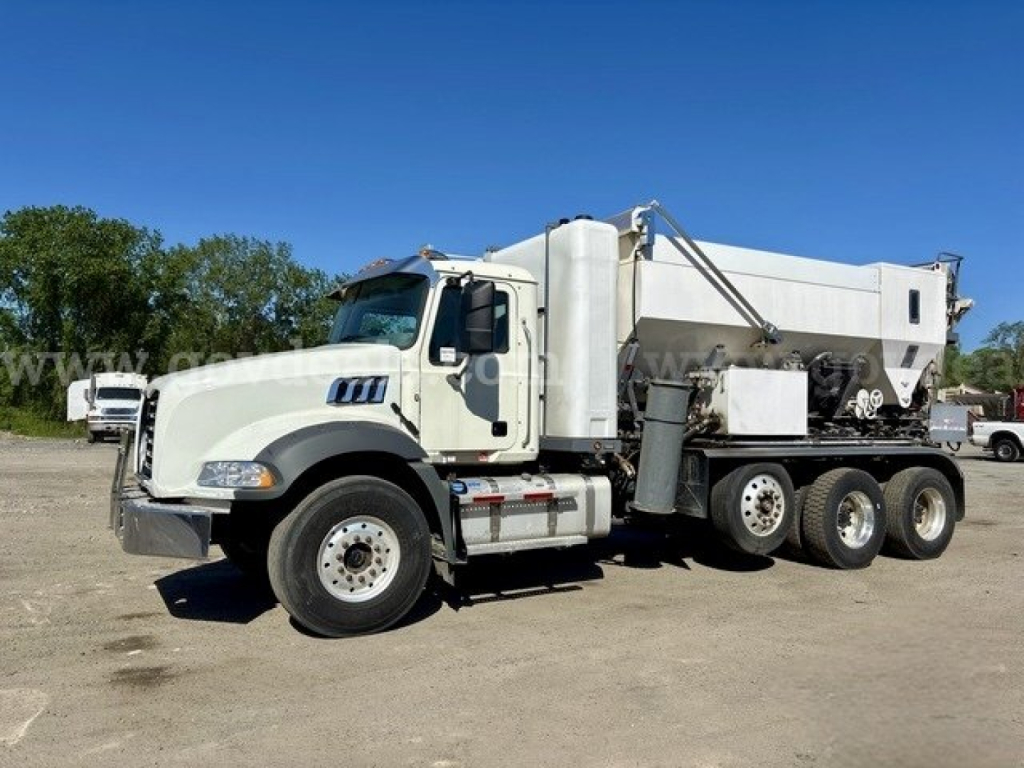
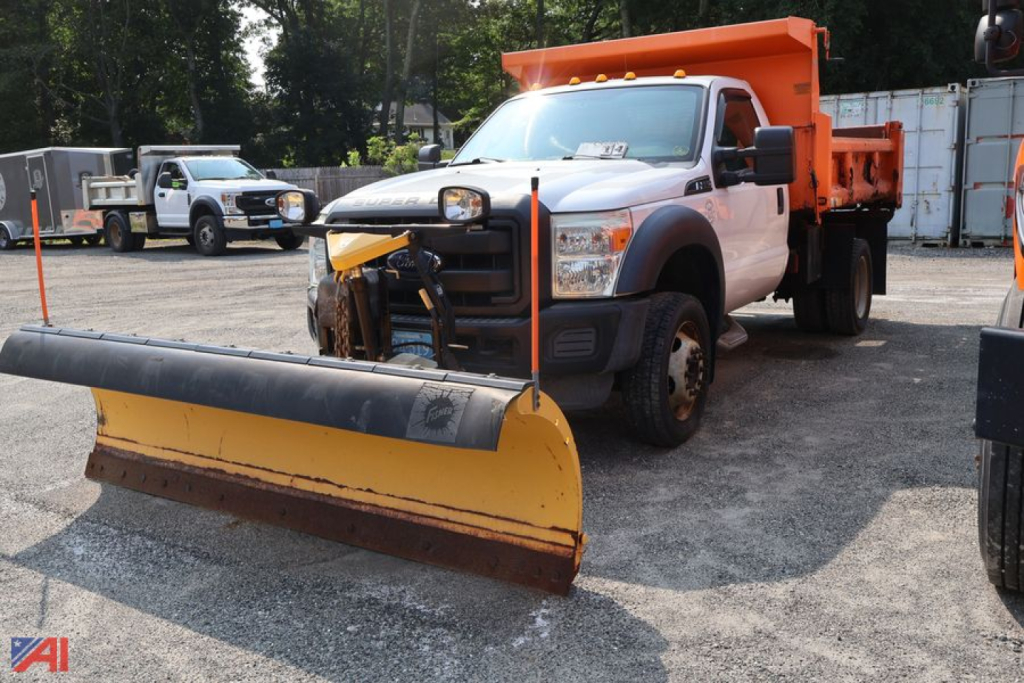
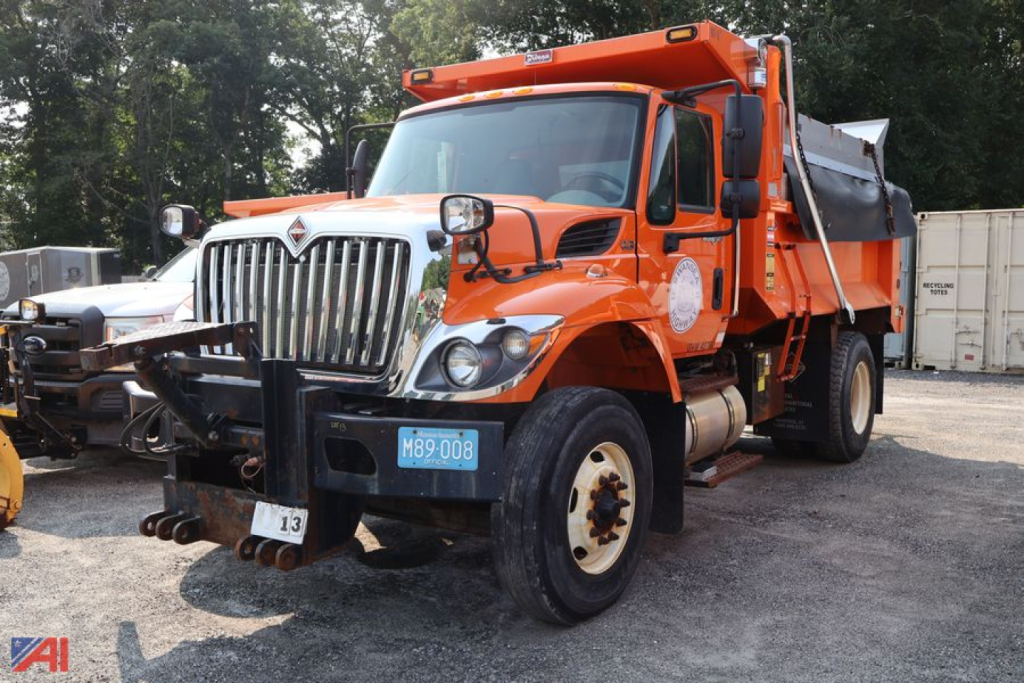
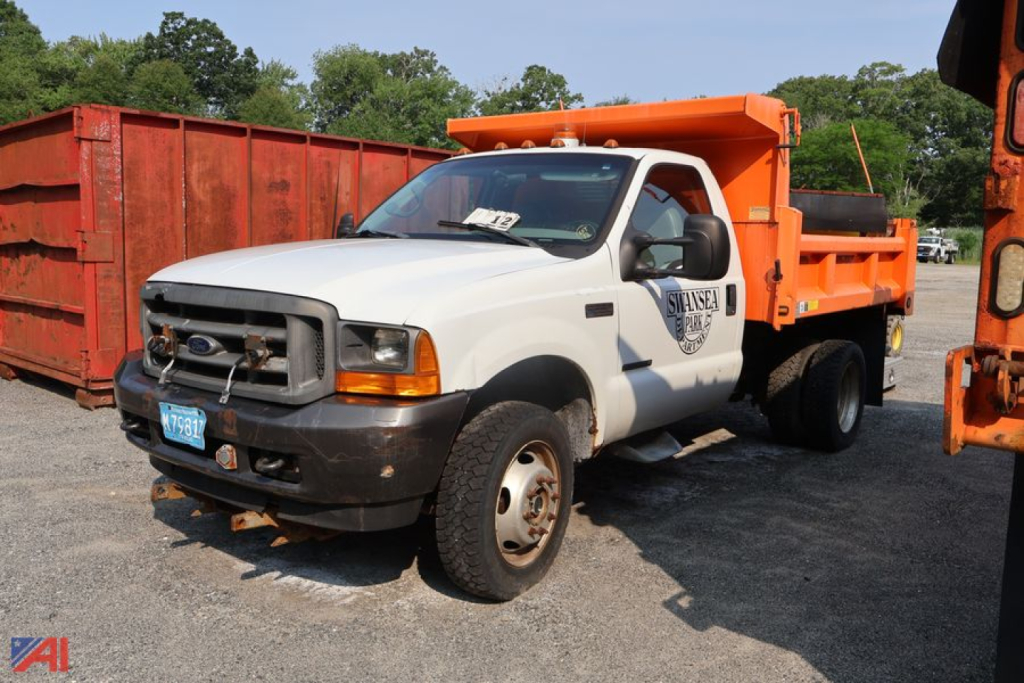
Vocational trucks, also known as work trucks, are often built around durability and low-speed jobsite performance. Common configurations include single-axle and tandem-axle setups, air ride or spring suspension, and automatic or automated manual transmissions depending on the duty cycle. Concrete mixers, dump trucks, and municipal units frequently use heavier front axles, pusher or tag axles, locking differentials, and robust vocational frames. Engine choices in this category are typically driven by torque curve, idle time, PTO operation, and emissions service access rather than top-end highway speed. In a region like southeastern Massachusetts, corrosion exposure matters, so buyers should inspect frame condition, crossmembers, brake lines, wiring, and body mounts carefully, especially on trucks used around salt, coastal moisture, or winter road treatment.
For highway tractors and regional haul trucks, the buying criteria shifts toward sleeper or day cab layout, rear axle ratio, wheelbase, fuel capacity, and total operating weight. Buyers comparing used trucks should consider engine hours alongside mileage, because idle-heavy service can tell a very different story than linehaul use. Transmission type, brake setup, tire size, fifth wheel spec, and maintenance history all affect operating cost and driver acceptance. If the truck is intended for trailer work, front axle capacity, kingpin setting compatibility, and tandem spread can matter just as much as horsepower. If the truck is intended for body installation, confirm the truck has the right frame spacing, clear back-of-cab area, and electrical or hydraulic provisions for the equipment package.
The Swansea market can include everything from municipal surplus and contractor trucks to fleet-maintained regional units. That makes inspection discipline important. Buyers should verify CDL requirements, registered weight targets, emissions compliance, and local bridge or route restrictions before narrowing in on a truck class. Strong value usually comes from matching the truck's original vocation to the next job instead of forcing a marginal spec to fit. A properly matched truck will carry better, stop better, and cost less to keep in service over time.
Frequently Asked Questions about Commercial Trucks Near Swansea, Massachusetts
What should I look at first when comparing trucks for sale?
Start with the intended job, then match the truck's class, axle configuration, wheelbase, and frame to that application. Body compatibility, PTO requirements, front and rear axle ratings, suspension type, and transmission choice should be confirmed before focusing on brand or appearance. A truck that is correctly spec'd for the work will usually deliver better uptime and lower operating cost than a truck chosen mainly on price.
How do I choose between a single-axle and tandem-axle truck?
A single-axle truck is often a better fit for lighter payloads, tighter jobsite access, and lower acquisition and maintenance cost. A tandem-axle truck is generally preferred when higher GVWR, better traction, and heavier body installations are required. The decision should be based on legal payload, bridge formula exposure, turning radius needs, and the type of terrain the truck will regularly see.
Are engine hours important on used trucks?
Yes. Engine hours can be as important as mileage, especially on vocational trucks that spend long periods idling, running PTO-driven equipment, or operating in stop-and-go service. A truck with moderate mileage but very high engine hours may show wear patterns closer to a much higher-mileage unit. Reviewing both numbers together gives a more accurate picture of engine and aftertreatment use.
What matters most on a vocational truck like a mixer, dump, or utility truck?
For vocational trucks, buyers should focus on frame strength, axle ratings, suspension, PTO setup, transmission calibration, and body or equipment condition. On units such as mixers, it is also important to inspect the auxiliary equipment, hydraulic systems, drum or mixer components, and lift axle function if equipped. These trucks are built for demanding duty cycles, so wear in the chassis and mounted equipment needs to be evaluated as a complete package.
Why is corrosion inspection especially important in Massachusetts trucks?
Massachusetts trucks often see winter road salt, moisture, and coastal conditions that can accelerate corrosion. Buyers should inspect the frame rails, crossmembers, brake and fuel lines, wiring harnesses, cab mounts, spring hangers, and underside of any mounted body. Surface rust is common, but scaling, perforation, or repairs in structural areas can affect safety, serviceability, and long-term value.