
Used Ford Step Van Trucks For Sale
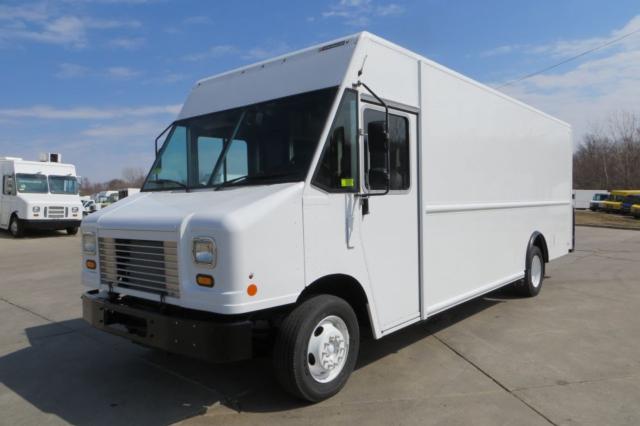
Have used ford step van truck to sell? List it here to reach thousands of buyers.
Used Ford Step Van Trucks
Powertrains on late-model Ford step vans usually center on gasoline, led by the 7.3L V8 with a TorqShift 6-speed automatic on the F-59 chassis. Many older units feature the 6.8L Triton V10 gas, and some legacy builds may show earlier small-block gas or occasional diesel offerings from cutaway platforms. Gas engines excel in stop-and-go, avoid aftertreatment costs, and start cleanly in cold weather, though they typically return 6 to 10 mpg. Diesel can offer more torque and slightly better highway fuel economy, yet brings DPF and SCR maintenance along with potential regen downtime. Parts availability and dealer coverage are strong with Ford, which helps control lifecycle cost on high-mileage city routes.
Bodies are typically aluminum from Morgan Olson, Utilimaster, or legacy Grumman Olson, which resists rust and keeps tare weight down. Look for features that protect the shell and cargo like scuff liners, e-track, and translucent roofs, plus operator aids like backup cameras, LED cargo lighting, and idle timers. Rear access is usually a roll-up door; swing doors are lighter and seal better but slow the driver. Hydraulic disc brakes with ABS are standard on most Ford step vans, 19.5-inch rubber is common on Class 5-6 units, and leaf-spring suspensions deliver durability with a firm ride. Aerodynamics are not a strong suit, so highway runs cost more fuel than a low-profile box truck with fairings, but the step van’s walk-through cab, curbside entry, and open floor plan make it hard to beat for parcel, uniform, food service, mobile workshop, or tool truck duty.
On used units, prioritize structural integrity and upfit value. Inspect frame rails, crossmembers, and spring hangers for corrosion, then check roof seams and rivet lines for leaks. Slide-door tracks, roll-up door slats, and liftgate pivots show route wear; budget for rollers, cables, and cylinder work if they drag or chatter. Verify true payload by weighing the truck as configured with shelves, liftgate, and fuel, then compare to the door tag. In delivery fleets, engine hours matter as much as miles because of idle time, so review hour meters if available. Finally, confirm emissions compliance for your state, since older diesels can face CARB restrictions while most gas F-59 units are simpler to register and keep in compliance.
Frequently Asked Questions about Used Ford Step Van Trucks
What sizes and GVWR should I target on a used Ford step van?
Match size to your heaviest route and loading method. Shorter 14 to 16 foot bodies on Class 3-4 chassis fit tight urban streets and hand-carry parcels. Heavier cart or bulk freight often needs 18 to 22 foot bodies on Class 5-6 chassis with 16,000 to 22,000 pound GVWR. Confirm interior height for rolling racks and verify rear door opening, ramp or railgate capacity, and axle ratings against your actual payload.
Gas or diesel for a Ford walk-in van used in last-mile delivery?
Gasoline is usually the better total-cost choice for stop-and-go routes. The 7.3L V8 or 6.8L V10 avoids aftertreatment, warms up quickly, and reduces regen-related downtime, though it typically returns 6 to 10 mpg. Diesel can shine with heavier loads or longer highway legs, but you take on DPF and SCR service and higher parts costs. Evaluate route profile, fuel pricing in your region, and technician capability before deciding.
Which body options add the most value on a used step van?
High-impact options include interior shelving that matches your parcel size, scuff liners to protect the walls, e-track for flexible securement, LED cargo lighting, and a backup camera. For cart-based work, a railgate with adequate platform depth and 2,000 to 3,000 pound rating is useful. A translucent roof brightens the bay, while auxiliary HVAC helps food or service builds. Choose a roll-up door for speed or swing doors for better sealing and lower maintenance.
How do I evaluate the condition of a used Ford step van quickly?
Start underneath with frame rails, crossmembers, brake lines, and spring perches for rust or collision repair. Check roof seams, rivets, and the floor around wheel wells for leaks or rot. Test slide doors, roll-up doors, and liftgate operation under load. Review tire dates, brake pad thickness, and transmission shift quality on a loaded road test. Pull engine hours if available, confirm no active fault codes, and verify that VIN, door tag GVWR, and equipment match the title and your route needs.
Are older Ford step vans compliant with emissions rules in CARB states?
Compliance depends on model year, fuel type, and GVWR. Many gasoline F-59 units meet current requirements with routine inspection, while older diesel platforms can fall under phased restrictions or retrofit mandates. Check your truck’s engine family number, aftertreatment equipment, and local fleet rules, then confirm with your state’s compliance checker before purchase.