
Ford Step Van Trucks For Sale
Compare Ford step vans built on F-59 and E-450 chassis. Learn common specs, bodies, and powertrains to match parcel, service, or food truck routes.
No exact matches found for your search
Showing Step Van Trucks instead.
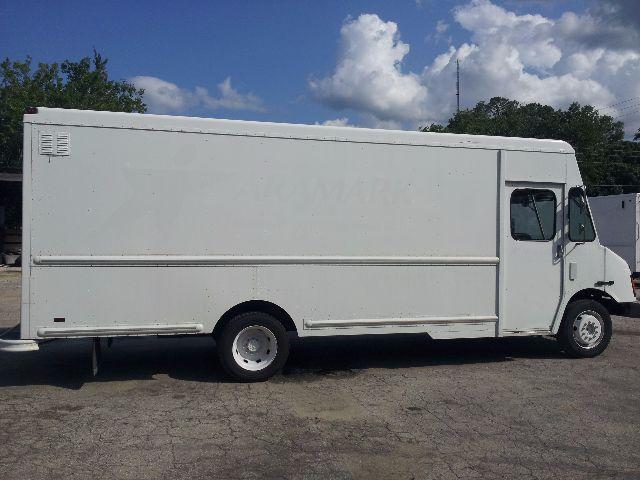
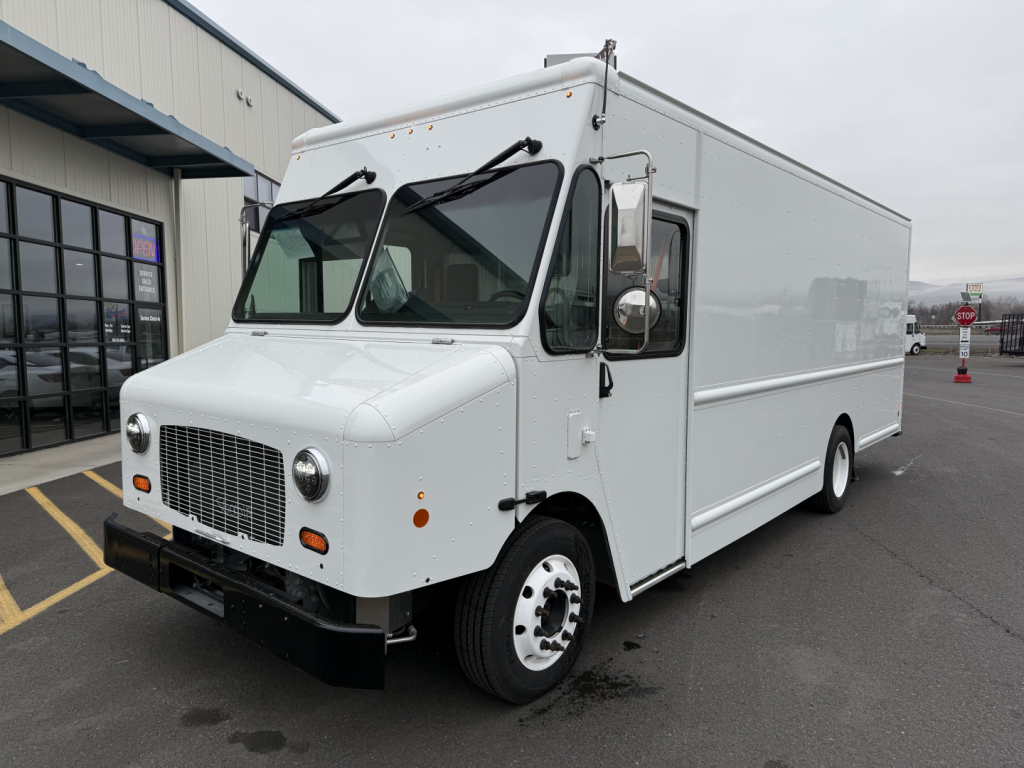
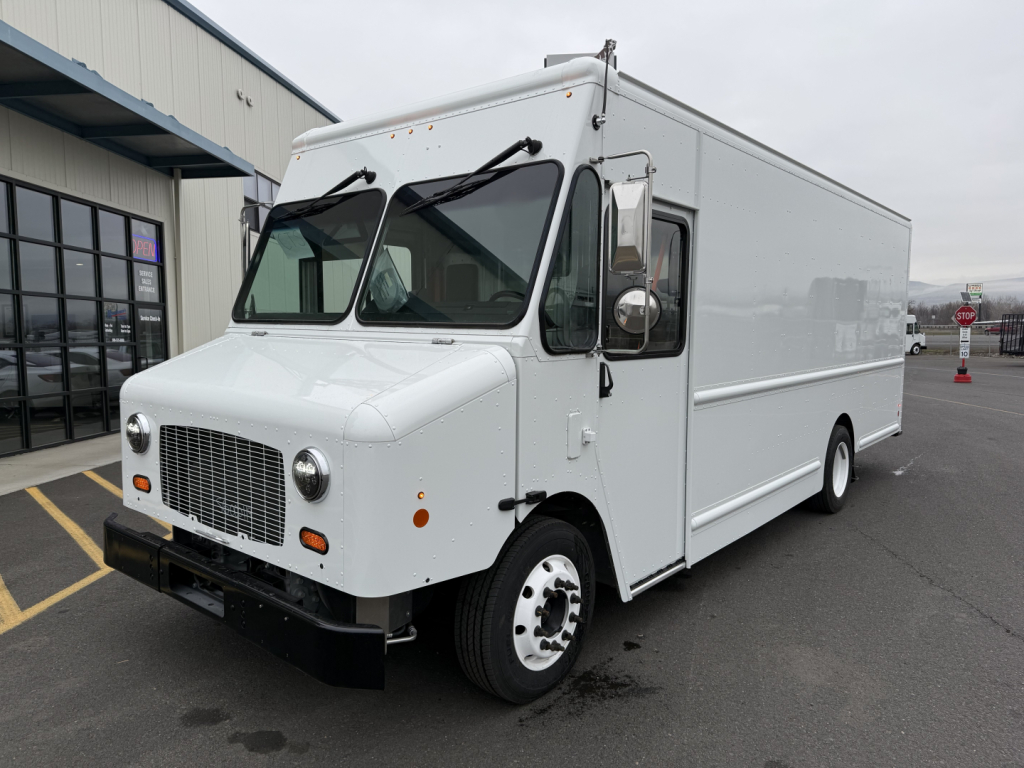
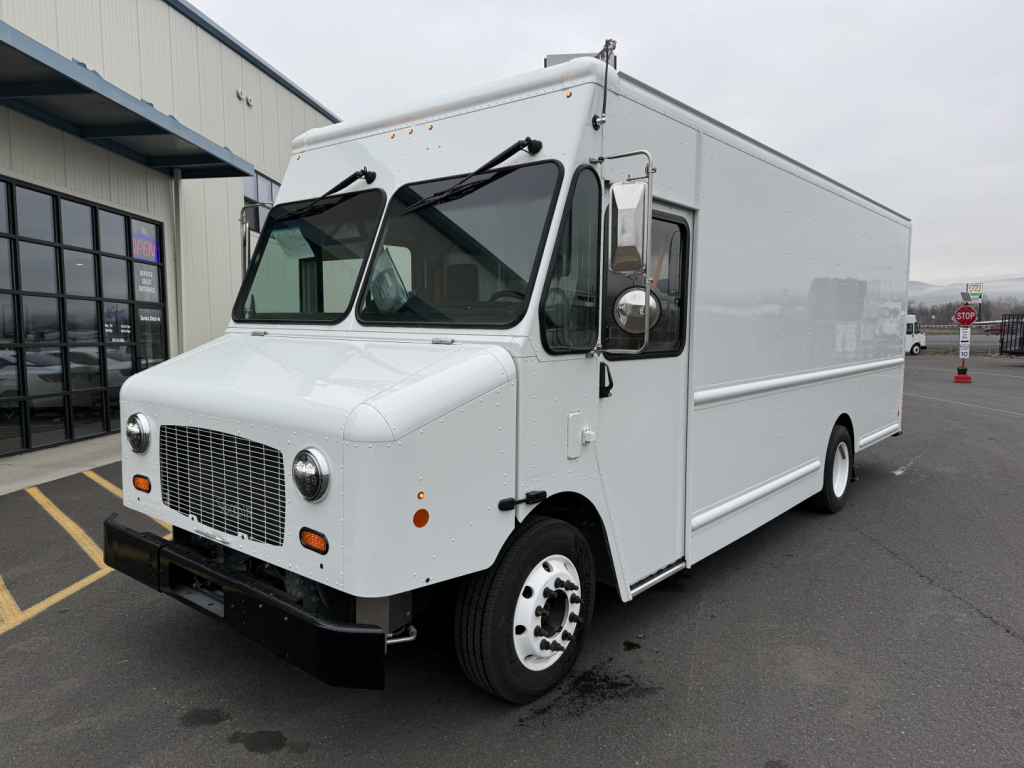
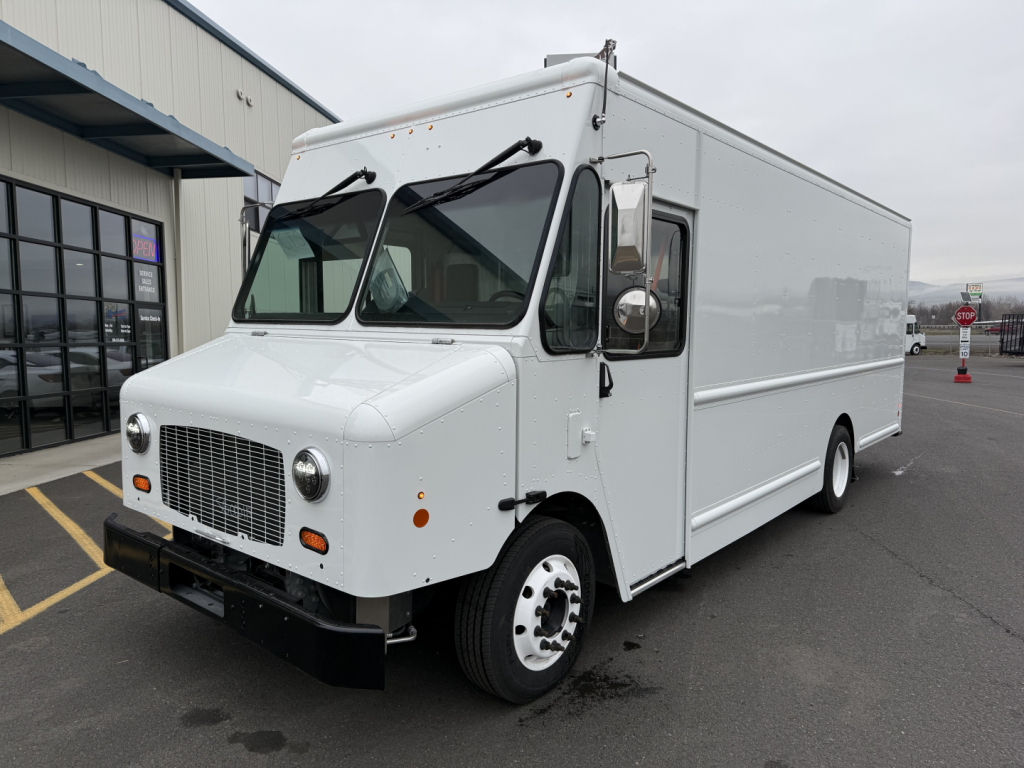
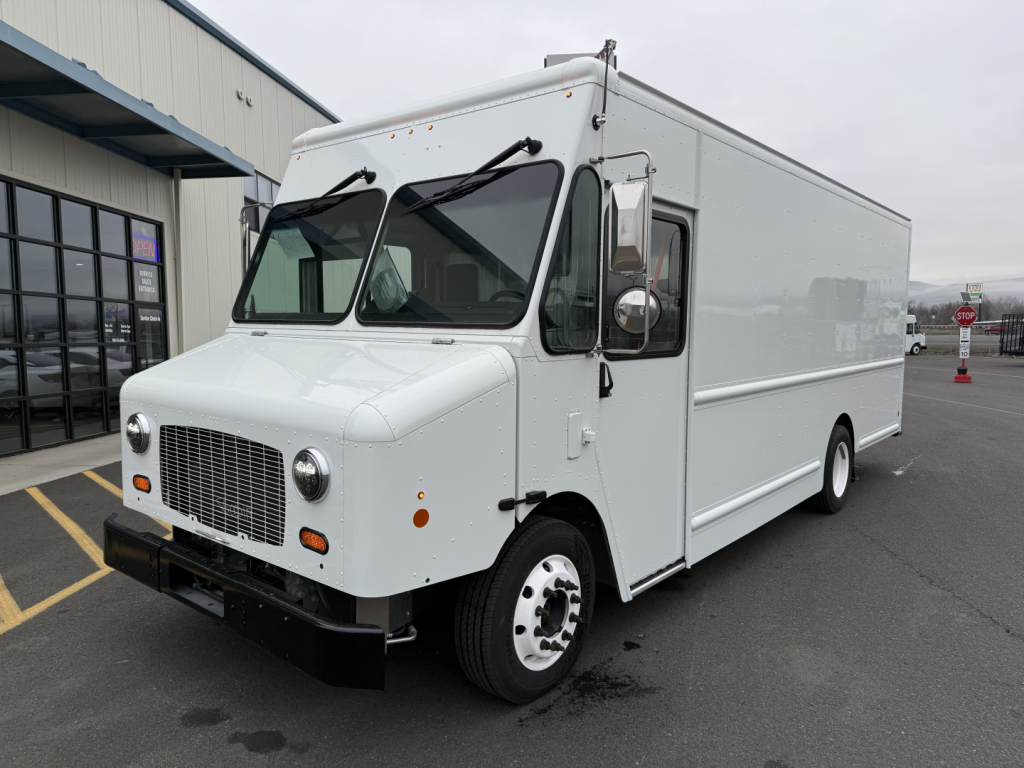
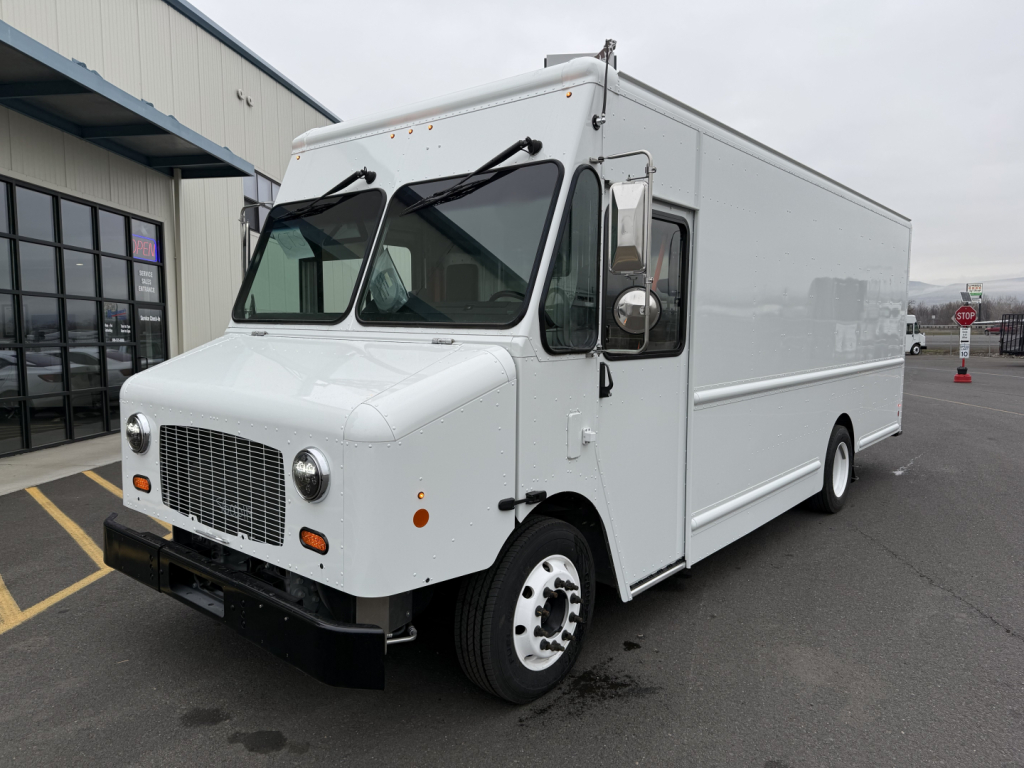
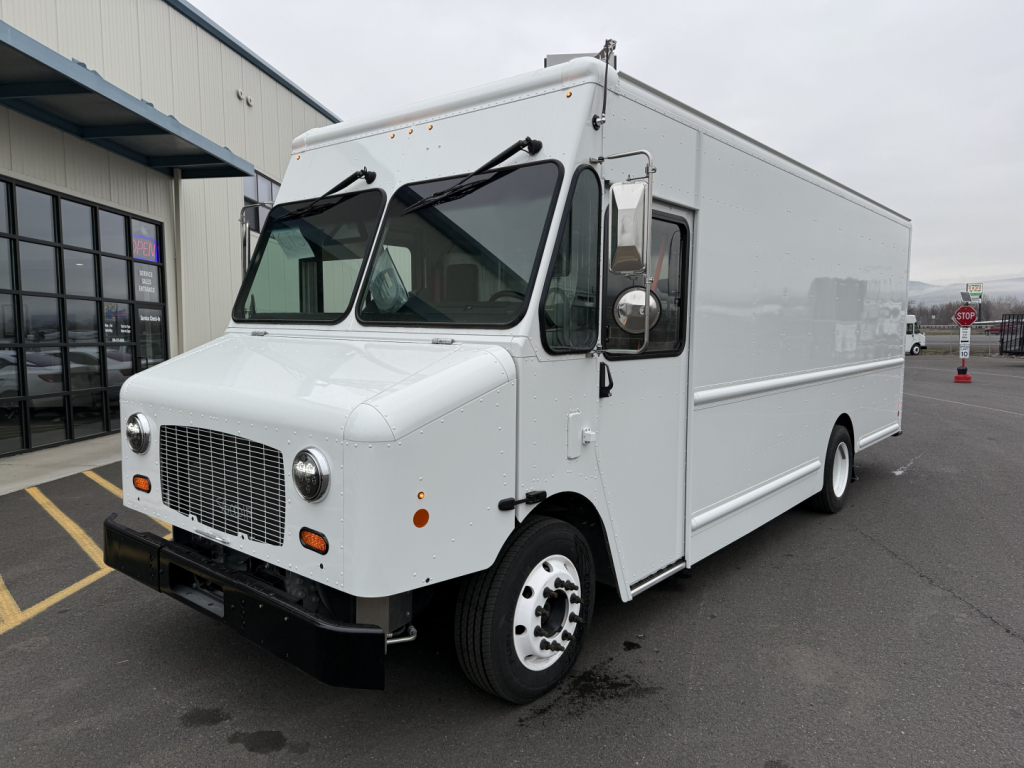
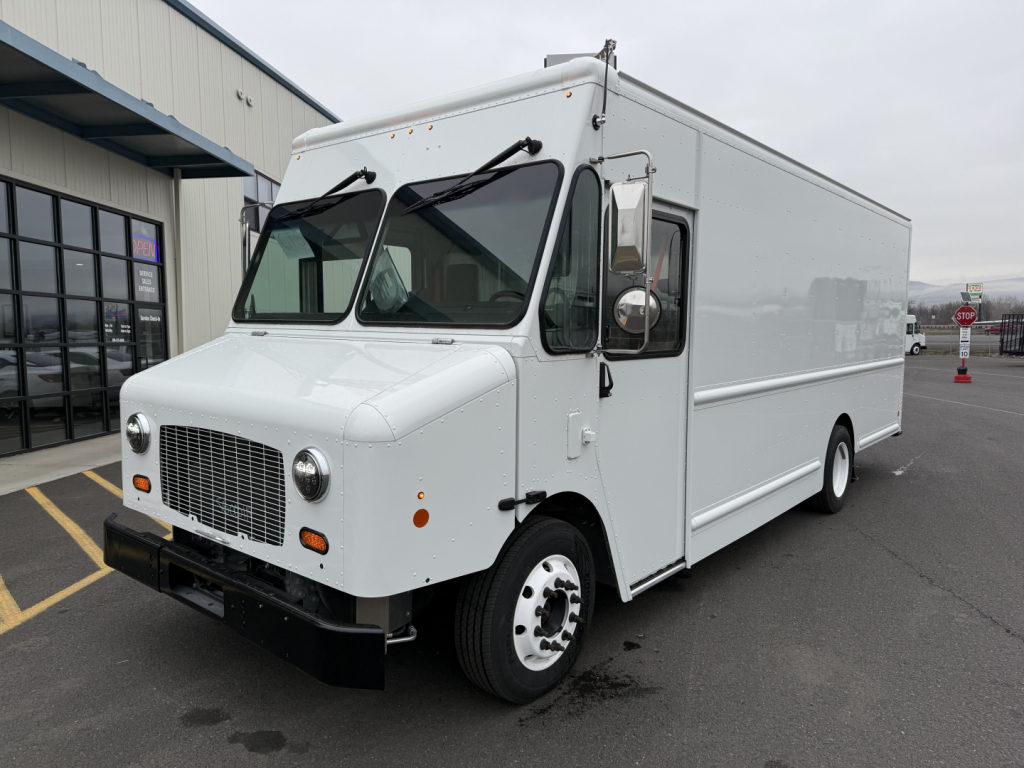
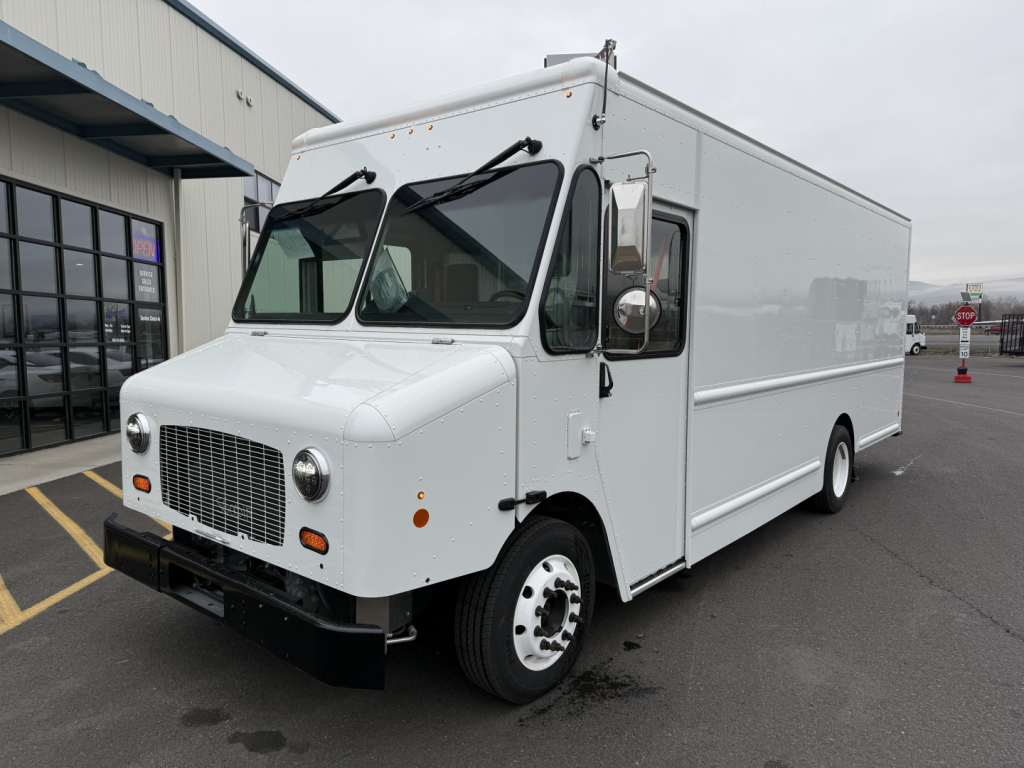
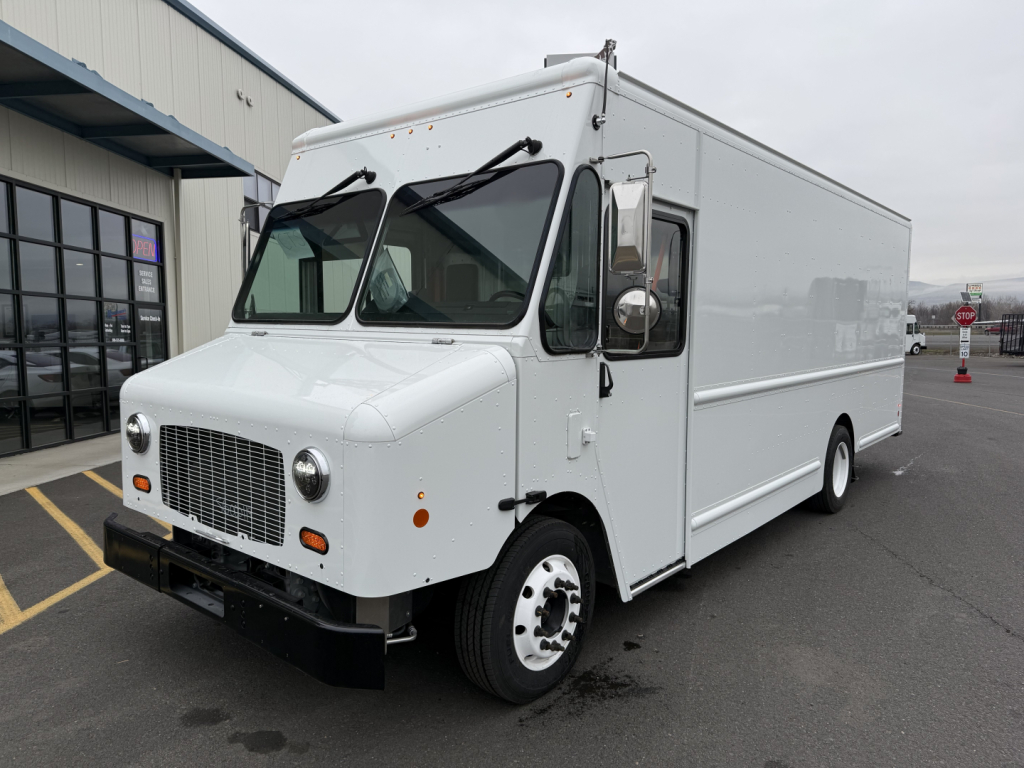
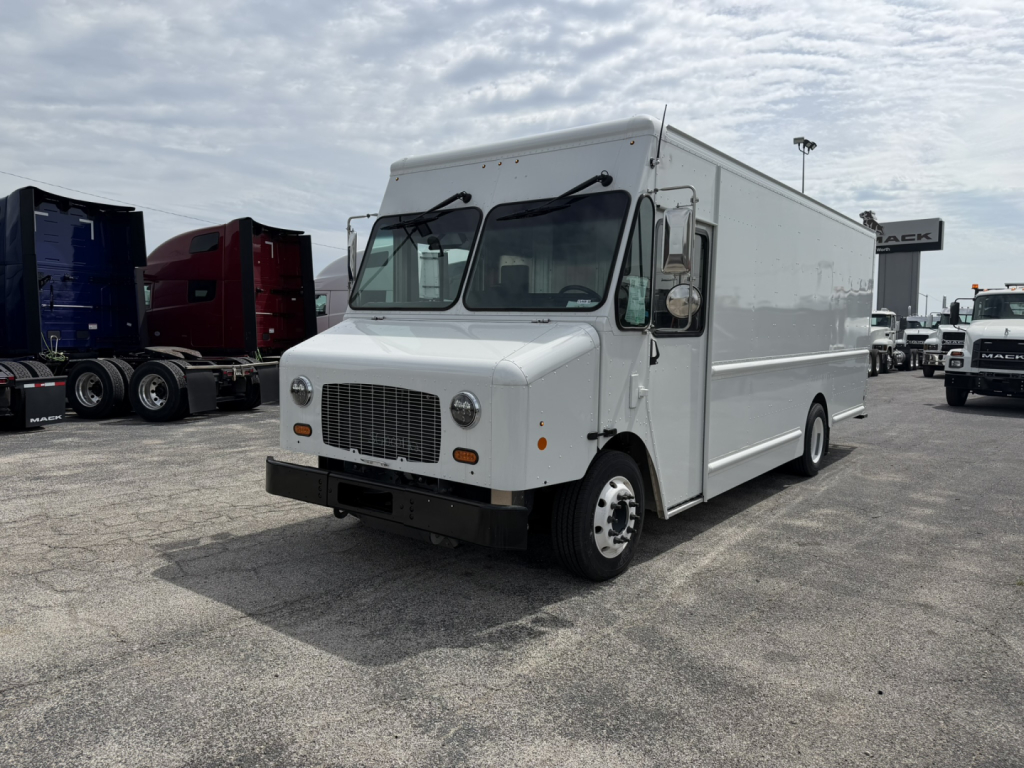
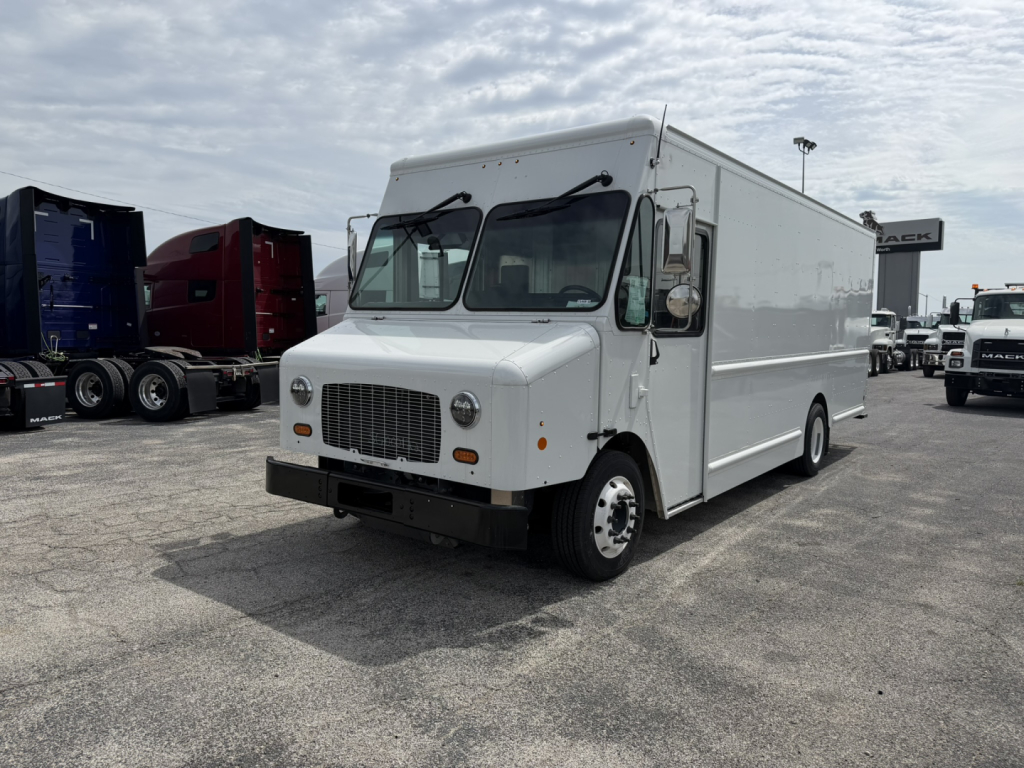
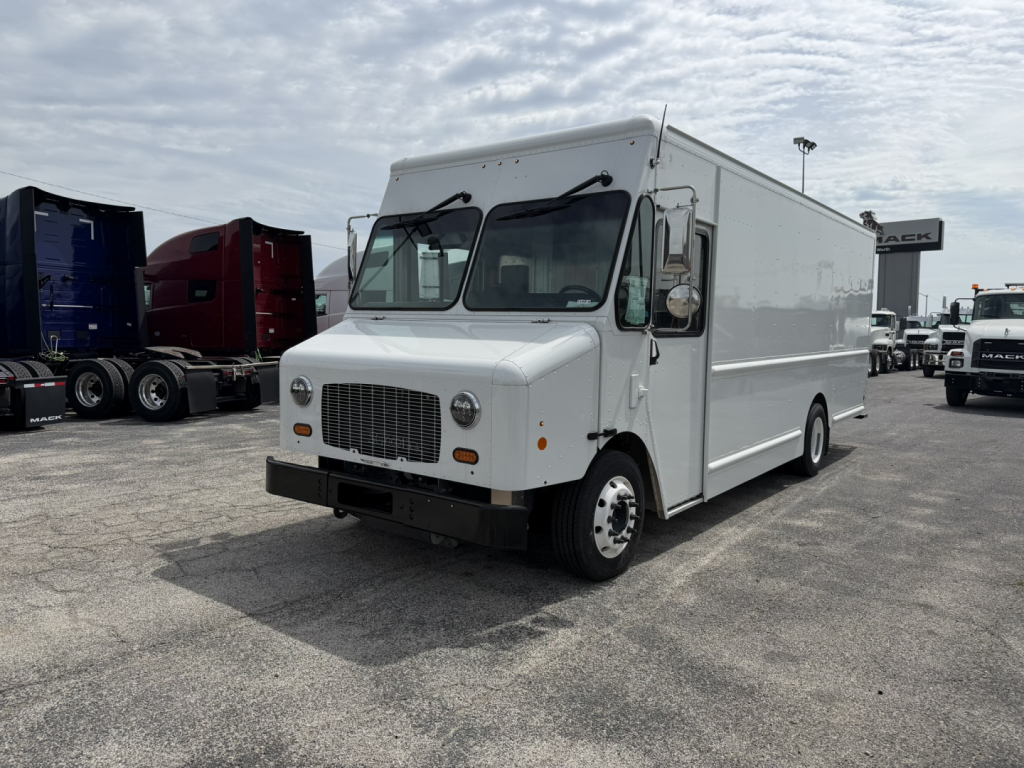
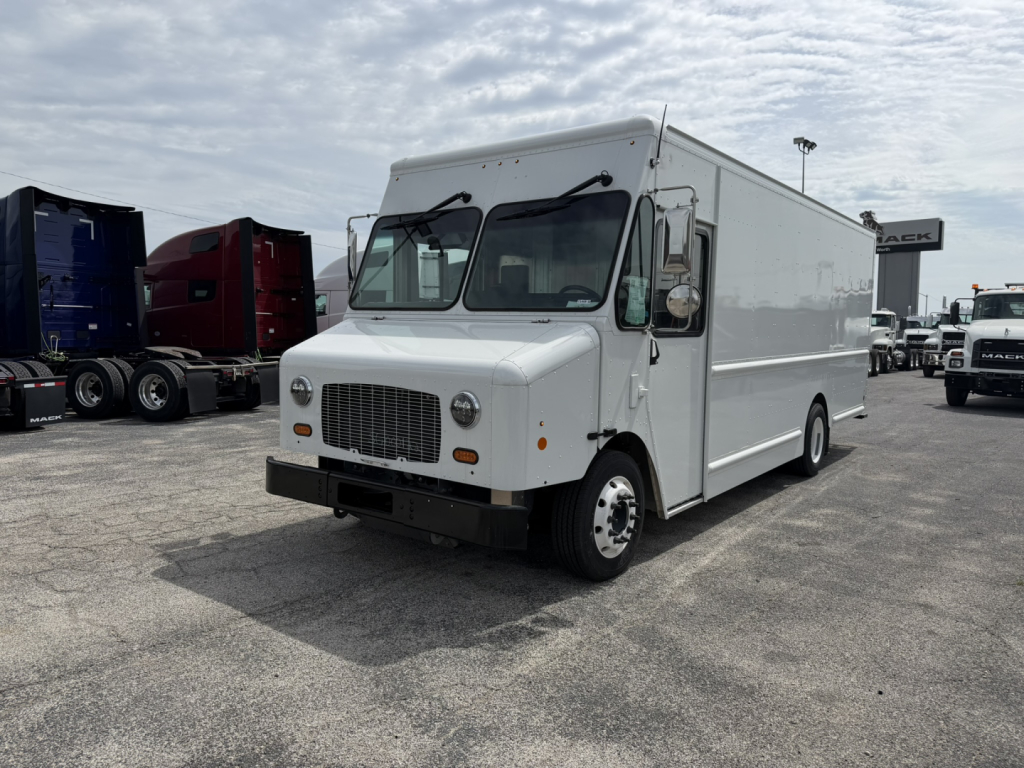
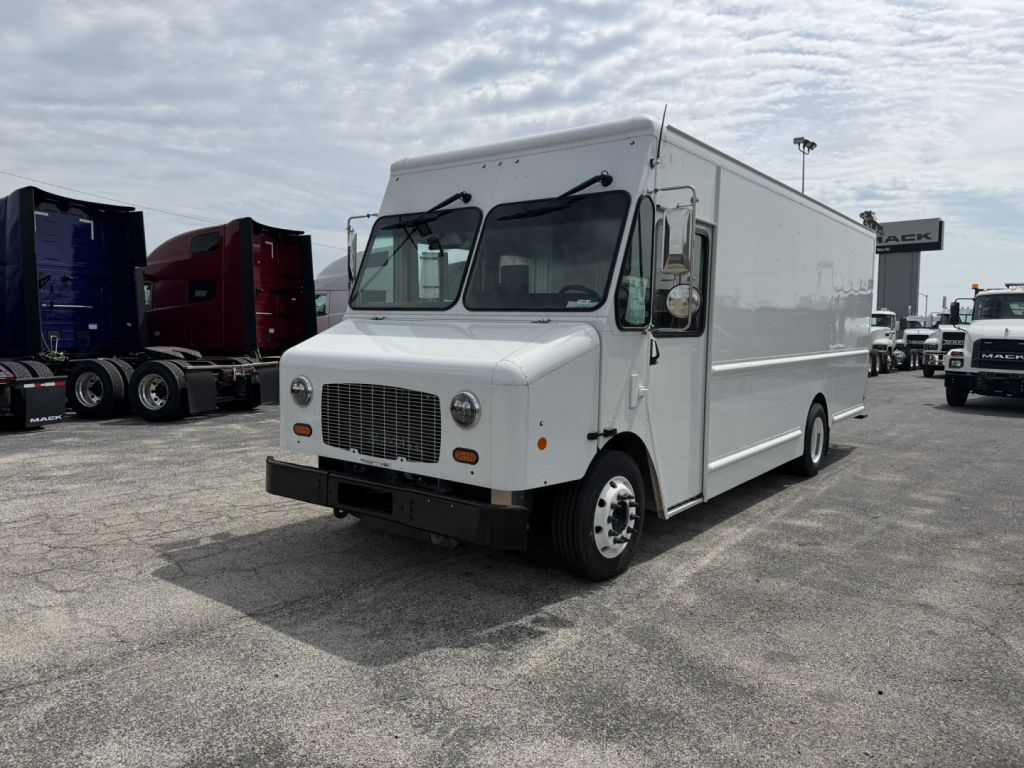
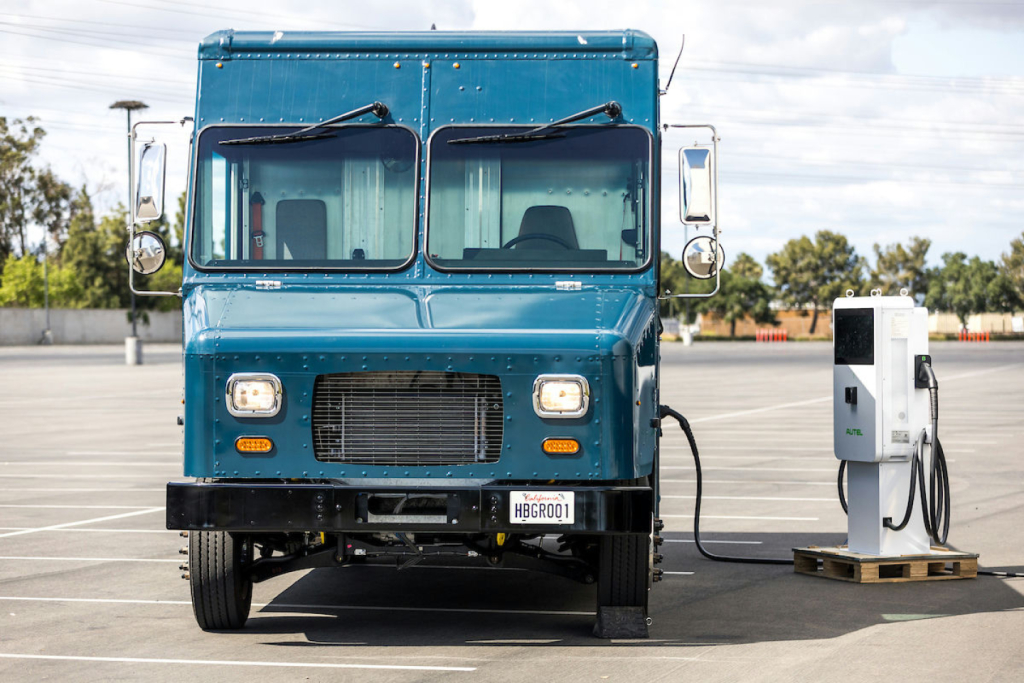
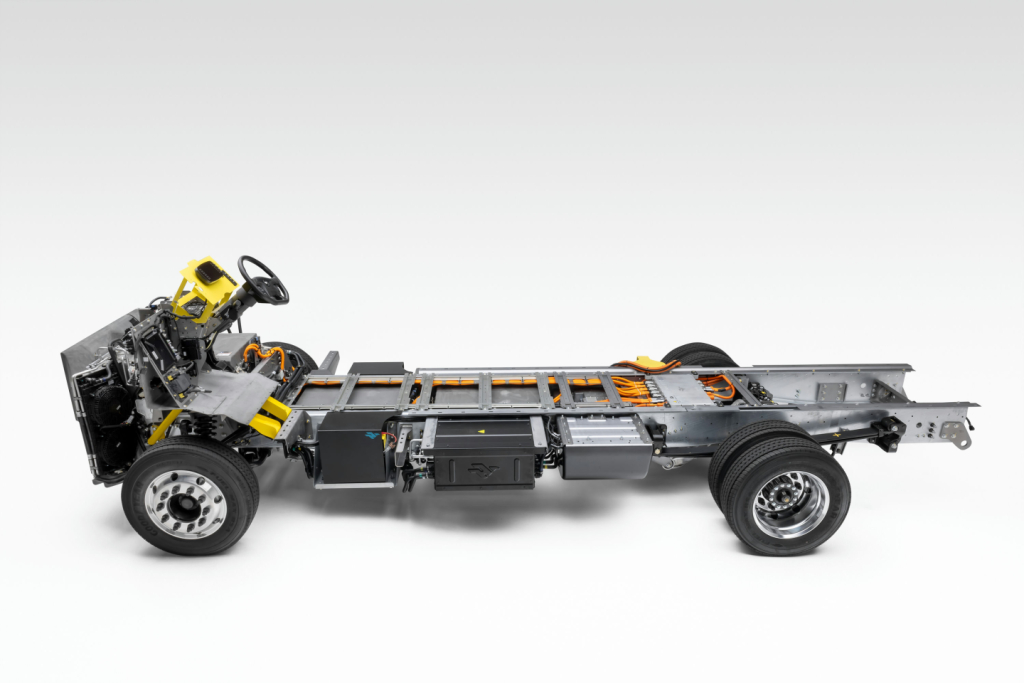
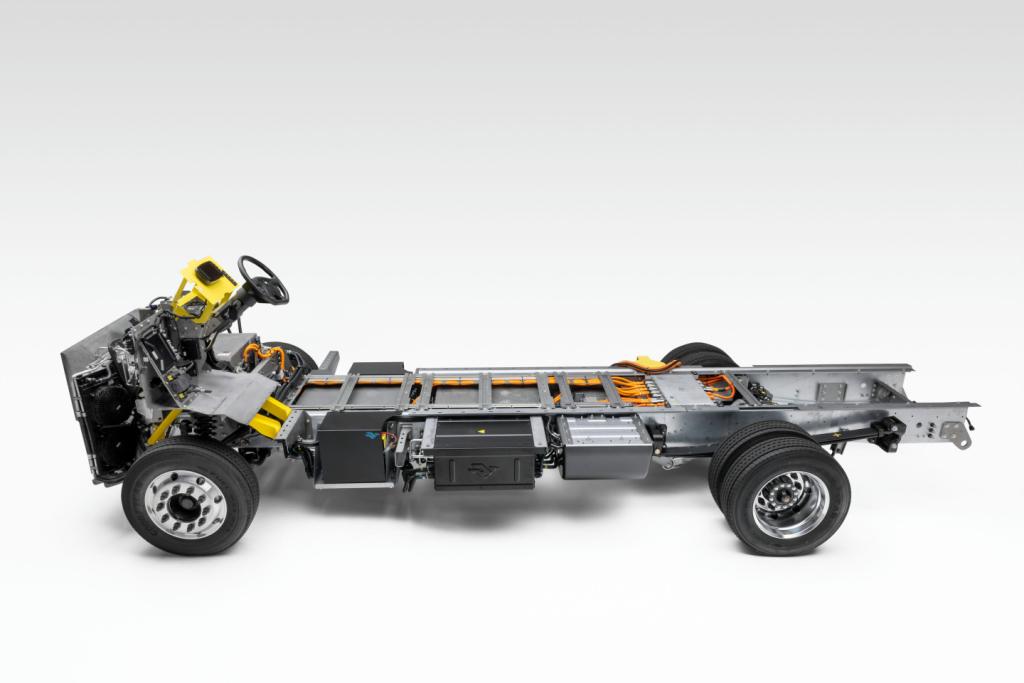
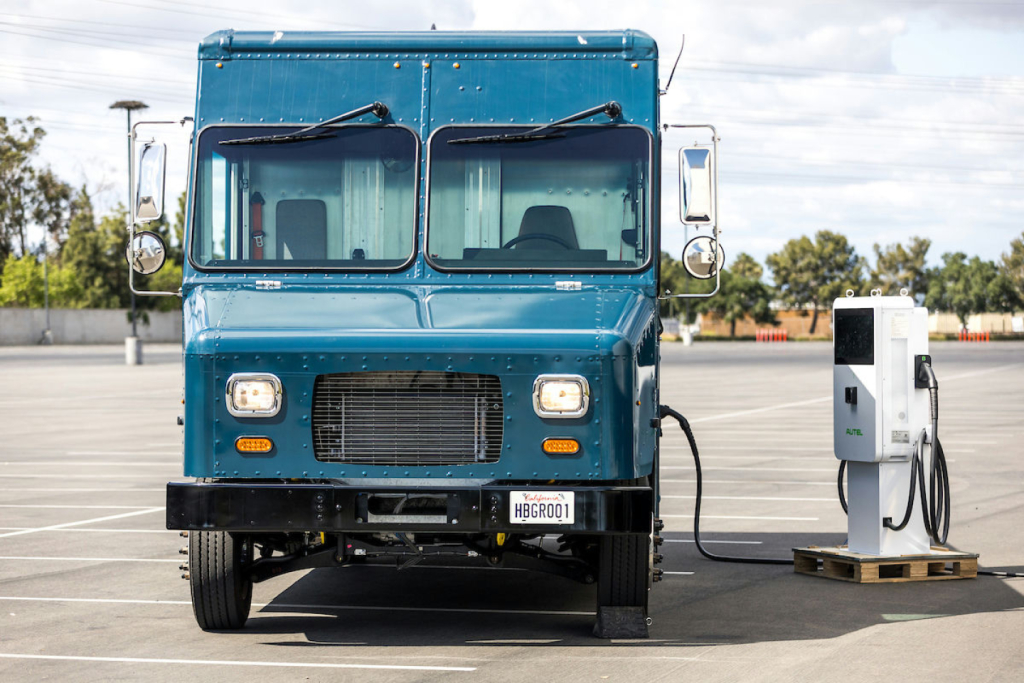
Showing 1 to 28 of 29 results
Selling a ford step van truck? List your ford step van truck for sale and reach thousands of commercial buyers.
Ford Step Van Trucks
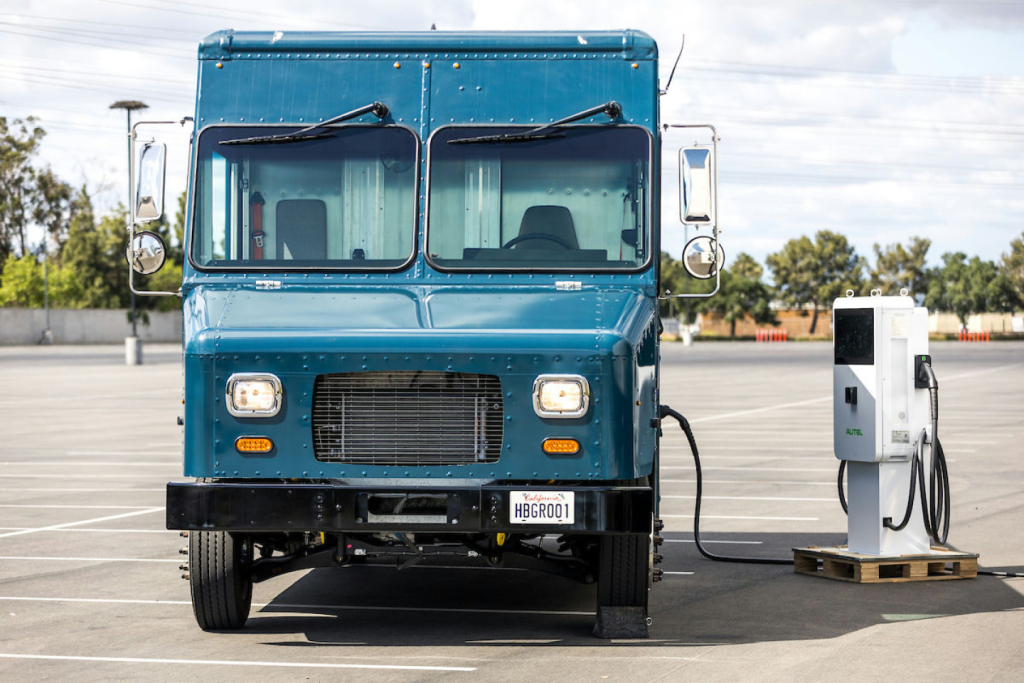
Body builders like Morgan Olson and Utilimaster typically supply riveted aluminum shells with roll-up rear doors, curbside sliding entry, and a locking bulkhead. Interior height commonly falls between 74 and 85 inches. Package racks, E-track, and scuff liners protect walls and speed loading. Floors are often hardwood or aluminum treadplate; look for wear at the step well, rear threshold, and under wheels from pallet jacks. For route work, LED cargo lighting, backup cameras, and convex mirror packages are practical upgrades. Liftgates can be rail or tuck-under; rail gates simplify hand loading while tuck-under designs preserve rear approach angles and dock compatibility. Many buyers repurpose these platforms as food trucks or mobile service units; in that case, confirm electrical capacity, generator integration, and ventilation, plus verify payload headroom after adding equipment and tanks.
Powertrains on Ford step vans skew gasoline. The 6.8L Triton V10 was the F-59 staple for years and is known for durability but modest fuel economy. Newer builds often carry the 7.3L Ford V8 that delivers better low-speed torque, simpler emissions hardware, and improved mpg in dense routes. Transmissions are typically TorqShift automatics with tow-haul logic; rear axle ratios vary, with deeper gears improving launch and hill performance at the expense of highway economy. Ford offered gaseous prep packages, so you may see CNG or propane conversions that cut fuel cost and help with regional emissions compliance. Diesel-powered Ford step vans exist in older E-series builds but are less common than gasoline F-59 units. Expect 6 to 10 mpg in heavy city service depending on load, route topography, and driver behavior; tire pressure maintenance and aggressive idle management move the needle.
When comparing listings, start with GVWR, wheelbase, and body length, then verify actual payload by reviewing the certification label and any upfit invoices. Check front axle rating against loaded curbside shelves to avoid premature tire wear and steering gear stress. Inspect the roll-up door tracks and springs, hinge corrosion at the curb door, and the step well for rust. On higher-mile units, budget for front-end bushings, brake rotors, and driveline u-joints given stop-start duty cycles. If you operate in California or other emissions-restricted regions, gasoline F-59s simplify compliance. For snow-belt fleets, undercoating and regular wash programs reduce galvanic corrosion between aluminum bodies and steel subframes. The right Ford step van balances maneuverability, cargo cube, and uptime so your route density and driver workflow stay profitable.
Frequently Asked Questions about Ford Step Van Trucks
What GVWR and body sizes are most common on Ford step vans?
Most Ford-based step vans fall between 12,000 and 22,000 lb GVWR. F-59 chassis typically range from 16,000 to 22,000 lb, while E-350 and E-450 stripped chassis run lighter. Body lengths commonly span 14 to 22 ft, with interior heights in the 74 to 85 inch range. Shorter bodies favor dense urban routes; longer bodies increase stop count per loop but need more curb space and careful weight management.
How do the Ford 7.3L V8 and 6.8L V10 compare for step van duty?
Both are proven gasoline workhorses. The 6.8L Triton V10 has a long uptime track record but tends to use more fuel. The newer 7.3L V8 offers stronger low-end torque, simpler emissions hardware, and typically better mpg in stop-and-go delivery work. Either paired with a TorqShift automatic is well suited for frequent stops and steep neighborhood grades.
Gas, diesel, or alt fuel for a Ford step van route truck?
Gasoline dominates F-59 builds and simplifies emissions compliance while keeping maintenance predictable. Diesel shows up mainly in older E-series platforms and can deliver better highway economy but introduces aftertreatment complexity in newer eras. Some Ford chassis include gaseous prep for CNG or propane; these can lower fuel cost per mile and meet regional clean-fuel incentives if refueling is accessible.
What should I inspect on a used Ford step van before buying?
Verify the certification label for GVWR and axle ratings, then compare to the upfit weight so you know true remaining payload. Inspect the roll-up door tracks and springs, curbside door rollers, and bulkhead latch. Look closely at the step well, rear frame extensions, and body-to-frame interfaces for corrosion. On higher-mile units, check front suspension bushings, brake rotor thickness, and any leaks around the transmission cooler lines. Confirm rack integrity, floor condition under wheel paths, and operation of liftgates or generators if equipped.
Can a Ford step van tow, and how much?
Many Ford step vans can tow modestly, but ratings vary by chassis, hitch class, and GCWR. F-59 configurations often support trailer hitches and can handle light to medium towing for route support equipment. Always verify the hitch label, rear frame reinforcement, and GCWR on the door sticker, then account for loaded vehicle weight so you do not exceed limits.