
Ford Step Van Trucks For Sale in Missouri
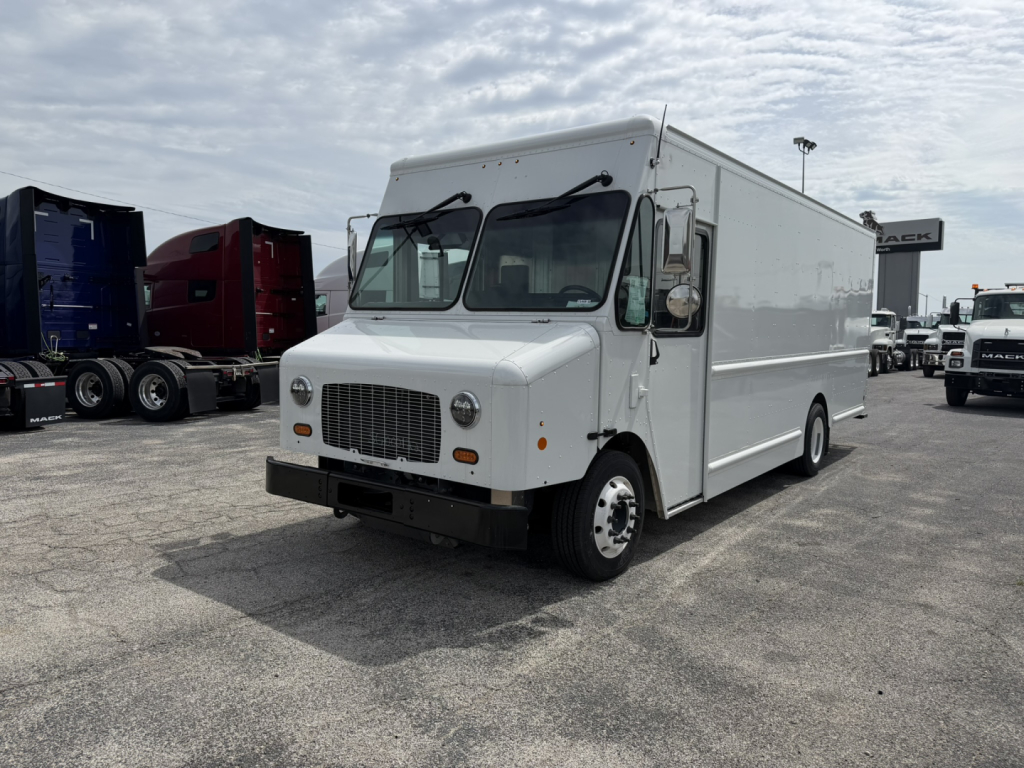
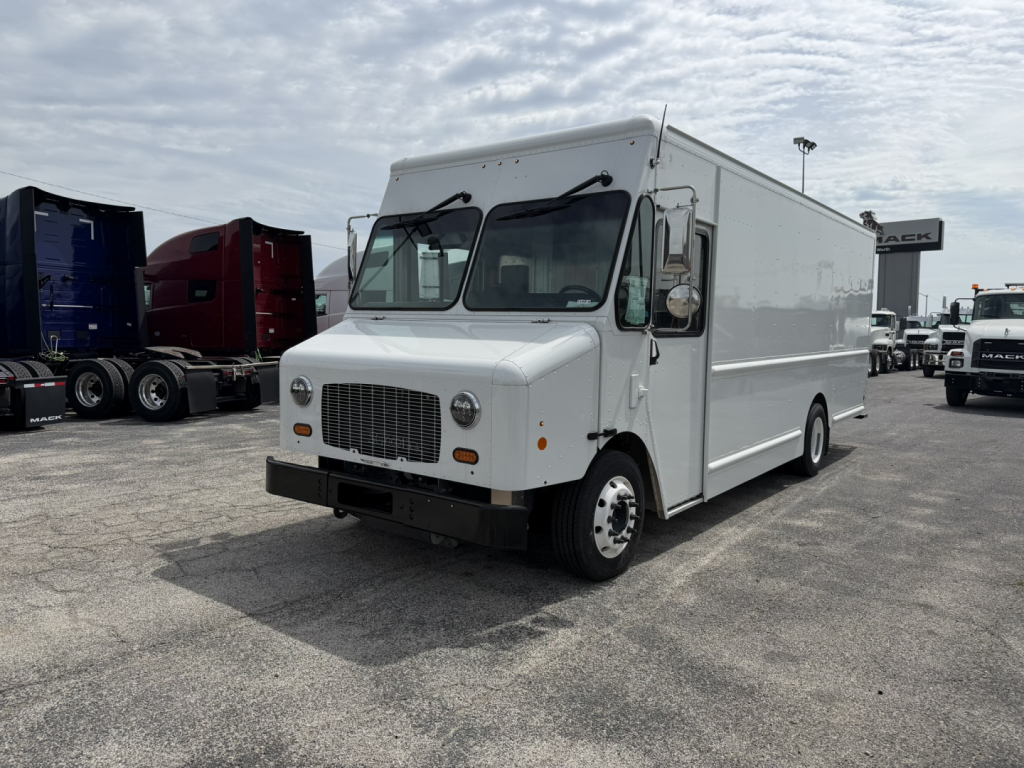
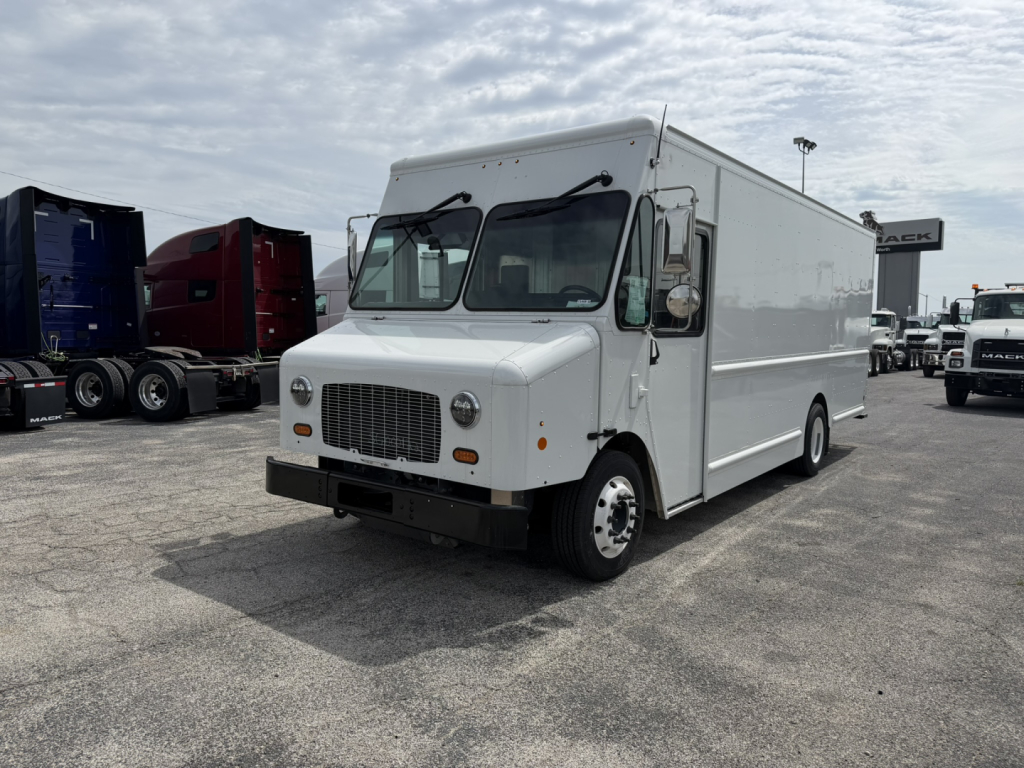
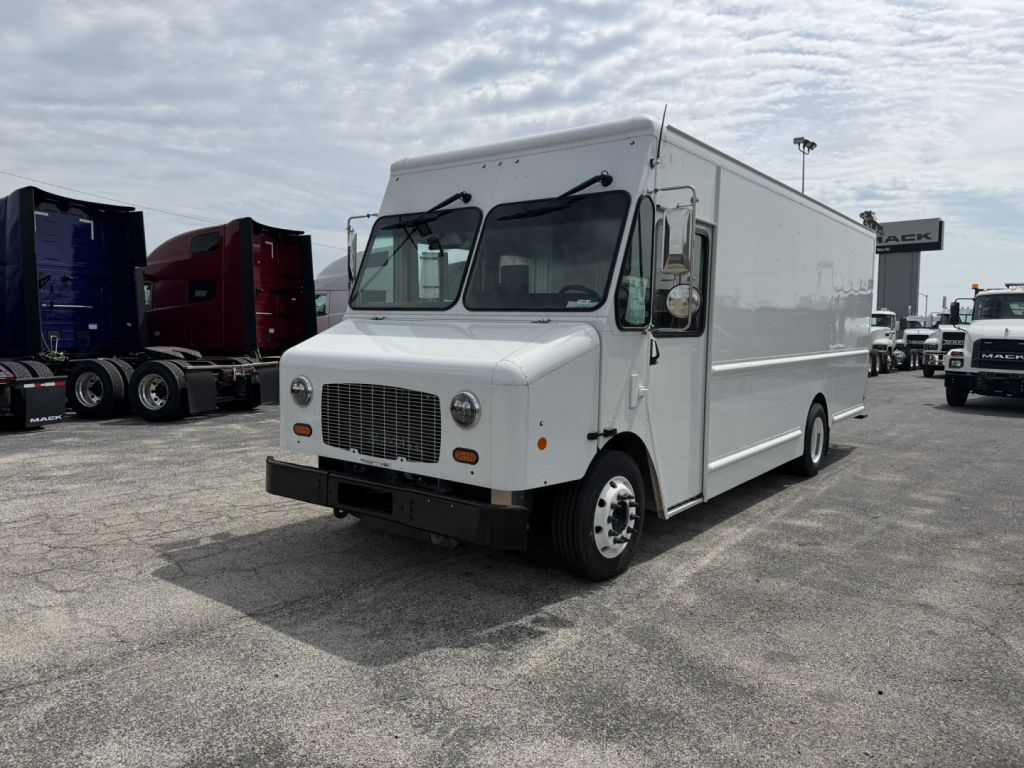
Find Ford step vans in Missouri. Compare F-59 walk-in vans by GVWR, body length, gas V8 power, and options for delivery, service, or food truck builds.
No exact matches found for your search
Showing Step Van Trucks instead.
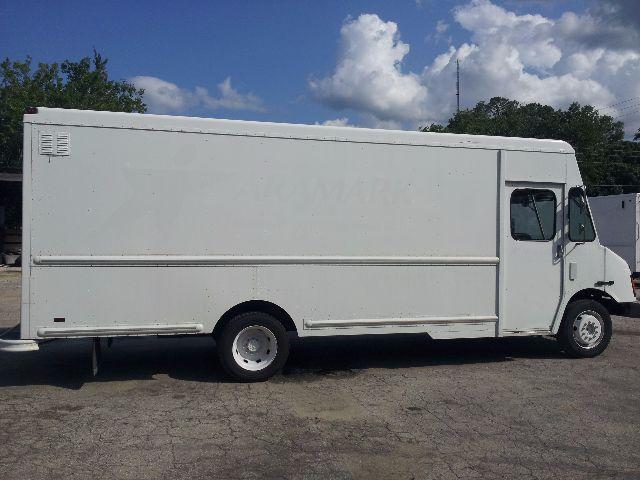
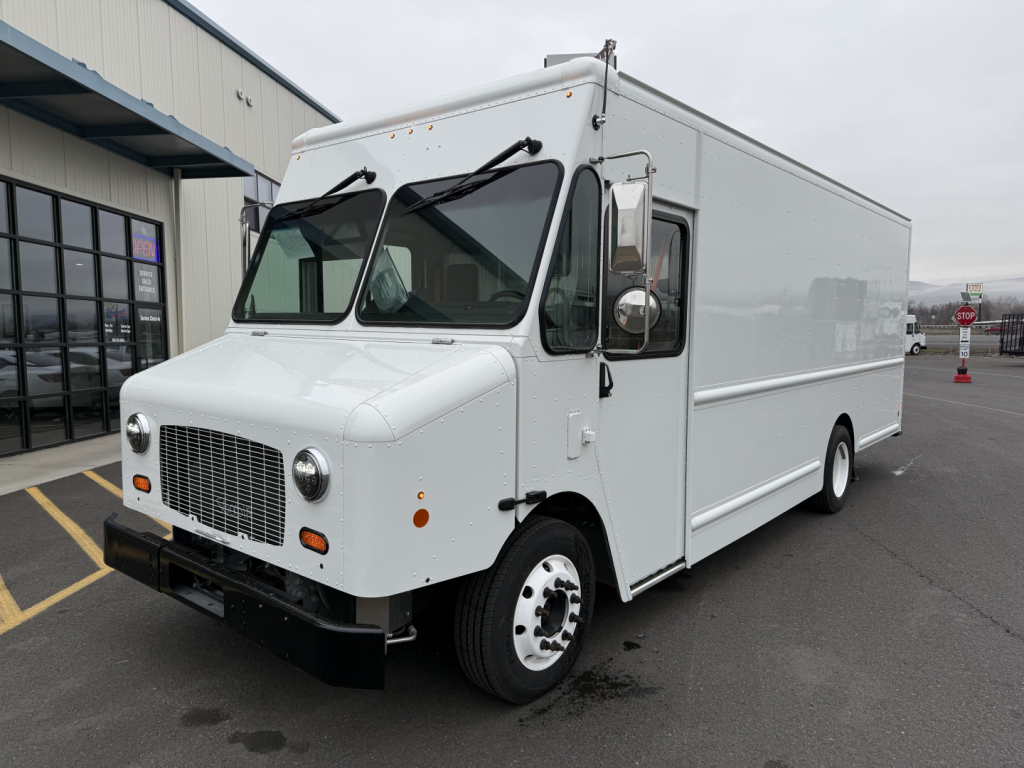
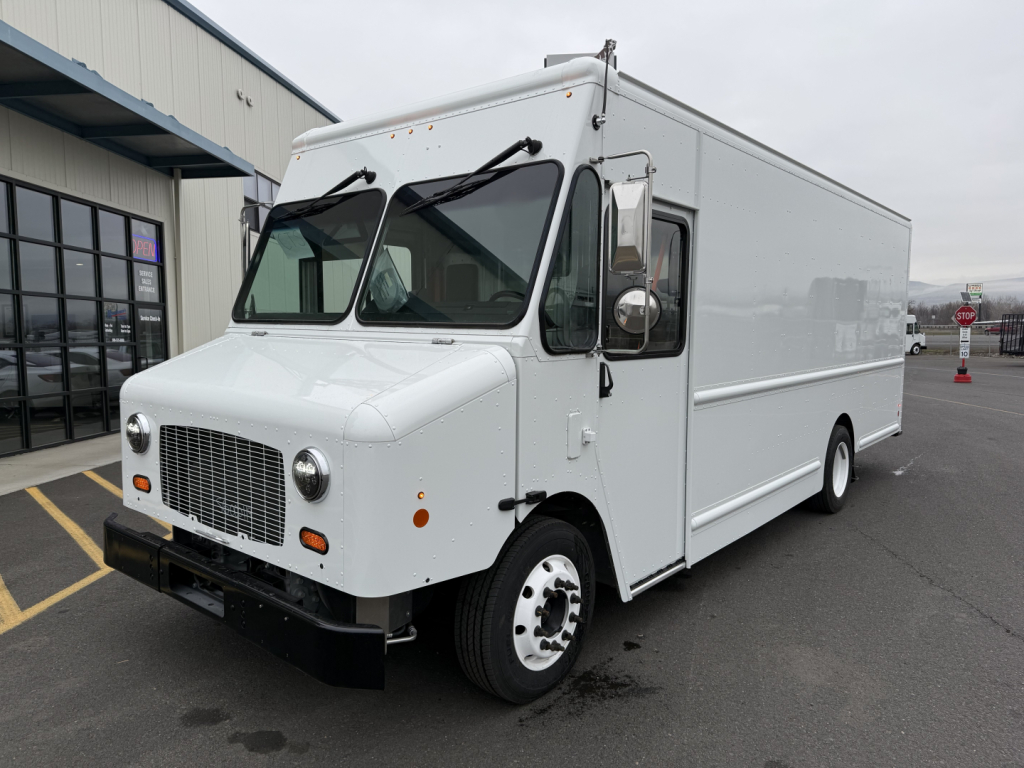
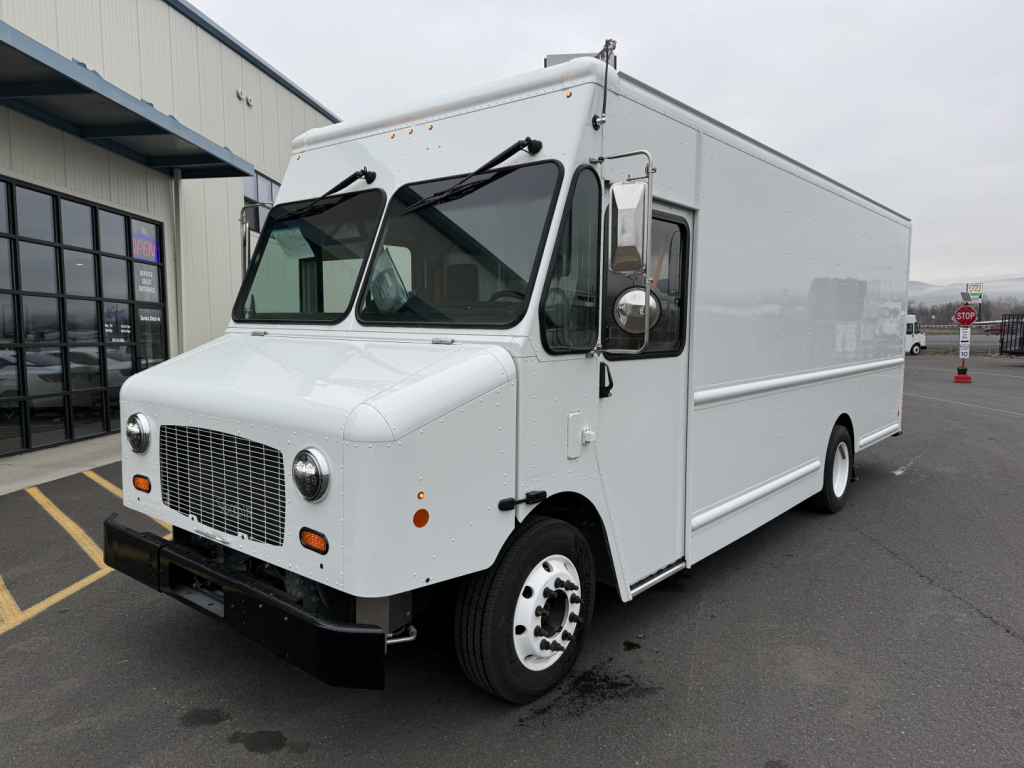
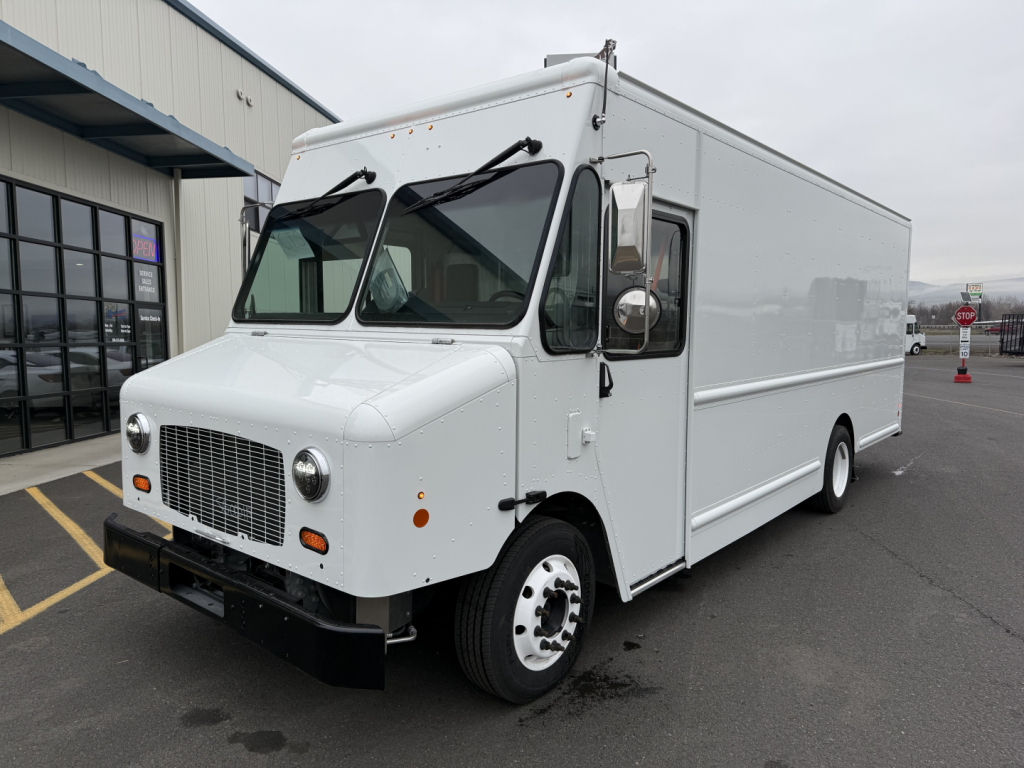
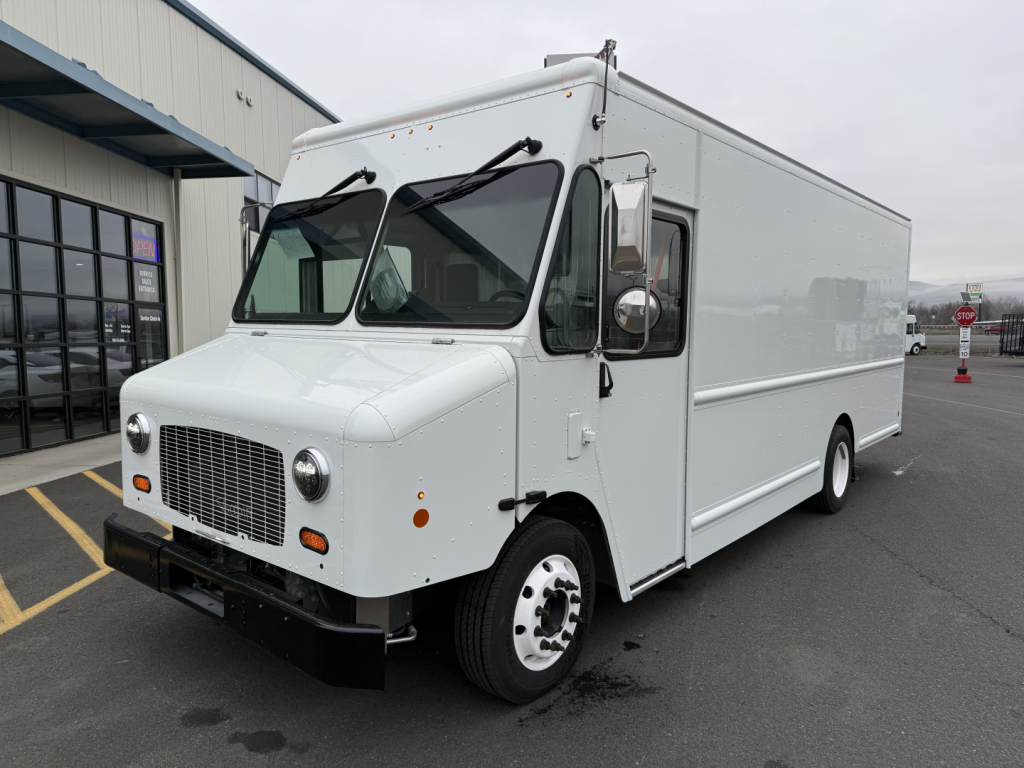
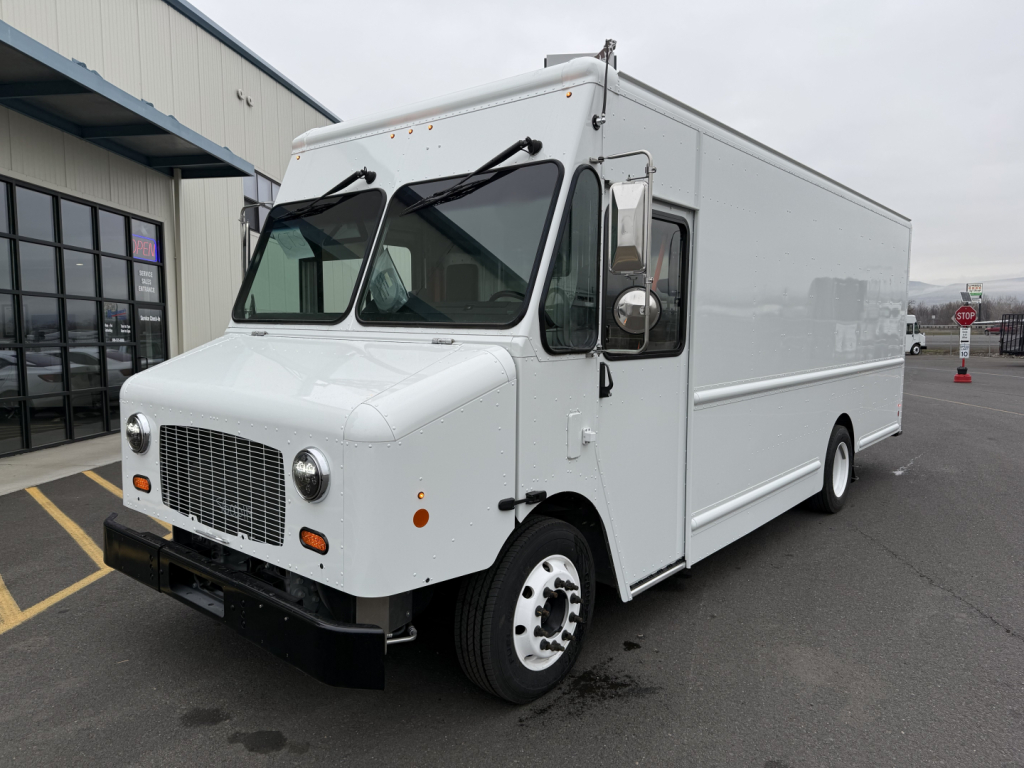
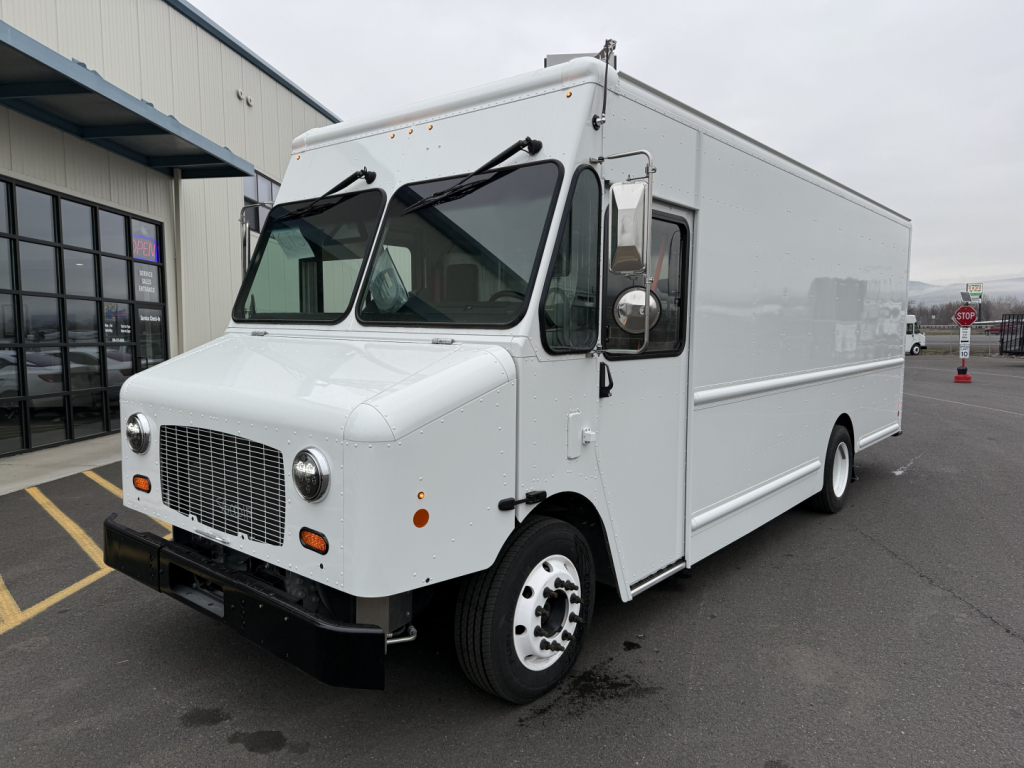
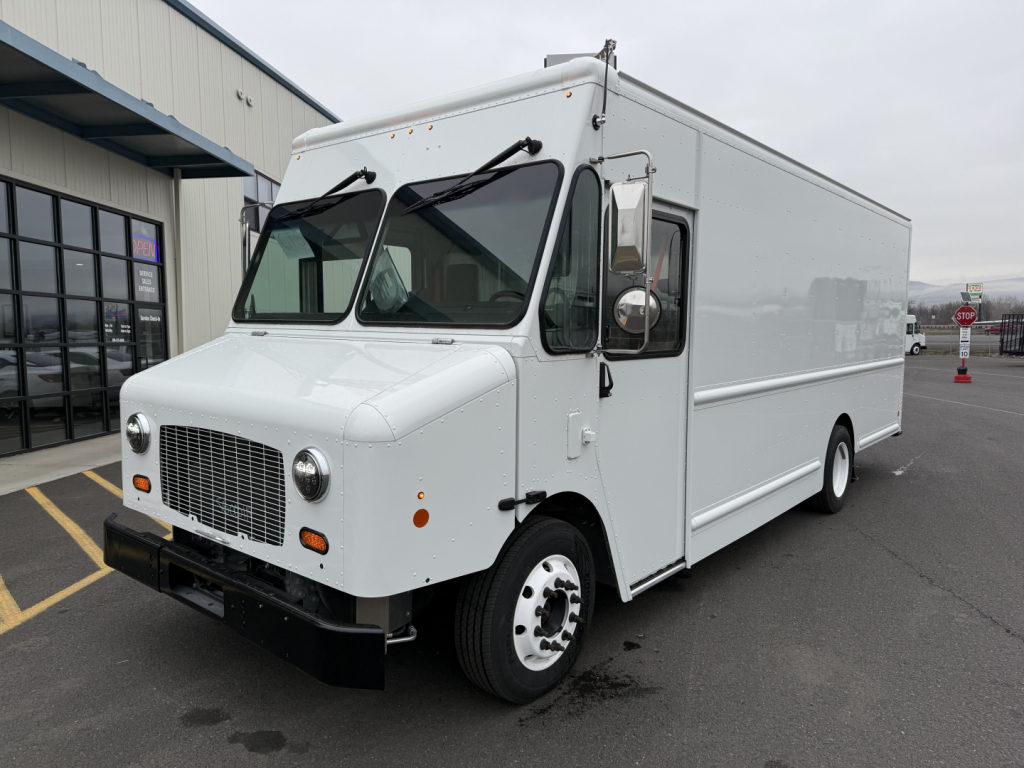
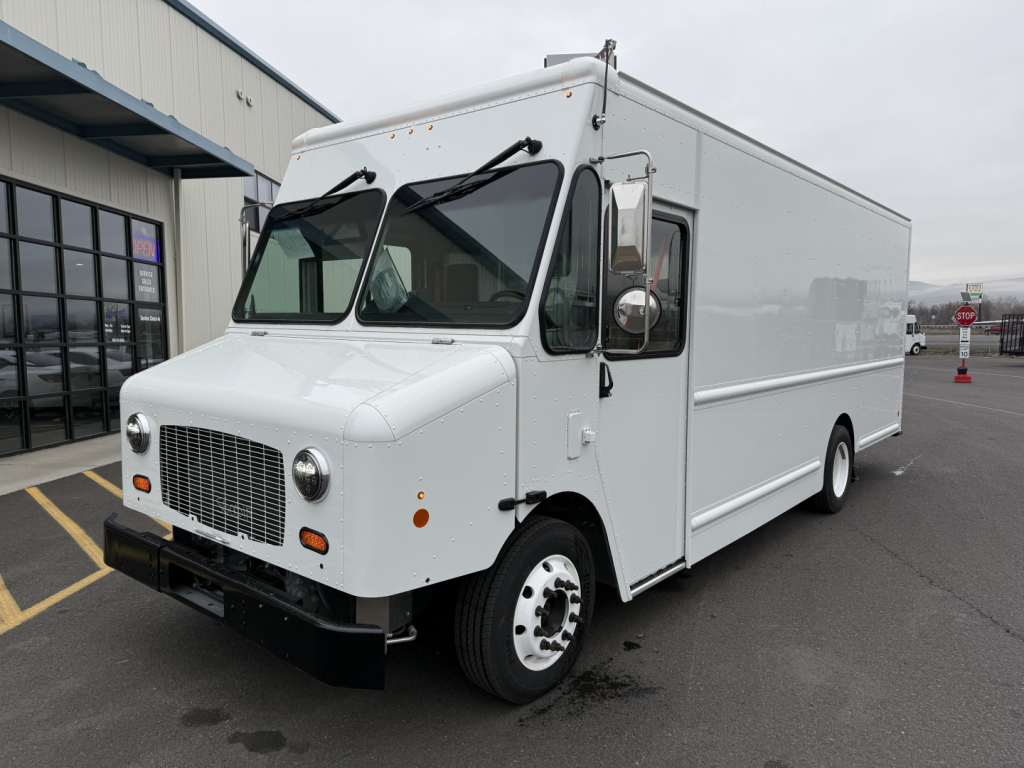
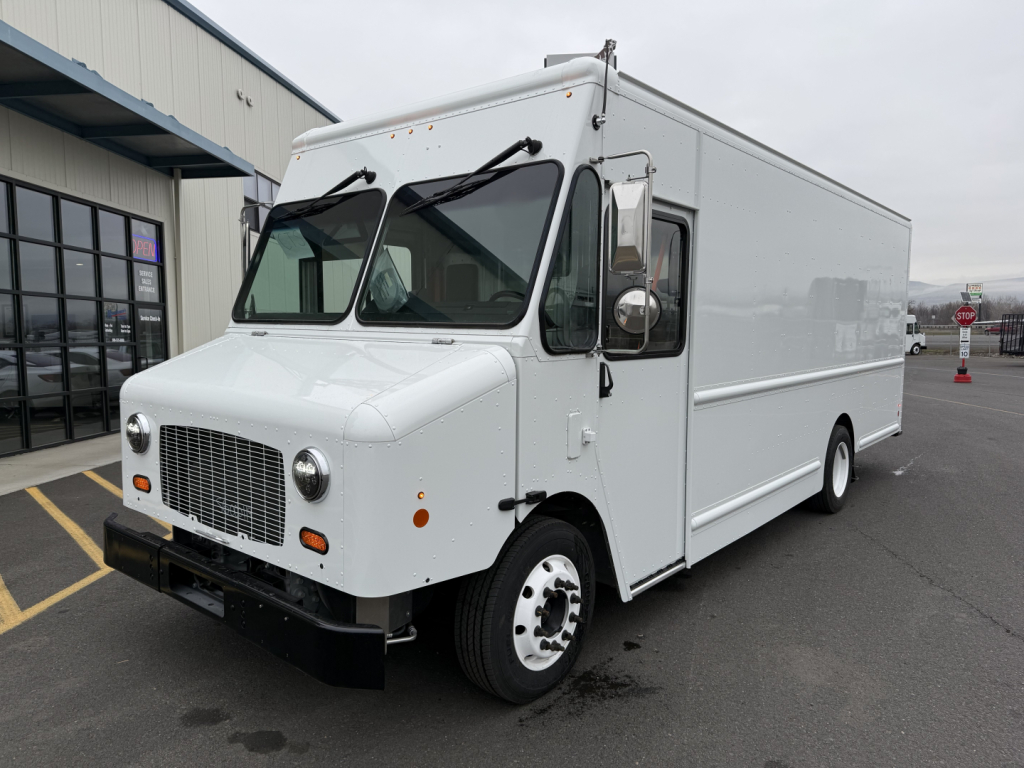
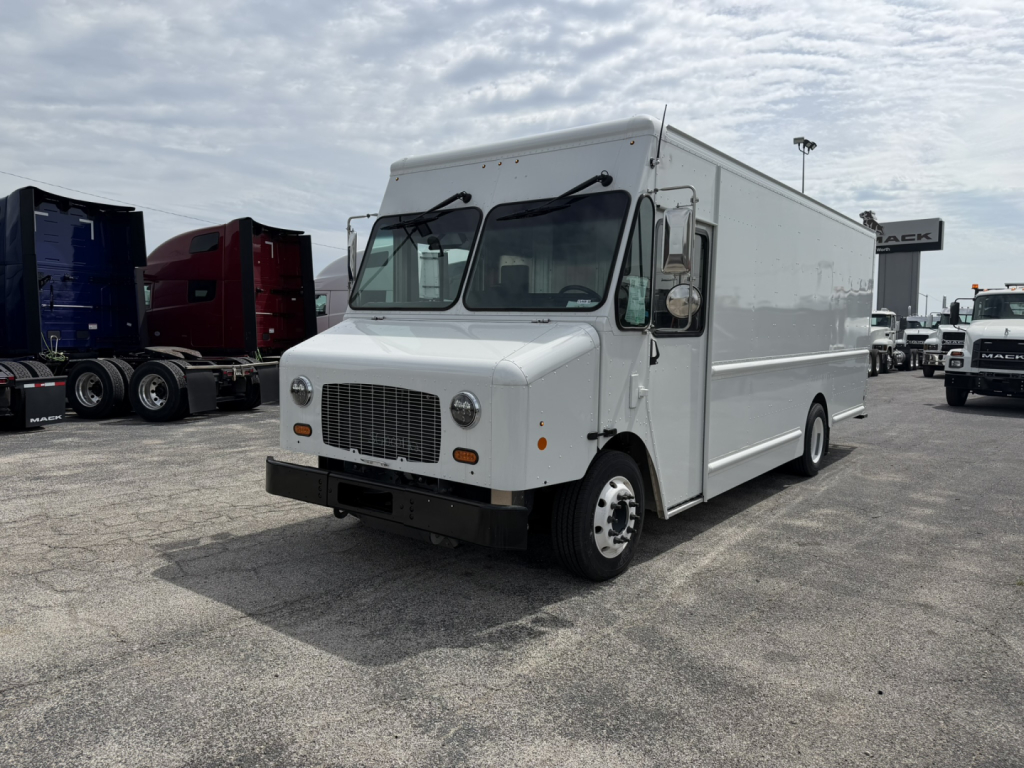
Showing 1 to 28 of 29 results
Selling a ford step van truck? List your ford step van truck for sale and reach thousands of commercial buyers.
Ford Step Van Trucks in Missouri
Bodies are typically aluminum from Morgan Olson or Utilimaster, with straight or tapered designs, roll-up or swing rear doors, and interior shelf packages. Cargo heights often run in the 80 to 85 inch range, with aisle-friendly widths for parcel totes. Spec decisions that matter include rear axle ratio for launch and hill work, liftgate versus ramp, and insulation if the cargo needs temperature buffering. A 5.38 or similar ratio favors urban acceleration and hills in the Ozarks, while a taller ratio reduces revs on US-54 or I-70 line hauls between markets. Rail lifts in the 1,600 to 3,000 pound class are common, and LED interior lighting reduces draw on dual batteries during frequent door cycles.
Applications range from parcel and bakery delivery to mobile service and food truck conversions. The walk-in layout improves productivity with stand-up access, wide door openings, and shelves that keep small packages organized. Gasoline power simplifies emissions service and cold starts, and fuel is easy to source across Missouri. Trade-offs are straightforward. Gas engines are quieter at idle and cheaper to maintain, but use more fuel under heavy loads. Diesel options are less common in late-model Ford step vans and add DEF and aftertreatment complexity, but deliver superior torque and range if you find one spec’d that way. Most units ride on leaf springs with stabilizer bars; look for options like rear-view cameras, heated mirrors, and backup alarms to cut incident costs in dense urban routes.
When comparing units, match body length and wheelbase to your route density and parking constraints. Verify payload against actual curb weight with shelves, liftgate, and fuel so you are not surprised on scale tickets. Inspect roof seams, rivets, and step wells for corrosion from winter road treatments, check roll-up door tracks and springs, and look for even wear on 19.5 tires. Confirm smooth shifts and no flare from the TorqShift, tight steering box play, and dry hub seals. If you plan a food truck or service build, evaluate generator mounting, 120V wiring options, and where to place tanks without exceeding rear axle ratings. Missouri title class and local tax rules can influence operating cost, so factor those into the total spec decision alongside uptime and fuel.
Frequently Asked Questions about Ford Step Van Trucks in Missouri
What Ford chassis is most common for step vans?
The Ford F-59 stripped chassis is the most common foundation for modern step vans. It pairs a 7.3L gas V8 or earlier 6.8L V10 with a TorqShift automatic, hydraulic 4-wheel disc brakes, and 19.5-inch wheels. Bodies from Morgan Olson or Utilimaster are fitted in lengths around 14 to 22 feet with roll-up or swing rear doors, curbside sliding doors, and configurable shelves.
What GVWR should I choose to avoid a CDL in Missouri?
To stay non-CDL, select a configuration with a GVWR under 26,001 pounds. Most Ford F-59 step vans fall between 16,000 and 22,000 pounds GVWR, which keeps you non-CDL as a straight truck. If you tow a trailer, watch combined weight. Most step vans use hydraulic brakes, so air-brake endorsements typically are not a factor, but confirm your exact spec.
Gas or diesel for a Ford step van route in Missouri?
Gas is the most common and practical on Ford step vans, offering lower upfront cost, simpler emissions hardware, and easy cold starts in Missouri winters. Fuel economy is typically lower than diesel, but for dense urban routes with frequent stops the maintenance savings and availability often outweigh the mpg gap. Diesel step vans offer more torque and range if you find one, but they are less common in later-model Ford builds and add DEF and aftertreatment upkeep.
What body length works best for parcel delivery in cities like St. Louis or Kansas City?
For dense urban routes, 16 to 18 feet is a popular sweet spot. It balances cubic capacity for shelves and totes with a tighter turning circle and easier parallel parking. Pair it with a roll-up rear door, curbside sliding door, LED interior lighting, and a numerically higher rear axle ratio to improve acceleration on hills and during frequent stop-start driving.
What should I inspect on a used Ford step van before buying?
Check roof seams, drip rails, and step wells for corrosion, inspect roll-up door tracks, springs, and latches, and verify shelf mounting is solid. Test the TorqShift for clean shifts and no delay, look for steering box play, and examine 19.5 tires for even wear and adequate tread. Confirm liftgate capacity and operation, look for wet hub seals, and verify that lights, backup camera, heaters, and any inverter or generator wiring function correctly.