
Trucks For Sale Near Sparrow Bush, New York
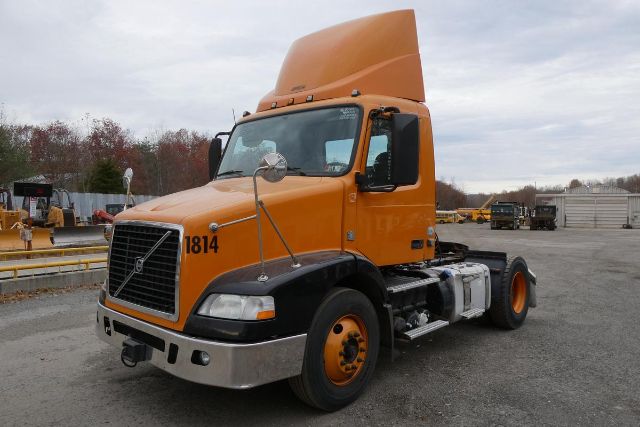
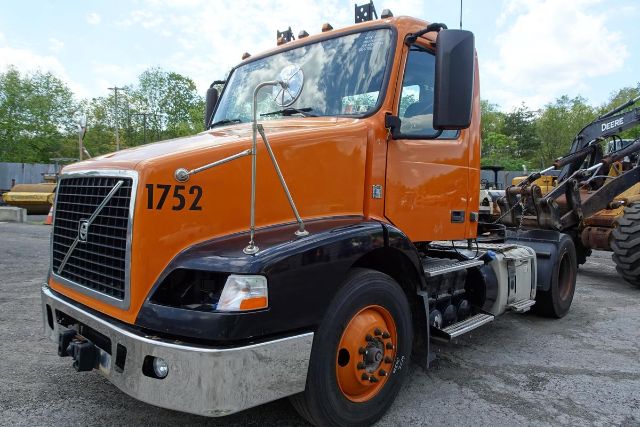
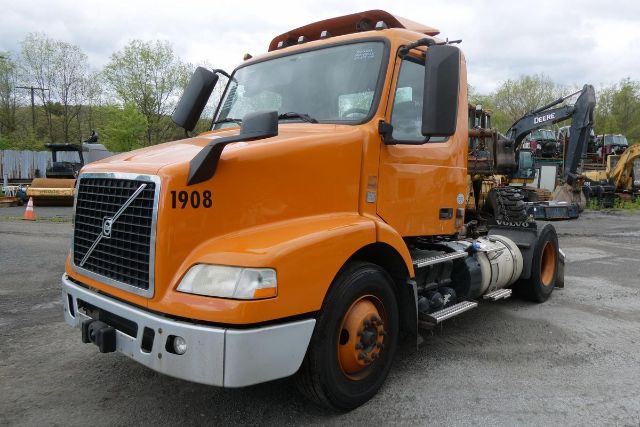
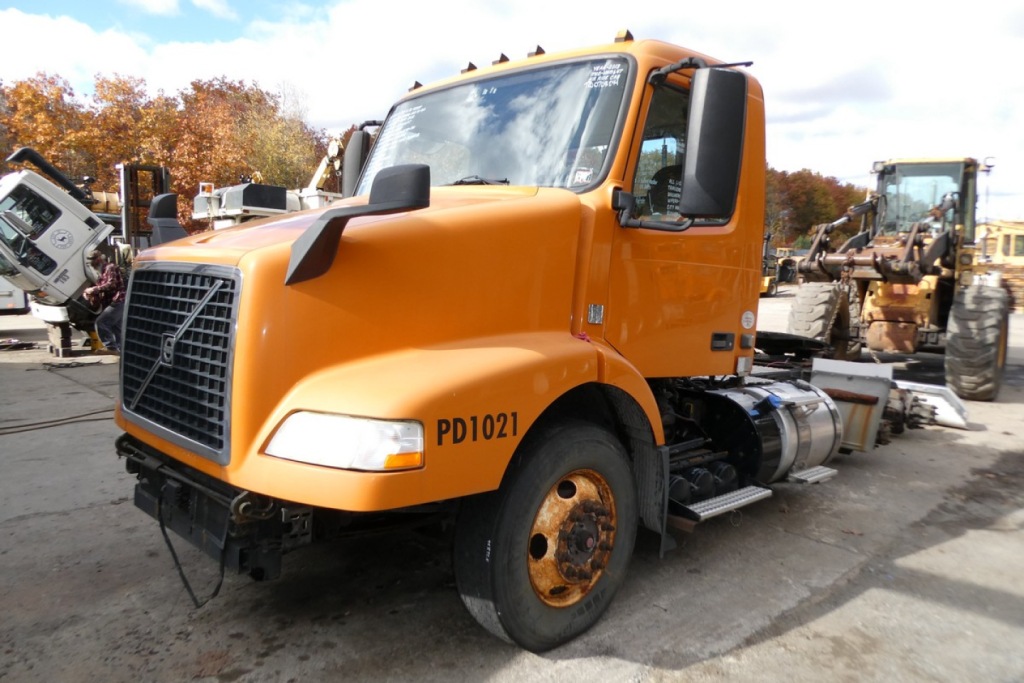
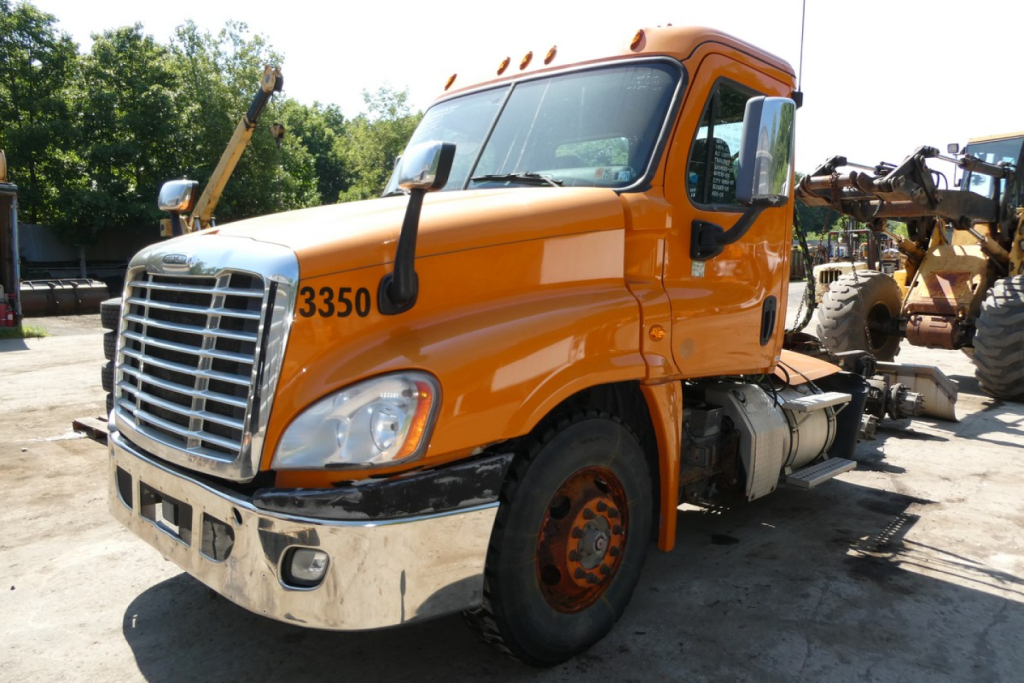
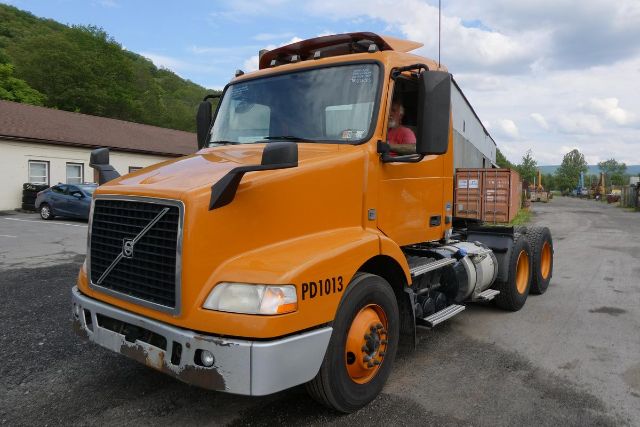
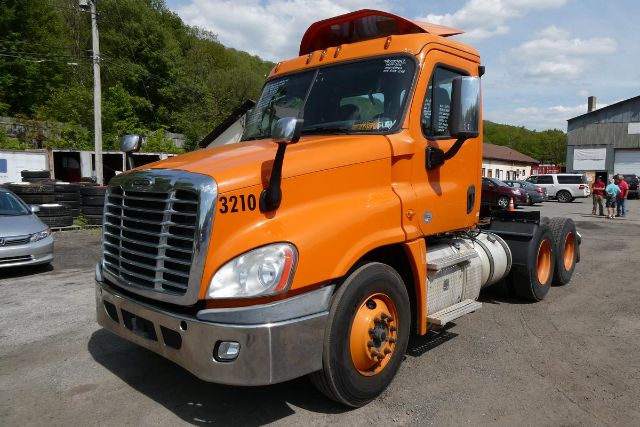
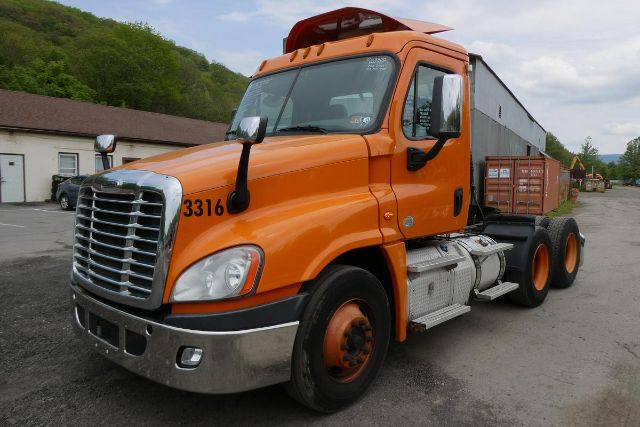
2013 Volvo VNM42T
631,801 mi
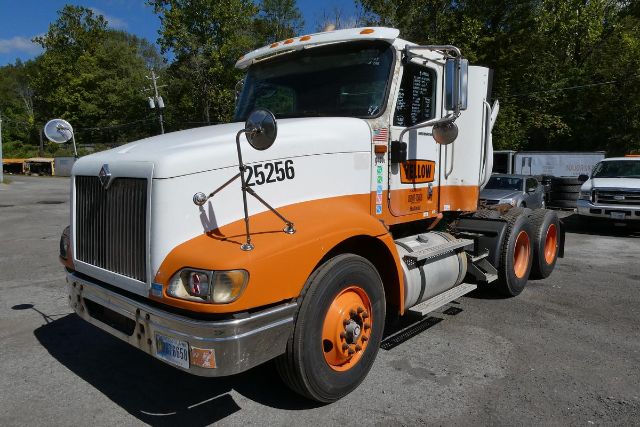
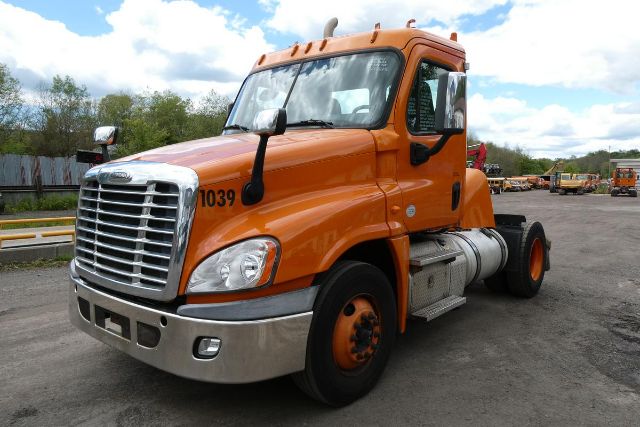
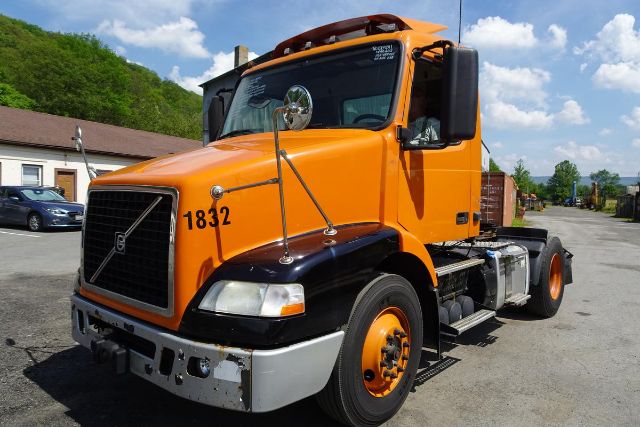
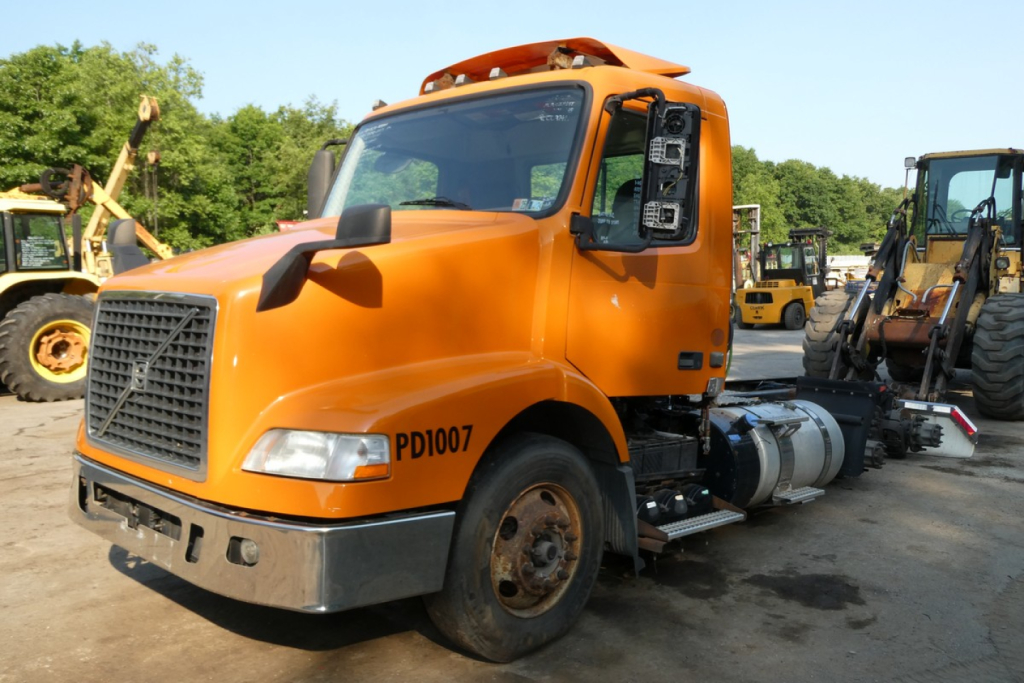
Showing 121 to 144 of 278 results
Have truck to sell? List it here to reach thousands of buyers.
Trucks Near Sparrow Bush, New York
Tare weight drives profitability on toll roads and scale houses, so material choices on the cab, chassis, and body matter. Aluminum wheels, single aluminum fuel tanks, air suspensions, and in some cases wide base singles trim hundreds of pounds, but winter traction and tire replacement plans should be considered. A 6x2 saves weight and fuel compared to a 6x4, but a full locking 6x4 with an interaxle differential is the safer bet on snowy Sullivan and Orange County routes. For sleepers, smaller bunks, mid‑roof fairings, and minimized fairing packages reduce weight, while still maintaining adequate aerodynamics for regional runs.
Floor strength becomes critical on straight trucks with van or reefer bodies that load by forklift. Look for hardwood or laminated oak floors with 1.25 to 1.5 inch thickness, closely spaced crossmembers, and published forklift ratings. Extruded aluminum duct floors improve airflow in refrigerated bodies but add tare weight, so weigh that against payload needs. High wear zones benefit from 12 to 16 inch scuff liners in HDPE or aluminum and logistics posts that accept E‑track. Rear frame and threshold protection plates prevent point loading damage from pallet jacks. Door hardware should seal tightly, and for liftgate trucks confirm rail lift or tuck under capacity aligns with your heaviest pallets.
Thermal integrity and corrosion resistance are major concerns in the Northeast. For reefers, foam in place polyurethane insulation with high R values, minimal thermal bridging at posts, and tight door gaskets keep setpoints stable in winter and summer. Verify reefer hour meters, service records, and that the drain and evaporator are clean to maintain airflow and reduce icing. On all trucks, look for factory e‑coat or powder coated frames, galvanized or stainless body hardware, sealed harness connectors, and underbody cavity wax to counter salt and brine. Aluminum cabs and tanks resist rust, but dissimilar metal isolation and proper fasteners are needed to prevent galvanic corrosion. Inspect frame flanges near suspension hangers and behind fuel tanks for blistering, check brake chambers and slack adjusters for pitting, and consider automatic chassis lubrication to extend pin and bushing life in New York winters.
Frequently Asked Questions about Trucks Near Sparrow Bush, New York
How do I evaluate payload capacity on a truck for New York operations?
Start with GVWR and axle ratings, then calculate curb weight with your actual body, fuel, and common accessories such as liftgates or PTOs to determine net payload. Confirm wheelbase and fifth wheel or body placement will distribute axle loads within legal limits, and verify the tire load index and suspension capacity match the intended gross weight. In New York, bridge law spacing and toll classes reward lower tare, so spec lightweight components where traction and durability allow.
What should I look for to confirm adequate floor strength on a box or reefer truck?
Check floor thickness and material, hardwood or laminated oak is common, and review crossmember spacing, 12 inches on center is preferred for heavy forklift traffic. Ask for the manufacturer’s floor forklift rating and look for reinforcement at the rear threshold to prevent point load damage. Scuff liners and logistics tracks protect walls and help keep loads off the floor edges. If using pallet jacks on heavy loads, a rear dock plate and wear band reduce concentrated stress at the sill.
How can I judge the thermal integrity of a refrigerated straight truck?
Inspect insulation type and continuity, foam in place polyurethane with high density provides stable R values. Look for minimal thermal bridges at posts, insulated doors with good compression seals, and intact vapor barriers. The reefer unit should hold setpoint during a pull down test with the doors closed, and the evaporator and drains must be clean to maintain airflow. Data logger history, if available, helps confirm temperature stability across routes with frequent stops.
What specs most effectively reduce tare weight without sacrificing reliability?
Aluminum wheels, single aluminum fuel tanks sized to your route, air suspensions with weight optimized axle housings, and lightweight fifth wheels or pintle gear all help. For straight trucks, composite or aluminum bodies cut weight, but ensure floor and scuff systems are heavy duty enough for your cargo. Avoid oversizing components like liftgates and PTOs beyond your true needs. Balance weight savings against winter traction, some fleets keep 6x4 with lockers and duals for better performance on snow and ice.
How do I prevent corrosion on trucks that run through Sparrow Bush and the surrounding Northeast?
Prioritize trucks with factory e‑coat or powder coated frames, sealed electrical connectors, and stainless or galvanized hardware on bodies and liftgates. Apply underbody cavity wax and rinse the chassis regularly during brine season. Isolate dissimilar metals with proper washers and tape on aluminum bodies, and use dielectric grease on lighting and sensor connections. Inspect frame rails near suspension hangers and crossmembers for early scale, and address paint chips quickly to stop creep under coatings.