
Trucks For Sale Near Shrewsbury, New Jersey

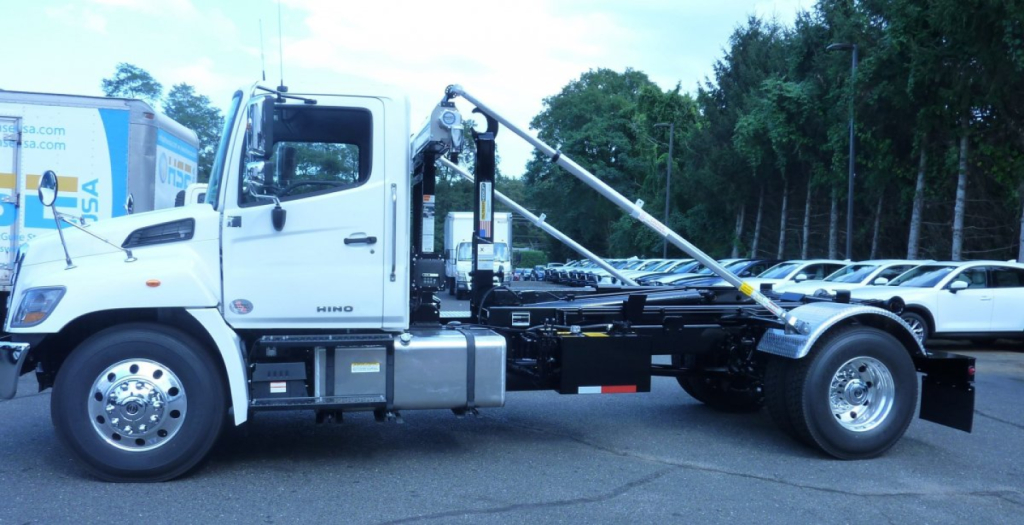
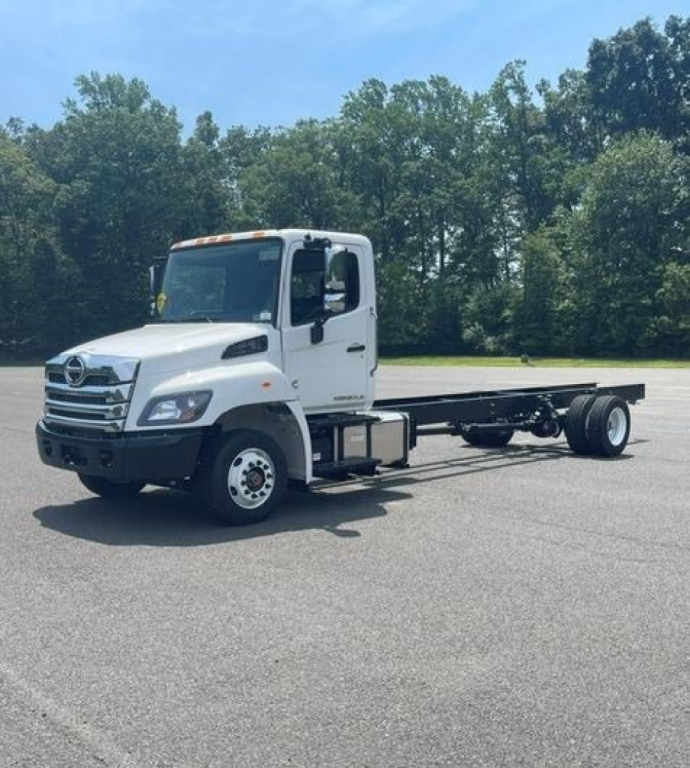
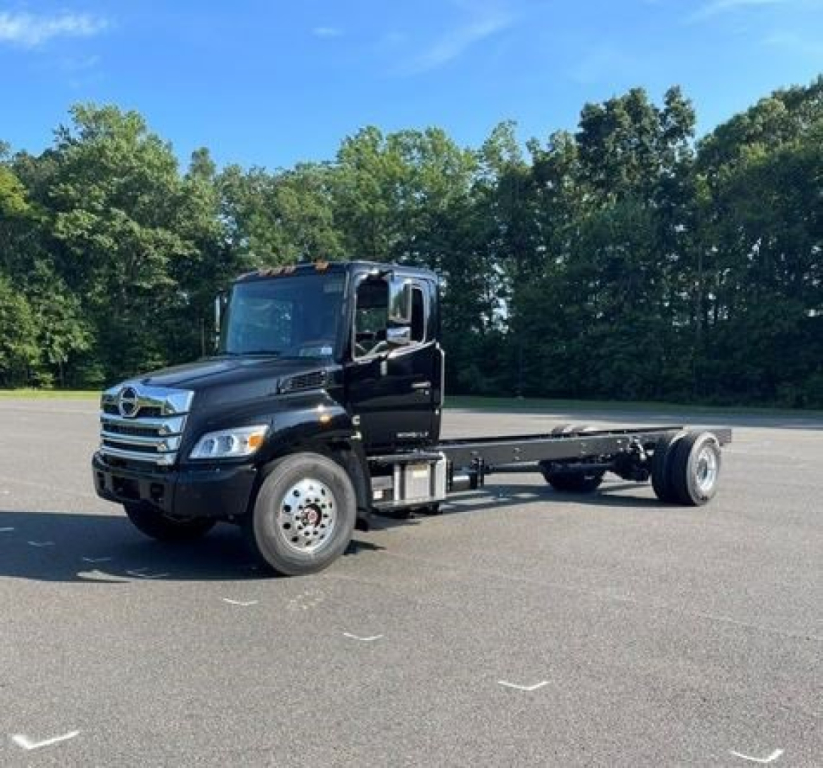
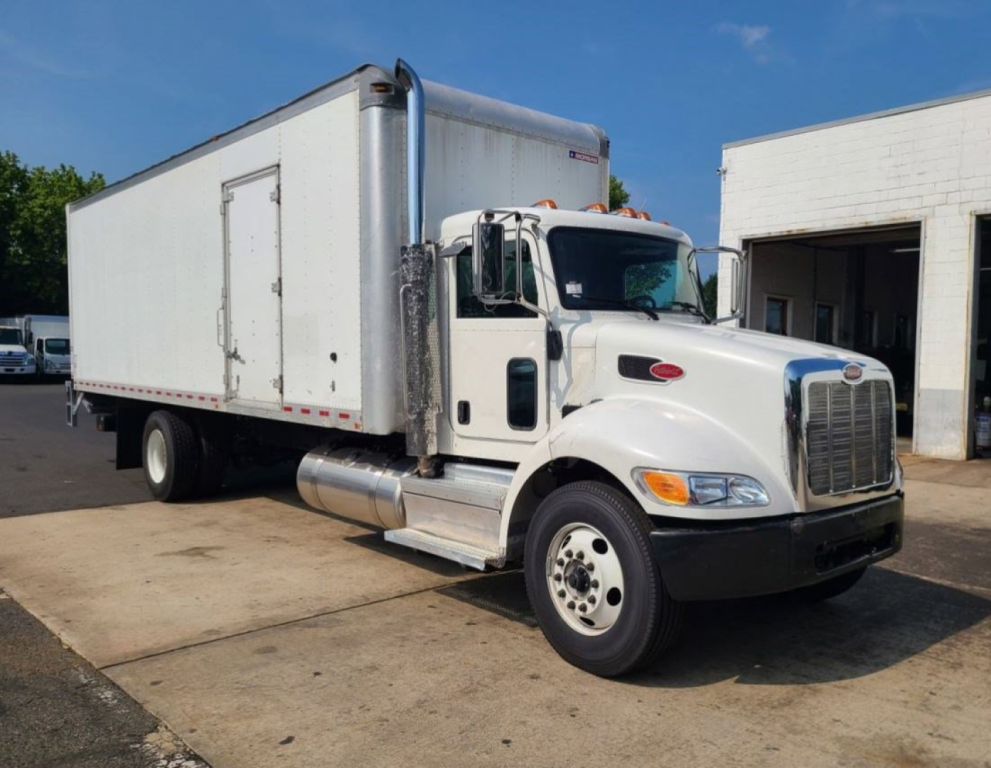
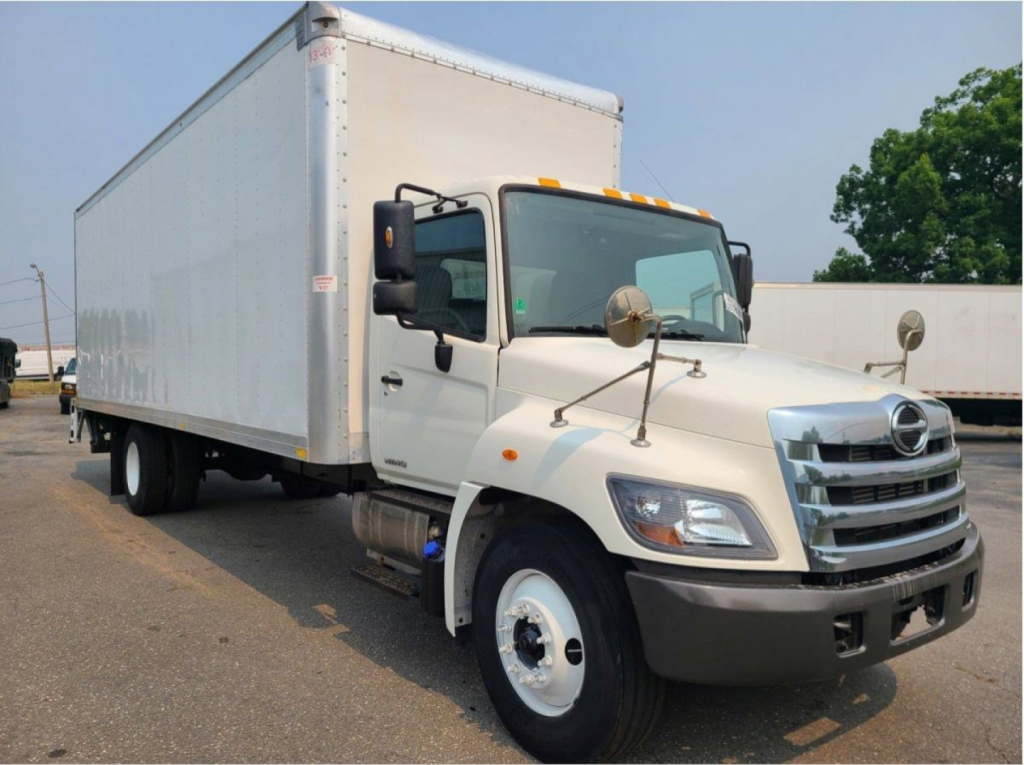
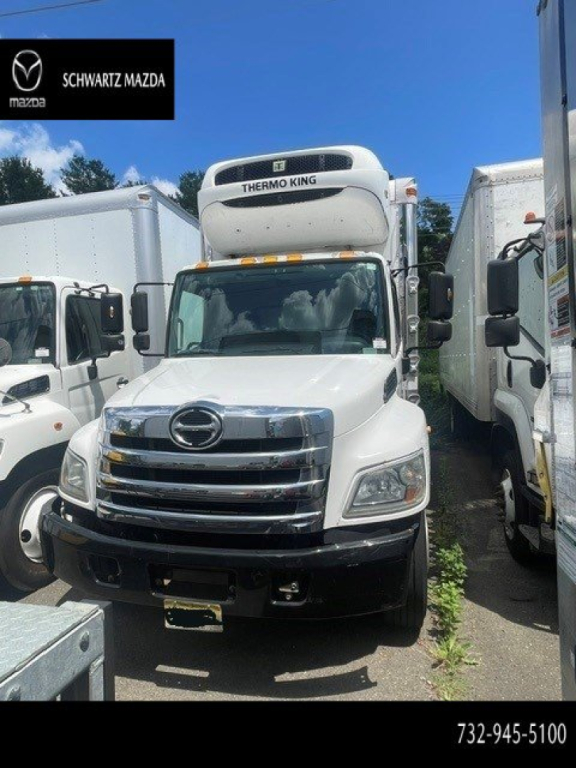
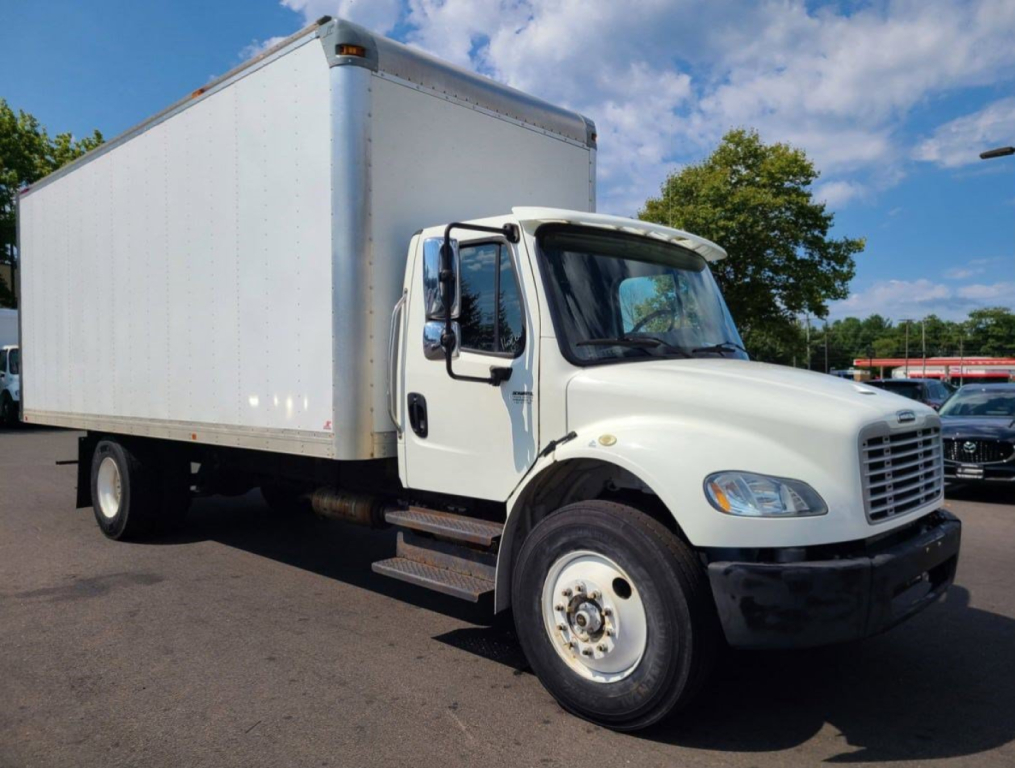
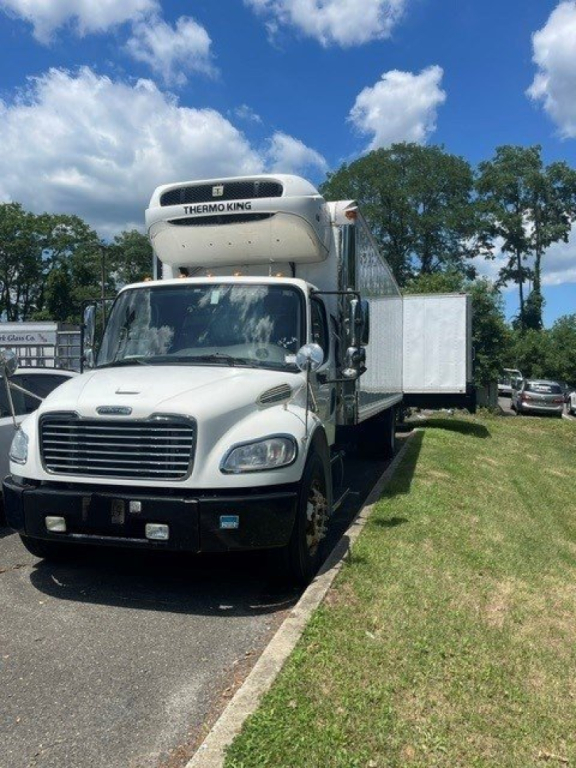
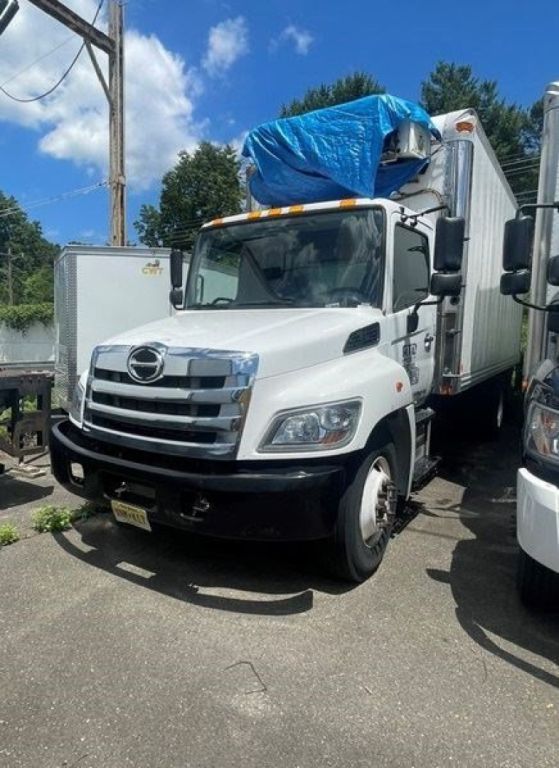
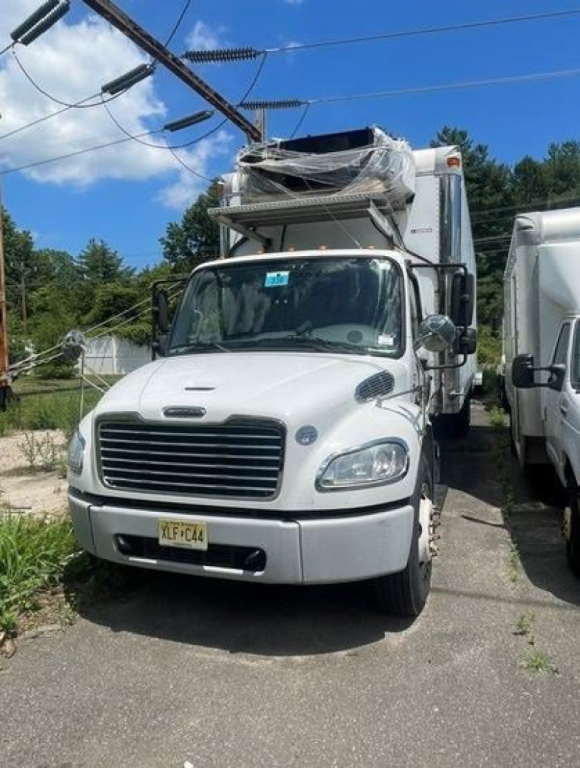
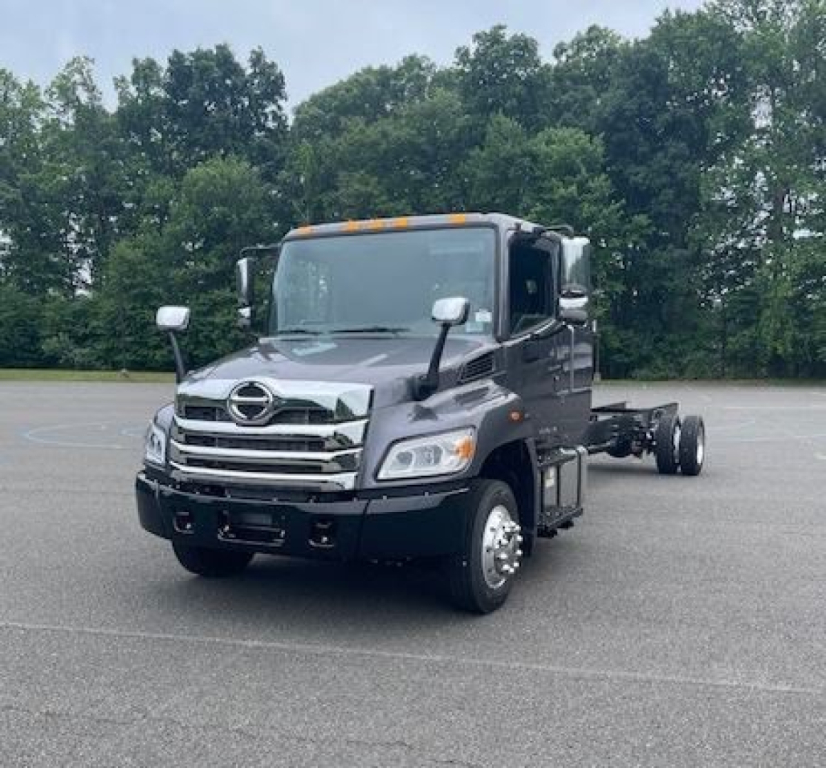
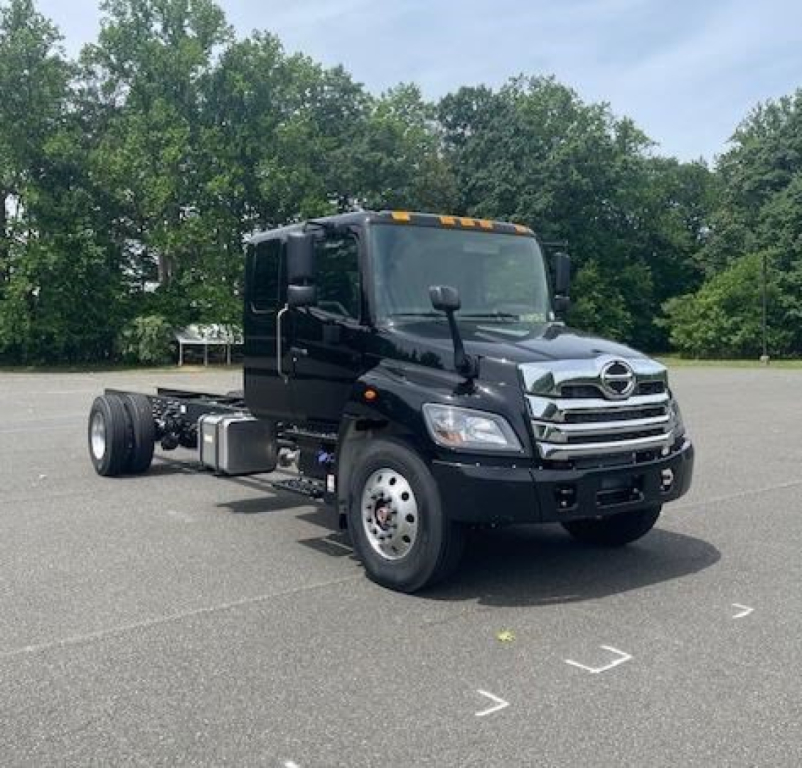
2015 Hino 258/268
296,678 mi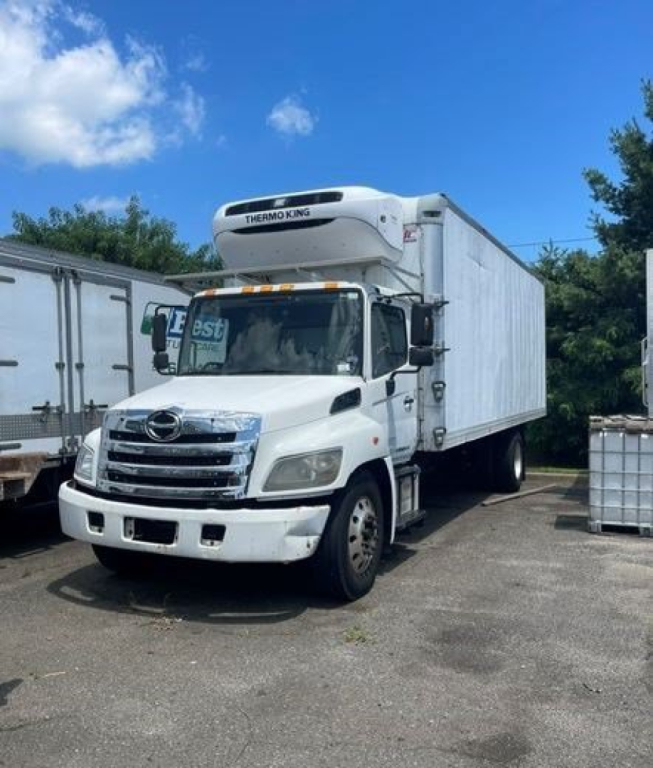
Showing 1 to 24 of 50 results
Have truck to sell? List it here to reach thousands of buyers.
Trucks Near Shrewsbury, New Jersey
One of the biggest buying decisions is whether to start with a completed body or a cab and chassis. A box truck is the straightforward choice for dry freight, parcel work, moving, appliance delivery, and route-based distribution. Common specs include 24-foot to 26-foot bodies, roll-up rear doors, liftgates, E-track, and interior cargo dimensions sized for palletized freight. A cab-and-chassis truck gives more flexibility if the application calls for a dump body, landscape body, hooklift, reefer body, switch-and-go system, or flatbed-style upfit. Buyers comparing chassis trucks should look closely at axle ratings, frame rail dimensions, PTO compatibility, and available body-builder support, since those details determine how cleanly the truck can be matched to the intended upfit.
Powertrain choices in this segment typically center on diesel engines in the 5.2L to 7.6L range paired with automatic transmissions, often Allison automatics in medium-duty applications. That combination is popular for stop-and-go work, multi-driver fleets, and operations that prioritize uptime and easy training. On non-CDL oriented trucks, GVWR near 25,900 to 26,000 pounds is common because it maximizes legal capacity without pushing into CDL territory in standard use. Buyers should still verify actual payload after body weight, liftgate, fuel, and any refrigeration or vocational equipment are added. Air brakes versus hydraulic brakes, cab ergonomics, visibility, and service accessibility also deserve attention, especially for fleets running dense delivery schedules.
Used truck shoppers should pay close attention to maintenance records, current DOT inspection status, title history, engine hour exposure if applicable, and the condition of wear items such as tires, brakes, suspension components, liftgates, and cargo body floors. On box trucks, inspect the roof, front wall, door frame alignment, and signs of water intrusion. On cab-and-chassis units, evaluate frame condition, previous body mounting holes, and whether the electrical and fuel system layout fits the next body installation. For buyers in New Jersey, emissions compliance, rust exposure, and dealer support for parts and warranty work can have a direct effect on operating cost over the first year of ownership.
Frequently Asked Questions about Trucks Near Shrewsbury, New Jersey
What is the difference between a box truck and a cab-and-chassis truck?
A box truck comes with an enclosed cargo body already installed, making it a practical choice for dry freight, delivery, moving, and route work. A cab-and-chassis truck is sold as the truck chassis with no final body, so it can be fitted with a dump body, reefer, flatbed, hooklift, landscape body, or other vocational upfit. The better choice depends on whether the truck needs to go to work immediately in a fixed application or serve as a platform for a specialized body.
Why are so many medium-duty trucks rated around 26,000 GVWR?
A 25,900 to 26,000 pound GVWR is common because it gives operators strong legal carrying capacity while staying at the upper end of the non-CDL range in many standard applications. That makes these trucks attractive for local delivery fleets, service companies, and businesses that want to broaden the hiring pool. Buyers still need to confirm actual payload, because body weight, liftgates, refrigeration units, tools, and fuel all reduce usable cargo capacity.
What should I inspect first on a used box truck?
Start with the cargo body and maintenance history. Check for water leaks, soft or damaged flooring, roof repairs, rear frame corrosion, liftgate operation, door seal condition, and any signs the box is out of square. Then review engine and transmission service records, DOT inspection status, tire condition, brake wear, and suspension components. A clean-running truck with a neglected body can still become expensive quickly if the cargo area needs structural repair.
Are automatic transmissions a good choice in medium-duty trucks?
Automatic transmissions are standard in many medium-duty fleet applications because they reduce driver fatigue, simplify training, and perform well in stop-and-go service. They are especially useful in local delivery, city routing, utility work, and any operation with multiple drivers. Buyers should still check for proper shift quality, service intervals, transmission cooler condition, and whether the transmission is matched correctly to the truck’s GVWR and intended body type.
What matters most when buying a cab-and-chassis for upfitting?
The key factors are wheelbase, frame length, axle ratings, PTO availability, fuel tank placement, exhaust routing, and body-builder compatibility. Those details determine what bodies can be installed and how much rework will be needed before the truck is usable. A chassis may look suitable on paper, but if the frame rail spacing, cab-to-axle dimension, or component layout does not match the planned body, upfit cost and downtime can increase fast.