
Mack Sewer Rodder - Septic Trucks For Sale
Shop Mack sewer rodder and septic trucks. Compare chassis specs, tank setups, PTO-driven pumps, and service-ready configurations.
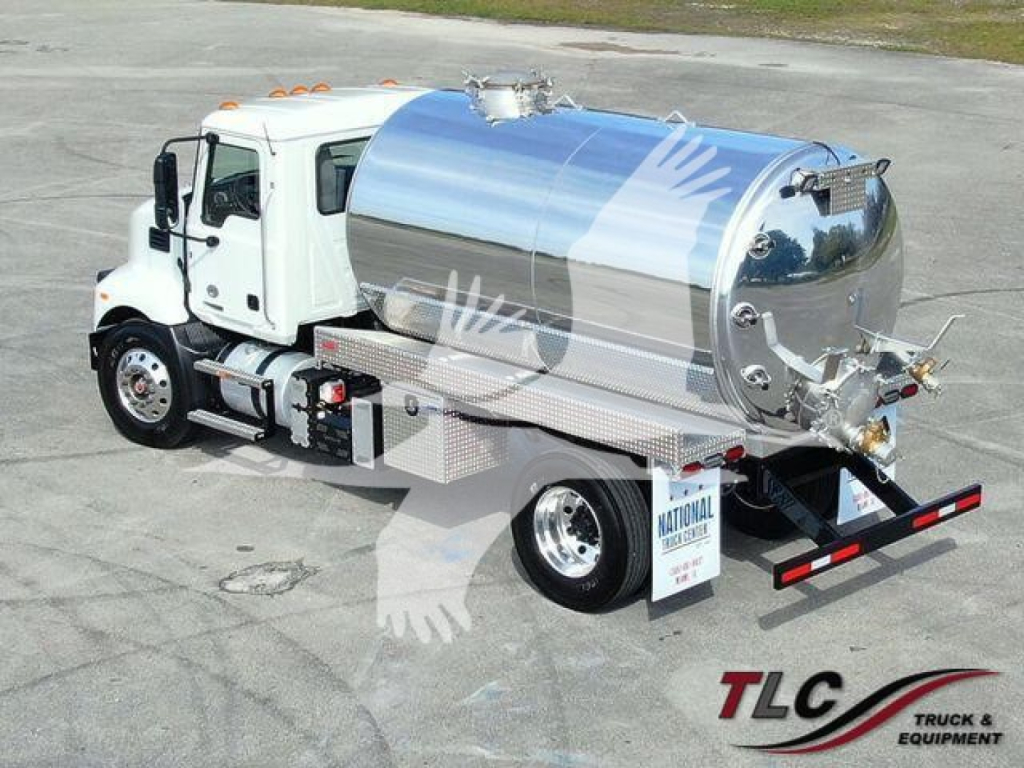
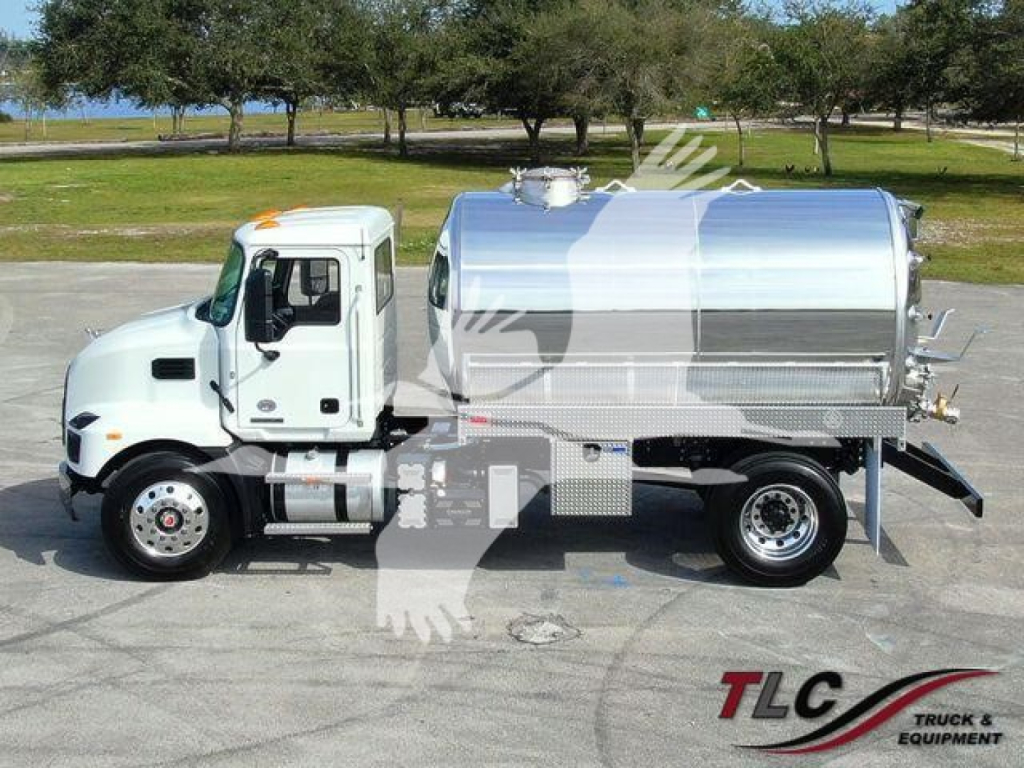
Selling a mack sewer rodder - septic truck? List your mack sewer rodder - septic truck for sale and reach thousands of commercial buyers.
Mack Sewer Rodder - Septic Trucks
The body package is what separates one sewer rodder or septic truck from another. Septic units are generally configured around a vacuum tank, boom, hose storage, and a PTO-driven vacuum pump sized for faster loading and unloading. Sewer rodder trucks add a high-pressure water system with a water tank, jetter pump, hose reel, and rodder hose for cleaning lines and breaking blockages. Some trucks are combination units that handle both vacuum recovery and high-pressure jetting, which adds versatility but also increases weight, complexity, and maintenance points. Tank construction, baffling, internal coatings, hose reel layout, and rear door design all affect service life and cleanout efficiency, especially in corrosive waste environments.
On a Mack chassis, buyers should pay close attention to wheelbase, axle spread, and rear ratio because these directly affect body fitment, turning radius, gradeability, and stop-and-go performance. Front axle ratings around 10,000 pounds and rear ratings around 21,000 pounds are common on single-axle medium-duty builds, but actual usable payload depends on full body weight, water capacity, debris load, and mounted accessories. Suspension type matters too. Multi-leaf spring rear suspensions are straightforward and durable for vocational work, while brake sizing, PTO provisions, and cooling capacity become more important if the truck will spend long periods operating pumps at jobsite rpm. For septic service in neighborhoods, visibility, cab entry height, and backing control can matter just as much as engine spec.
A smart comparison goes beyond engine and transmission badges. Look at tank gallon capacity, vacuum pump cfm, pressure pump output, hose reel footage, boom reach, and how the body is laid out for daily service. Also consider local regulatory requirements for waste hauling, bridge formula limits, and the service area the truck will cover. A sewer rodder working city mains has different demands than a septic truck servicing rural residential systems. Mack is a known vocational chassis choice because of its sturdy frame, predictable handling, and body-builder-friendly configurations, but the right truck is the one sized correctly for route density, disposal cycle time, and the type of material being handled.
Frequently Asked Questions about Mack Sewer Rodder - Septic Trucks
What is the difference between a sewer rodder truck and a septic truck?
A sewer rodder truck is designed primarily to clean and clear sewer lines using high-pressure water delivered through a jetter hose and reel system. A septic truck is designed primarily to vacuum and transport liquid waste from septic tanks, grease traps, and similar holding systems. Some units combine both functions with a vacuum tank and a high-pressure water jetting system, but combination trucks are heavier and more complex than a dedicated septic or dedicated rodder unit.
What chassis specs matter most when buying a Mack sewer rodder or septic truck?
The key chassis specs are GVWR, front and rear axle ratings, wheelbase, PTO compatibility, suspension type, and rear axle ratio. These determine whether the truck can legally carry the body and its full working load, while still providing acceptable turning radius and drivability. Medium-duty Mack chassis such as the MD6 are often selected for residential and municipal routes because they offer a usable balance of maneuverability, body capacity, and service access.
Is a single-axle Mack septic truck enough for commercial service?
A single-axle Mack septic truck can be a good fit for many residential and light commercial applications, especially where access is tight and route density is high. The tradeoff is capacity. If the truck will handle larger commercial tanks, longer disposal runs, or combination vacuum and jetting work, buyers often need to evaluate whether tandem-axle capacity or a larger chassis would improve productivity and legal payload.
What should I look at on the tank and pump system?
Focus on gallon capacity, tank material, baffling, rear door sealing, boom design, hose storage, and the condition or rating of the vacuum and pressure pumps. On rodder units, pressure pump output and hose reel capacity are major productivity factors. On septic units, vacuum pump performance and unload efficiency matter more. The body layout should support safe hose handling, easy cleanout, and practical access to valves, filters, and service points.
Are Mack sewer rodder and septic trucks good for municipal work?
Mack chassis are commonly considered for municipal and contractor vocational work because they are well-suited to body installation and repeated stop-and-go duty. For municipal sewer cleaning, the chassis needs to support the weight of water, hose reels, jetting equipment, and any recovered material while remaining maneuverable in alleys, neighborhoods, and urban streets. The best fit depends less on the badge alone and more on matching the chassis ratings and wheelbase to the intended body and daily operating cycle.