
International Sewer Rodder - Septic Trucks For Sale
Shop International sewer rodder and septic trucks for municipal, utility, and waste hauling work with key specs, tank options, and PTO setup insights.
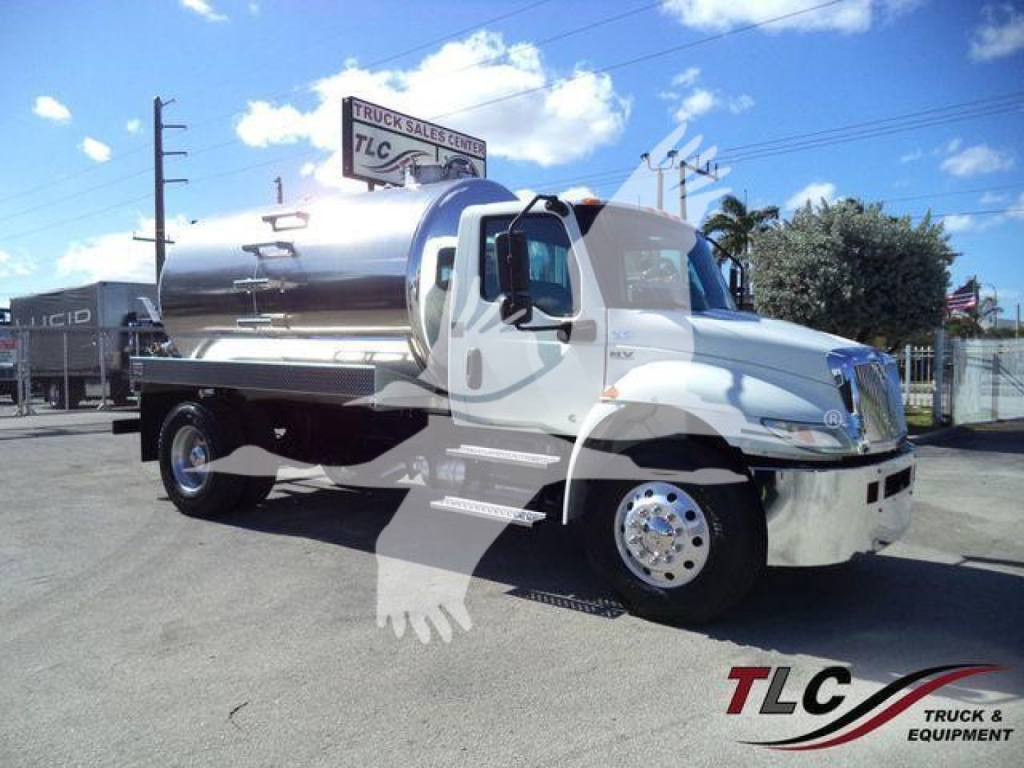
Selling a international sewer rodder - septic truck? List your international sewer rodder - septic truck for sale and reach thousands of commercial buyers.
International Sewer Rodder - Septic Trucks
A sewer rodder truck, often called a sewer jet truck or combination sewer cleaner when equipped with both jetting and vacuum systems, is designed to clear lines, recover debris, and transport waste material. A septic truck is more focused on liquid waste pumping and tank service, but many units overlap depending on body spec. Key differences between listings often come down to tank construction, split tank layout for water and debris, hose reel configuration, pump brand, blower setup, and gallons per minute at working pressure. Buyers should pay close attention to usable tank capacity instead of just advertised tank size, along with water pump pressure ratings, vacuum pump condition, and how the PTO and hydraulic system are configured on the International chassis.
On used International sewer rodder and septic trucks, condition is heavily tied to maintenance history and the type of work performed. Corrosion in tanks, plumbing, valves, and subframe mounts can be a bigger issue than engine hours alone, especially in regions with winter road treatment or highly corrosive waste streams. It is smart to inspect the reel assembly, pressure hose, boom operation, door seals, debris body, and all suction plumbing for wear or repairs. On the chassis side, buyers should look at suspension capacity, transmission type, wheelbase, brake configuration, and whether the truck was originally spec'd for the body it carries. A properly matched International vocational chassis will usually offer better balance, braking, and legal payload than a truck carrying a heavier body than it was designed to support.
The right unit depends on service mix. Municipal sewer departments may prioritize jetting pressure, hose footage, and debris capacity. Septic operators often focus on vacuum recovery speed, tank size, maneuverability, and ease of washout. Contractors working residential areas may prefer a shorter wheelbase International for access, while utility and public works fleets often need a larger tandem or severe-service setup for higher capacities and longer run time between dumps and refills. When comparing listings, look beyond model year and engine badge and focus on the complete working package: chassis, PTO, vacuum system, water system, tank design, and how well the truck matches your route density, disposal cycle, and operator workflow.
Frequently Asked Questions about International Sewer Rodder - Septic Trucks
What is the difference between a sewer rodder truck and a septic truck?
A sewer rodder truck uses high-pressure water to clean and clear sewer lines, and many units also include vacuum recovery for debris removal. A septic truck is typically centered on vacuum pumping and hauling liquid waste from septic tanks, grease traps, or lift stations. Some trucks are combination units that can perform both roles, so the real difference is the body and pump specification rather than the chassis brand alone.
Why are International chassis commonly used for sewer rodder and septic applications?
International vocational chassis are popular in this segment because they are generally well suited for body-builder integration, PTO-driven auxiliary equipment, and severe-duty operating cycles. Many fleets value their frame strength, serviceability, axle options, and compatibility with heavy front-mounted and midship equipment. The chassis is only part of the equation, but a properly spec'd International can provide a solid platform for jetting, vacuum, and waste hauling systems.
What specs matter most when comparing used International sewer rodder trucks?
The most important specs are tank capacity, vacuum pump performance, water pump pressure and flow, hose reel setup, axle ratings, GVWR, and PTO configuration. Buyers should also verify wheelbase, body manufacturer, tank material, and whether the truck is a true combination unit or a straight septic or jetter setup. These details affect productivity, legal payload, maintenance cost, and how well the truck fits the intended work.
What should I inspect on a used septic or sewer jet truck before buying?
Focus on the working system as much as the engine and transmission. Inspect the tank interior and exterior for corrosion, check valves and plumbing for leaks, examine the hose reel and jet hose condition, and test the vacuum pump, water pump, and PTO engagement. It is also important to inspect subframe mounts, rear door seals, hydraulic functions, suspension wear, and brake condition because these trucks often operate at or near their rated capacity in stop-and-go service.
Is a combination sewer cleaner better than a dedicated septic truck?
A combination sewer cleaner can be the better choice if the truck needs to jet lines, recover debris, and handle a wider range of municipal or utility work. A dedicated septic truck can be more efficient for operators whose work is mostly pumping and hauling liquid waste, because the setup is often simpler and optimized for that task. The best choice depends on service mix, disposal cycle, route density, and whether high-pressure line cleaning is part of the daily workload.