
Used Service/Utility Trucks For Sale in South Carolina

Have used service/utility truck to sell? List it here to reach thousands of buyers.
Used Service/Utility Trucks in South Carolina
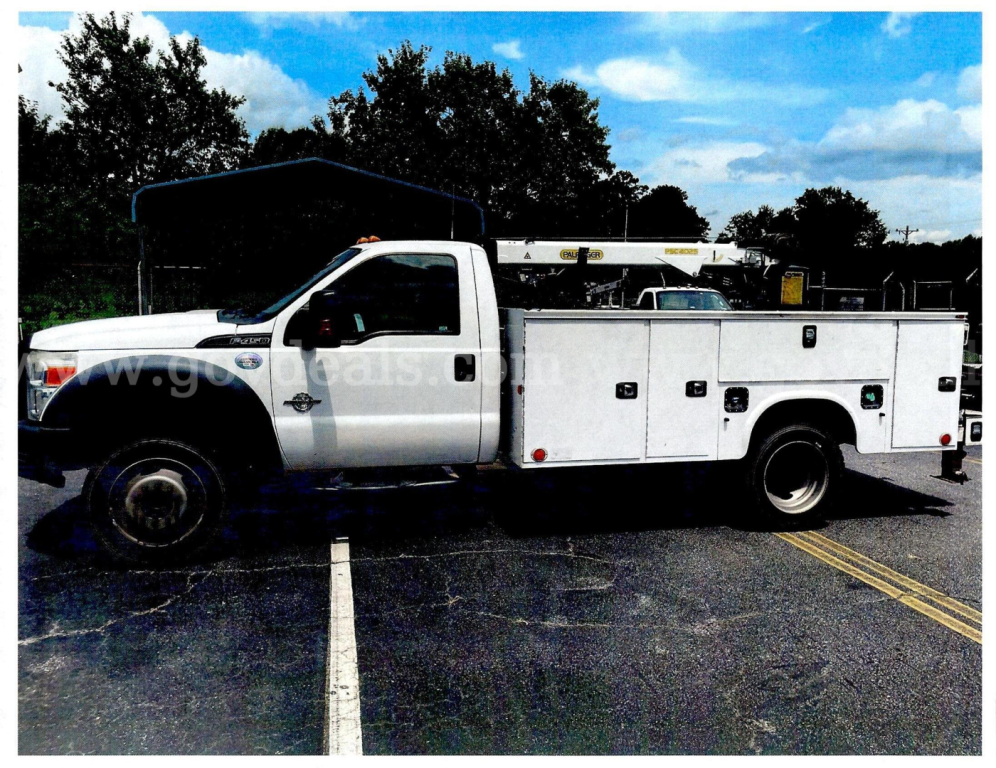
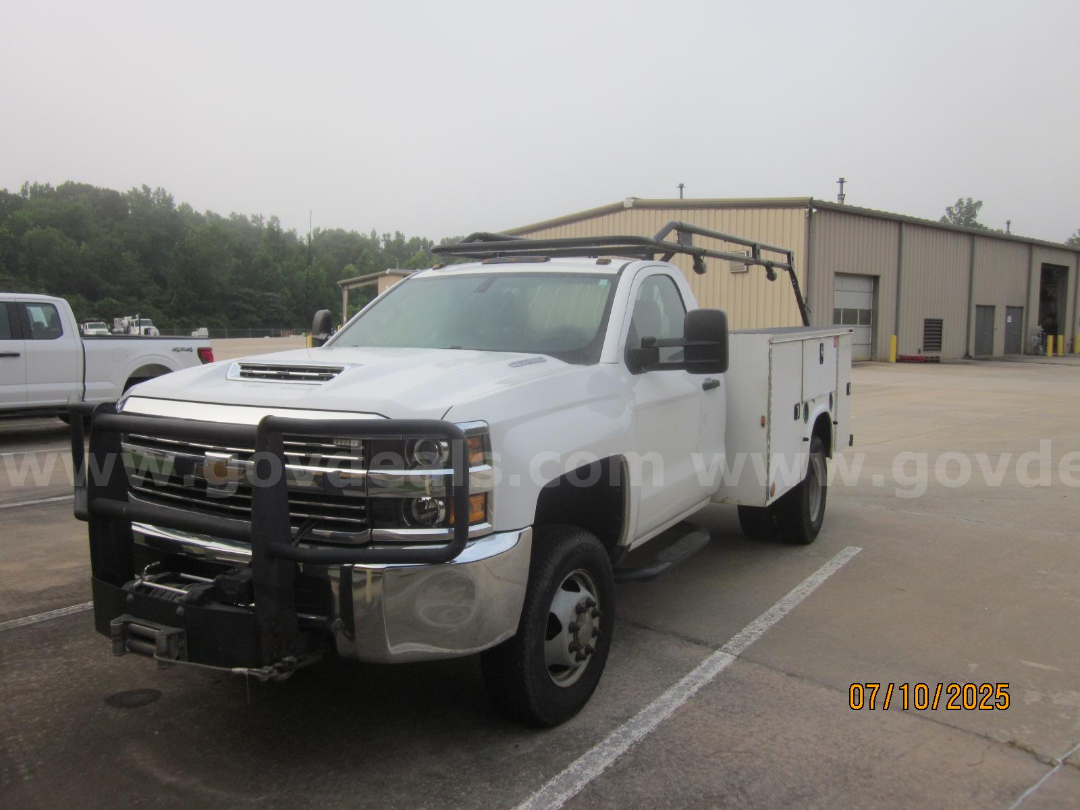
The service body matters as much as the chassis. Buyers should look closely at compartment layout, shelf condition, door seals, locking hardware, and whether the body includes ladder racks, flip-top boxes, drawer systems, internal lighting, inverter power, or a receiver hitch. A clean cabinet setup improves technician efficiency every day, while rust in compartment floors, sagging doors, and damaged latches usually indicate hard service. Some trucks are basic enclosed-body units for mobile maintenance, while others are equipped more like mechanic trucks with crane reinforcement, compressor mounts, welder platforms, and heavier rear suspensions. Payload rating, rear axle capacity, and body upfit quality should match the actual tools and materials the truck will carry.
Powertrain choices in used utility trucks usually come down to gas versus diesel, two-wheel drive versus 4x4, and single rear wheel versus dual rear wheel. Gas V8 trucks are often less expensive to buy and maintain for lighter route-based service work. Diesel engines make more sense when the truck regularly carries a heavy body, tows equipment, or spends long days idling on service calls. In South Carolina, 4x4 can be valuable for utility easements, soft ground, storm response, and undeveloped sites, even if the truck spends most of its time on pavement. Buyers should also pay attention to wheelbase, GVWR, locking differential, transmission history, idle hours if available, and signs of electrical modifications from prior fleet upfits.
On a used unit, condition details are usually more important than age alone. Fleet-maintained service trucks can offer strong value if service records show regular oil changes, brake work, front-end repairs, and body maintenance. Check for frame corrosion, bed-to-chassis mounting integrity, cracked welds around body supports, worn suspension components, and evidence of overloaded service. It is also worth confirming PTO or auxiliary equipment operation if the truck has compressors, generators, cranes, or winches. A good used utility truck should save time in the field, keep tools secure, and fit the trade it supports without pushing the chassis beyond its intended duty cycle.
Frequently Asked Questions about Used Service/Utility Trucks in South Carolina
What is the difference between a service truck and a utility truck?
The terms are often used interchangeably, but service truck usually refers to a truck set up for mobile repair, installation, or maintenance work with multiple exterior compartments and space for tools and parts. Utility truck can be broader and may include service bodies used by contractors, municipalities, power companies, and telecom crews. Some buyers also use mechanic truck for heavier service-body units equipped with cranes, compressors, or welders.
Is a gas or diesel engine better in a used service/utility truck?
It depends on how the truck is used. Gas engines are commonly a good fit for lighter payloads, shorter routes, and fleets that want lower acquisition and repair costs. Diesel engines are often the better choice when the truck carries a heavier body, tows regularly, idles for extended periods, or operates in more demanding duty cycles. The right answer comes down to payload, annual mileage, idle time, and maintenance budget.
What should I inspect first on a used service body?
Start with the compartments, floors, doors, latches, hinges, and seals because these parts affect daily usability and security. Then inspect the body mounts, understructure, and any reinforcement around bumpers, racks, cranes, or compressor platforms. Rust in cabinet floors, damaged shelving, misaligned doors, and cracked mounting points can be more costly than normal cosmetic wear on the chassis.
Do I need 4x4 on a utility truck in South Carolina?
Many service fleets can work efficiently with two-wheel drive, especially on paved urban and suburban routes. A 4x4 setup becomes more valuable for storm restoration, municipal work, rural service calls, utility easements, construction sites, and soft or sandy ground. If the truck will leave improved roads or respond in bad weather, 4x4 can reduce downtime and improve access.
What GVWR range is common for used service/utility trucks?
Most used service and utility trucks in this category fall in the Class 3 to Class 5 range, typically around 10,000 to 19,500 pounds GVWR depending on chassis, cab configuration, and body equipment. A lighter Class 3 or 4 truck may be ideal for general field service, while a heavier Class 5 setup can better handle larger bodies, more onboard equipment, and higher payload demands.