
Used Service/Utility Trucks For Sale in Minnesota
Browse used service and utility trucks in Minnesota, including mechanic bodies, tire service units, cranes, compressors, lifts, and work-ready storage.

Have used service/utility truck to sell? List it here to reach thousands of buyers.
Used Service/Utility Trucks in Minnesota
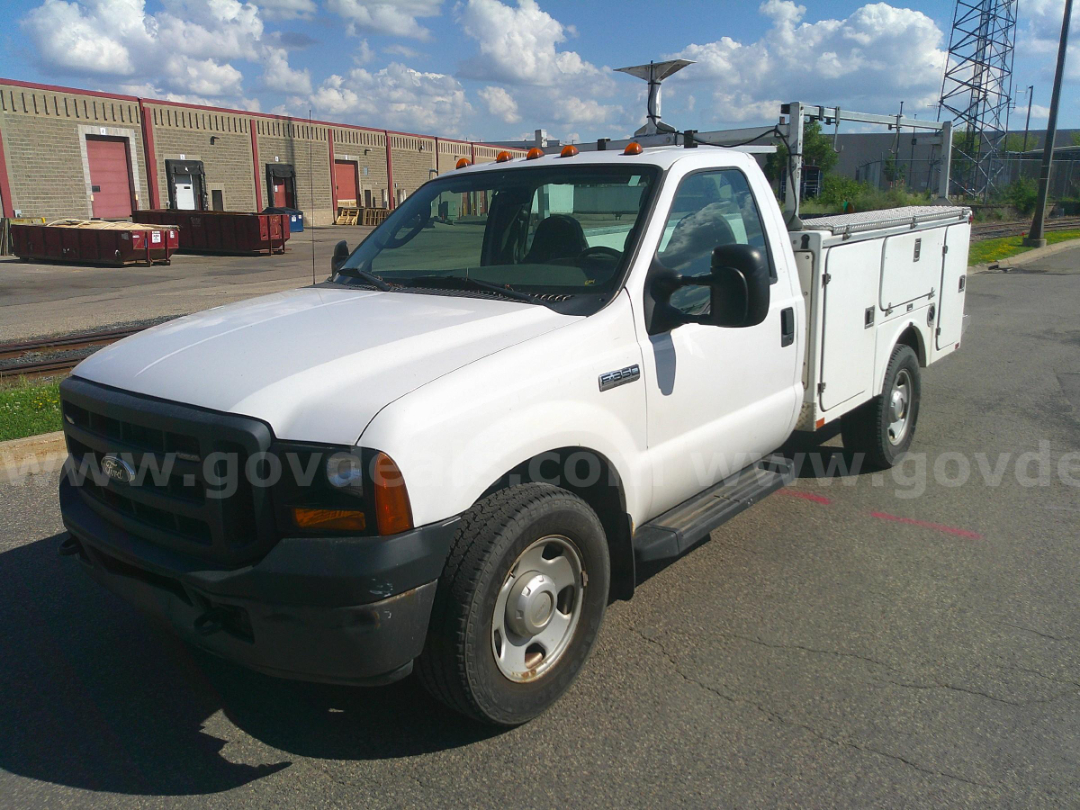
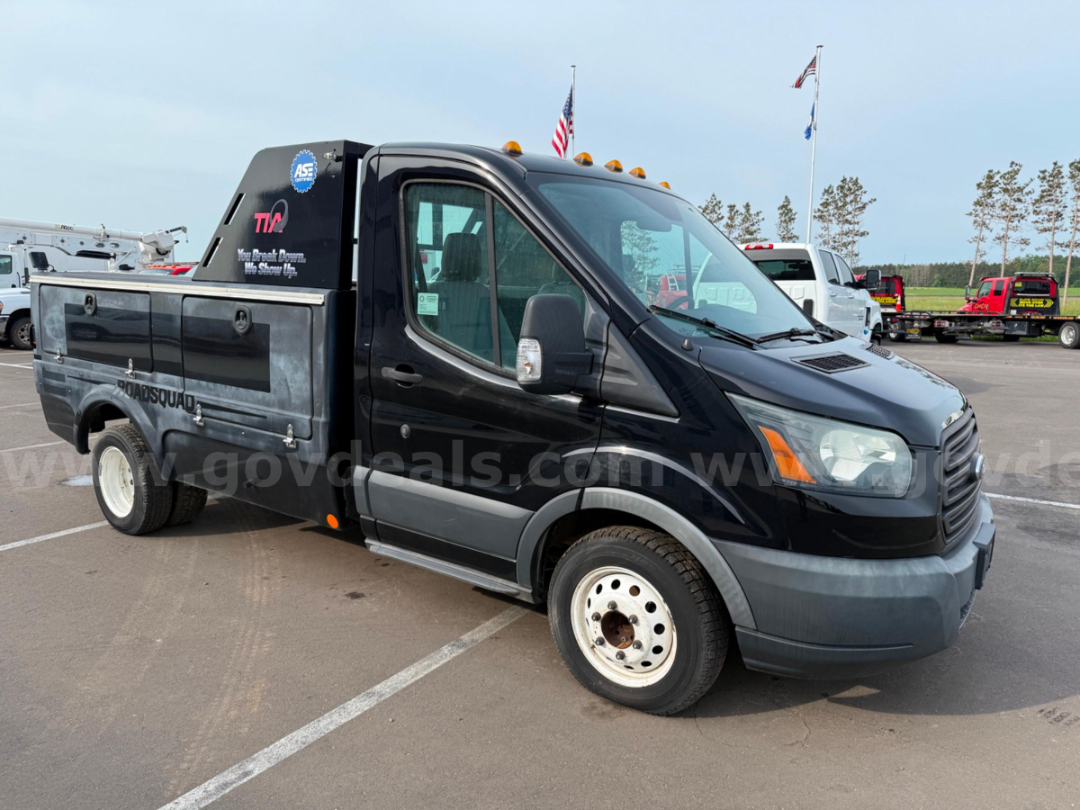
The first buying decision is usually body style and service package. A general-purpose utility body with adjustable shelving and drawer systems works well for municipal fleets, contractors, electricians, and facility maintenance crews. A mechanic service body is better suited for heavier field repair work because it can support an air compressor, welder, crane, and reinforced work area. Tire service bodies are more specialized, often set up with reels, inflation equipment, bead tools, and lift assistance for roadside service. Buyers in Minnesota should also pay attention to rust exposure on underbodies, outriggers, compartment floors, hinges, and latches due to road salt. Fiberglass bodies can resist corrosion well, while steel bodies often offer higher durability for crane and heavy tool applications if they have been maintained properly.
Powertrain choice matters more than many buyers expect. Gas engines are common in lighter service trucks and can make sense for fleets with shorter routes, easier maintenance requirements, and less concern about diesel emissions systems. Diesel power is more common when the truck carries a crane, a full mechanics package, or spends long days idling to run PTO-driven equipment. On used units, look closely at engine hours in addition to odometer miles, especially on municipal and utility fleet trucks that may idle extensively. Transmission condition, PTO operation, inverter output, compressor performance, liftgate capacity, and crane certification status all deserve the same attention as the chassis itself. If the truck includes a plow, onboard air, or hydraulic accessories, verify how those systems are powered and whether repairs were done with OEM or body-manufacturer-approved components.
A good used service truck should match the work without wasting payload or serviceability. Check compartment layout, shelving depth, drawer ratings, roof access, bumper configuration, trailer brake wiring, and receiver hitch setup if the truck will tow support equipment. In Minnesota, 4x4 can be a major advantage for winter response work, unpaved yards, and utility access roads, but 2WD trucks still fit many pavement-based maintenance applications at a lower cost. Reading, Stellar, Auto Crane, Tommy Gate, VMAC, and similar upfit brands are common in this category and can add real value when the equipment is complete and functional. The best units are the ones with a clean service history, a body layout that fits your technicians, and enough remaining chassis capacity to carry tools, parts, and mounted equipment safely every day.
Frequently Asked Questions about Used Service/Utility Trucks in Minnesota
What is the difference between a service truck and a utility truck?
The terms are often used interchangeably, but service truck usually refers to a field repair or mechanic-oriented setup, while utility truck can describe a broader service body used by electricians, plumbers, telecom crews, municipalities, and maintenance departments. A service truck is more likely to have a crane, compressor, welder, or heavy-duty workbench. A utility truck often emphasizes enclosed storage, shelving, drawers, and secure compartment access for tools and parts.
What should I inspect on a used service or utility truck in Minnesota?
Start with corrosion, especially on the frame, body mounts, compartment floors, door bottoms, hinges, latch hardware, bumper structure, and any outriggers or crane subframe components. Then inspect the upfit systems separately from the chassis. Confirm the compressor builds pressure correctly, the crane operates smoothly, the PTO engages properly, hose reels function, liftgates lift to rated capacity, and electrical accessories such as inverters and work lights operate as intended. On fleet units, compare engine hours to miles because long idle time can affect wear even when mileage looks low.
Are gas or diesel engines better for a used utility body truck?
Gas engines are often a good fit for lighter-duty service trucks that run local routes, carry moderate loads, and do not depend heavily on PTO or long idle cycles. They are typically simpler to maintain and can be cost-effective for municipalities and contractors. Diesel engines make more sense when the truck carries a heavier body, crane package, or large onboard equipment and regularly works under load. The right choice depends on payload, duty cycle, idle time, and how often the truck powers auxiliary systems.
Do I need 4x4 on a service truck in Minnesota?
Not always, but 4x4 is valuable for winter service calls, construction sites, gravel lots, utility easements, and other low-traction conditions common in Minnesota. It can improve uptime and reduce the chance of getting stuck when the truck is fully loaded. A 2WD truck can still be the right choice for urban fleets, paved-road maintenance, and indoor facility work where operating costs and purchase price matter more than off-pavement access.
How important is body brand and installed equipment on a used service truck?
Body brand matters because parts support, documentation, and resale value are often better with established upfit manufacturers. Brands such as Reading, Stellar, Auto Crane, Tommy Gate, and VMAC are widely recognized, and buyers can often source replacement parts and service information more easily. The installed equipment can be a major part of the truck's value, but only if it is complete, functional, and properly matched to the chassis payload and electrical or hydraulic system.