
Used Service/Utility Trucks For Sale in Alabama
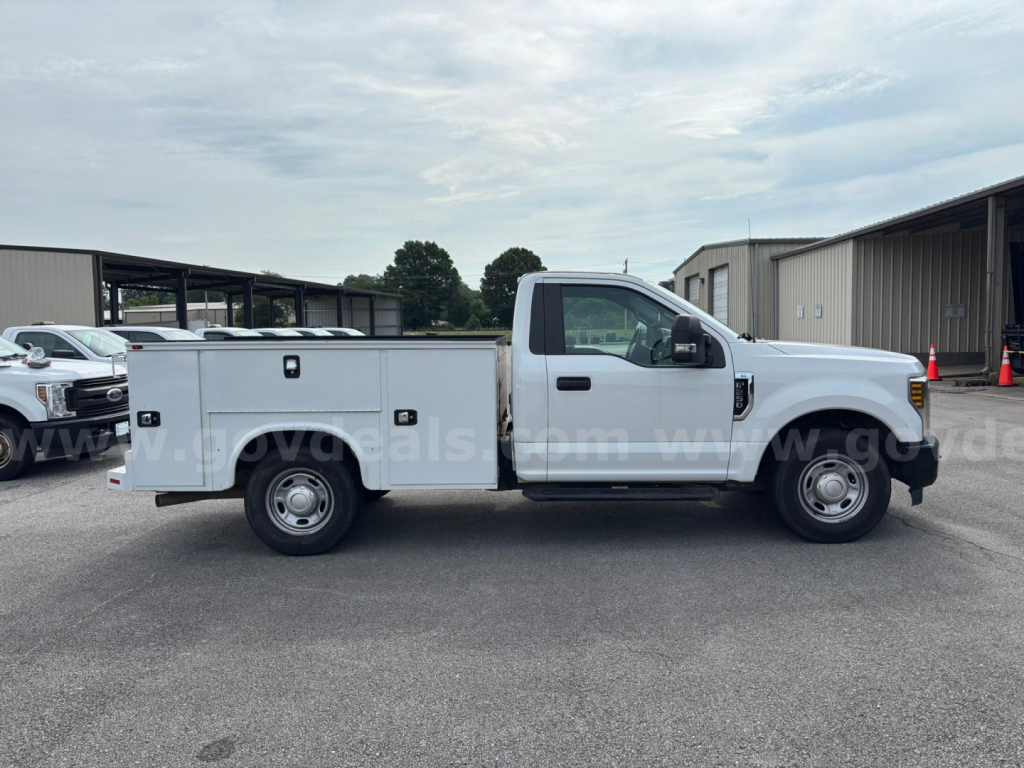
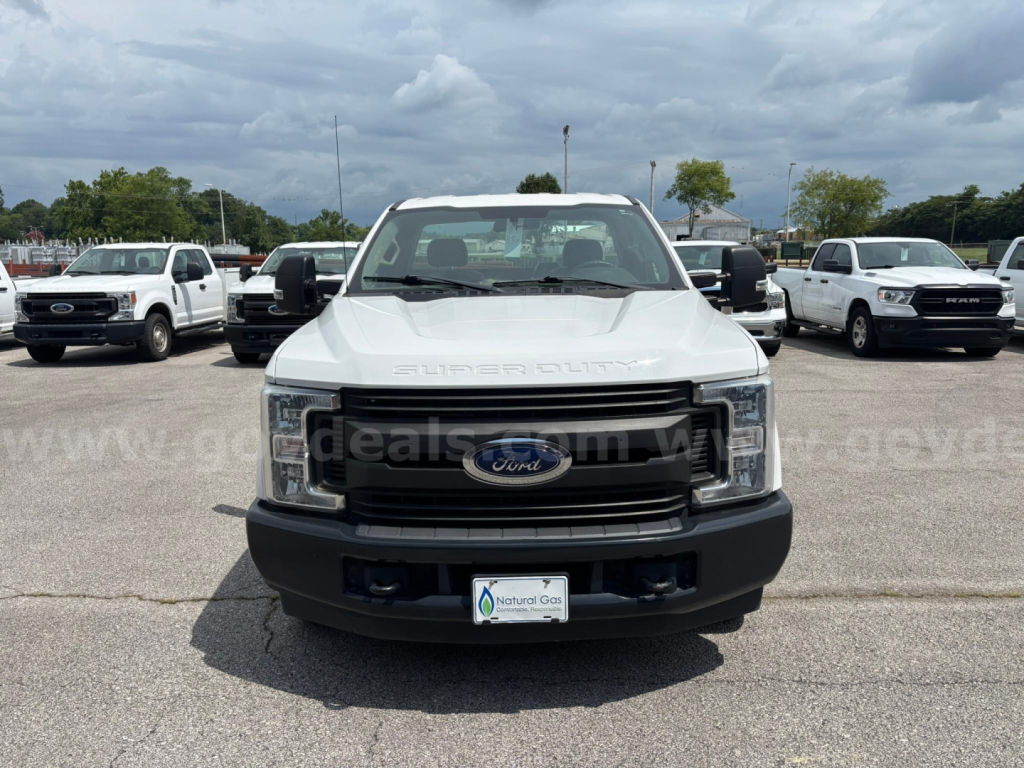
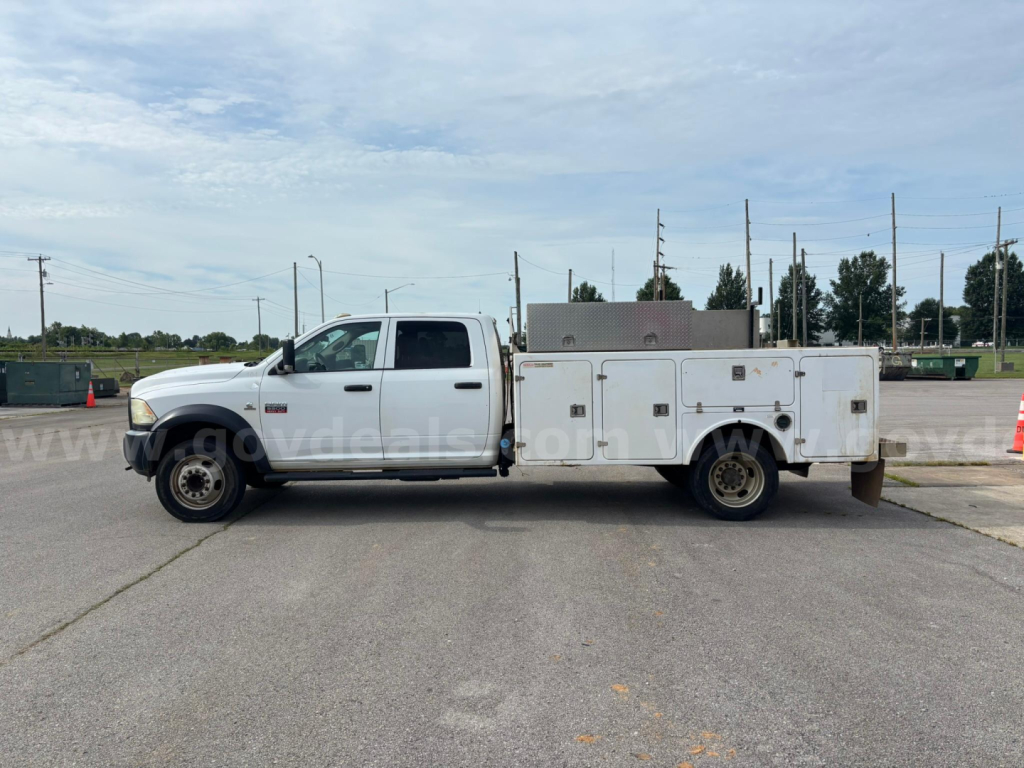

Have used service/utility truck to sell? List it here to reach thousands of buyers.
Used Service/Utility Trucks in Alabama
A used service body should be evaluated as carefully as the cab and drivetrain. Buyers usually compare steel versus fiberglass or composite bodies, compartment layout, shelf systems, drawer packages, ladder racks, top packs, reel mounts, and bumper configurations. Check door hinges, latch function, weather seals, compartment corrosion, and signs of overloading around the body mounts. If the truck is set up as a mechanic truck, pay close attention to crane capacity, outriggers, PTO operation, air compressor hours, hydraulic leaks, and the condition of the workbench, vise mounts, and hose reels. Alabama buyers should also look closely for rust in floors, crossmembers, and utility body compartments, especially on trucks that spent time in mixed regional fleets.
Powertrain choice matters because service trucks spend a lot of time idling, making short runs, and carrying uneven loads. Diesel engines such as the Cummins 6.7L or Duramax 6.6L are common on heavier service units because they handle payload and towing well, while gas engines can be a practical fit for lighter duty fleets with lower annual mileage. Crew cab versus regular cab depends on how many techs ride in the truck and how much wheelbase you can give up for body length. Two-wheel drive can be adequate for paved-route service work, but 4x4 is often preferred for utility easements, construction sites, right-of-way access, and wet Alabama ground conditions.
The best used utility truck is the one whose upfit matches the trade. A lube body, enclosed service body, crane body, or standard compartment body each solves a different problem. Buyers should verify GVWR, front and rear axle ratings, tire load range, trailer brake setup, hitch rating, and any onboard equipment that affects legal payload. Service history is especially important on ex-fleet and government units because maintenance may be consistent, but idle hours and PTO hours can tell a different story than odometer miles alone. A well-spec'd used service truck can save significant upfit time and put a field crew to work immediately if the body, chassis, and auxiliary equipment are all aligned with the job.
Frequently Asked Questions about Used Service/Utility Trucks in Alabama
What is the difference between a service truck and a utility truck?
The terms are often used interchangeably, but service truck usually refers broadly to a truck with enclosed side compartments for tools, parts, and field repair equipment, while utility truck can describe a wider range of work trucks used by contractors, municipalities, and utility companies. Some buyers also use mechanic truck for a service body equipped with a crane, compressor, welder, or PTO-driven equipment. The important distinction is the actual body and upfit, not just the label in the listing.
What should I inspect first on a used service or utility truck?
Start with the service body and the auxiliary equipment because those components are expensive to repair or replace. Check compartment floors, door latches, hinges, seals, body mounts, rust, and evidence of hard use around shelves and drawer systems. Then inspect the chassis for GVWR fit, suspension condition, brake wear, tire load range, and signs of overload. If the truck has a crane, compressor, generator, or PTO system, verify operation, service records, and hour usage before focusing only on mileage.
Is a 2500 or 3500 pickup-based utility truck enough, or should I move up to a 4500 or 5500 chassis?
That depends on payload, body size, and onboard equipment. A 2500HD or 3500 truck can be a good match for lighter service work with hand tools, parts bins, and moderate towing. Once the body includes cranes, compressors, fluid tanks, welders, heavy shelves, or a larger crew, a 4500 or 5500 chassis is often the better choice because it offers more axle capacity, stronger suspension, and better long-term durability under constant load. The safest way to decide is to compare the truck's GVWR and axle ratings against the real operating weight of your tools and equipment.
Are diesel service trucks always the better choice?
No. Diesel service trucks are popular for heavier payloads, towing, and high annual usage, and they are common in 4500 to 5500 class trucks. Gas engines can still make good business sense for lighter duty service fleets, especially when routes are shorter and maintenance simplicity matters more than maximum torque. Buyers should compare idle patterns, annual miles, payload, towing needs, and local service support before choosing between gas and diesel.
Why do ex-government and fleet service trucks attract so much attention on the used market?
Many ex-government and fleet units were maintained on a schedule and spec'd for practical work, which can make them attractive used purchases. The tradeoff is that these trucks may have high idle time, PTO time, cosmetic wear, or body damage from daily field use. A buyer should not assume low miles means low wear. Maintenance records, engine hours, PTO hours, and the condition of the utility body usually tell the more accurate story.