
Service/Utility Trucks For Sale in Maine
Browse service and utility trucks for sale in Maine, including mechanic bodies, crane-equipped units, tool storage, and work-ready fleet options.
Learn more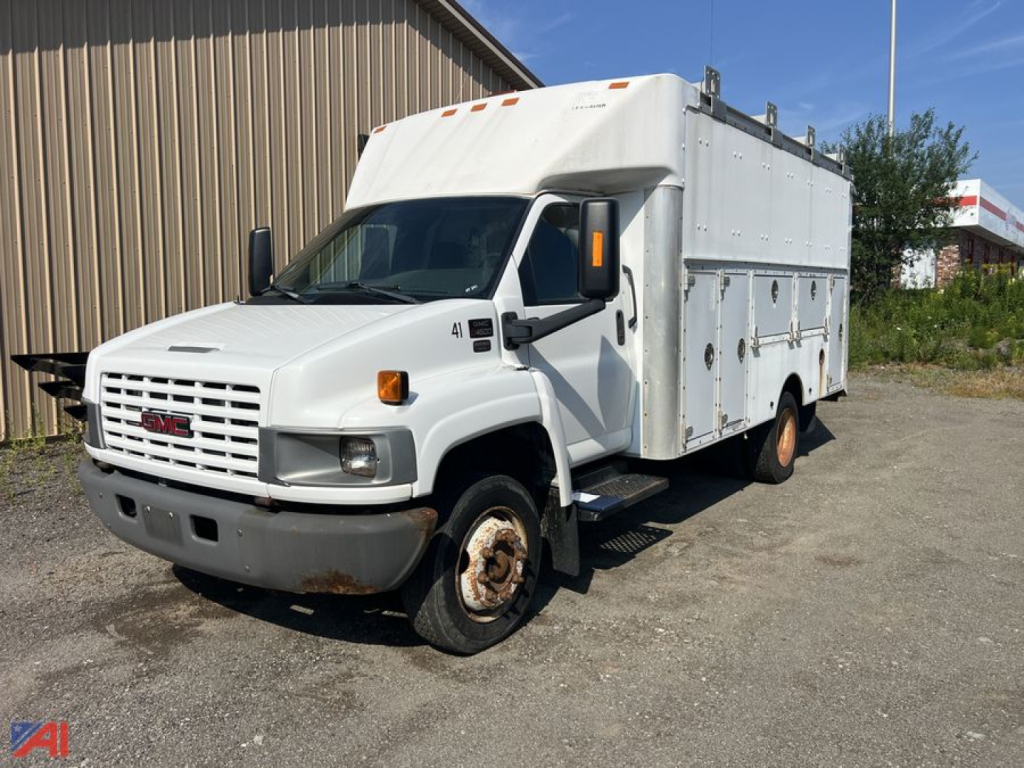
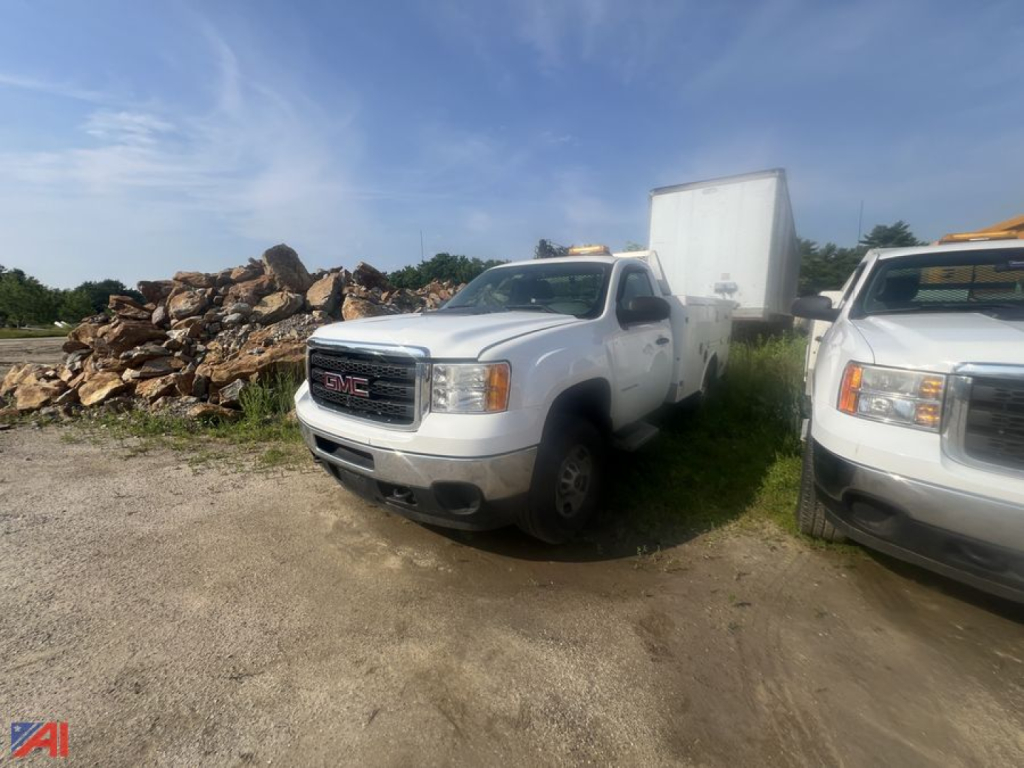
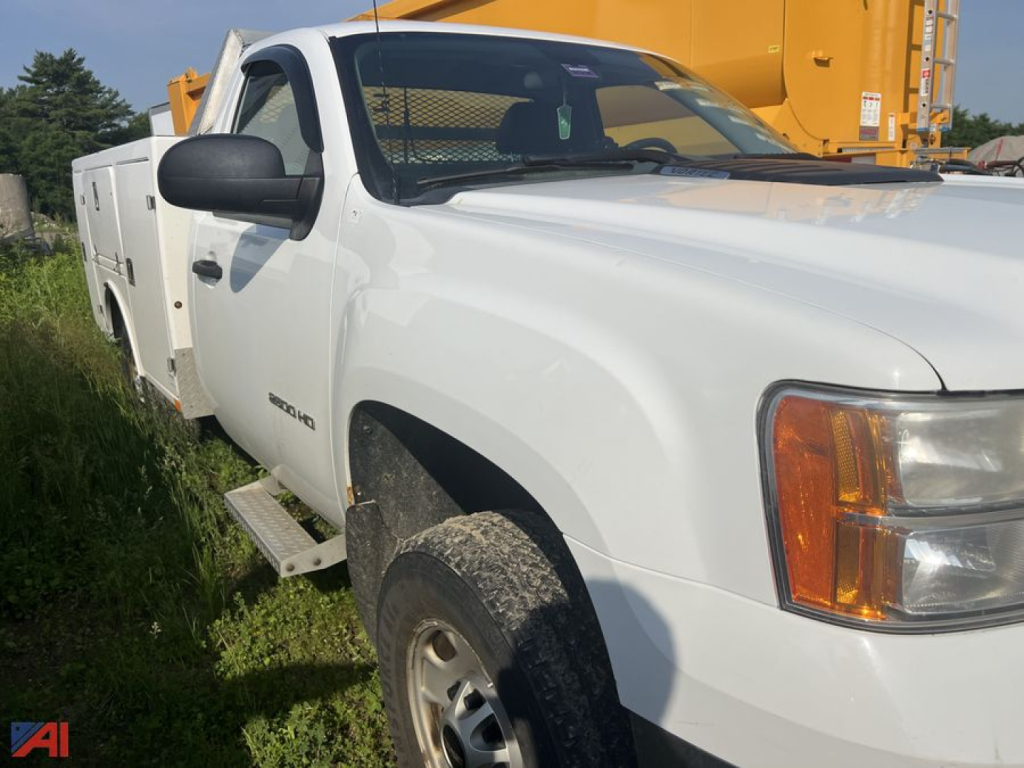
Have service/utility truck to sell? List it here to reach thousands of buyers.
About Service/Utility Trucks in Maine
Body design matters as much as the cab and drivetrain. Most service trucks use enclosed side compartments with adjustable shelving, drawer systems, and locking doors to keep parts organized and secure. Buyers should look closely at compartment depth, floor structure, weather sealing, and corrosion in the body, especially in Maine where road salt, freeze-thaw cycles, and coastal moisture can shorten the life of doors, latches, outriggers, and underbody mounts. If the truck is fitted with a crane, check crane capacity, reach, hydraulic condition, PTO operation, and the presence of stabilizers. For mechanic service, crane-equipped trucks often pair best with air compressors, welders, inverter systems, and heavier rear suspensions. A clean utility body without a crane may be the better fit for electrical, plumbing, sign, telecom, and general maintenance work where storage and accessibility matter more than lifting capacity.
Powertrain and driveline choices should match the route and work environment. In Maine, 4x4 service trucks are often preferred for winter traction, unpaved access roads, and utility right-of-way work, though 4x2 units can be cost-effective for paved municipal and commercial service routes. Diesel engines are common in heavier trucks because they handle payload and PTO use well, while gas engines remain popular in lighter service bodies for lower upfront cost and simpler maintenance. Pay attention to GVWR, front axle rating, rear axle ratio, brake type, and wheelbase because these affect body upfit options, turning radius, and legal payload. Cab configuration also changes daily usability. Regular cabs maximize body length, while extended and crew cabs add space for crews, gear, and paperwork.
A good service or utility truck should reduce downtime in the field, not just haul equipment from shop to site. Buyers typically compare compartment usability, upfit quality, crane or compressor integration, rust condition, PTO hours if applicable, and signs of hard idle time common in municipal and contractor service fleets. It is also worth checking lighting, beacon systems, inverter wiring, hitch setup, ladder rack design, and any evidence of electrical add-ons done outside factory standards. The best unit is the one that fits the trade, carries the real working load without being over-trucked, and still leaves room for safe access to tools on a shoulder, in a yard, or on a winter roadside call.
Frequently Asked Questions
What is the difference between a service truck and a utility truck?
The terms are often used interchangeably, but service truck usually refers to a truck set up for field repair, maintenance, or mechanic work, while utility truck can describe a broader range of service body configurations used by electricians, municipalities, telecom crews, plumbers, and public works departments. A mechanic service truck may include a crane, welder, compressor, and heavier body structure. A general utility truck may focus more on compartment storage, parts organization, and access to tools.
Is a crane-equipped utility truck worth it?
A crane-equipped utility truck makes sense when the job regularly involves lifting pumps, small engines, attachments, pipe, generators, or other heavy components in the field. It adds cost, weight, and more hydraulic components to inspect, but it can eliminate the need for separate lifting equipment and improve service response time. Buyers should confirm crane rating, boom condition, PTO and hydraulic performance, outrigger function, and how much payload remains after the crane and body are installed.
What should buyers inspect on a used service or utility truck in Maine?
Rust and corrosion should be high on the list in Maine. Check cab corners, rocker panels, frame rails, spring hangers, body mounts, compartment floors, latch hardware, hinges, and the underside of the utility body. Road salt can also affect brake lines, electrical connections, lighting circuits, PTO components, and hydraulic fittings. Beyond corrosion, inspect door alignment, compartment seals, crane structure if equipped, service records, idle hours, and signs that the truck has spent long periods stationary while powering accessories.
What GVWR and chassis size is best for a utility body truck?
The right GVWR depends on the body size, stored equipment, and whether the truck carries a crane or powered accessories. A 2500 or 3500-series chassis can work well for lighter-duty service bodies and mobile technicians. Medium-duty trucks are a better fit when the body has large side packs, steel construction, compressors, welders, generators, or crane packages that quickly consume payload. Buyers should calculate actual tool weight, fluids, passengers, and upfit weight rather than relying on body appearance alone.
Are diesel or gas engines better for service trucks?
Diesel engines are often favored in heavier service trucks because they deliver strong low-end torque, support medium-duty GVWR ranges, and generally handle PTO-driven equipment well. Gas engines can be a practical choice in lighter-duty service bodies where annual mileage is moderate and buyers want lower acquisition cost and less emissions-system complexity. The better choice depends on chassis size, duty cycle, towing needs, idle time, and whether the truck will power hydraulic or mechanical accessories on a regular basis.