
GMC Service/Utility Trucks For Sale in Maine
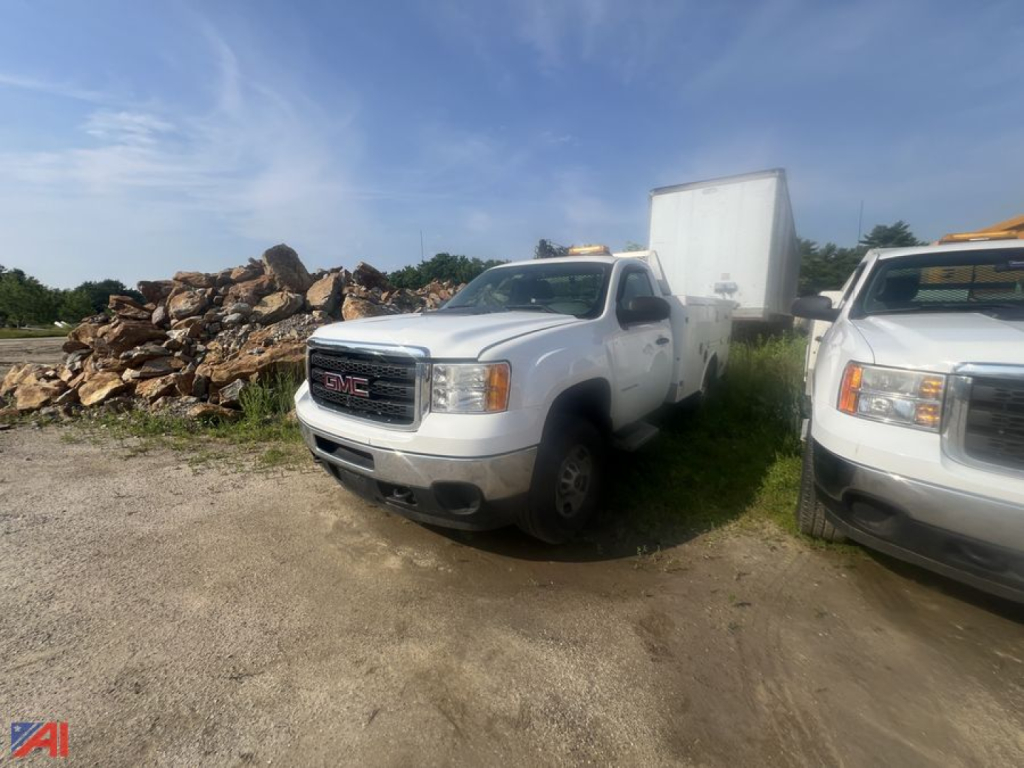
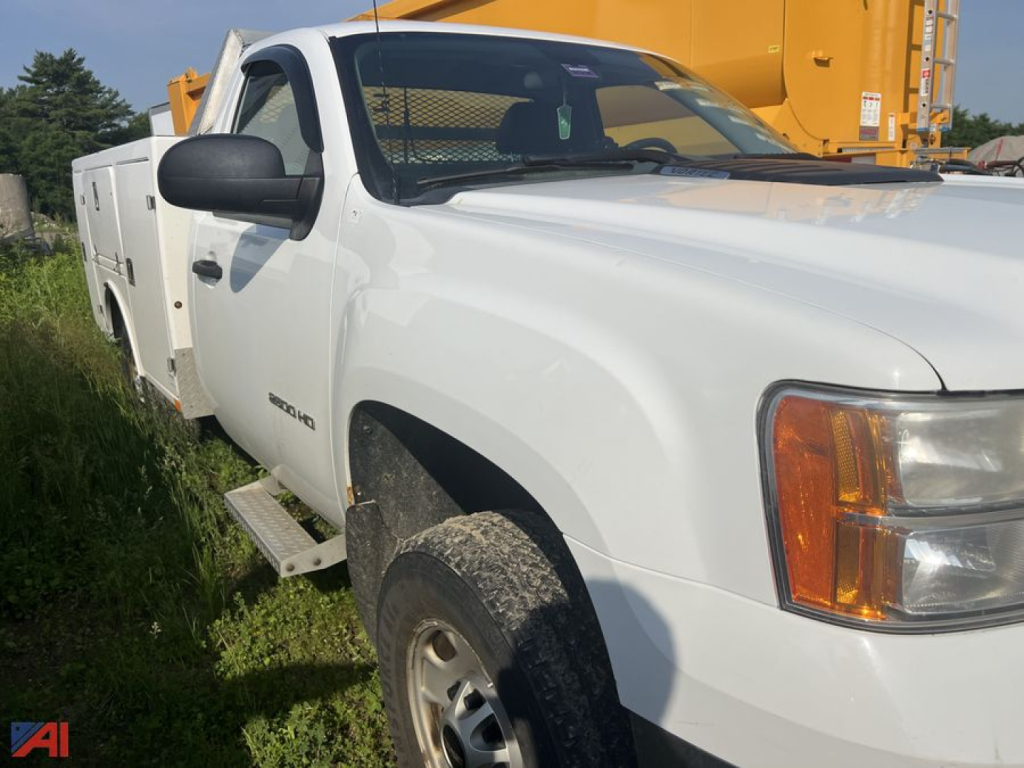
Browse GMC service and utility trucks built for field repair, municipal work, and contractor fleets, including Sierra HD and TopKick chassis.
Learn more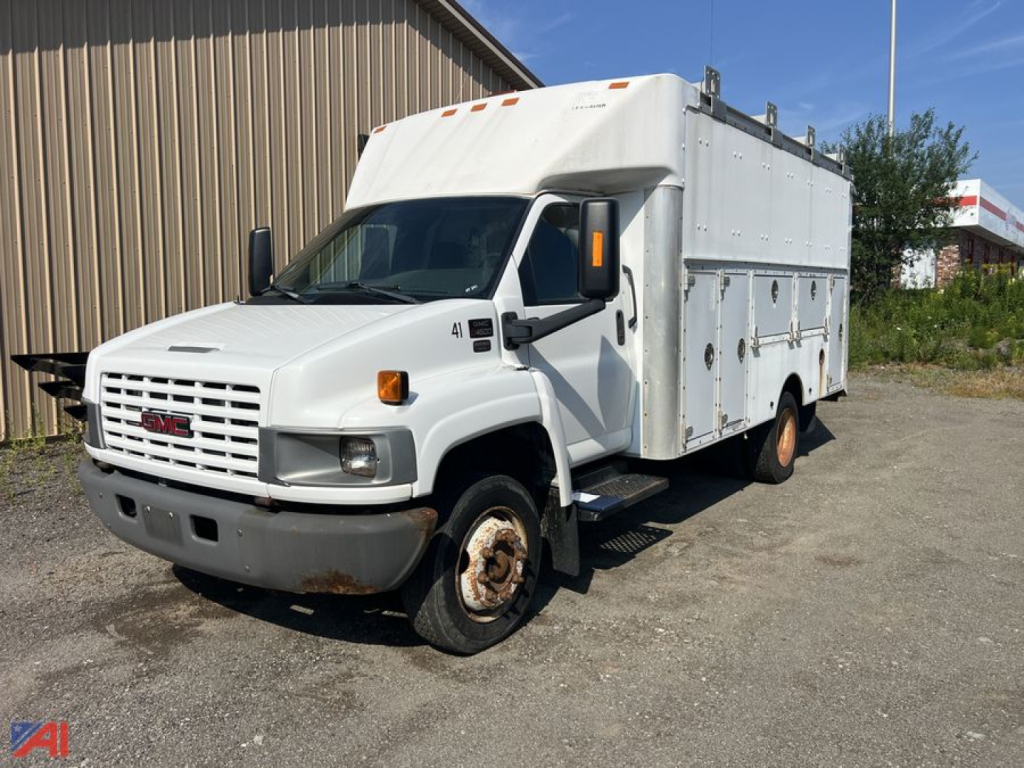
Have gmc service/utility truck to sell? List it here to reach thousands of buyers.
About GMC Service/Utility Trucks in Maine
Body configuration matters as much as the chassis. A standard service body gives you side-pack compartments, a protected cargo deck, and organized storage for hand tools, fittings, and consumables. Crane-equipped service trucks add another layer of capability for lifting pumps, small engines, pipe, generators, and jobsite materials, but buyers should confirm crane rating, stabilizer setup, PTO operation, and frame reinforcement. On GMC Sierra HD models, common priorities include gas versus diesel power, 4x2 or 4x4 driveline, GVWR, and cab layout. On TopKick and other medium-duty GMC trucks, buyers often focus on axle ratings, wheelbase, body length, and whether the truck has enough reserve capacity for a fully loaded body plus accessories like compressors, inverters, reel racks, or ladder storage.
For Maine buyers, corrosion control and cold-weather reliability are major considerations. Utility trucks in municipal or contractor service often spend years exposed to road salt, plow routes, and winter idling, so it pays to inspect cab corners, rocker panels, body mounts, compartment floors, latches, hinges, and underbody crossmembers carefully. Service bodies can hide rust in the compartment structure even when the exterior still presents well. Four-wheel drive is valuable for utility crews, construction support, and property maintenance in snow season, while a locking rear differential, good ground clearance, and proper tire selection can make a real difference on unpaved access roads and winter jobsites.
A well-matched GMC utility truck can lower downtime by keeping equipment, inventory, and lifting capability in the field instead of back at the shop. Buyers should compare compartment layout, crane or compressor integration, remaining payload after upfit weight, and overall service history before narrowing down listings. On older Sierra HD and TopKick units, condition usually outweighs age alone. A clean frame, dry PTO setup, solid electrical system, and well-maintained utility body are often more important than model year when the truck’s job is daily field service.
Frequently Asked Questions
What is the difference between a GMC service truck and a GMC utility truck?
In practice, the terms are often used interchangeably. A GMC service truck usually refers to a truck with a service body designed for tools, parts, and field repair work. A GMC utility truck can mean the same thing, but it may also describe a truck used by municipalities, electricians, telecom crews, or public works departments. The key buying point is the body equipment and storage layout, not just the label in the listing.
Is a GMC Sierra 2500HD enough for a service body, or should I look at a TopKick C4500?
A GMC Sierra 2500HD works well for lighter-duty field service, general contractor use, building maintenance, and mobile repair where storage and maneuverability matter more than maximum payload. A GMC TopKick C4500 is the better fit when the body is larger, the truck carries heavier parts or equipment, or the upfit includes a crane, compressor, welder, or other PTO-driven gear. The decision should be based on actual loaded weight, axle ratings, and how much reserve capacity you want left after the body and accessories are installed.
What should I inspect first on a used GMC utility truck in Maine?
Start with rust and structural condition. Check the frame, brake and fuel lines, spring hangers, body mounts, compartment floors, and the underside of the utility body. In Maine, road salt can affect both the chassis and the body structure, especially around door seams, latch areas, and crossmembers. After that, inspect the electrical system, charging output, PTO components if equipped, and any crane or compressor functions because utility trucks often have more wiring and auxiliary systems than a standard pickup.
Are crane-equipped GMC utility trucks worth the extra cost?
They can be, if your work regularly involves lifting heavy equipment, pipe, pumps, generators, or material that would otherwise require another machine or extra labor. A crane truck adds versatility and reduces manual handling, but it also adds weight, complexity, and inspection requirements. Buyers should verify crane capacity, boom condition, hydraulic performance, stabilizer operation, and the effect of the crane and body on the truck’s remaining legal payload.
What body features matter most on a GMC service or utility truck?
Compartment size and layout usually matter most because they determine how efficiently the truck works every day. Buyers should look at shelf setup, locking compartments, weather sealing, cargo deck space, ladder or pipe rack provisions, and whether the body has provisions for compressors, reels, welders, or inverters. Good compartment access and a practical storage plan can make a smaller truck more productive than a larger one with a poor layout.