
Used Mack Service/Utility Trucks For Sale

Have used mack service/utility truck to sell? List it here to reach thousands of buyers.
Used Mack Service/Utility Trucks
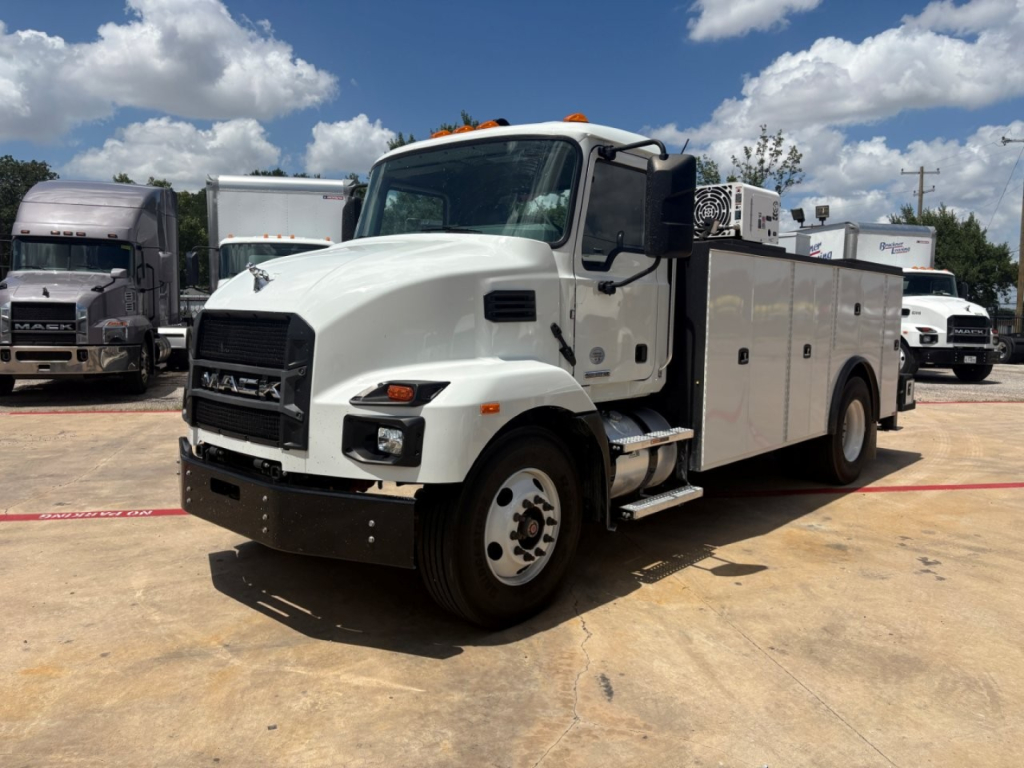
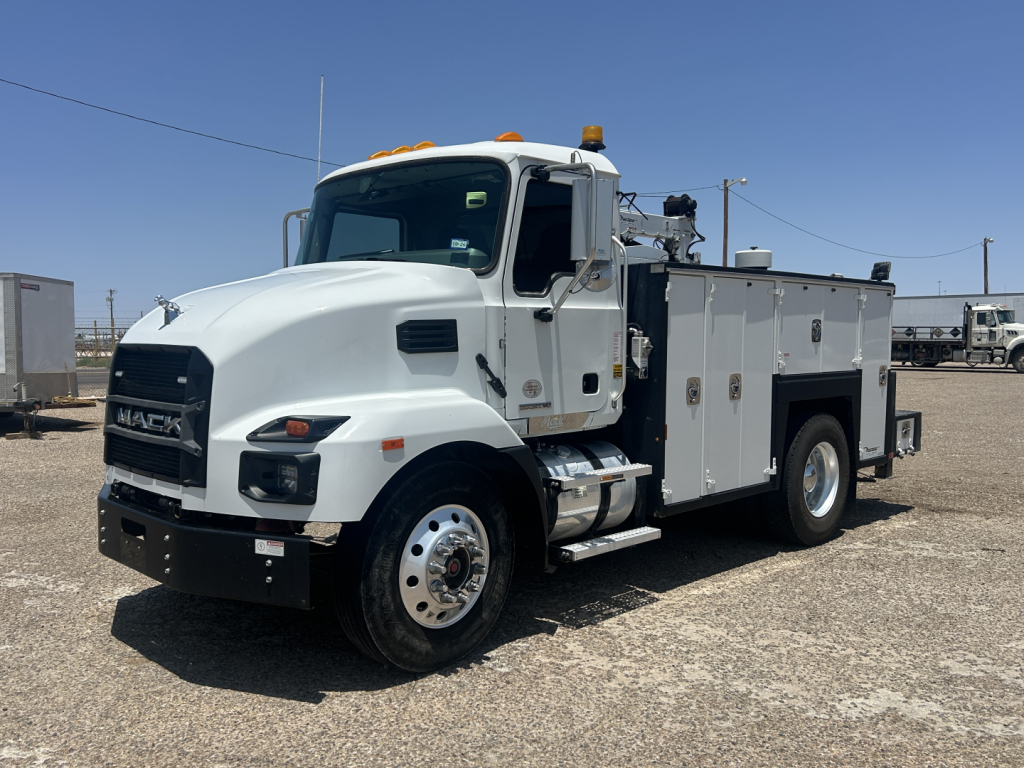
A key buying point is whether the truck is set up to stay under CDL thresholds or maximize payload above that line. Many used Mack service trucks in this class are built around a 31,000-lb GVWR, which can be attractive for contractors, municipalities, telecom crews, and utility service fleets that want strong capability without stepping into a heavier chassis than the job requires. Buyers should look closely at front and rear axle ratings, wheelbase, rear ratio, and suspension because those specs affect body upfit compatibility, crane stability, and loaded drivability. Common powertrains include the Cummins ISB 6.7 paired with an Allison automatic, a combination valued for predictable performance, PTO compatibility, and ease of operation for multi-driver fleets.
The service body itself is where jobsite productivity is won or lost. Many Mack utility trucks are fitted with Knapheide or similar service bodies with enclosed compartments, external storage, and reinforced tops designed to support cranes, compressors, hose reels, and hydraulic systems. On crane-equipped units, buyers should verify crane rating in foot-pounds, horizontal reach, vertical lift, line speed, rotation, and remote-control operation. A 77,000-plus ft-lb crane, for example, can cover a wide range of field repair, equipment handling, and component placement tasks, but the real question is how that lifting chart matches your daily picks. Hydraulic air compressors, air tanks, work lights, outriggers, and accessory power options also deserve close attention because these details determine whether the truck functions as a true self-contained service platform.
Condition on a used Mack service/utility truck should be judged well beyond mileage. Inspect PTO engagement, crane maintenance records, body rust, compartment door alignment, hydraulic leaks, boom wear, outrigger operation, and signs of frame stress around the body mounts. It is also smart to confirm whether the truck has the exact upfit package your work requires, since reconfiguring a utility body, compressor, or crane setup can be expensive. For buyers comparing multiple used Mack service trucks for sale, the best value usually comes from a chassis and body package that already matches the service trade, lifting needs, and licensing requirements of the fleet.
Frequently Asked Questions about Used Mack Service/Utility Trucks
What should I look for first on a used Mack service/utility truck?
Start with the body and equipment package, not just the cab and chassis. A used Mack service truck is only as useful as its crane, compressor, storage layout, PTO system, and hydraulic setup. Check the GVWR, axle ratings, wheelbase, and suspension to make sure the truck is properly matched to the upfit. Then inspect service body condition, compartment integrity, crane operation, outriggers, and maintenance records. A clean chassis with the wrong body package can cost more to correct than buying the right truck up front.
Are Mack MD6 service trucks good for under-CDL applications?
Yes, many Mack MD6 service and utility trucks are configured around a 31,000-lb GVWR, which keeps them under the 26,001-plus CDL threshold only if they are actually spec'd below it, so buyers must verify the exact door sticker and registration class. The MD6 is a popular platform because it can carry a substantial service body, crane, and support equipment while remaining compact enough for city work, contractor service calls, and utility fleet use. The key is confirming the finished weight, payload, and legal operating class of the specific truck and upfit combination.
What crane specs matter most on a used service truck?
The most important crane specs are rated capacity, lifting chart, horizontal reach, vertical lift, rotation, line speed, and control method. Buyers often focus on the maximum headline capacity, but close-in lifting and full-reach capacity are what determine real jobsite usefulness. A crane rated in foot-pounds can look impressive on paper, yet still be a poor fit if it does not meet the actual picks your crew makes every day. Outrigger condition, remote operation, and hydraulic system health are just as important as the crane model itself.
Why are Cummins and Allison combinations common on Mack utility trucks?
The Cummins ISB 6.7 and Allison automatic pairing is widely used in medium-duty service trucks because it is familiar to fleet technicians, supports PTO-driven applications well, and is easy for multiple operators to drive. In utility and contractor work, smooth low-speed control, dependable shifting, and straightforward serviceability often matter more than peak horsepower numbers. That makes this drivetrain combination a practical choice for crane bodies, compressor-equipped trucks, and other vocational upfits that spend as much time working on site as they do traveling between calls.
How do I evaluate a used service truck body for long-term value?
Look closely at the body structure, not just cosmetic appearance. Open every compartment, inspect latch operation, check for corrosion in the floor and lower door edges, and examine the top deck for cracks or deformation near crane mounts and heavy equipment areas. Review the hydraulic reservoir, hoses, reels, compressor installation, and any wiring added for beacons, work lights, or inverters. A used Mack utility truck with a sound chassis but a worn-out body can become expensive quickly, especially if the service body has specialized crane or compressor integration that is difficult to replace.