
Used GMC Service/Utility Trucks For Sale in Maine
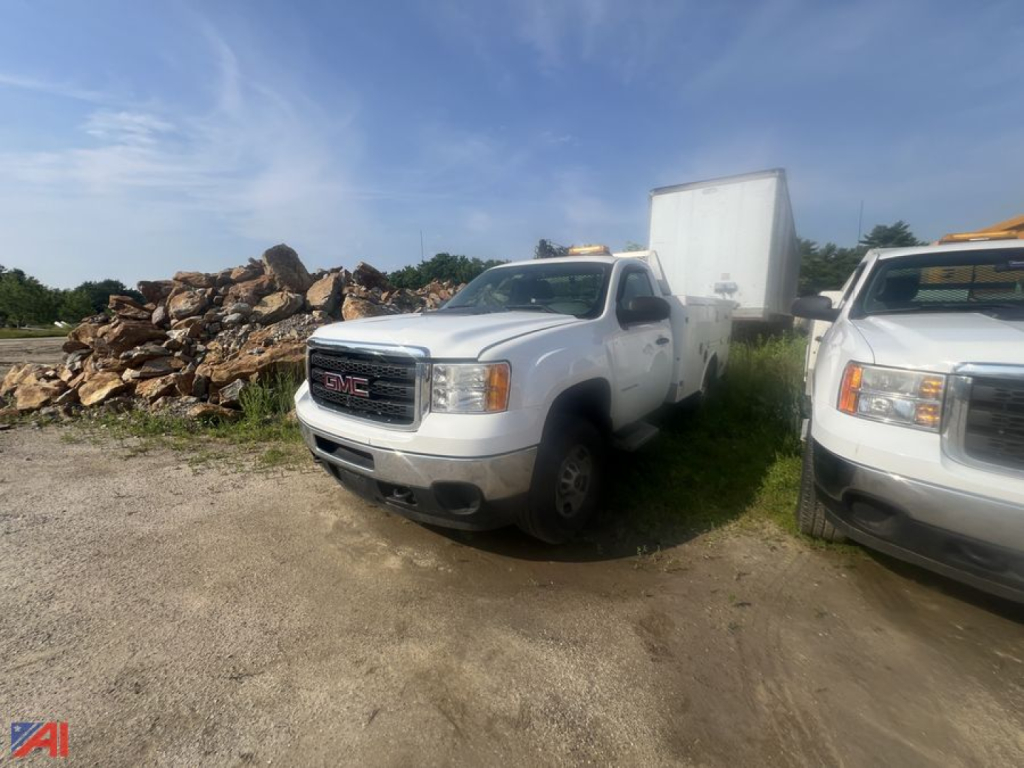
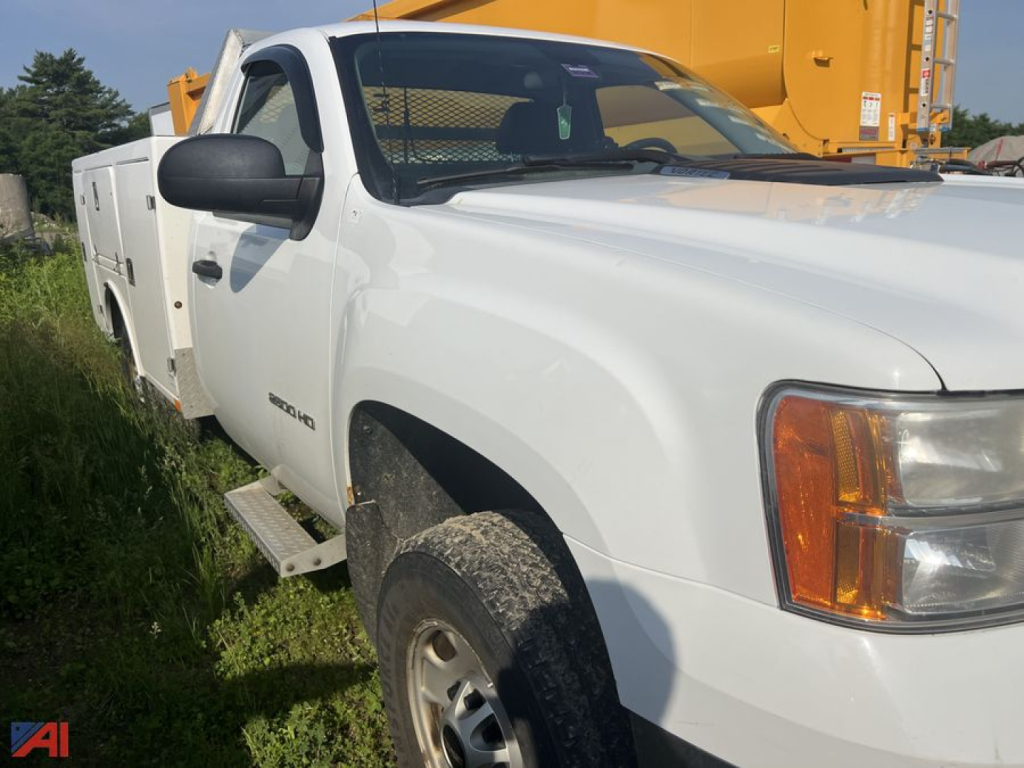
Browse used GMC service and utility trucks in Maine, including Sierra and TopKick models with utility bodies, storage compartments, and crane options.
Learn more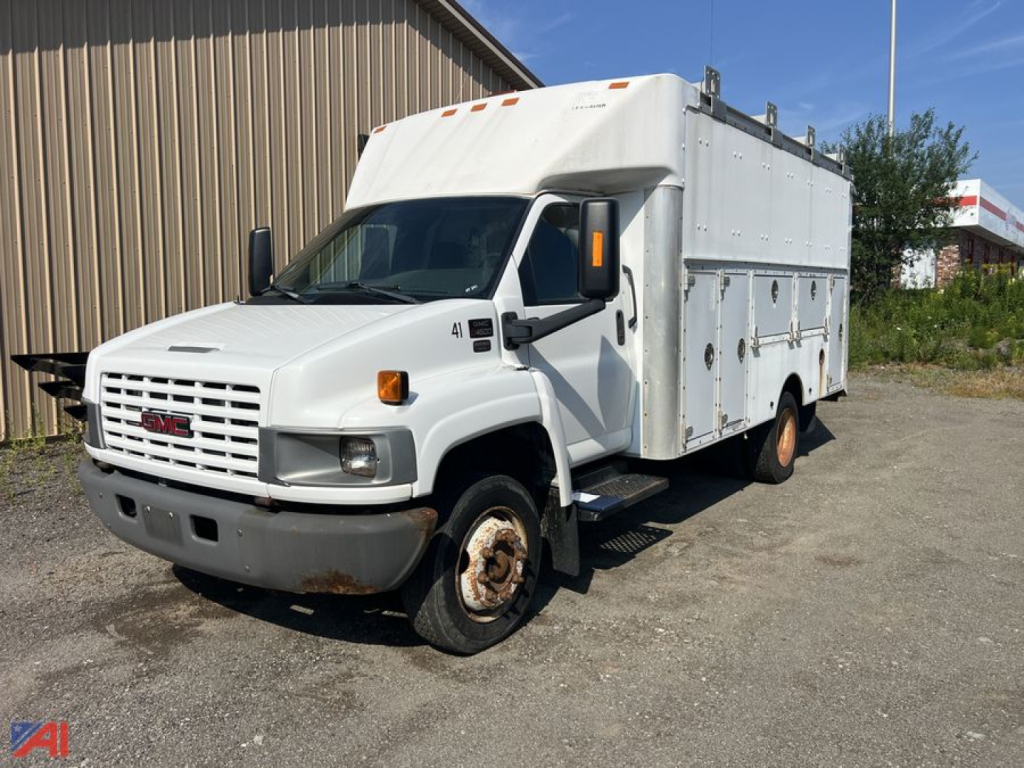
Have used gmc service/utility truck to sell? List it here to reach thousands of buyers.
About Used GMC Service/Utility Trucks in Maine
A Sierra 2500HD utility truck is a practical fit for municipal service departments, electricians, plumbers, HVAC contractors, telecom crews, and general maintenance operations that need a smaller chassis with enclosed side compartments. A TopKick C4500 utility truck moves into a medium-duty class with more GVWR, stronger upfit potential, and better suitability for heavier service bodies or crane service work. Buyers should pay close attention to cab configuration, wheelbase, axle ratings, PTO capability, and body condition. On used units, compartment doors, hinges, latches, seals, shelving, and workbench setups often matter just as much as engine and transmission condition because those details affect daily uptime.
In Maine, corrosion control and cold-weather durability deserve extra scrutiny. Utility trucks that have spent years in municipal or contractor service may show rust around body mounts, compartment floors, rocker panels, brake and fuel lines, and underbody crossmembers. It is smart to inspect the service body for rust-through, check that all locks and doors operate correctly, and confirm the electrical system supports strobes, work lights, inverters, and any auxiliary equipment. If the truck has a crane, review crane rating, stabilizer condition, cable or hydraulic system wear, and certification history if available. Snow, salt, and stop-and-go duty cycles can be harder on these trucks than highway miles alone.
A good used GMC service truck should match the jobsite before it matches the price. Lighter utility bodies favor mobile repair and facility maintenance work where maneuverability matters. Heavier configurations with cranes or larger compartment packages are better suited to field mechanics, public works, construction support, and equipment repair. Buyers comparing listings should look beyond model year and odometer and focus on service body quality, upfit value, maintenance records, and how well the truck’s chassis class fits the tools and payload it will carry every day.
Frequently Asked Questions
What is the difference between a GMC service truck and a GMC utility truck?
The terms are often used interchangeably, but service truck usually refers to a work truck with a service body designed for tools, parts, and field repair equipment. Utility truck can mean the same thing, though it is also commonly used for trucks with enclosed side compartments used by contractors and municipal crews. In practice, buyers should focus less on the label and more on the body layout, payload rating, and whether the truck is equipped for cranes, compressors, generators, or technician storage.
Is a GMC Sierra 2500HD utility truck enough, or should I look for a TopKick C4500?
A GMC Sierra 2500HD utility truck is typically better for lighter-duty service work, smaller crews, and jobs that require easier maneuverability in towns, parking lots, and residential areas. A GMC TopKick C4500 is a better fit when you need more GVWR, heavier tools, more compartment capacity, or a crane-equipped service body. The decision should be based on actual payload, body weight, trailer requirements, and how much auxiliary equipment the truck needs to carry every day.
What should I inspect first on a used service or utility truck in Maine?
Start with rust, body integrity, and the condition of the utility body compartments. Maine trucks can see heavy exposure to road salt, moisture, and freeze-thaw cycles, so it is important to inspect the frame, brake lines, fuel lines, cab corners, rocker panels, body mounts, compartment floors, and door hardware. After that, verify the operation of lights, wiring, PTO equipment, and any crane or compressor systems because electrical and hydraulic repairs can add significant cost.
Are crane-equipped GMC utility trucks worth considering on the used market?
They can offer strong value if the crane system is in good condition and properly matched to the chassis and service body. A used utility truck with crane can improve productivity for mechanics, equipment service technicians, and public works crews by reducing manual lifting and speeding up field repairs. Buyers should confirm crane capacity, inspect outriggers or stabilizers, check hydraulic lines and controls, and review any service or inspection records before purchase.
What jobs are GMC service and utility trucks best suited for?
These trucks are widely used for municipal maintenance, electrical service, plumbing, HVAC, telecom work, mobile mechanics, facility maintenance, and construction support. A lighter pickup-based GMC utility truck works well for technicians carrying parts and hand tools, while a heavier medium-duty GMC service truck is better suited for field repair, jobsite support, and applications that require cranes, welders, air compressors, or larger onboard storage systems.