
Used GMC Service/Utility Trucks For Sale

Have used gmc service/utility truck to sell? List it here to reach thousands of buyers.
Used GMC Service/Utility Trucks
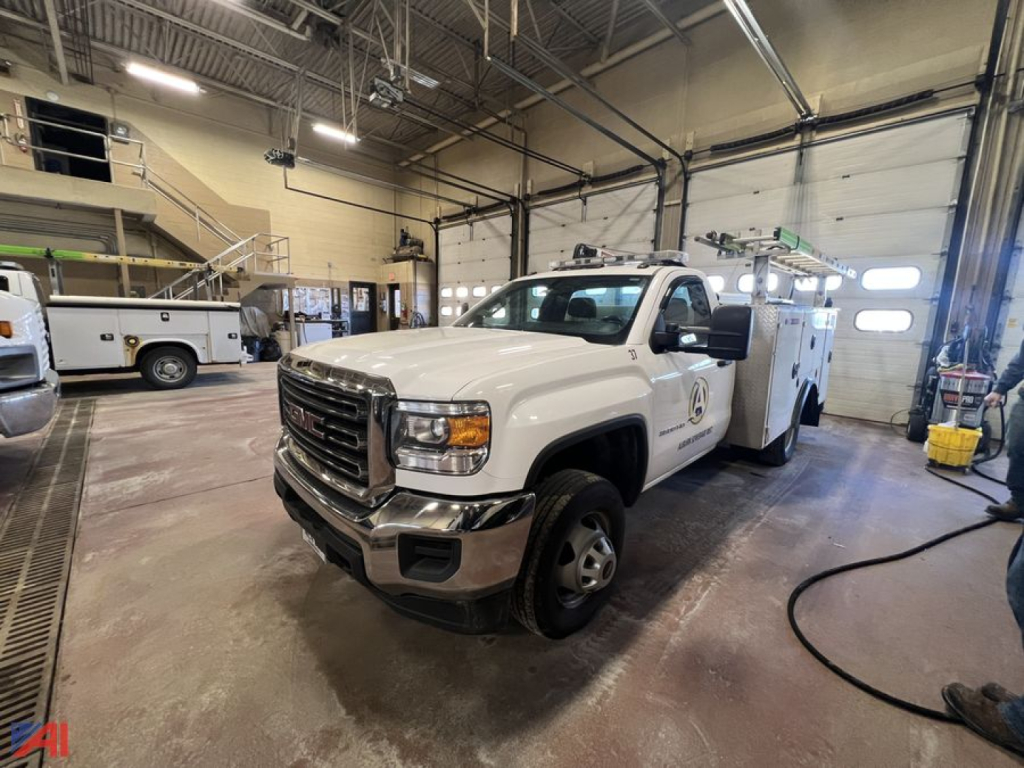
For most buyers, the first decision is chassis size and fuel type. A GMC 3500HD service truck is common for electricians, plumbers, HVAC crews, telecom work, and general maintenance because it balances storage, towing, and maneuverability. Gas engines are often favored in lighter-duty service applications because purchase cost and maintenance are simpler, while diesel-powered medium-duty GMC utility trucks make more sense when the truck carries heavier equipment, tows regularly, or spends long days idling on service calls. Pay attention to GVWR, rear axle ratio, wheelbase, and whether the truck is single rear wheel or dual rear wheel, since those factors affect payload, turning radius, and body capacity.
Body condition matters as much as drivetrain condition on a used service truck. Buyers should inspect compartment floors, hinges, latches, seals, and door alignment, along with rust around the body mounts, rocker areas, and underbody crossmembers. A good utility body should have usable shelving, solid compartment dividers, and a layout that matches the trade. Features like ladder racks, receiver hitches, inverters, compressors, generators, drawer systems, backup cameras, and tow packages can add real working value. If the truck has been fleet maintained, service records can be especially important because many utility trucks accumulate idle hours, PTO use, and stop-and-go operation that are not obvious from mileage alone.
A used GMC service or utility truck can be a cost-effective way to put a fully equipped mobile work platform into service without the lead time of an upfit. The best unit is not just the newest truck, but the one with the right body size, compartment configuration, axle rating, and cab setup for the work. Regular-cab models maximize bed and body space in a compact footprint, while extended and crew cab trucks give more room for crews and secure interior storage. For buyers comparing listings, the most useful details are body manufacturer, engine, transmission, service history, rust exposure, equipment mounted in the body, and any signs the truck was overloaded or used in severe-duty conditions.
Frequently Asked Questions about Used GMC Service/Utility Trucks
What should I look for first on a used GMC service or utility truck?
Start with the body and chassis match. Confirm the truck's GVWR, axle ratings, wheelbase, and suspension are appropriate for the utility body and the tools or equipment you plan to carry. Then inspect the service body for rust, damaged compartments, sagging doors, broken latches, and worn seals. On the chassis side, review maintenance records, idle-heavy use, transmission condition, brake wear, tire condition, and any signs of frame corrosion or overloading.
What is the difference between a GMC service truck and a GMC utility truck?
In the used market, the terms are often interchangeable. Both usually refer to a GMC chassis fitted with a compartment-style body for tools, parts, and field service equipment. Some buyers use service truck to describe a mechanic-oriented setup and utility truck to describe a broader contractor or municipal application, but the actual value comes from the body layout, storage design, payload rating, and installed equipment rather than the label.
Is a GMC 2500HD or 3500HD better for a utility body?
A GMC 2500HD can work well for lighter service applications, but a 3500HD is typically the more practical choice for a utility body because it offers higher payload capacity and better support for fully loaded compartments, racks, and towing. If the truck will carry heavy inventory, a compressor, generator, welder, or routinely tow a trailer, the 3500HD usually provides more flexibility and durability. The right answer depends on the final curb weight of the upfit and how the truck will be used day to day.
Are miles the best way to judge a used utility truck?
No. Mileage matters, but service trucks often spend long periods idling or operating in stop-and-go conditions, which can create wear that is not obvious from the odometer alone. Engine hours, PTO hours if equipped, fleet service records, brake and transmission condition, and the overall state of the body are often better indicators of remaining useful life. A higher-mile truck with strong maintenance history can be a better buy than a lower-mile unit with heavy idle time and poor upkeep.
What body features add the most value on a used GMC service truck?
The most valuable features are the ones that reduce setup time and keep tools secure. Buyers often prioritize locking side compartments, adjustable shelving, drawer units, ladder racks, hitches, power inverters, compressors, hose or cable reels, work lighting, and organized rear access. For many trades, a well-designed utility body from a recognized manufacturer can add more real-world value than cosmetic condition alone because it affects daily efficiency on every service call.