
Ford Service/Utility Trucks For Sale in North Carolina
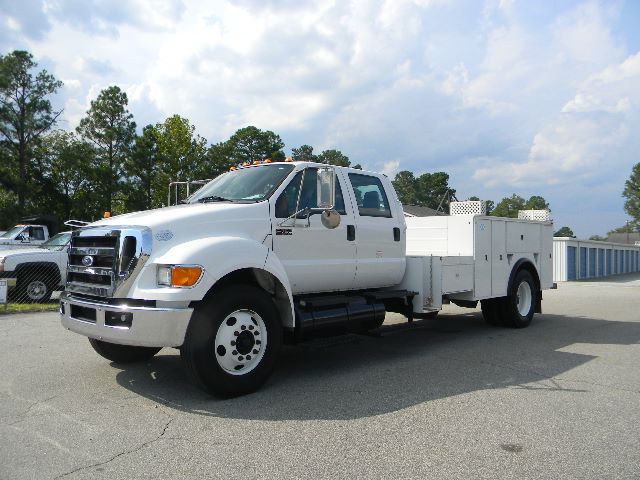
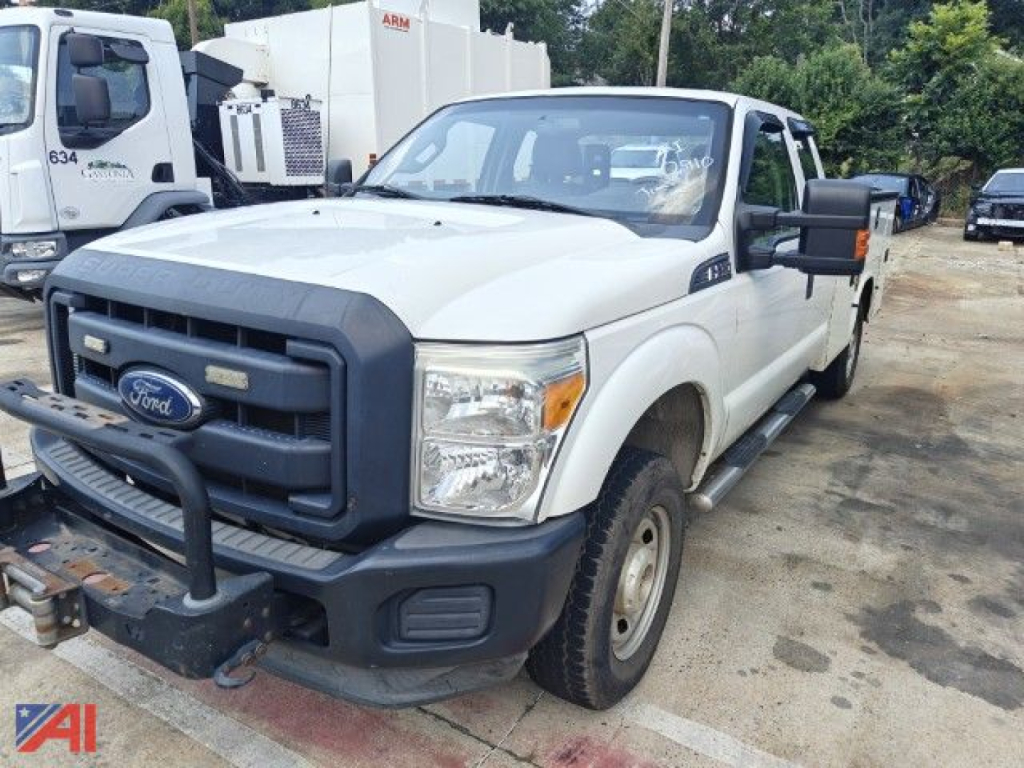
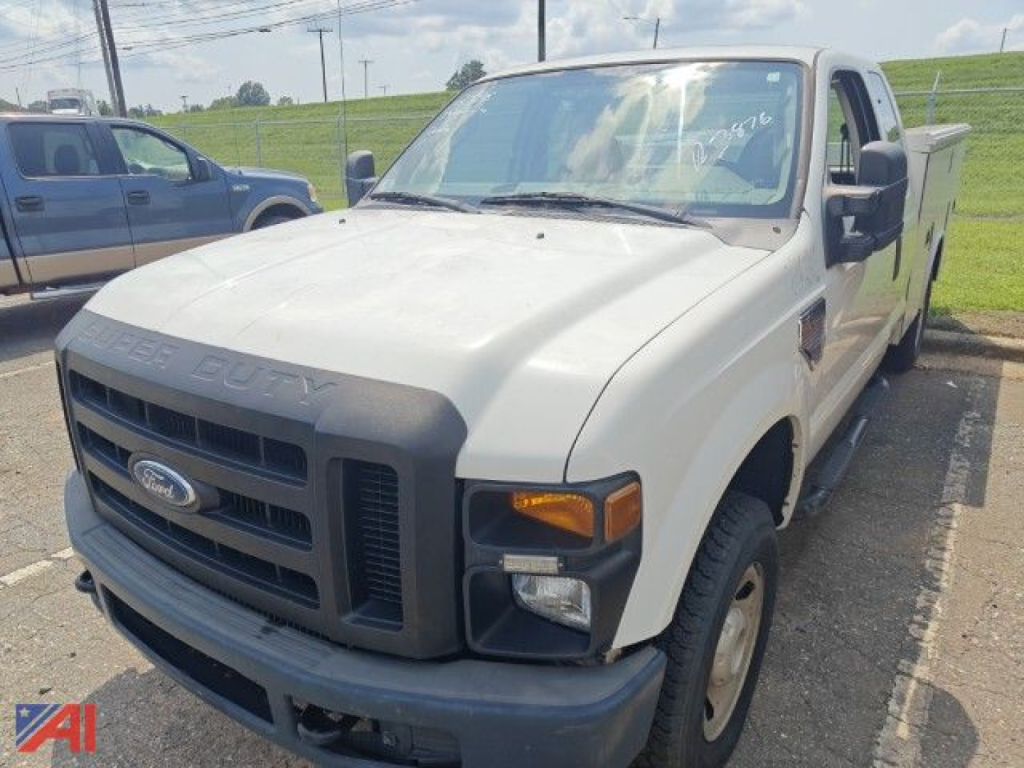
Have ford service/utility truck to sell? List it here to reach thousands of buyers.
Ford Service/Utility Trucks in North Carolina
The first buying decision is usually chassis size and payload. A lighter Ford F-250, F-350, or F-450 service truck works well for general contractors, roadside support, and technicians who need organized storage without stepping into a CDL-required platform. An F-550 or larger F-650 and F-750 utility truck makes more sense when the body is longer, the compartment package is heavier, or the truck carries welders, compressors, cranes, and bulk fluids. Check GVWR, front and rear axle ratings, wheelbase, and body length together, because utility bodies can become front-heavy or rear-heavy depending on crane placement, outriggers, and tank location. Engine and transmission choice also matters. Ford gas engines can be a fit for lighter-duty, lower-mile fleets, while diesel-equipped trucks are often preferred for higher payloads, PTO use, and longer service life in daily commercial operation.
Body layout is where productivity is won or lost. A good service body should match the trade, not just the chassis. Electric and telecom fleets often look for reel racks, attic storage, and secure lockable compartments for tools and connectors. Mechanics may prioritize compressor mounting, torch bottle storage, lube systems, and drawer packages. Utility buyers should inspect compartment depth, shelf adjustability, door seals, latch condition, and corrosion around the body floor and lower compartment edges. In North Carolina, coastal exposure can accelerate rust on service bodies, underbodies, and electrical connections, so buyers should pay close attention to corrosion, especially on older fleet units. If the truck has a crane, verify crane rating, boom condition, stabilizer operation, and whether the chassis and body were upfitted to handle the load path correctly.
A Ford utility truck should also be evaluated as a work platform, not just a cab and engine. Look at idle hours if auxiliary equipment has been used extensively, and inspect the charging system, PTO operation, inverter wiring, beacon and work-light circuits, and trailer brake setup. Cab configuration matters too. Regular cab trucks maximize body length on a shorter wheelbase, while crew cabs support multi-person service crews but reduce available body space unless the chassis is longer. For buyers comparing listings, the best value usually comes from matching the truck's compartment package, payload, and upfit equipment to the actual job instead of paying for unused hardware. A clean Ford service truck with the right body configuration can improve technician efficiency, reduce tool loss, and keep field repairs moving without a support trailer.
Frequently Asked Questions about Ford Service/Utility Trucks in North Carolina
What is the difference between a service truck and a utility truck?
The terms are often used interchangeably, but service truck usually refers to a truck set up for mobile repair, installation, or maintenance work with side compartments and job-specific equipment. Utility truck can refer more broadly to trucks used by public works, electrical, telecom, and infrastructure crews. In the market, both typically feature enclosed exterior storage, work-ready upfits, and chassis selected around payload, equipment weight, and daily operating conditions.
Which Ford chassis is best for a service or utility body?
The best chassis depends on body weight and application. Ford F-250 through F-450 models are common for lighter service bodies and contractor use. F-550 models are popular when buyers need higher payload, towing capacity, or heavier upfit equipment. Ford F-650 and F-750 trucks are better suited for large utility bodies, cranes, compressors, fuel and lube systems, and full-time commercial service work where axle ratings, frame strength, and brake capacity matter more than light-duty maneuverability.
What should I inspect on a used Ford service truck?
Start with the body and upfit, not just the engine. Check compartment floors, door hinges, seals, latches, and locks. Inspect for rust at body mounts, lower compartment edges, undercoating seams, and around any added electrical equipment. Verify that cranes, compressors, reel carriers, PTO-driven systems, and inverters operate correctly. Review GVWR and axle ratings against the installed body and equipment, because overloaded service trucks wear out suspension, brakes, and tires quickly.
Are diesel Ford utility trucks better than gas models?
Diesel trucks are often the better fit for heavier service bodies, higher annual mileage, towing, and PTO-related work because they deliver stronger low-end torque and are commonly found in medium-duty chassis. Gas engines can still be a smart choice for lighter-duty fleets with shorter routes, simpler maintenance preferences, and lower acquisition cost. The better option depends on payload, idle time, operating cycles, and whether the truck powers auxiliary equipment on a regular basis.
Why does body configuration matter so much on a utility truck?
Body configuration affects technician efficiency, safety, and total usable payload. Shelf placement, compartment depth, reel rack design, ladder storage, and crane or compressor positioning all influence how quickly crews can access tools and how well the chassis carries the load. A truck with the wrong compartment package may still run fine but create daily inefficiencies, uneven weight distribution, and limited room for the equipment the job actually requires.