
Trucks For Sale Near Saugerties, New York
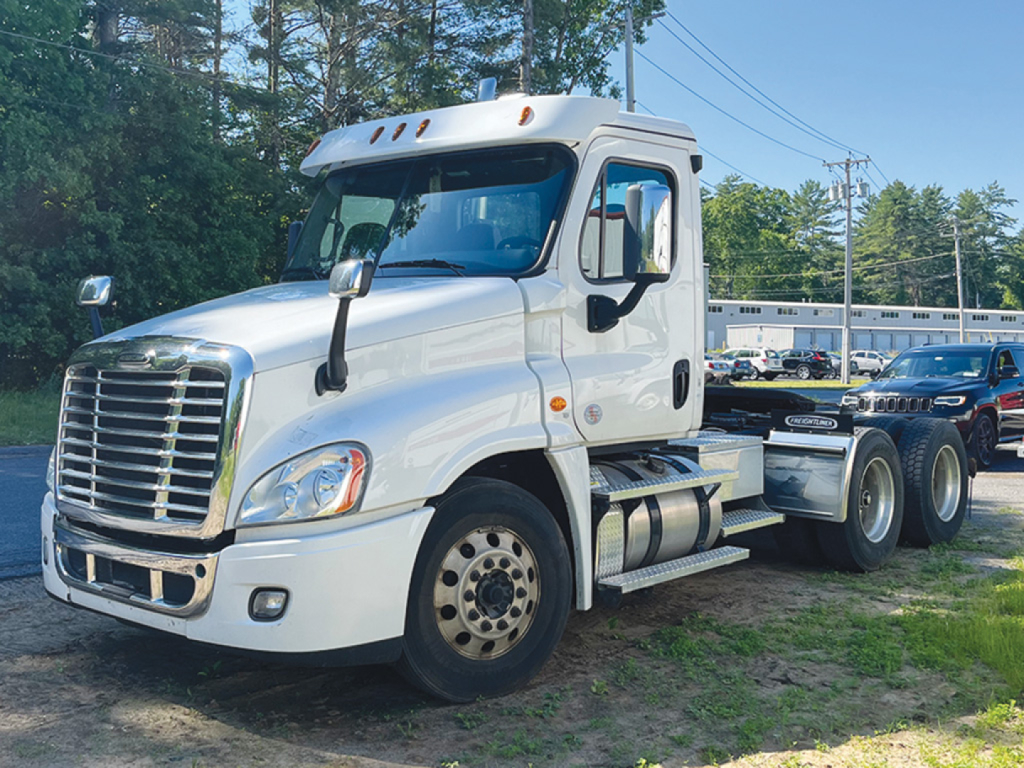
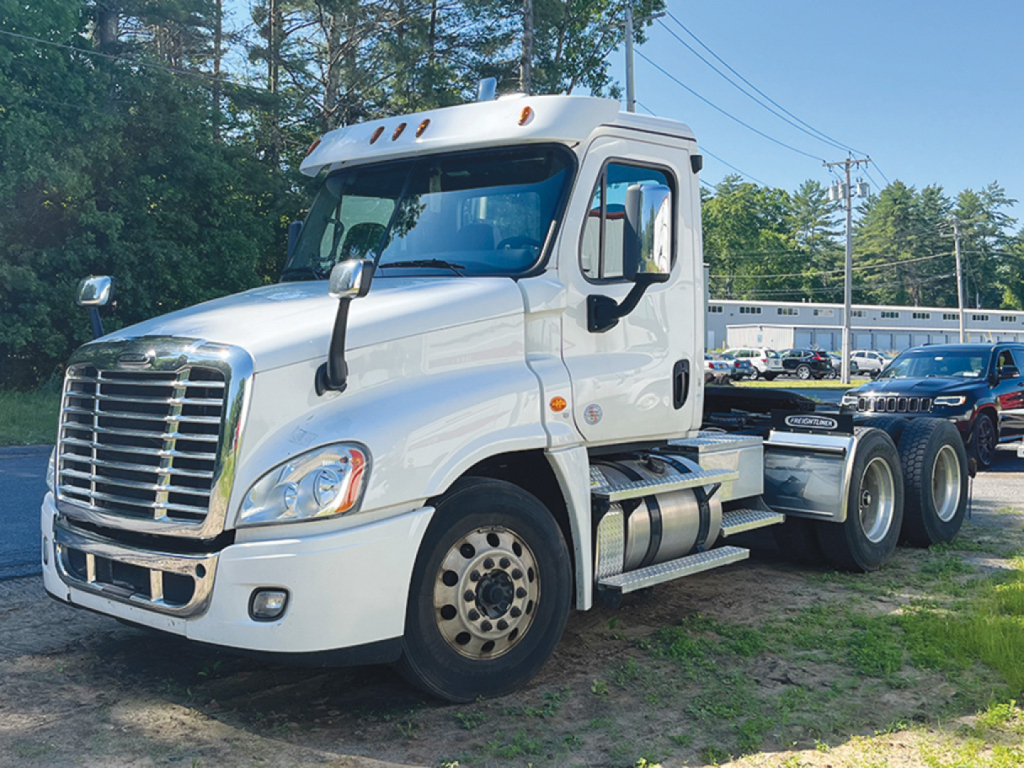
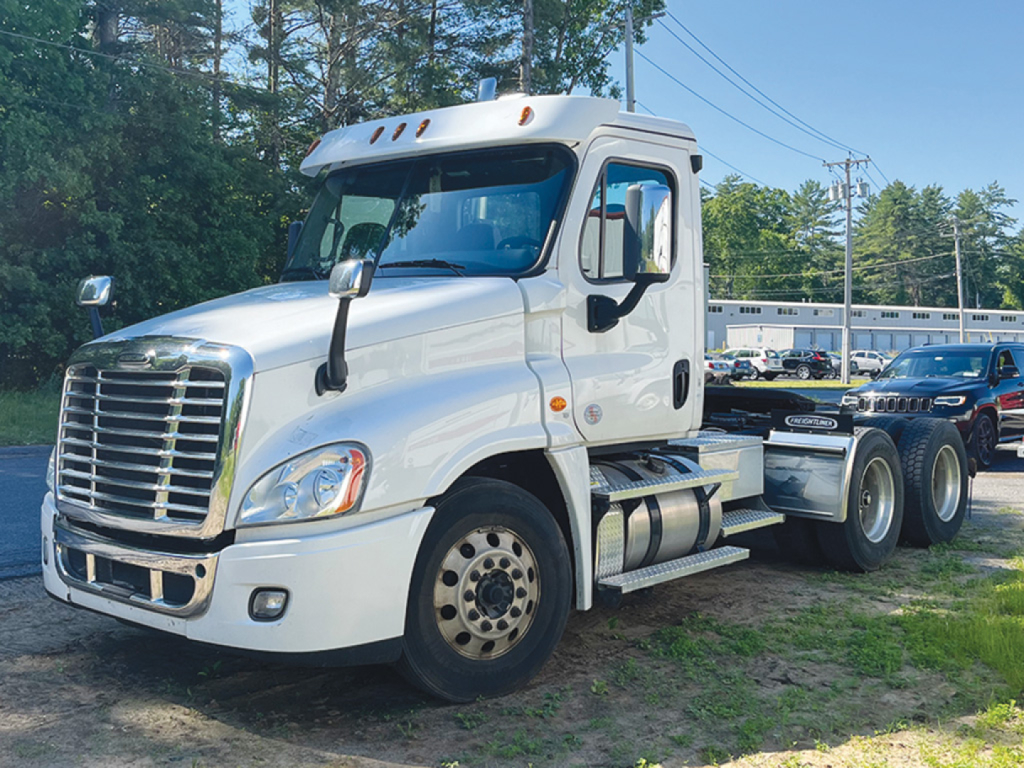
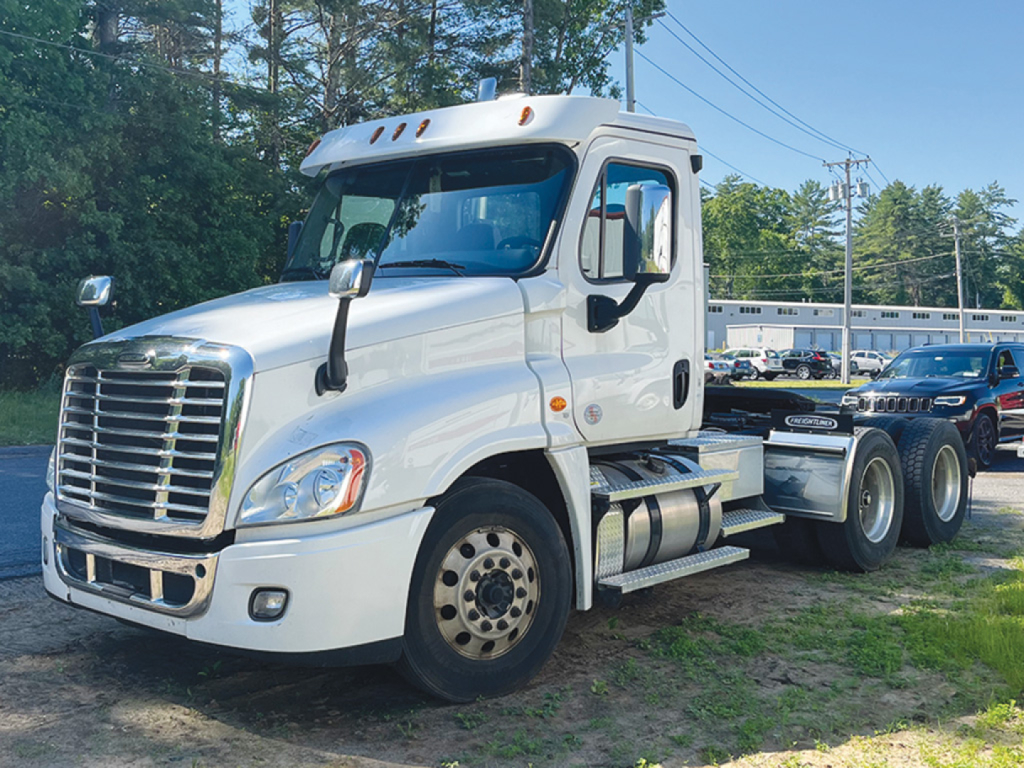
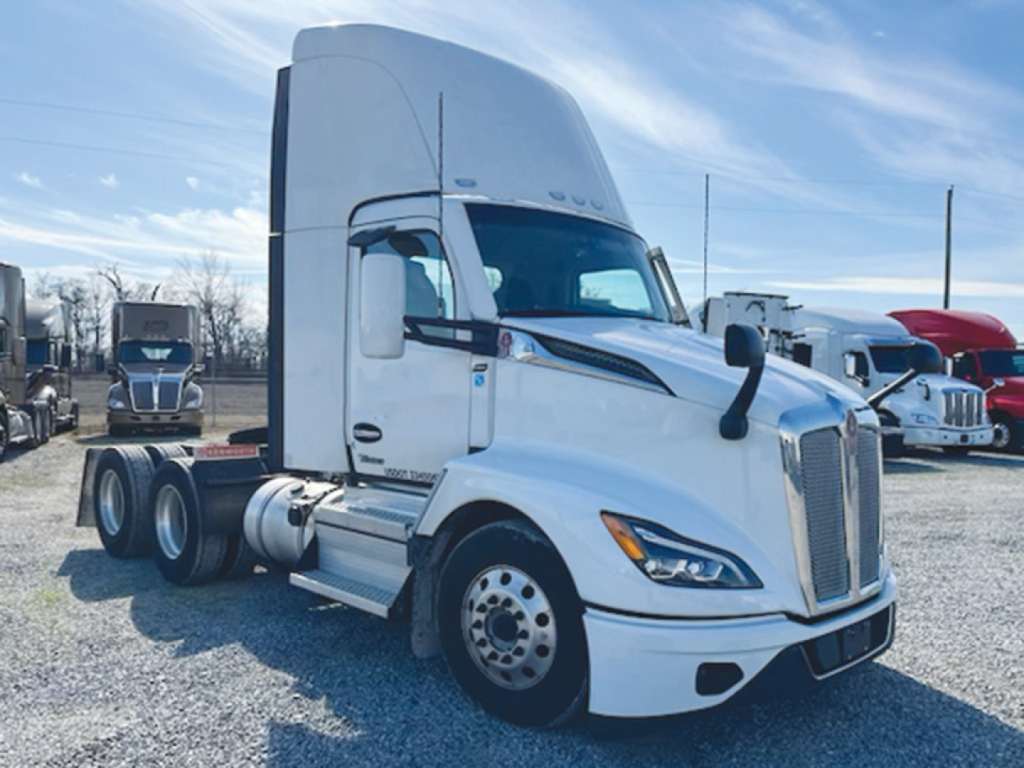
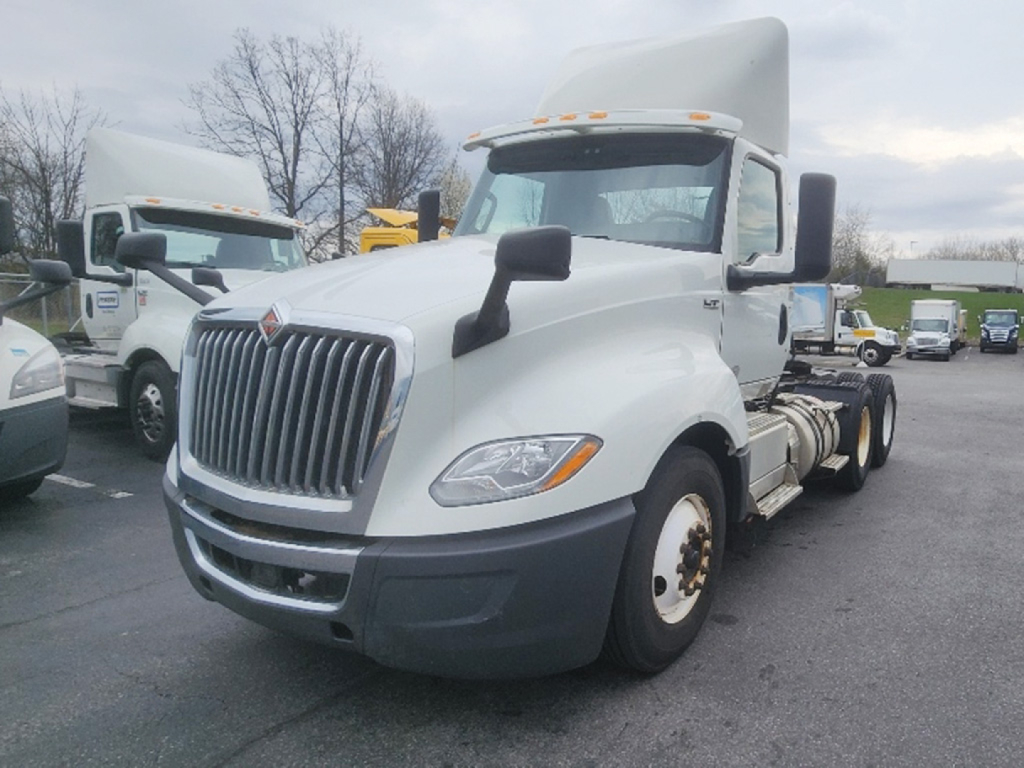
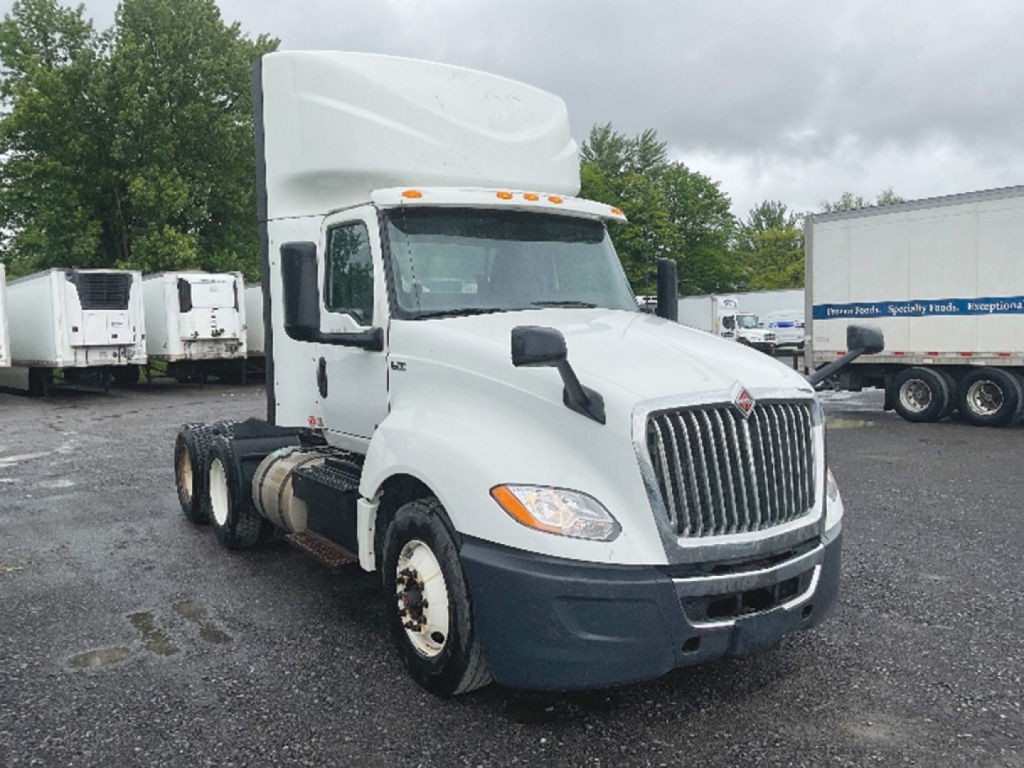
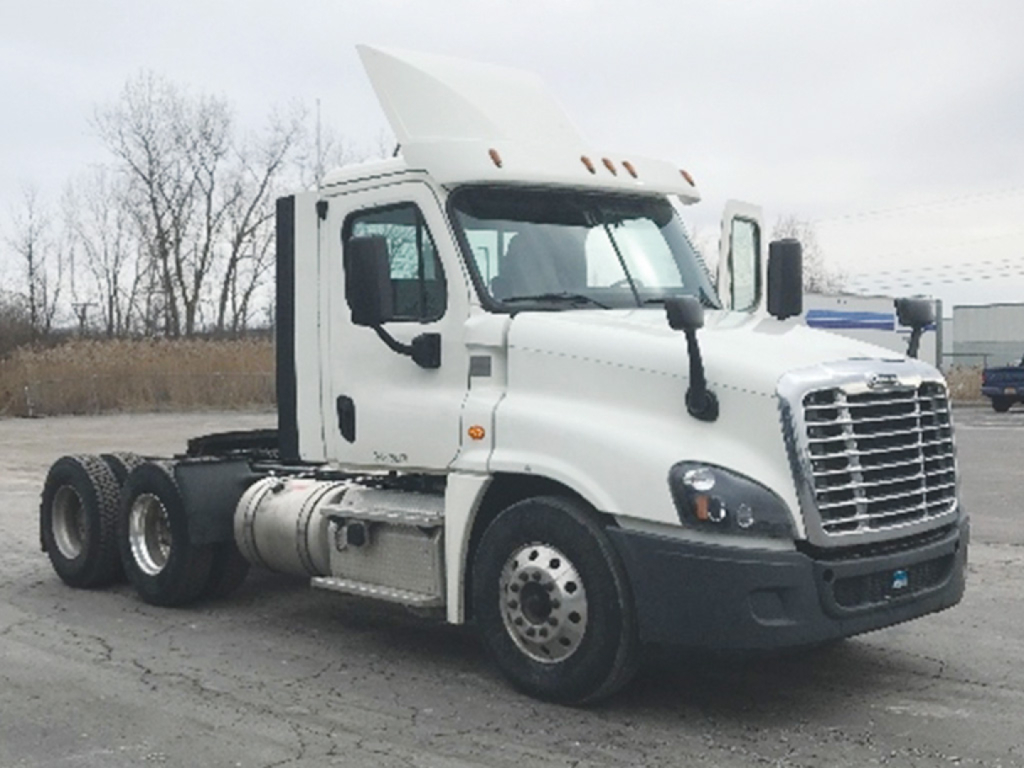
Browse trucks for sale in Saugerties, NY, including day cab semi trucks with modern powertrains, air ride suspensions, and fleet-ready specs.
Learn more
Showing 85 to 96 of 117 results
Have truck to sell? List it here to reach thousands of buyers.
About Trucks Near Saugerties, New York
Powertrain choice matters because it determines how the truck will perform in your lane of work. Common engines in this class include the Cummins X15, Navistar A26, and PACCAR MX-13, typically in the 400 to 455 horsepower range. Those ratings fit a broad mix of regional van, reefer, and flatbed applications, especially when paired with automated manual or fully automatic transmissions. Rear axle ratings around 40,000 pounds are common on tandem-axle day cabs, while some trucks are spec'd as single-axle tractors with an air tag for lighter payloads or specialized routing. Rear ratios such as 2.79, 3.21, and 3.25 can tell you a lot about the truck's intended use. A taller ratio generally favors fuel mileage and highway speed, while a deeper ratio can improve startability and low-speed pulling power.
Chassis and cab details are just as important as engine badges. A wheelbase in the mid-170-inch range is a common sweet spot for maneuverability and trailer clearance, while longer wheelbases may suit specific body or fifth wheel placement needs. Buyers should pay close attention to air ride suspension, brake type, tire setup, and fifth wheel specification. Air slide and adjustable fifth wheels add flexibility when trailer lengths and kingpin settings vary. Disc brakes, low-profile 22.5 tires, aluminum wheels, cab extenders, roof fairings, and quarter fenders are all useful indicators of a truck spec'd for steady linehaul or regional work rather than severe-duty vocational service.
In the Northeast, especially around New York freight corridors, a used truck's condition history and spec alignment matter more than flashy trim. Collision mitigation systems, engine brakes, cruise control, tilt and telescoping steering, and power windows are now common on newer fleet tractors and can improve both safety and driver retention. A buyer should also consider emissions system service history, transmission calibration, suspension wear, tire matching, and whether the truck's axle and fifth wheel setup fit the trailers it will actually pull. The best truck in this category is not simply the newest one. It is the one with the right horsepower, ratio, axle layout, and day cab configuration for the freight, terrain, and operating radius it will see every week.
Frequently Asked Questions
What is the difference between a day cab truck and a sleeper truck?
A day cab truck is a road tractor built without a sleeper compartment behind the seats. It is designed for local, regional, and return-to-base operations where the driver does not need overnight accommodations in the truck. Compared with a sleeper tractor, a day cab is typically lighter, shorter, easier to maneuver in tight yards and urban delivery points, and often better suited to dedicated routes, drayage, and regional trailer work.
What horsepower range is common for used conventional day cab trucks?
Used conventional day cab tractors commonly fall in the 400 to 455 horsepower range, especially in fleet-oriented models from International, Peterbilt, Kenworth, Freightliner, and Volvo. That range is strong enough for most van, reefer, and general freight operations while still supporting fuel economy targets. The right horsepower depends on gross combination weight, terrain, transmission gearing, and average trip length, so buyers should evaluate horsepower together with rear axle ratio and axle rating rather than as a standalone number.
How important is rear axle ratio when buying a truck?
Rear axle ratio is one of the most important specs because it directly affects cruising RPM, fuel economy, gradeability, and launch performance. Ratios like 2.79 are often chosen for highway and fuel-efficient regional service, while ratios like 3.21 or 3.25 can provide a stronger balance for mixed terrain or heavier work. If a truck will spend most of its time at interstate speeds with standard dry van freight, a taller ratio may make sense. If it will handle heavier loads, frequent stop-and-go work, or hilly routes, a deeper ratio can be the better fit.
Should I choose a tandem-axle day cab or a single-axle tractor with tag axle?
A tandem-axle day cab is the more common choice for broad over-the-road and regional trailer hauling because it offers higher traction capacity and a typical 40,000-pound rear axle rating. A single-axle tractor with an air tag axle can be a smart option for lighter applications, specialized weight laws, or operations looking to reduce empty weight and improve maneuverability. The decision should be based on payload requirements, bridge law considerations, trailer type, and how often the truck will operate on uneven yards, grades, or poor weather roads.
What features should buyers inspect closely on a used day cab semi truck?
Buyers should closely inspect the engine and emissions maintenance history, transmission operation, clutch or automated manual calibration, suspension condition, brake wear, steer axle and drive tire matching, and the fifth wheel assembly. It is also important to confirm wheelbase, axle ratings, and fifth wheel travel against the trailers the truck will pull. On newer trucks, collision mitigation, engine brake function, and other electronic driver-assist systems should be checked for proper operation because these features can affect both safety and repair cost.