
Trucks For Sale Near San Antonio, Texas
Showing 73 to 82 of 82 results
Have truck to sell? List it here to reach thousands of buyers.
Trucks Near San Antonio, Texas
For van and reefer straight trucks, floor strength and thermal integrity drive total cost. A hardwood or laminated composite floor with dense crossmember spacing, often 12 inches on center, carries repeated pallet jack and forklift point loads better than lighter builds, and aluminum thresholds with robust dock plates prevent edge crushing. In insulated bodies, closed cell foam density, uninterrupted vapor barriers, and sealed door hardware maintain box temperature in high ambient conditions, which reduces unit runtime and fuel burn. Stainless rear frames, polymer scuff liners, and sealed wiring harnesses improve corrosion resistance when running humid Gulf routes or frequent wash cycles.
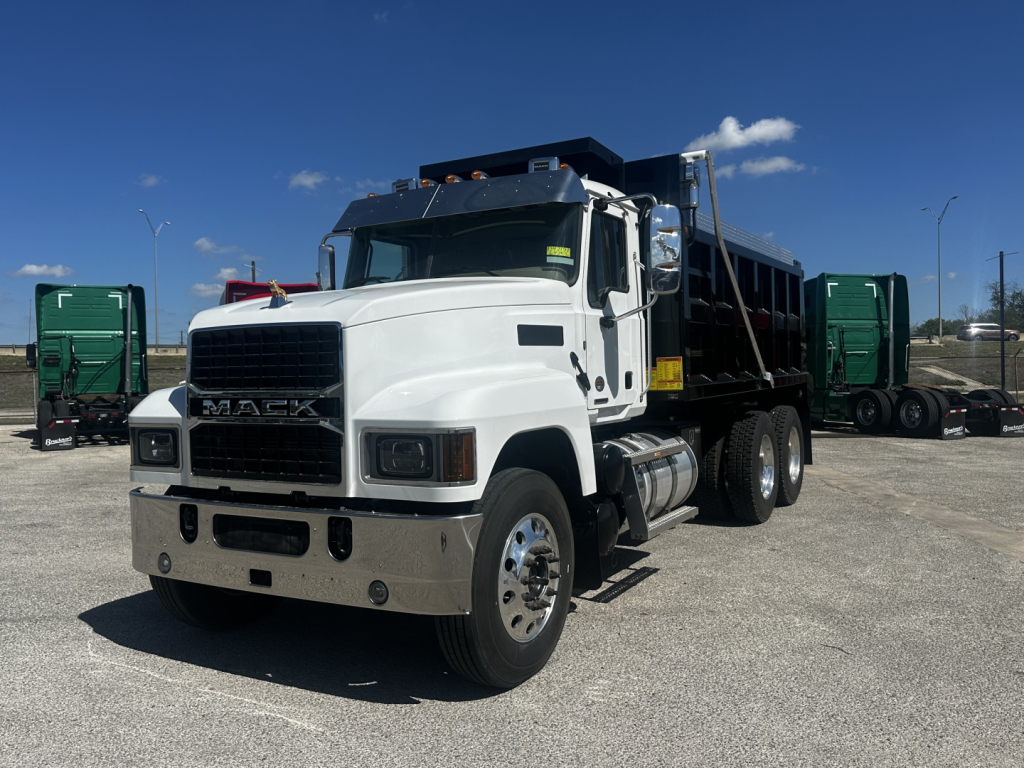
Vocational trucks in construction and oilfield service need abrasion and impact resistance as much as payload. AR400 or Hardox steel dump bodies take rock impact well, while aluminum bodies cut tare weight for aggregate work that is not as punishing, the trade is dent resistance and long term floor integrity. Crossmember design, body long sills, and liner choices like UHMW influence how material flows and how floors wear, tighter crossmember spacing stiffens the floor and reduces oil canning. Specify e‑coated or hot zinc sprayed subframes, stainless fasteners, and sealed PTO harnesses to slow rust from job site chemicals and high humidity.
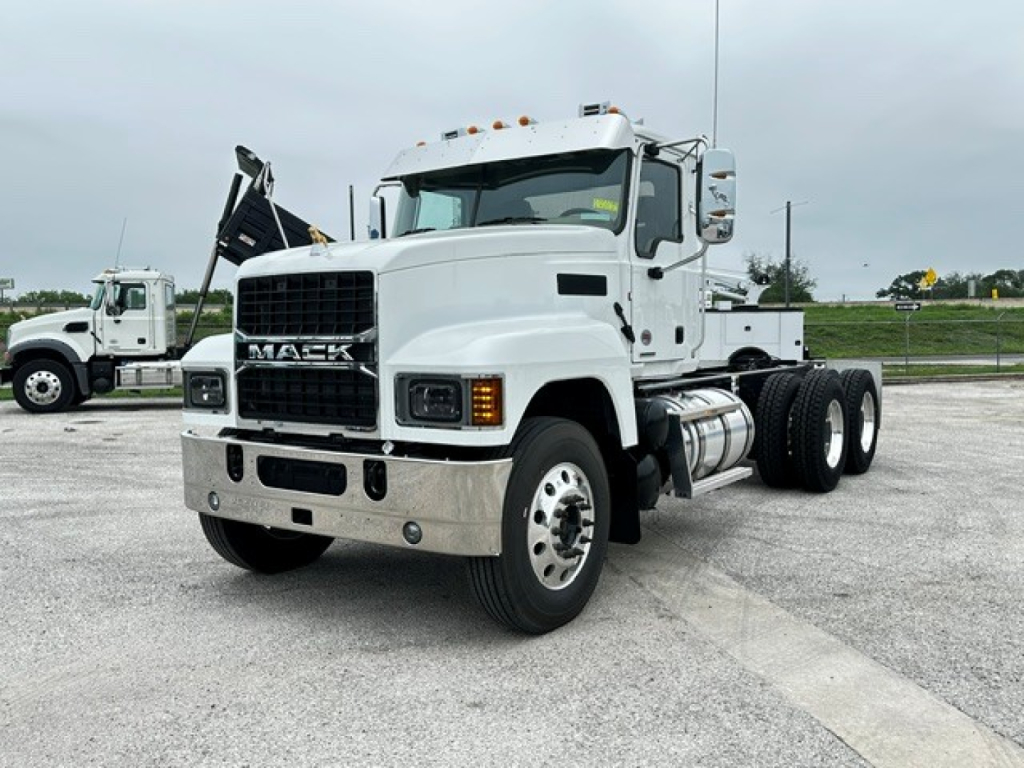
Cab and chassis corrosion control matters even away from the coast. Look for e‑coated frames, sealed Deutsch connectors, braided stainless aftertreatment flex sections, and under‑cab splash shields. Heat management is critical in San Antonio, so inspect radiator core density, charge air cooler condition, fan hub health, and HVAC performance. Tire pressure monitoring or automatic tire inflation systems help manage heat buildup on hot pavement, extending casing life. A careful balance of lightweight components with proven wear surfaces delivers better payload without sacrificing uptime or resale value.
Frequently Asked Questions about Trucks Near San Antonio, Texas
How do I evaluate floor strength on a box or reefer truck body?
Check forklift rating, crossmember spacing, and materials. A 16,000 to 24,000 pound forklift point load rating with 12 inch crossmember spacing offers better resistance to concentrated wheel loads than wider spacing. Look for hardwood or laminated composite floors with proper screw patterns, aluminum dock plates with reinforced thresholds, and high wear scuff liners that protect wall and floor edges from pallet impact.
What defines good thermal integrity for refrigerated straight trucks in Texas heat?
Thermal integrity comes from consistent insulation thickness, high density closed cell foam, continuous vapor barriers, and well sealed rear and side doors. Air chutes or bulkheads improve airflow, reducing hot spots. A unit sized for your pull‑down and door open profile will cycle less, lowering fuel use and extending compressor life. Inspect door gaskets, drain holes, and any penetrations to ensure there are no thermal bridges or moisture paths.
How can I cut tare weight without hurting durability on a tractor or vocational chassis?
Use aluminum wheels, a single 120 to 150 gallon fuel tank if routes allow, and consider wide base singles where traction and axle weight distribution support them. Keep wear surfaces stout, such as AR steel floors on dumps or denser crossmember spacing under van bodies. Choose lighter cabs and components where loads are low, and keep heavy duty spec where impact or abrasion is expected. Verify axle ratings and frame section modulus still meet your payload and road condition demands.
What corrosion protections matter for trucks operating in South Texas and Gulf routes?
E‑coated or powder coated frames, stainless rear frames on van and reefer bodies, sealed electrical connectors, and dielectric grease at terminations slow corrosion in humid environments. Add splash shields around aftertreatment and battery boxes, specify stainless or zinc‑nickel plated fasteners, and avoid dissimilar metal contact without isolation to reduce galvanic action. Regular undercarriage rinsing and post‑wash re‑lubrication complete the program.
What driveline and brake choices suit San Antonio’s highway and city mix?
Automated manual transmissions paired with 2.26 to 2.79 rear ratios work well for highway speeds with low rpm cruise, while retaining low gear startability for city work. Air disc brakes deliver shorter stops and better heat management than drums in stop‑and‑go traffic and on Hill Country grades. Match cooling packages to ambient heat and tow profiles, and use engine brakes or retarders to control downhill speed and protect service brakes.