
Used Kenworth Rolloff Trucks For Sale
Browse used Kenworth rolloff trucks, including T880 and T800 models, with heavy-duty hoists, tandem axles, and specs suited for waste hauling.
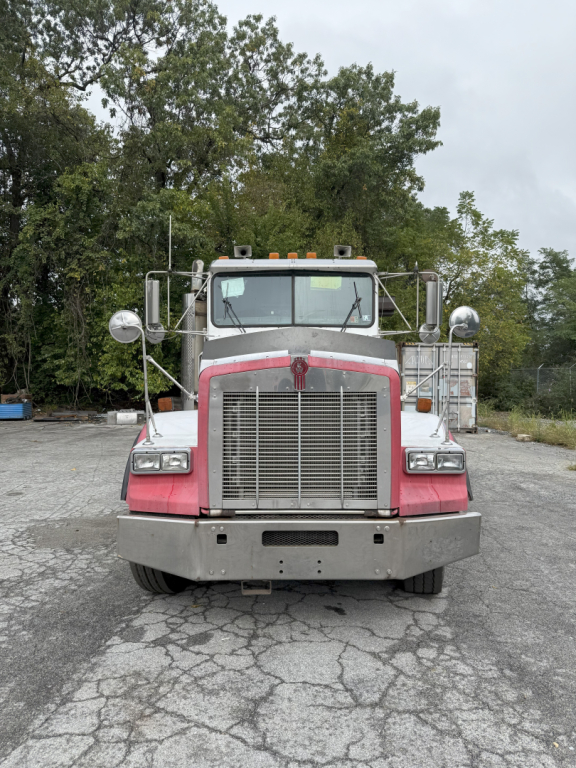
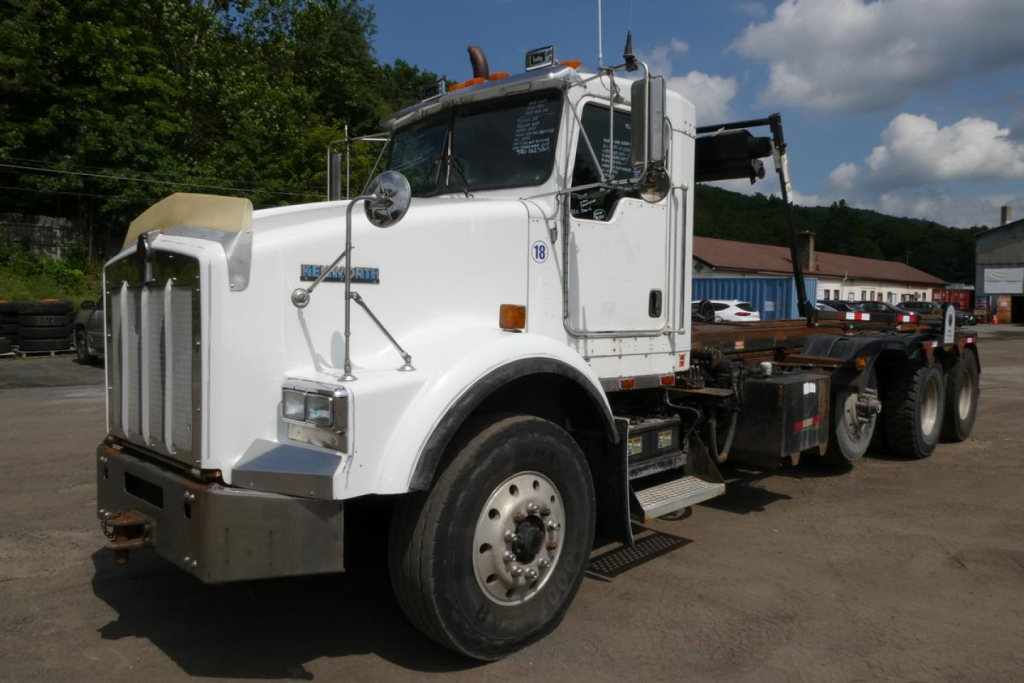

Selling a used kenworth rolloff truck? List your used kenworth rolloff truck for sale and reach thousands of commercial buyers.
Used Kenworth Rolloff Trucks
A common used Kenworth rolloff configuration is a tandem axle chassis with a 20,000 lb front axle, 44,000 lb rears, and GVWR around 64,000 lbs, often paired with a 75,000 lb class hoist. Wheelbase is a key buying point because it affects container length compatibility, bridge distribution, and overall maneuverability in tight urban sites. Many buyers prefer automatic transmissions such as the Allison 4500 RDS for stop-and-go refuse and container work, while others still value manual transmissions for operator preference or mixed on-road use. Engine choices vary by year and application, but PACCAR MX-13, Cummins, and Caterpillar-powered trucks are all seen in this segment, typically in horsepower ranges that support heavy starts, PTO operation, and frequent short-haul cycling.
Condition matters more on a used rolloff truck than on many other truck types because the truck is doing two jobs at once: carrying weight and powering a hydraulic loading system. Buyers should inspect hoist rails, hinge points, rollers, cylinder condition, pump operation, PTO engagement, and the truck frame for cracks, plating, or signs of hard off-road use. Rear suspension type, axle ratio, and lift axle setup also affect real-world performance, especially if the truck is working in landfill approaches, transfer stations, or construction debris routes. A tarp system is more than a convenience item in this class. It is often essential for compliance, load control, and reducing cleanup issues on public roads.
Kenworth rolloff trucks have a strong following because the chassis is serviceable, the cab is vocational-friendly, and the platform adapts well to heavy body installations. For many buyers, the best used unit is not simply the newest truck. It is the one with the right hoist rating, axle package, transmission, and maintenance history for the containers already in the fleet. If your operation runs dense loads like scrap or C&D debris, pay close attention to legal payload, body length, and front axle loading. If the route is mostly municipal or commercial waste, uptime items such as hydraulic reliability, cab ergonomics, and automatic transmission performance can matter just as much as raw horsepower.
Frequently Asked Questions about Used Kenworth Rolloff Trucks
What should I look for first when buying a used Kenworth rolloff truck?
Start with the hoist rating, axle ratings, wheelbase, and overall GVWR because those determine whether the truck can legally and safely handle your container sizes and material types. After that, inspect the hydraulic system closely, including PTO operation, pump response, cylinders, rails, rollers, and hook or cable components depending on the setup. On a used rolloff truck, frame condition and body integration are just as important as engine and transmission health.
Are Kenworth T880 rolloff trucks a good fit for waste and demolition work?
Yes. The Kenworth T880 is a common choice for rolloff work because it is designed for severe-duty vocational applications and can be spec'd with heavy front axles, tandem rears, strong frame options, and automatic or manual transmissions. That makes it suitable for waste, scrap, demolition, and transfer applications where the truck sees repeated loading cycles, rough site access, and high daily stop counts.
Is an automatic or manual transmission better in a rolloff truck?
An automatic transmission is often preferred for rolloff routes with constant stopping, backing, and tight site maneuvering because it reduces driver fatigue and helps with smooth engagement during container handling. Manual transmissions still appeal to some fleets for driver familiarity, lower upfront cost on certain used trucks, and more control in specific terrain or mixed highway applications. The better choice depends on route density, driver pool, and maintenance preference.
How important is wheelbase on a used rolloff truck?
Wheelbase is critical because it affects container compatibility, weight distribution, turning radius, and bridge law performance. A truck with the wrong wheelbase may limit the box lengths you can run or create front axle and rear axle loading problems when hauling dense material. Buyers should match wheelbase to the hoist design and the container lengths used in their operation rather than treating it as a secondary spec.
What are common problem areas on older used rolloff trucks?
Common problem areas include worn hoist components, leaking hydraulic cylinders, weak PTO performance, damaged rollers, cracked or repaired frames, electrical issues around body controls, and suspension wear from heavy off-road or transfer station use. Older trucks may also show brake, ABS, and lighting faults that can delay deployment after purchase. A thorough inspection should cover both the chassis and the rolloff system, since failure in either one can sideline the truck.