
International Rollback Trucks For Sale in Florida
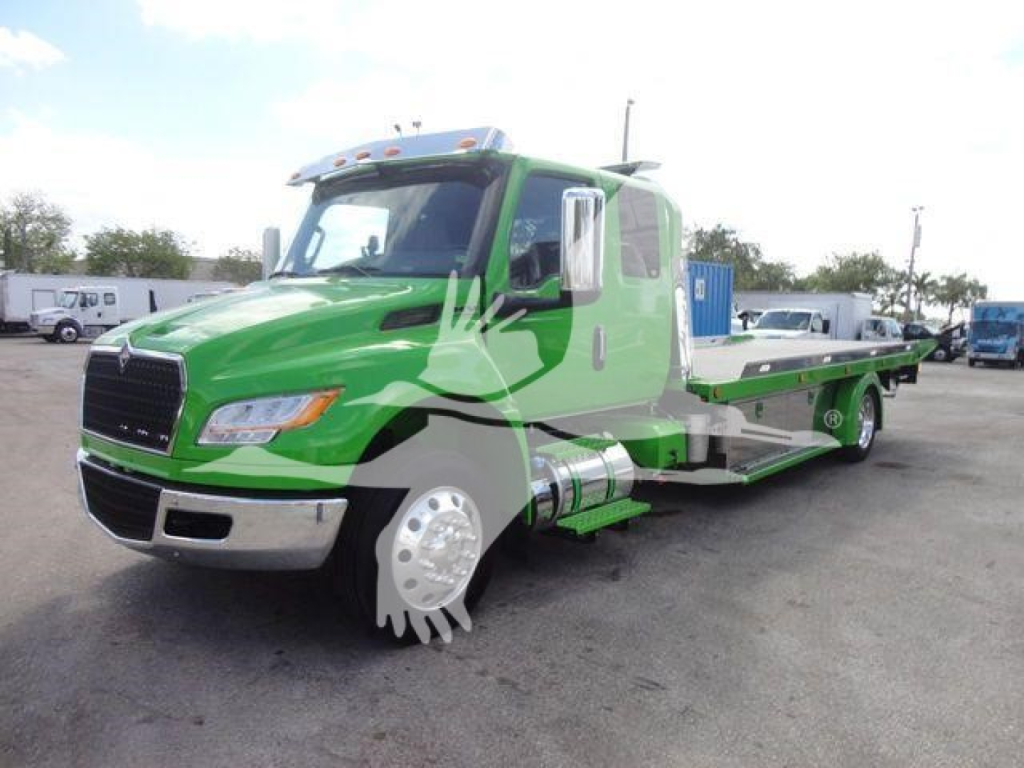
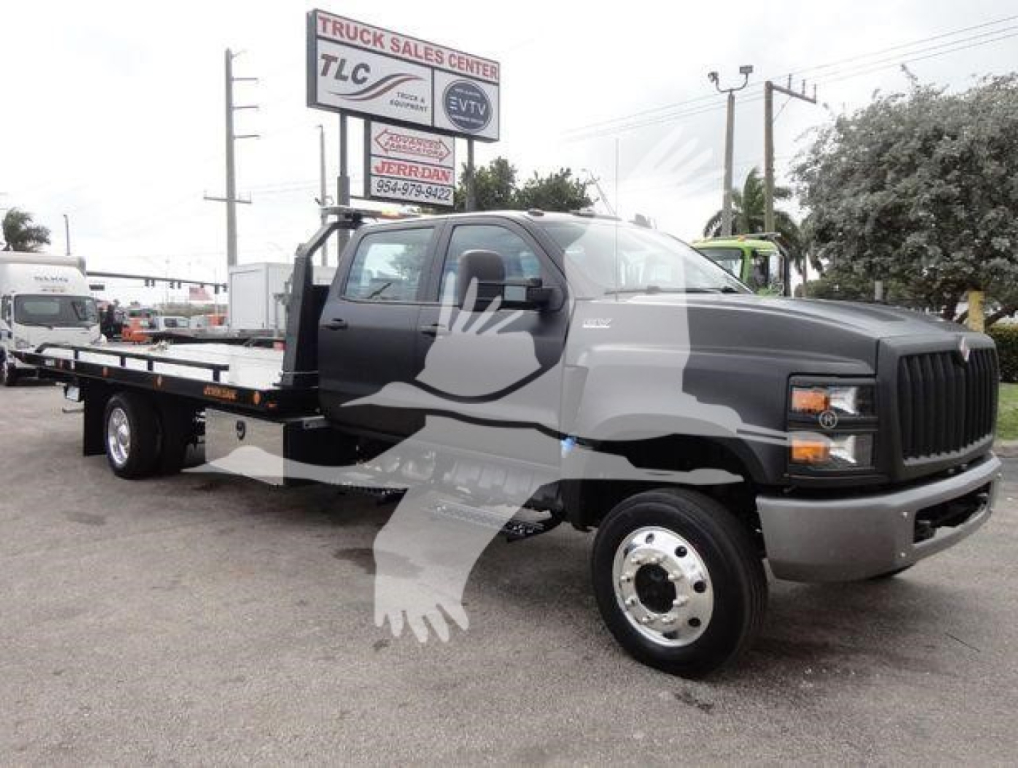
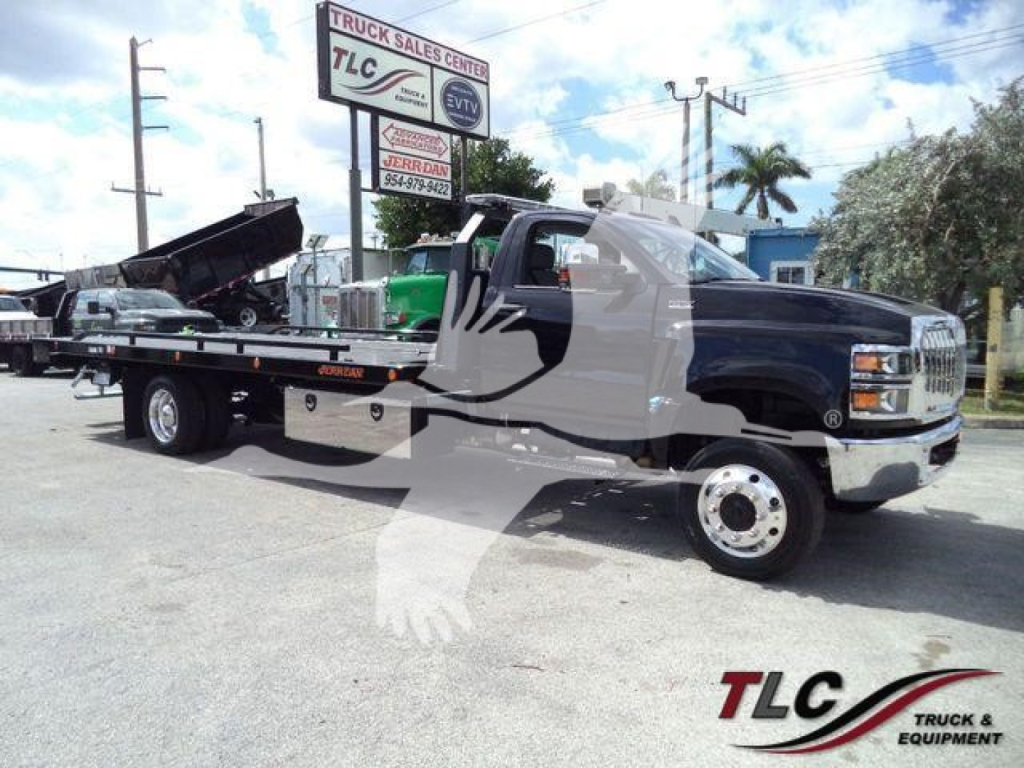
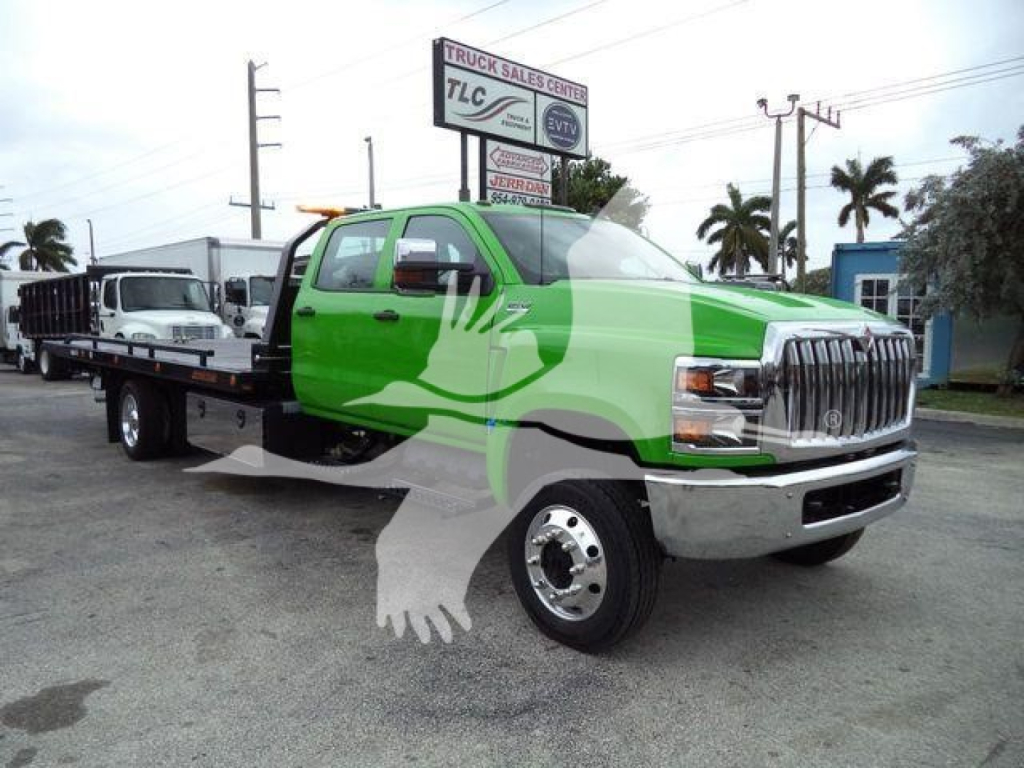
Shop International rollback trucks, including CV and MV models, with 20-22 ft carriers, low-profile decks, wheel lifts, and towing-ready specs.
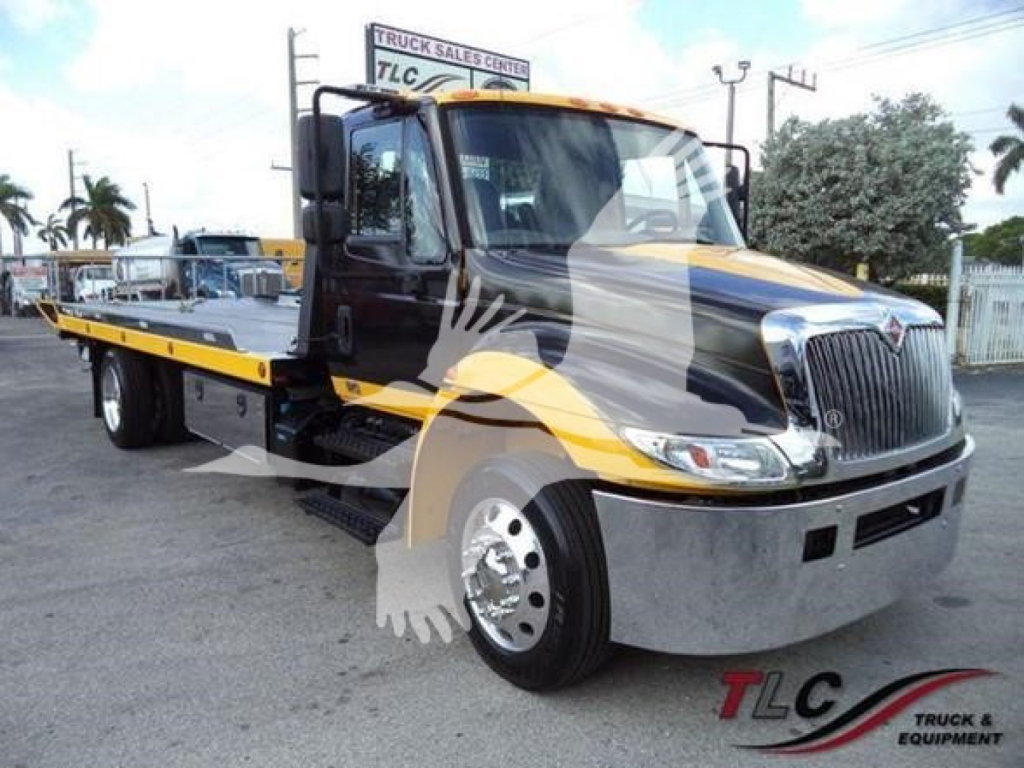
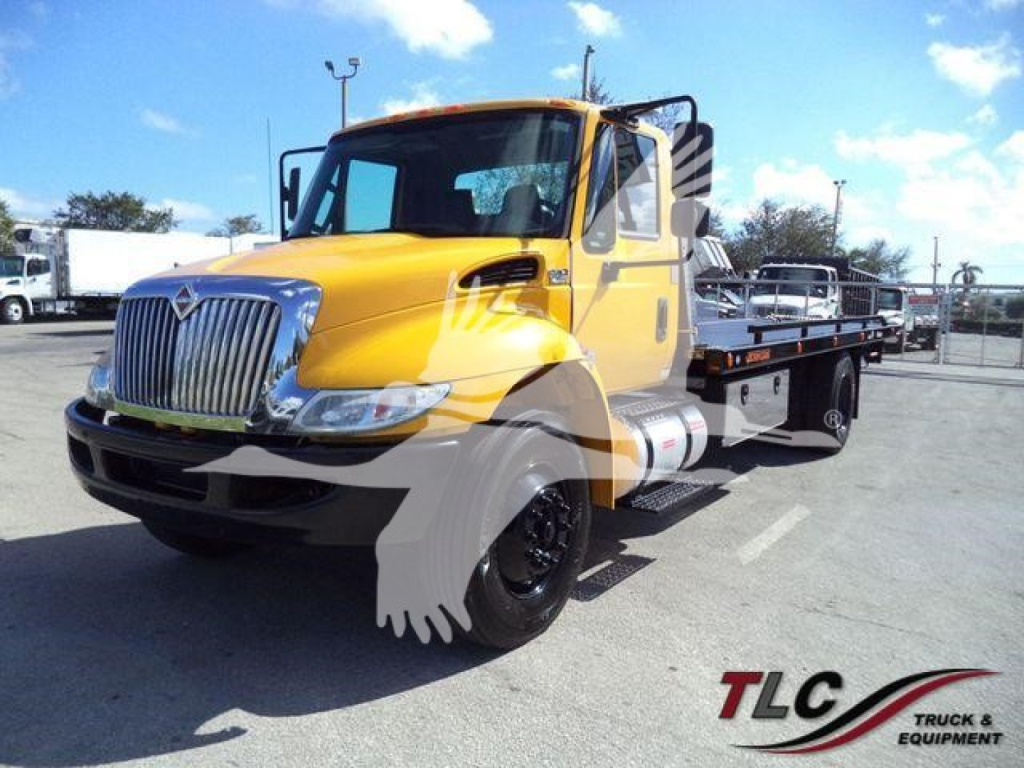
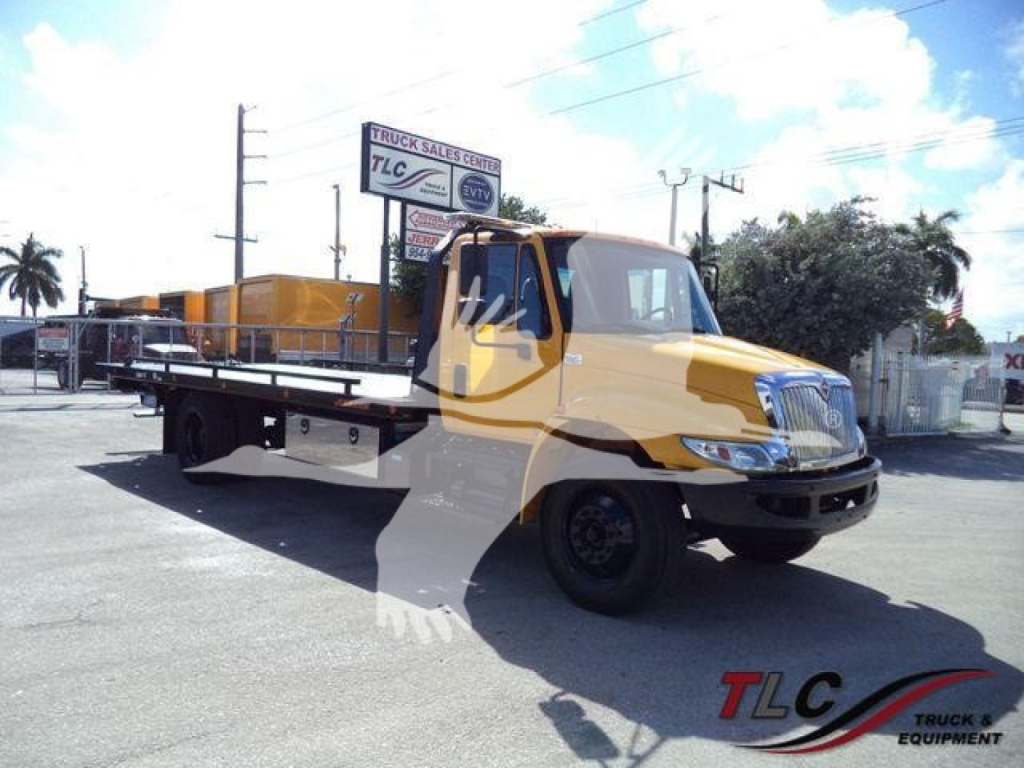
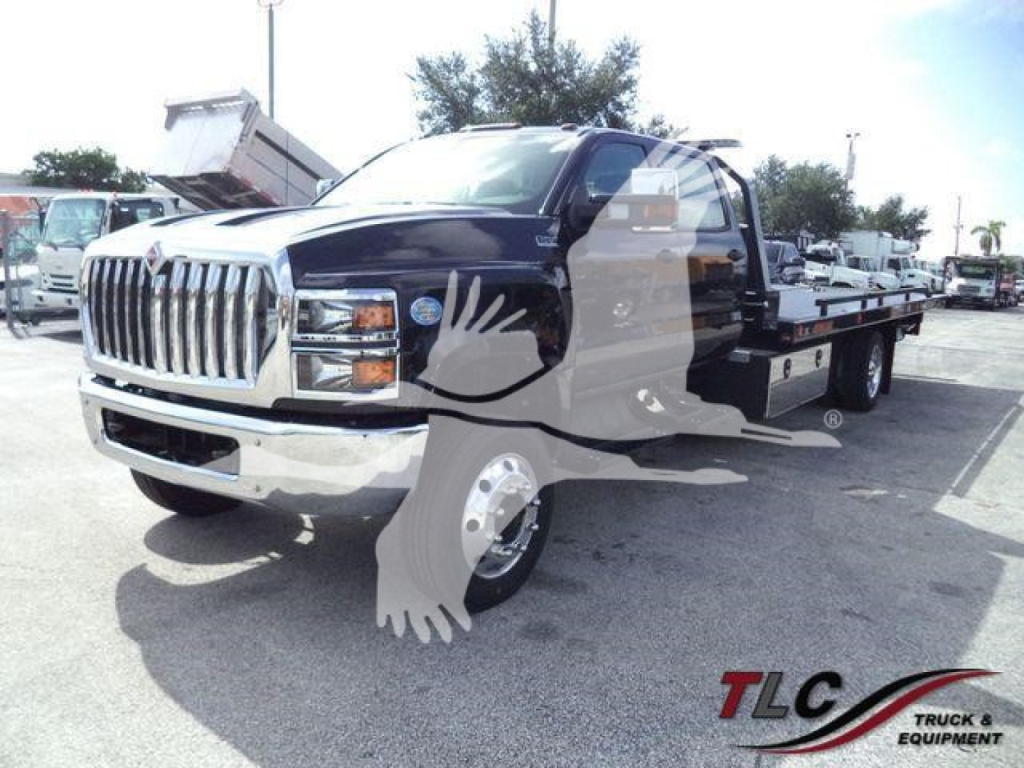
Showing 29 to 54 of 54 results
Selling a international rollback truck? List your international rollback truck for sale and reach thousands of commercial buyers.
International Rollback Trucks in Florida
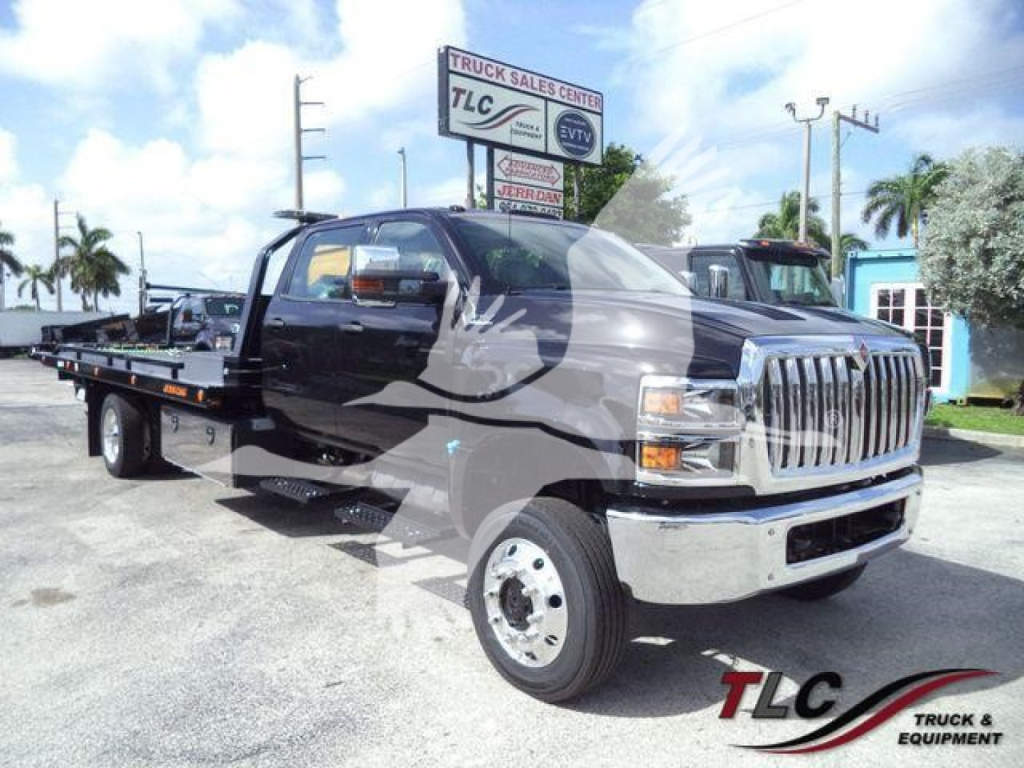
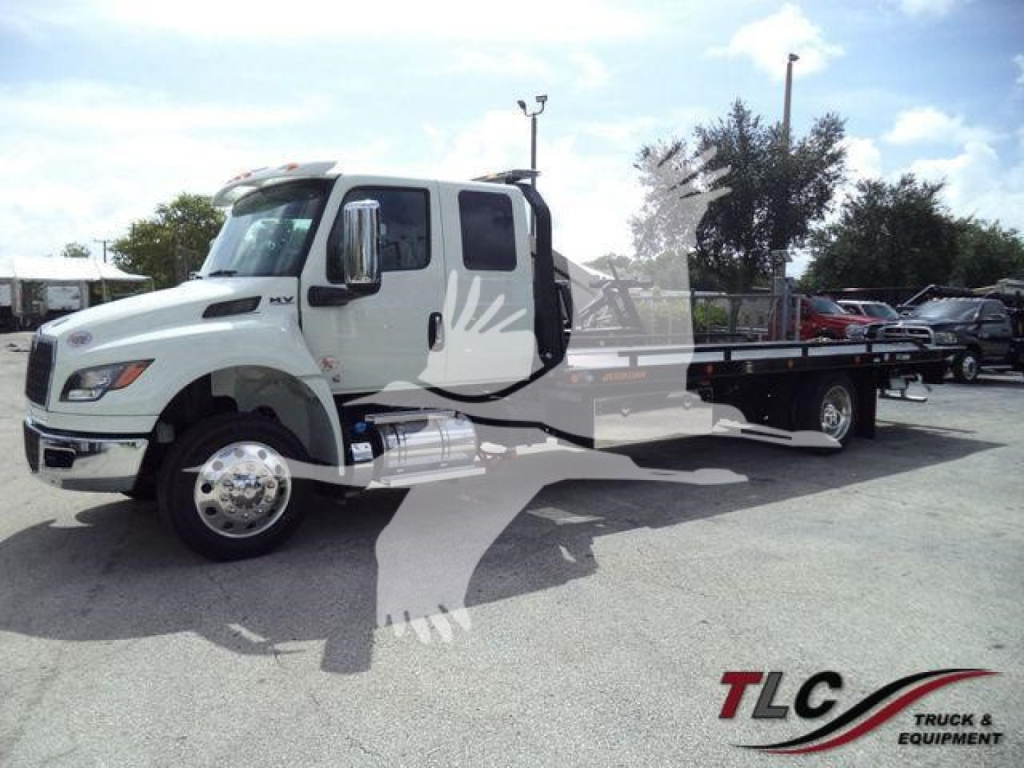
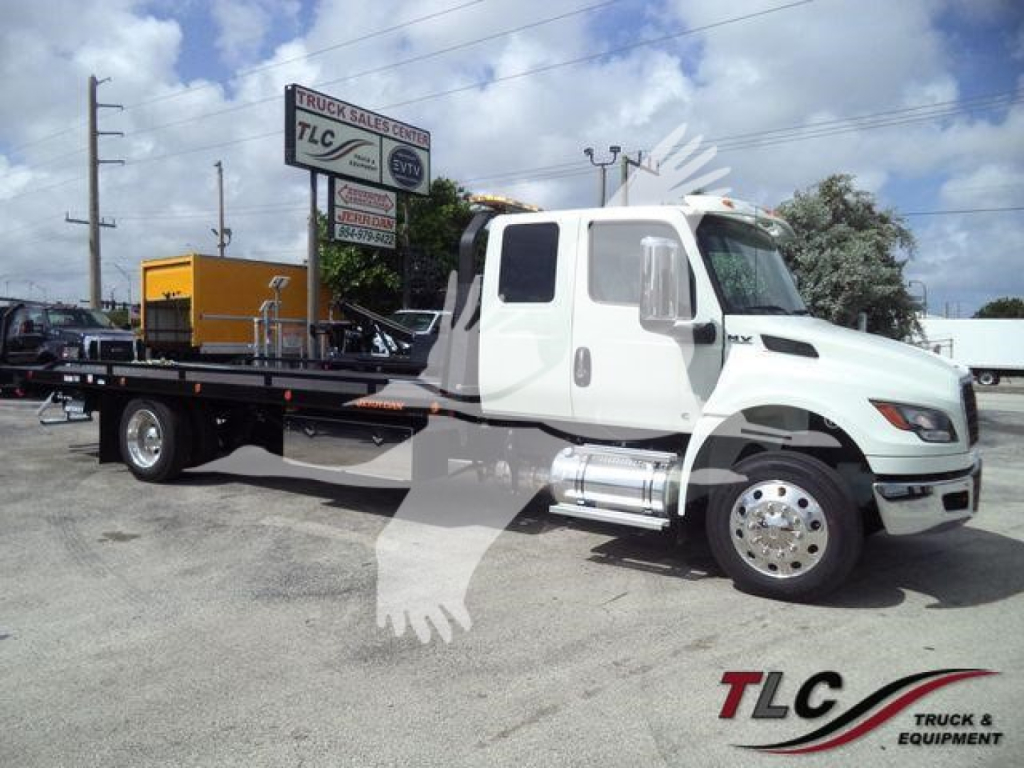
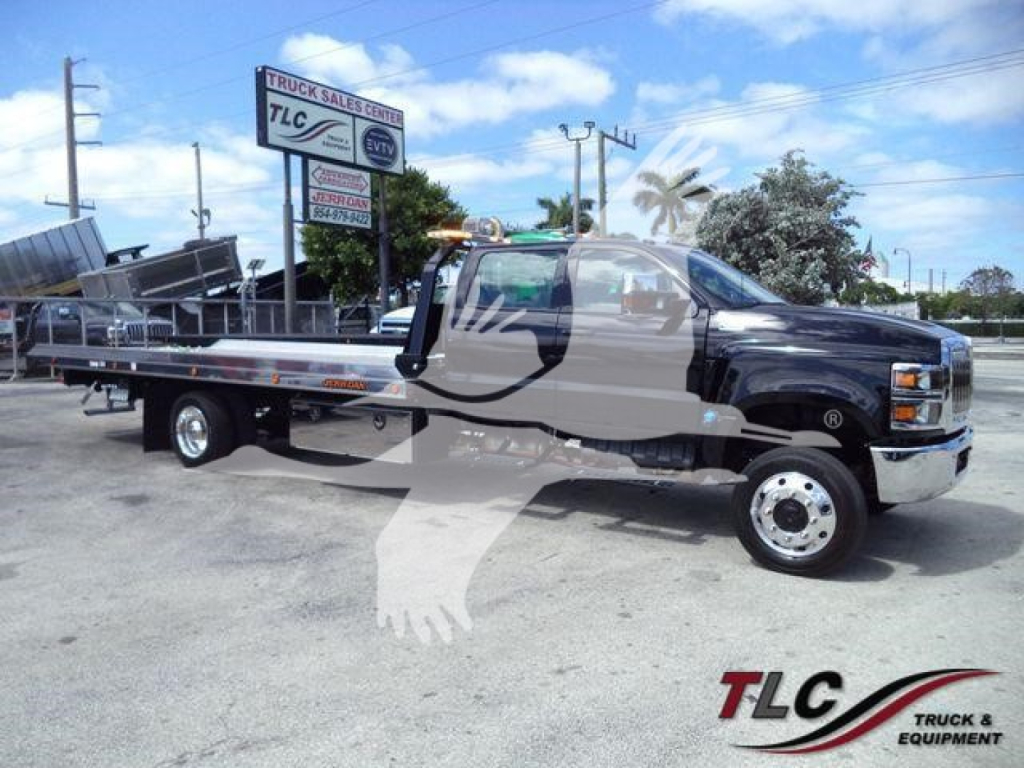
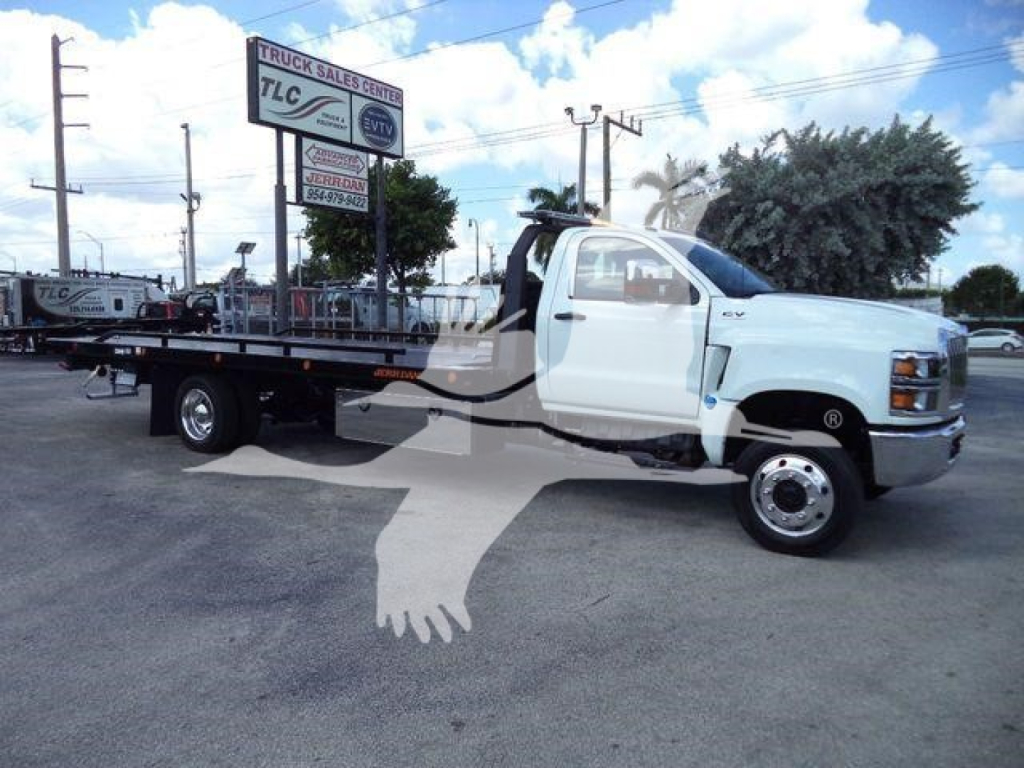
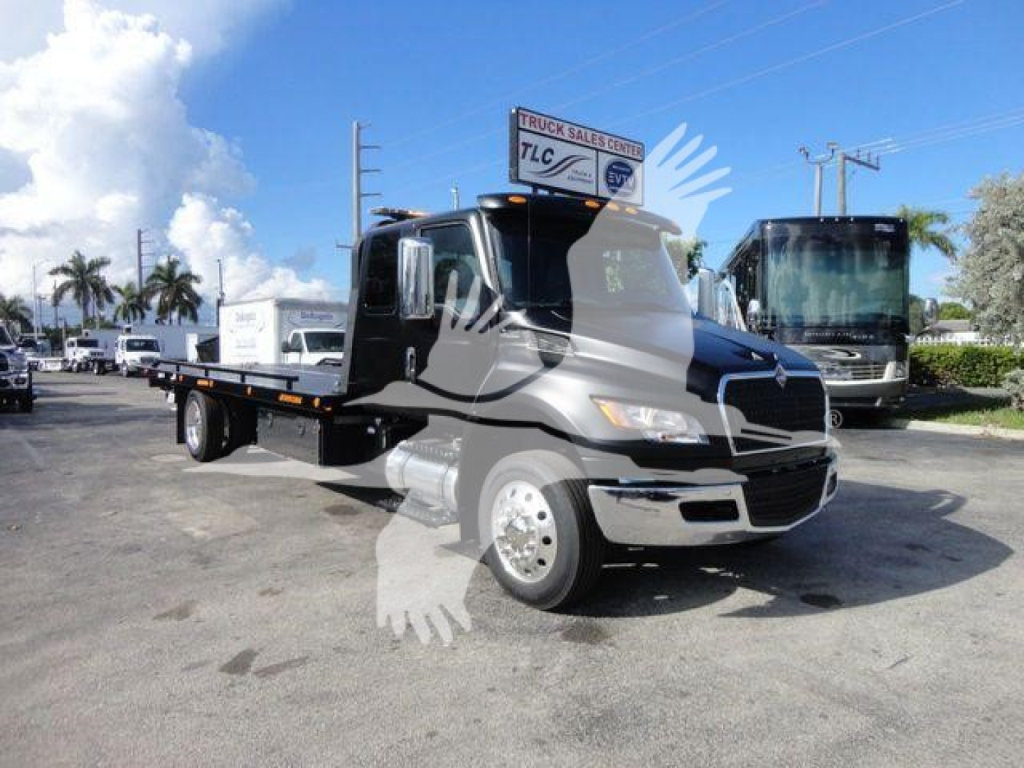
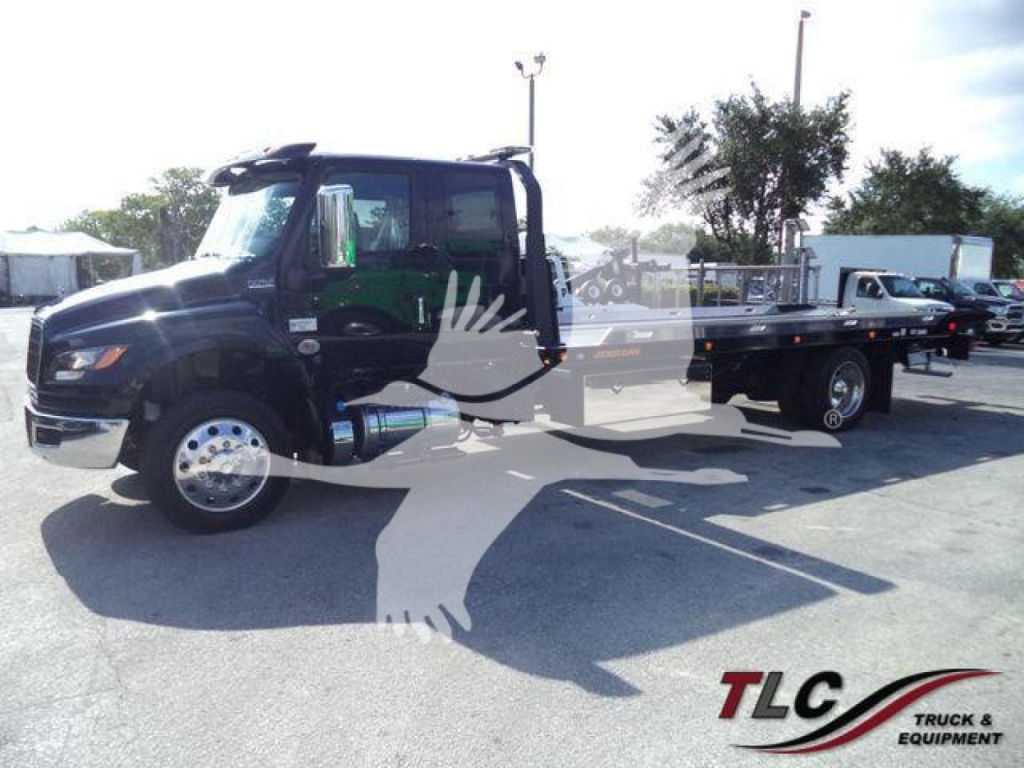
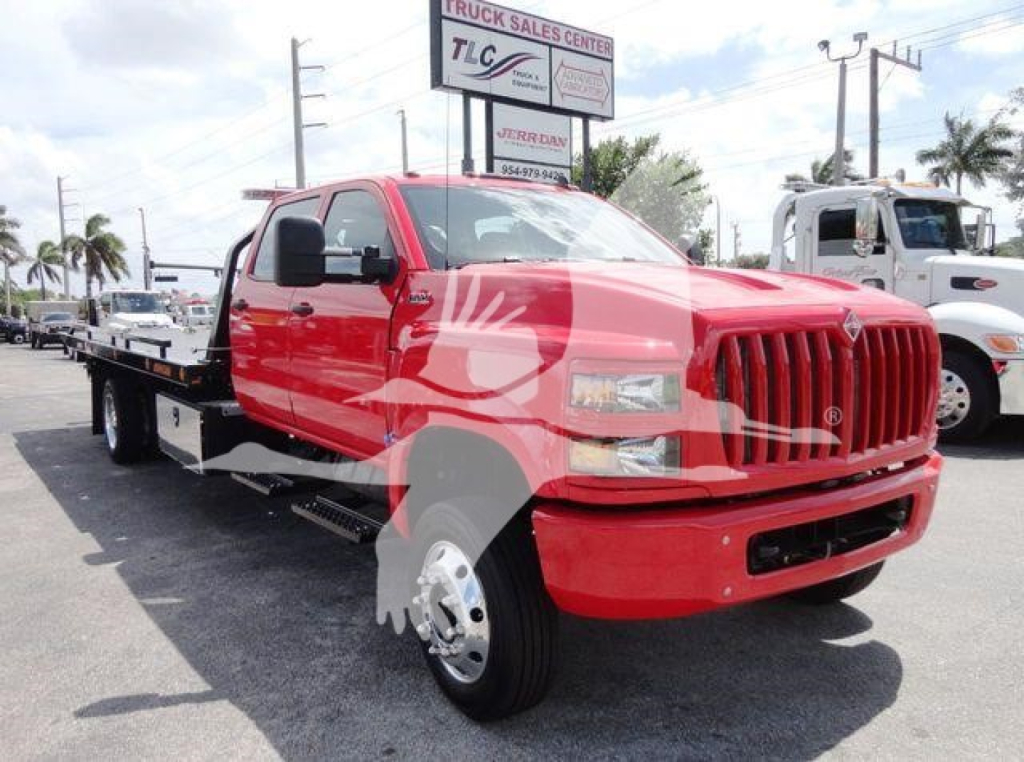
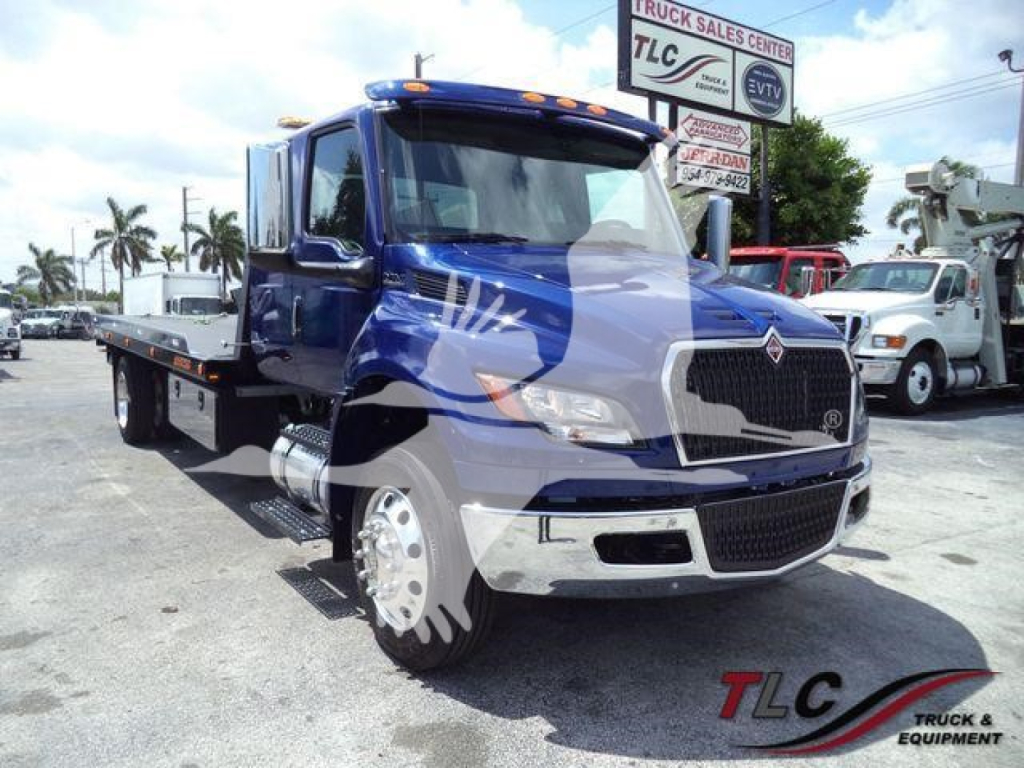
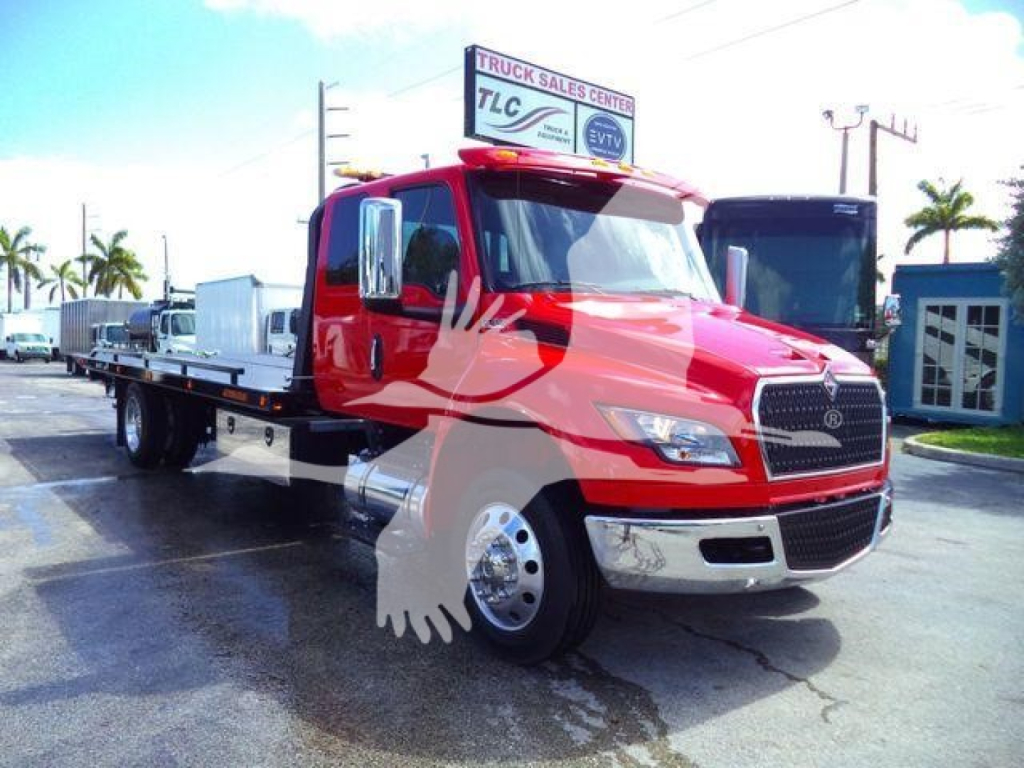
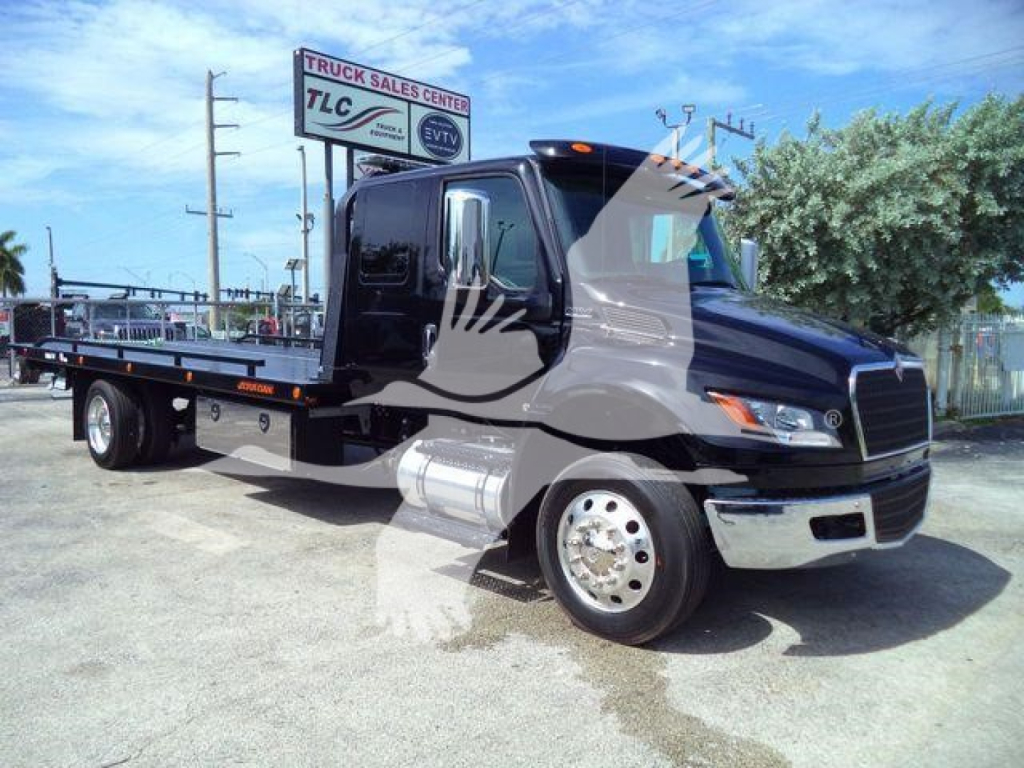
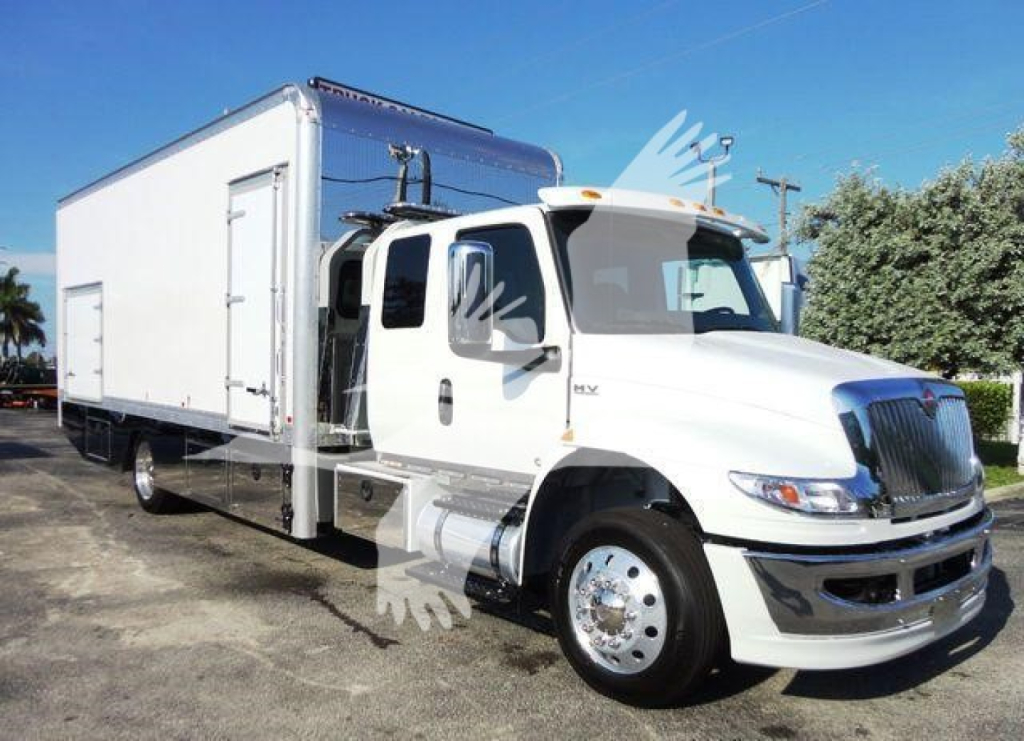
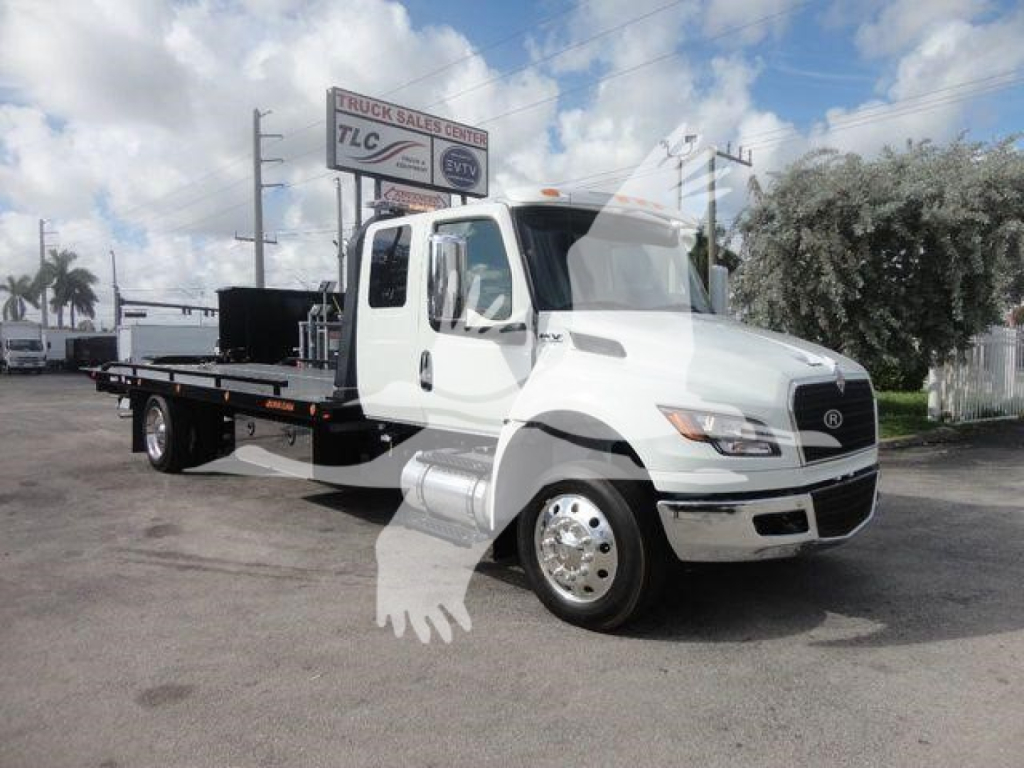
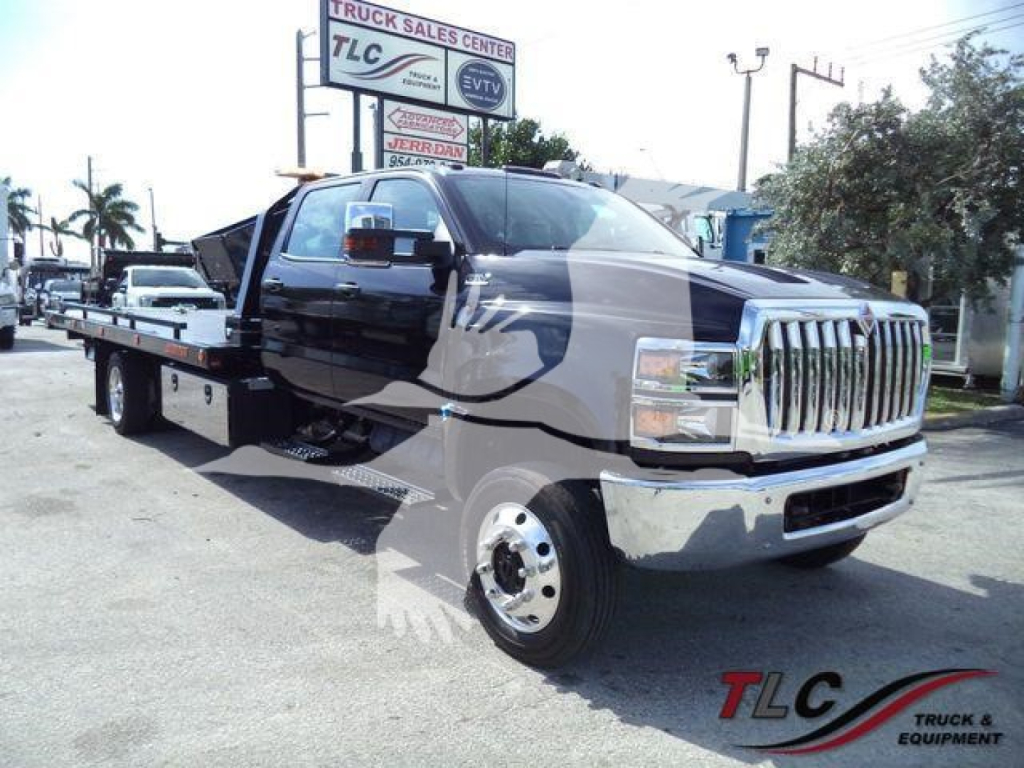
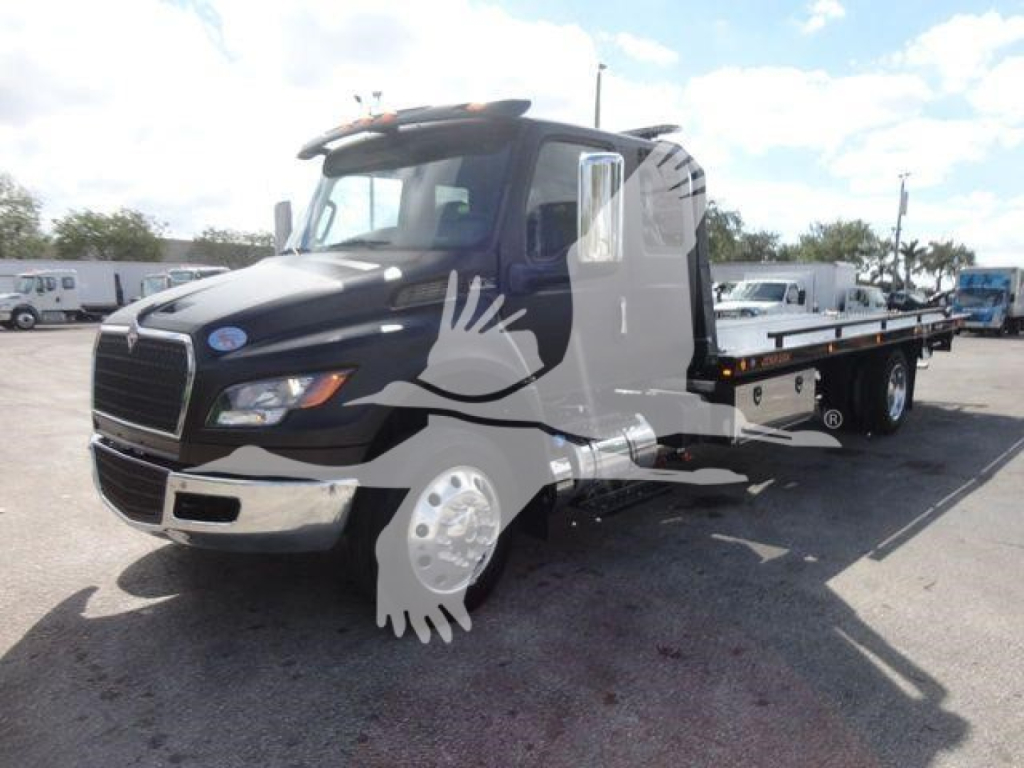
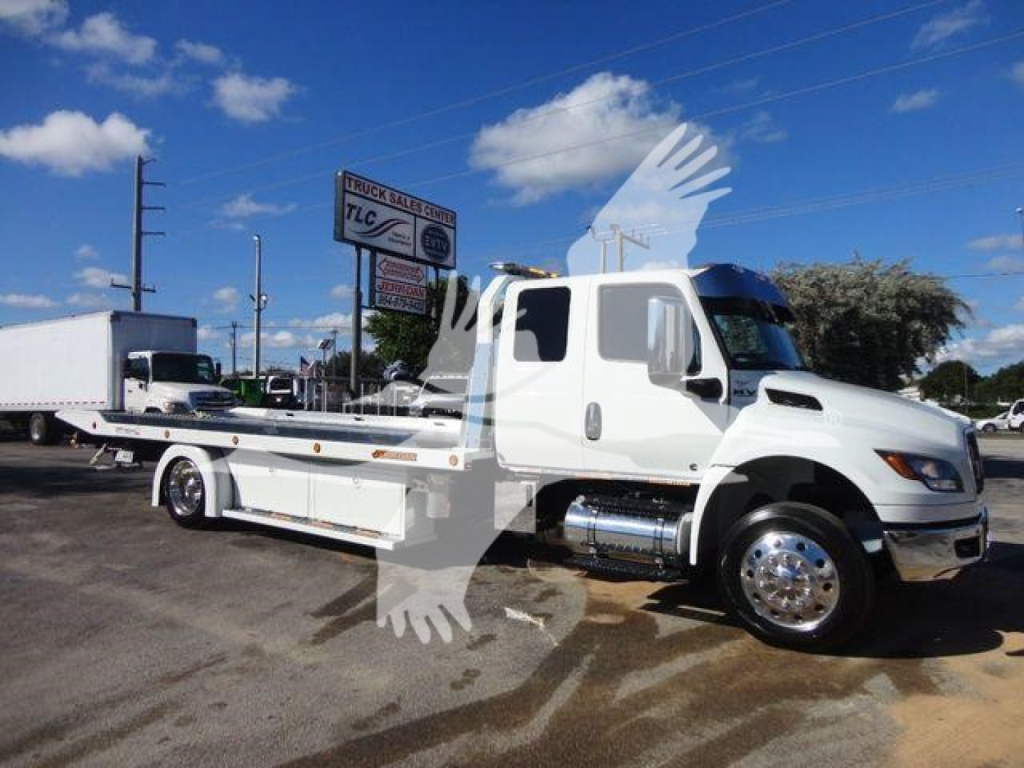
A key buying decision is chassis size versus the type of calls you actually run. An International CV rollback often fits operators who want a lower-GVWR truck with a tighter footprint, commonly around 19,500 GVWR, often paired with a 6.6L Duramax diesel, automatic transmission, and in some cases 4x4. That setup works well for repossession, parking garage access, municipal support, and light vehicle transport. An International MV or older DuraStar 4300-based rollback is the step up for operators who want a 26,000 GVWR platform, air brakes, air ride suspension, larger fuel capacity, and a heavier-duty feel for frequent towing cycles. Many buyers prefer the MV and DuraStar class for all-day commercial use because the chassis is built for higher utilization and typically offers better room for tool storage, upfit flexibility, and driver comfort.
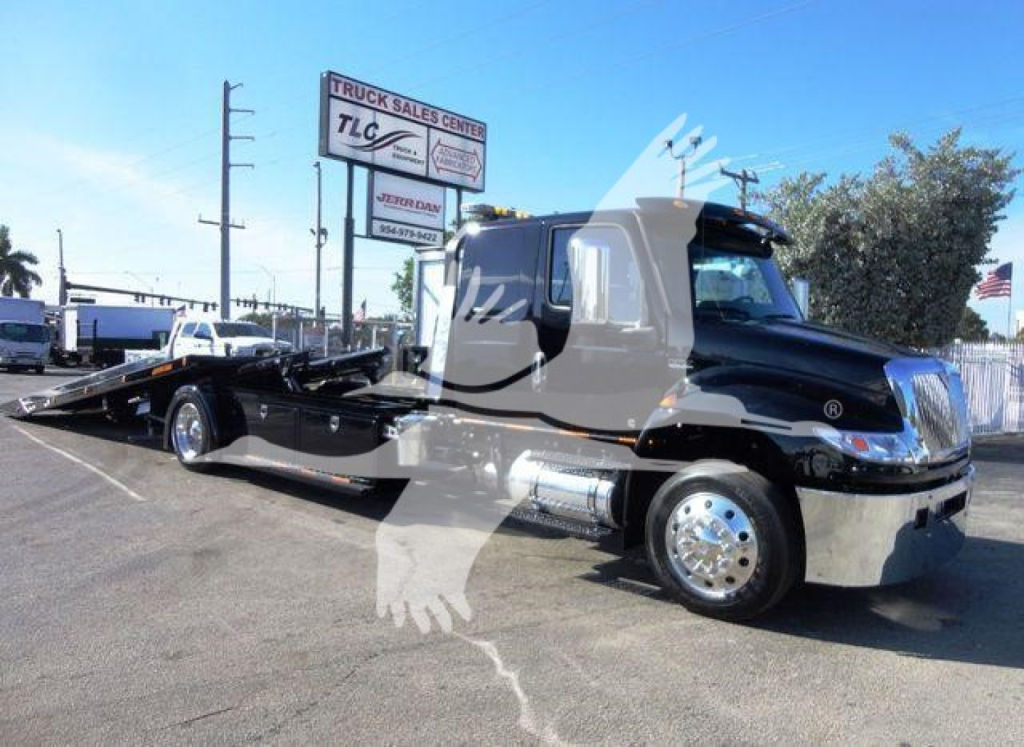
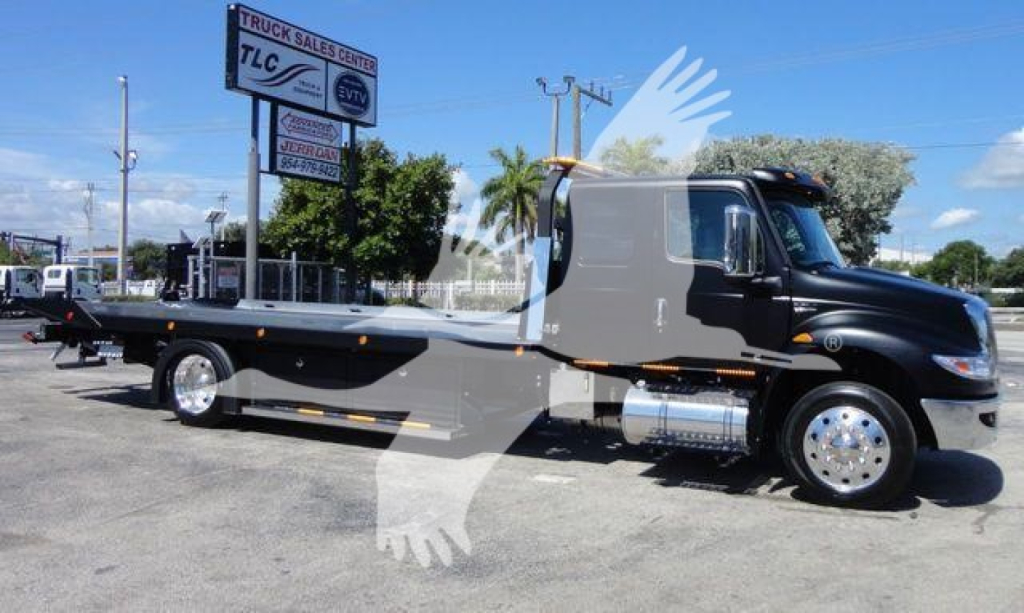
On the carrier side, low-profile and extra-low-profile decks are worth close attention. XLP or LCG-style beds help reduce loading angle, which matters when transporting low-clearance cars, EVs, luxury vehicles, and damaged units that do not roll freely. Steel decks remain popular for durability and lower repair complexity, while aluminum decks can help reduce curb weight and improve payload margin. A typical rollback in this class may include a 3,500-pound hydraulic wheel lift with L-arms, removable or fixed rails, 8,000-pound winch capacity, LED work lighting, and dual toolbox setups. Buyers should also look at deck length in relation to wheelbase, pylon style, tail overhang, and how the body upfit affects approach angle and legal weight distribution.
The best International rollback truck is usually the one matched to the call mix, not just the newest chassis. A truck doing dealer swaps and clean transports may benefit from an aluminum low-profile carrier and clean storage layout, while a unit handling recoveries and roadside work may need steel deck durability, air brake spec, and a more robust medium-duty chassis. Check service history, PTO and hydraulic performance, bed slide operation, wheel-lift wear, winch condition, tire size, and brake type before comparing price alone. In this category, International rollback trucks are also commonly referred to as car carriers, rollback tow trucks, carrier trucks, or flatbed tow trucks, and the differences between them usually come down to deck design, wheel-lift equipment, and chassis class rather than the basic job they perform.
Frequently Asked Questions about International Rollback Trucks in Florida
What is the difference between an International CV rollback and an International MV or DuraStar rollback?
The main difference is chassis class, GVWR, and intended duty cycle. International CV rollback trucks are typically lighter, often around 19,500 GVWR, and are commonly used for light-duty towing, vehicle transport, and tighter urban work where maneuverability matters. International MV and older DuraStar 4300 rollback trucks are usually built on a 26,000 GVWR medium-duty platform with features like air brakes and air ride suspension, making them a better fit for higher daily use, heavier upfits, and commercial towing operations that need more durability and stability.
What deck length is most common on an International rollback truck?
A 20-foot to 22-foot carrier deck is the most common range in this category. A 20-foot deck is often seen on lighter CV-based rollback trucks and works well for standard passenger vehicles and light trucks. A 22-foot deck is more common on MV and DuraStar class trucks because it provides more flexibility for longer wheelbase vehicles, better load placement, and improved versatility in transport and towing applications.
Why does an XLP or low-profile rollback deck matter?
An XLP, low-profile, or low center of gravity deck reduces the loading angle and makes it easier to load low-clearance vehicles without front bumper, valance, or underbody contact. This is especially important for sports cars, luxury cars, electric vehicles, and damaged units with limited suspension clearance. For operators doing dealer transport or accident recovery, a low-profile deck can expand the range of vehicles the truck can handle without requiring extra cribbing or special loading techniques.
Is a steel deck or aluminum deck better on a rollback tow truck?
Neither is universally better because the right choice depends on use. Steel decks are favored for toughness, lower repair cost, and long-term durability in hard towing service. Aluminum decks reduce body weight, which can improve payload margin and may help in applications where every pound counts. Buyers in Florida often consider corrosion exposure as well, since aluminum can offer an advantage in humid or coastal operating conditions, but the tradeoff should still be weighed against repair practices and overall body design.
What should I inspect first on a used International rollback truck?
Start with the body and hydraulic system because those components drive the truck's working value. Check bed slide function, winch operation, hydraulic leaks, wheel-lift wear, L-arm condition, PTO engagement, and deck alignment. Then review the chassis for brake type, suspension condition, transmission performance, engine service history, tire wear, and signs of overload stress. On a rollback, a clean-looking cab does not tell you nearly as much as the condition of the carrier, wheel lift, and hydraulic equipment.