
Isuzu Refuse Rear Load Trucks For Sale
Explore Isuzu refuse rear load trucks, including common GVWRs, diesel power, body setups, compaction features, and urban waste applications.
Learn moreNo exact matches found for your search
Showing Refuse Rear Load Trucks instead.
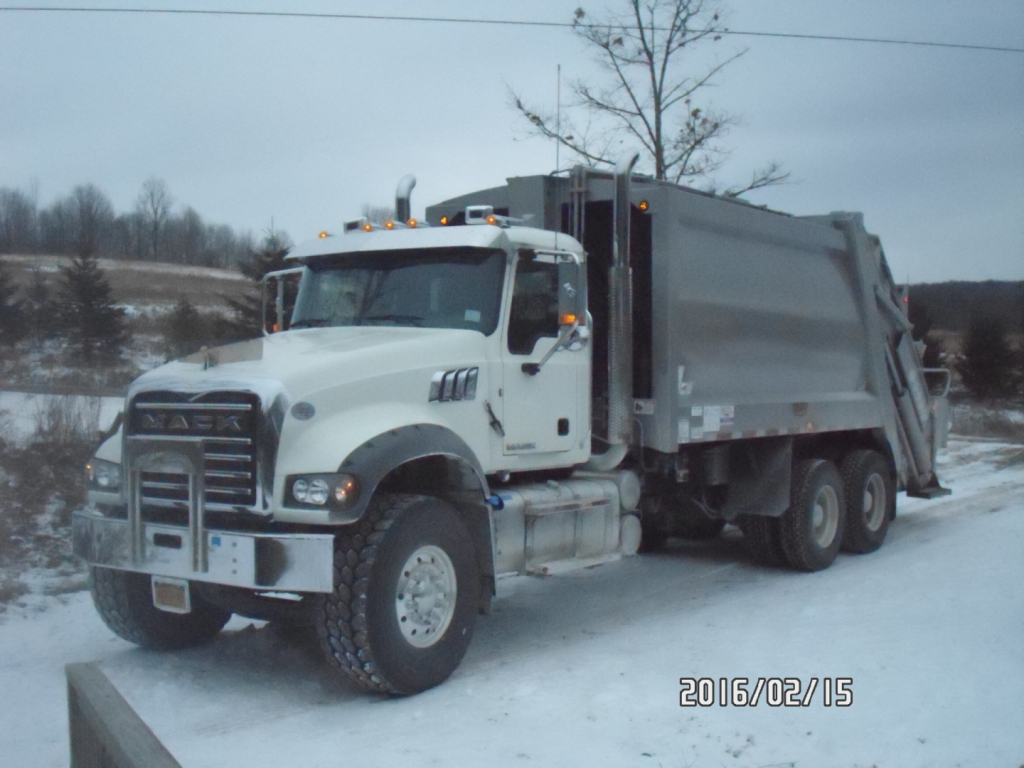
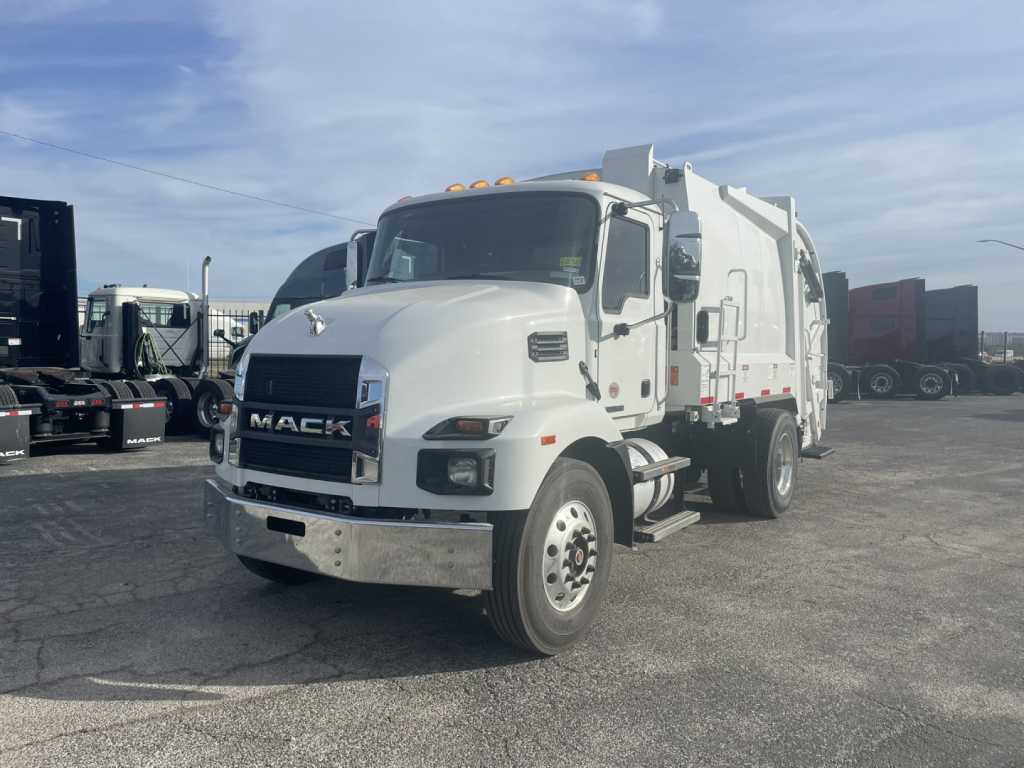
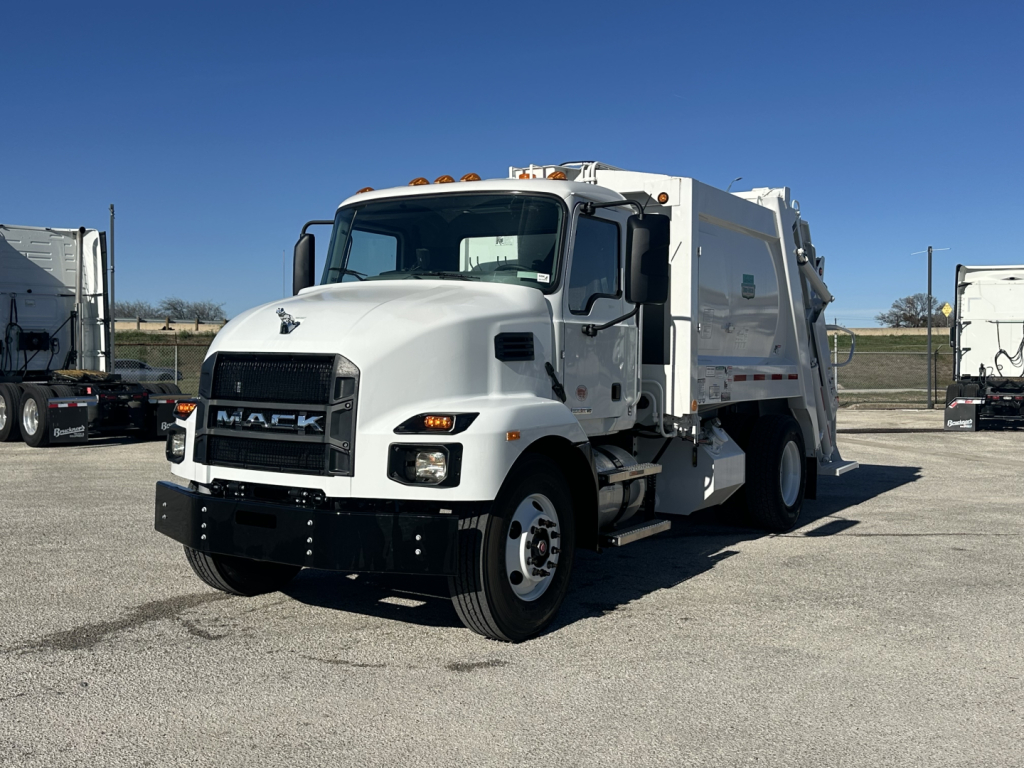
Have isuzu refuse rear load truck to sell? List it here to reach thousands of buyers.
About Isuzu Refuse Rear Load Trucks
The first buying decision is usually chassis class and payload match. Common Isuzu platforms in this category include low cab forward models such as the NRR and related medium-duty configurations, often with diesel power, automatic transmissions, and single-axle 4x2 drivetrains. GVWR, wheelbase, and rear axle capacity have to match the body, hopper, and expected waste stream. Some units listed under refuse rear load may also be fitted with roll-off, dump, or hooklift style bodies for trash and recycling applications rather than a traditional packer body, so it is important to confirm whether the truck is a true rear loader with hopper and compaction system or a rear-loading waste body configured for container service. Body length, hopper volume, packing ratio, tailgate design, and PTO or electric-over-hydraulic operation all affect route efficiency.
A true rear load refuse truck is designed for manual or semi-manual loading at the back of the body, followed by compaction into the main storage area. Key items to inspect include packer panel condition, hopper floor wear, tailgate seals, cylinder leakage, control station function, and frame reinforcement where the body mounts to the chassis. On an Isuzu cab-over, buyers should also look closely at brake condition, spring suspension wear, cooling system service history, transmission performance under repeated start-stop duty, and any signs that the truck has been overloaded. If the unit includes add-ons like tarping systems, trailer wiring, pintle or receiver hitches, or auxiliary hydraulic equipment, those features can widen the truck’s role beyond basic refuse collection.
For many fleets, the appeal of an Isuzu rear load refuse truck is operating in confined areas without stepping up to a much larger heavy-duty chassis. That makes these trucks a practical fit for apartment routes, parks departments, campuses, small municipal contracts, and independent waste businesses that need a compact truck with commercial-grade durability. The best choice comes down to route density, average payload, body style, and service access for both the chassis and the refuse equipment. Buyers comparing listings should focus less on model year alone and more on body manufacturer, hydraulic condition, legal payload, and how closely the truck’s configuration matches the intended waste stream.
Frequently Asked Questions
What should I confirm before buying an Isuzu refuse rear load truck?
Confirm that the truck is actually equipped with a rear load refuse body and not a roll-off, hooklift, or dump body being used for trash service. Check the GVWR, wheelbase, rear axle rating, body manufacturer, hopper size, compaction system, and control layout. On a used truck, inspect hydraulic cylinders, packer function, tailgate fit, frame condition, PTO or electric-hydraulic operation, and maintenance records for the Isuzu chassis.
Are Isuzu rear load refuse trucks good for urban and residential routes?
Yes. Isuzu cab-over chassis are well suited for dense service areas because they typically offer a tight turning radius, short bumper-to-back-of-cab dimensions, and strong forward visibility. That makes them useful for alleys, apartment communities, downtown districts, parks, campuses, and smaller neighborhood trash routes where a larger conventional refuse truck may be harder to maneuver.
What is the difference between a true rear loader and a trash truck with a rear-loading body?
A true rear loader has a rear hopper and a compaction mechanism that packs waste into the body from the back. Some trucks marketed in refuse service may load from the rear but use a dump, roll-off, or hooklift body instead of a compactor body. The difference matters because payload handling, route speed, labor requirements, and maintenance costs are not the same. Buyers should verify body type, compaction ratio, and intended waste application before purchase.
Do Isuzu refuse rear load trucks require a CDL?
Not always. CDL requirements depend on the truck’s GVWR, the combined weight if towing, and local licensing rules. Some Isuzu medium-duty configurations can be spec'd below common CDL thresholds, which is one reason they are attractive for smaller waste operations. Buyers should still verify the exact GVWR on the door tag and confirm driver licensing requirements in the state where the truck will operate.
What used-condition issues matter most on this category of truck?
The most important issues are usually body and hydraulic wear, not just chassis mileage. Refuse duty is hard on hopper floors, packer blades, hinges, seals, and hydraulic components because of constant loading cycles and stop-start operation. On the chassis side, pay close attention to brake wear, suspension condition, cooling system service, transmission behavior, rust around body mounts, and signs of chronic overloading or poor route maintenance.