
Refuse Rear Load Trucks For Sale in Florida
No exact matches found for your search
Showing Refuse Rear Load Trucks instead.
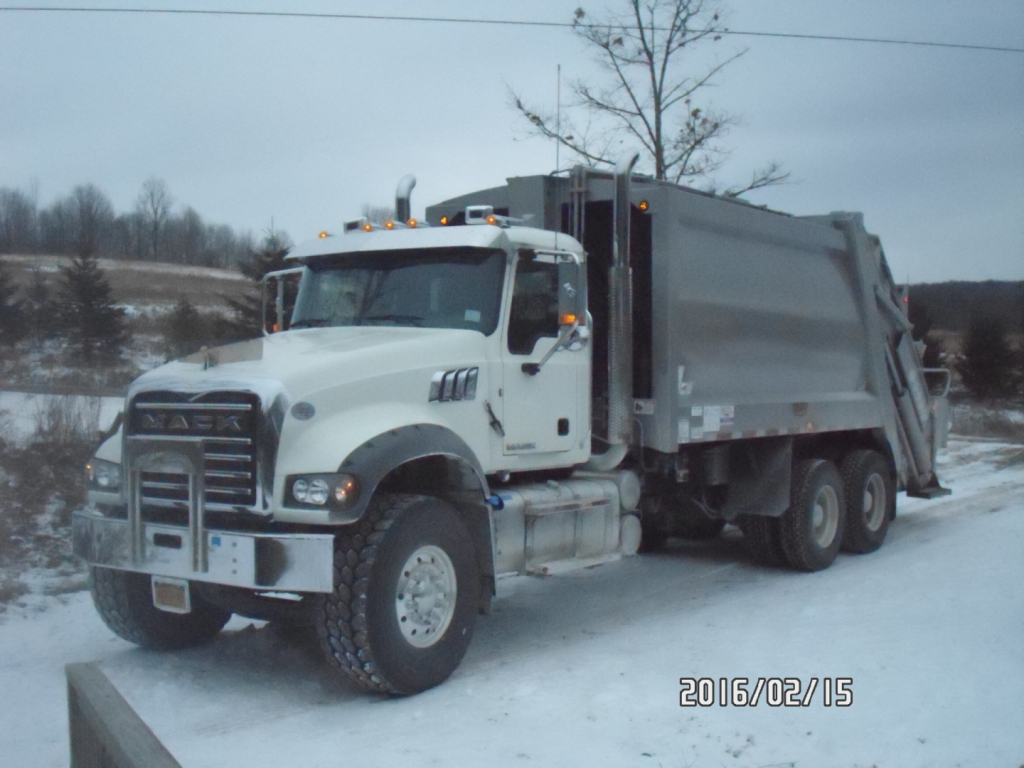
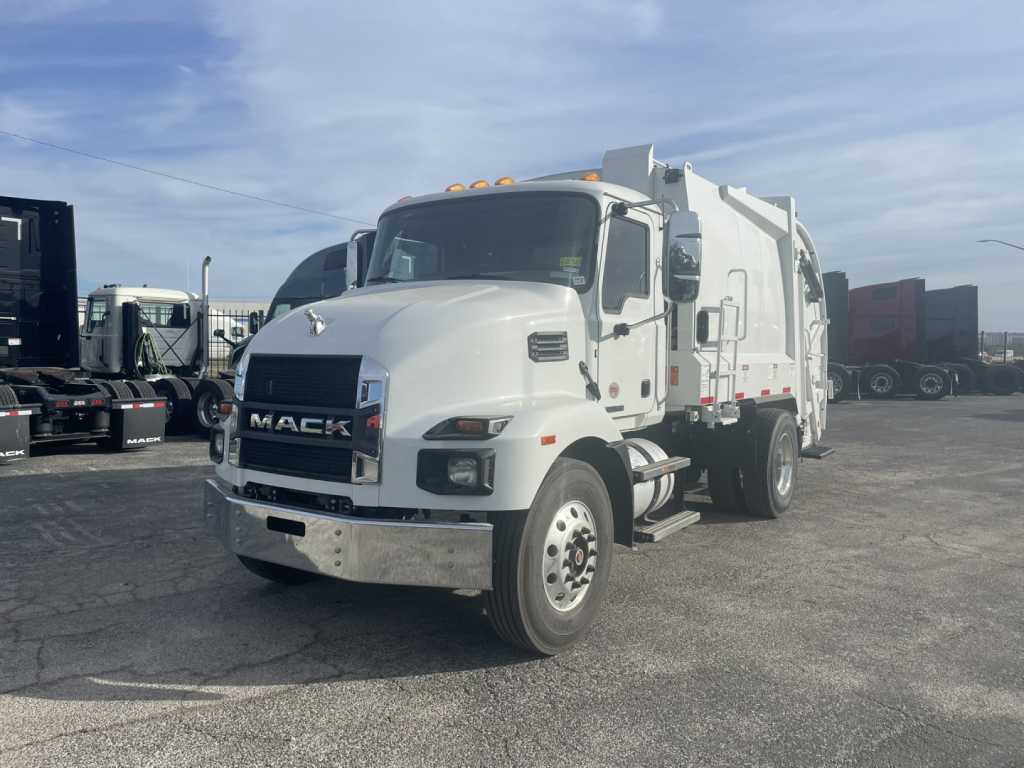
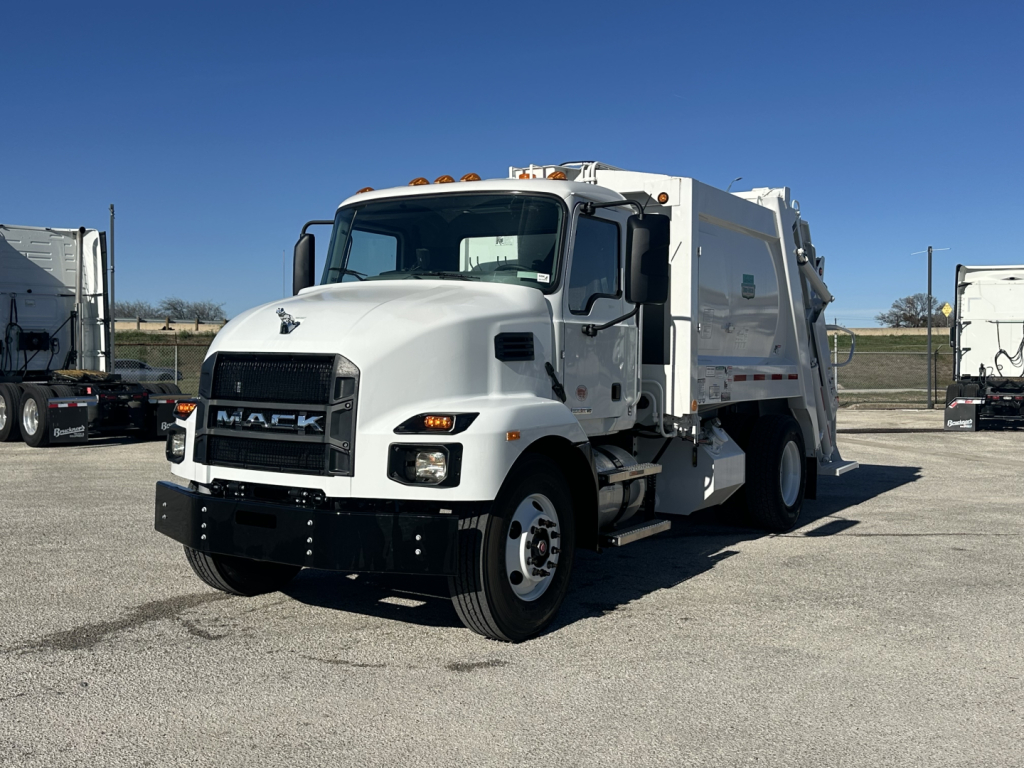
Have refuse rear load truck to sell? List it here to reach thousands of buyers.
Refuse Rear Load Trucks in Florida
The key buying decision is matching body capacity and packer performance to the route. Rear load bodies are commonly found in capacities ranging from smaller 11 to 20 yard units up to 25 yard and larger municipal-style packers. Important specs include hopper size, packing ratio, cycle time, tailgate seal condition, body floor thickness, and the condition of the packer panel, cylinders, and hydraulic system. Many buyers also look for cart tippers, reeving winches, camera systems, and cart dump mechanisms that reduce hand loading and improve route efficiency. On used units, pay close attention to corrosion around the hopper, tailgate hinges, ram tracks, crossmembers, and leachate-prone areas because refuse bodies work in one of the harshest duty cycles in trucking.
Chassis selection matters just as much as the body. Common configurations include Class 6 through Class 8 trucks with diesel engines, Allison automatic transmissions, and heavy vocational suspensions designed for repeated stops and starts. Wheelbase, rear axle rating, and turning radius affect how well the truck performs in alleys, gated communities, and urban collection areas. In Florida, heat, humidity, and coastal exposure make cooling system condition, hydraulic hose age, and frame rust worth a close inspection even on newer trucks. Buyers should also verify legal operating weight, front axle loading when the body is full, and whether the truck requires a CDL based on GVWR and local operating practices.
A good refuse rear load truck is not just a trash body on a chassis. It is a route tool designed around compaction efficiency, durability, and safe rear access for crews. The best fit depends on stop count, material type, labor model, and disposal site distance. Buyers comparing listings should look beyond year and mileage and evaluate packer body brand, service history, PTO operation, tailgate fit, hydraulic responsiveness, and overall structural wear. Those details usually determine uptime and operating cost far more than paint or cab trim.
Frequently Asked Questions about Refuse Rear Load Trucks in Florida
What is a refuse rear load truck used for?
A refuse rear load truck is used for collecting and compacting solid waste through a rear hopper. It is commonly assigned to residential curbside pickup, apartment complexes, light commercial routes, and municipal sanitation work. Crews load waste into the rear opening, and the packer system pushes and compacts the material into the body. This design works well for frequent stops and routes where rear access is more practical than side loading or front loading.
What should I inspect on a used rear load refuse truck?
The most important areas to inspect are the hopper, packer blade or panel, hydraulic cylinders, tailgate seals, hinge points, floor, sidewalls, and body crossmembers. Refuse bodies see constant abrasion, moisture, and corrosive waste exposure, so rust and cracking are common around high-stress areas. The PTO, pump, hydraulic hoses, control valves, and cart tipper system should all be tested under operation. Buyers should also inspect the chassis frame, rear suspension, transmission behavior, brake condition, and axle ratings to make sure the truck still fits the intended route and payload.
What size rear load garbage truck do I need?
The right size depends on route density, waste volume, disposal distance, and access limitations. Smaller rear loaders are often a better fit for tight residential streets, gated communities, and private hauling routes where maneuverability is critical. Larger packer bodies make sense for dense municipal work and longer runs to the landfill or transfer station because they reduce dump trips. Body capacity, payload, and legal GVWR need to be considered together so the truck can carry a productive load without becoming overweight.
Are rear load refuse trucks better than front loaders or side loaders?
Rear load refuse trucks are better for applications that rely on manual loading, mixed pickup points, and flexible collection methods. They are especially useful on residential and light commercial routes where crews handle bagged trash, cans, or small containers from the rear of the truck. Front loaders are generally preferred for commercial dumpsters, and automated side loaders are often chosen for standardized cart routes with one-person operation. The best choice depends on labor model, container type, route layout, and capital budget.
Do refuse rear load trucks usually require a CDL?
Many do, but not all. CDL requirements depend primarily on the truck's gross vehicle weight rating and how it is operated. Larger municipal and heavy vocational rear loaders usually fall into CDL territory, while some smaller Class 6 or non-CDL configurations can be used below the threshold. Buyers should verify GVWR, actual loaded weight, axle ratings, and any state or local requirements before putting a truck into service.