
Used Refuse Rear Load Trucks For Sale
Browse used refuse rear load trucks with packer bodies, hopper and compaction specs, PTO setups, and route-ready features for waste collection.
Learn more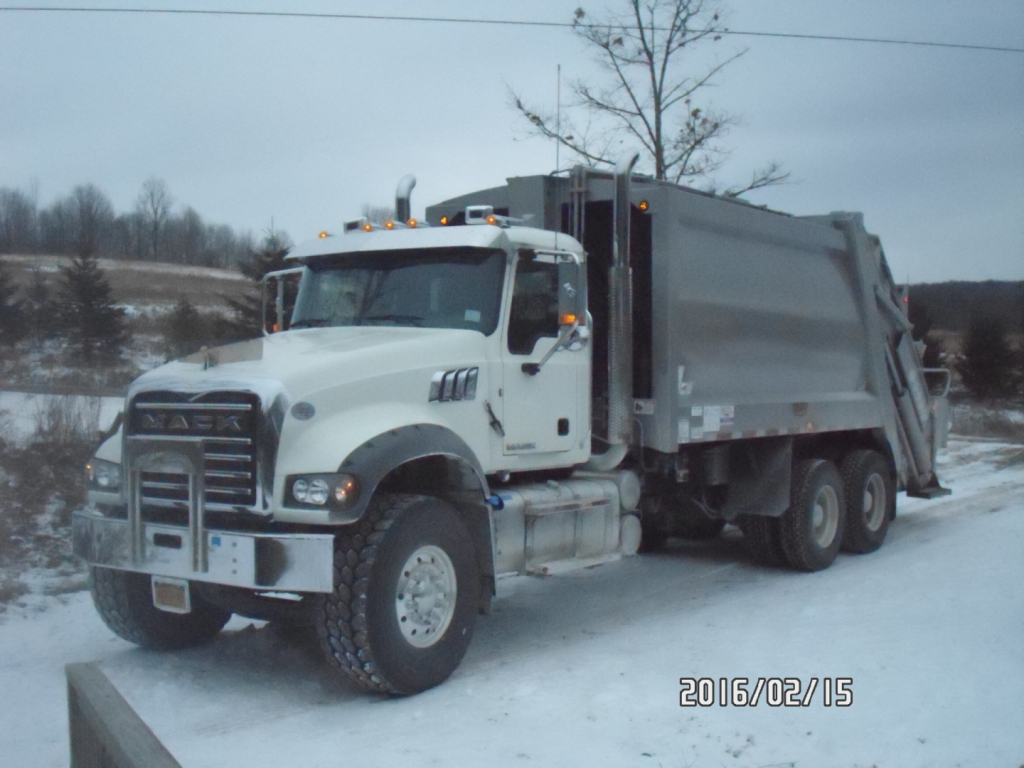
Have used refuse rear load truck to sell? List it here to reach thousands of buyers.
About Used Refuse Rear Load Trucks
A typical used rear load refuse truck may be mounted on a Class 6, 7, or 8 chassis, with diesel power, an Allison automatic transmission, PTO-driven hydraulics, and either spring or air suspension depending on the original fleet spec. Common body capacities range from smaller 11 to 20 cubic yard units for tighter urban work up to 25 cubic yards or more for higher-volume collection. Important details include packer panel condition, ejector operation if equipped, hydraulic cylinder leakage, tailgate seal wear, floor and sidewall corrosion, and the condition of the hopper and lift gear. If the truck has a cart tipper or can lift, check cycle times, pivot wear, and control function. Rear loaders see repeated impact loading, so frame condition, tailgate hinges, body mounts, and the rear sill deserve close inspection.
The right used rear load truck depends heavily on route style. Residential hand-load operations often prioritize a low loading sill, efficient hopper geometry, and good visibility around the rear working area. Commercial dumpster service may call for a heavier-duty packer, stronger tailgate structure, and higher payload tolerance. Wheelbase, overall length, turning radius, and axle ratings all affect how the truck performs on narrow streets, in older neighborhoods, or around apartment complexes and small commercial stops. Buyers should also confirm legal payload against local bridge laws and gross vehicle weight rating, especially when comparing single-axle versus tandem-axle configurations.
Service history matters as much as mileage on this category. Idle hours, PTO use, hydraulic maintenance, and body repair records often tell you more than the odometer. Look for evidence of regular greasing, clean hydraulic fluid, functioning safety props, and solid electrical systems for lights, warning circuits, backup cameras, and interlocks. A well-maintained used refuse rear load truck can still deliver strong route performance, but body wear, corrosion from leachate exposure, and hard stop-and-go duty cycles make inspection discipline especially important.
Frequently Asked Questions
What should I inspect first on a used refuse rear load truck?
Start with the body and hydraulic system before focusing on cosmetic chassis condition. The hopper, packer blade, tailgate, floor, sidewalls, cylinder mounts, and hydraulic lines take the most punishment in rear load service. Check for floor rot, cracked welds, leaking cylinders, excessive play in pivots, and tailgate seal wear. Then review PTO operation, transmission engagement, rear sill damage, frame condition, and any signs of corrosion caused by moisture and leachate exposure.
What body size is common for a rear load refuse truck?
Rear load refuse bodies are commonly found from roughly 11 to 25 cubic yards, with some applications above that range. Smaller bodies are often chosen for tighter urban routes, lower bridge limits, or lighter residential work. Larger bodies suit higher-density collection when the chassis, axle ratings, and legal payload allow it. Body size should be matched to route volume, material type, transfer distance, and the number of stops per day rather than chosen by cubic yards alone.
Are rear load refuse trucks mainly for residential routes?
Rear load trucks are heavily used in residential collection, especially where crews hand-load trash into the hopper or use cart tippers on curbside routes. They are also common in light and medium commercial work handling bags, cans, and smaller containers behind retail, multifamily, and mixed-use properties. For larger front-end containers or automated one-person residential systems, front loaders or side loaders may be a better fit. The rear loader remains popular because it is versatile, simple to route, and effective in dense stop-and-go service.
How important is mileage on a used rear load refuse truck?
Mileage matters, but it is only one part of the evaluation. Refuse trucks often accumulate heavy idle time, PTO hours, and severe stop-and-go wear that does not show up clearly in the odometer reading. A lower-mile truck with neglected hydraulic service can be a worse buy than a higher-mile unit with documented maintenance and body repairs. Buyers should weigh engine hours, PTO use, transmission condition, hydraulic health, and body structure at least as heavily as mileage.
What chassis and drivetrain features are common on rear load refuse trucks?
Most rear load refuse trucks use diesel engines, automatic transmissions, and PTO-driven hydraulic systems because collection work demands constant starts, stops, and packing cycles. Single-axle setups are common for lighter routes and tighter maneuvering, while heavier applications may use tandem axles for added payload capacity. Suspension choice varies by operator preference, with spring suspension still common for durability and air suspension sometimes specified for ride or load management. Wheelbase, axle rating, and turning radius are key chassis specs because they directly affect route access and payload performance.