
New Refuse Rear Load Trucks For Sale
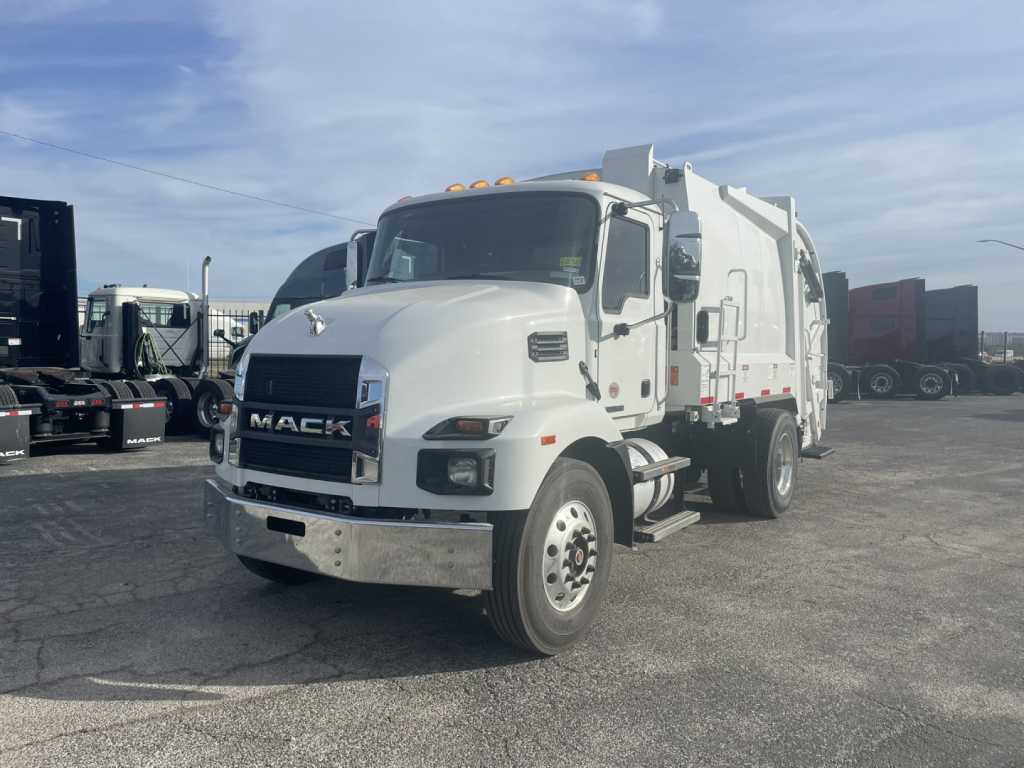
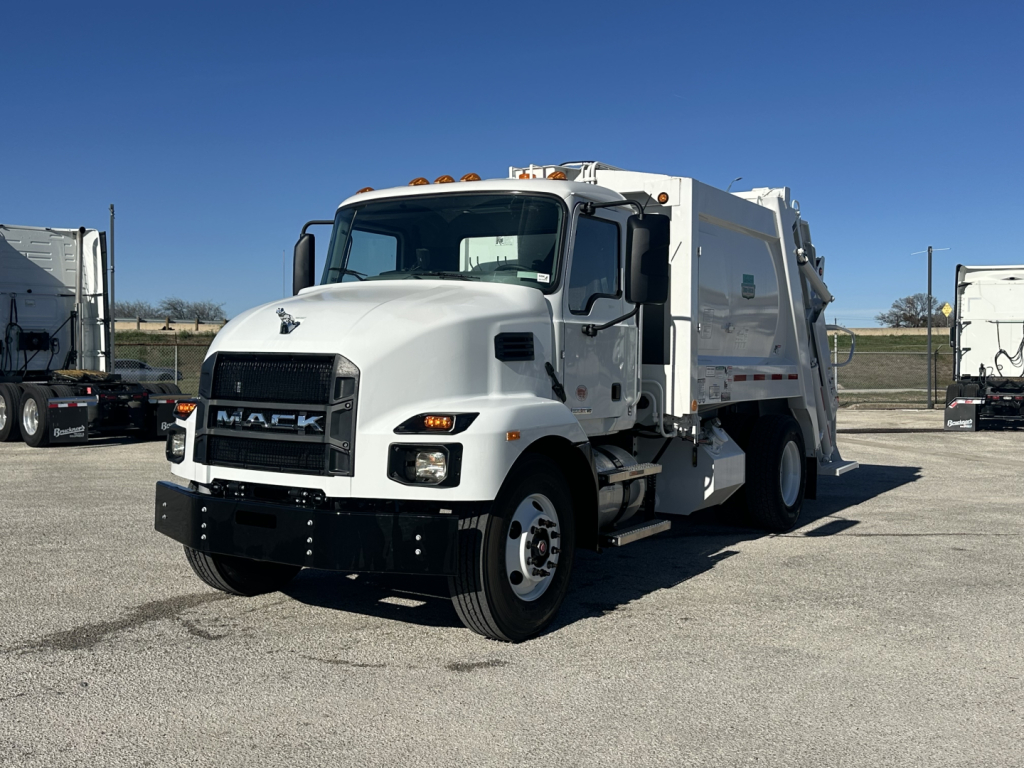
Have new refuse rear load truck to sell? List it here to reach thousands of buyers.
New Refuse Rear Load Trucks
The chassis spec is what separates a truck that works a route from one that fights it every day. Common setups include Cummins B6.7 or ISB 6.7 diesel engines in the 250 to 300 horsepower range, paired with Allison automatic transmissions such as the 2500 RDS or 3000 RDS. PTO integration is critical because the body, packer, and cart tipper depend on smooth hydraulic performance. On single-axle trucks, GVWR often lands around 26,000 to 33,000 pounds, with front axles in the 10,000 to 12,000 pound range and rear axles around 21,000 pounds. Wheelbase, rear axle ratio, and suspension tuning all affect turning radius, packer stability, and how the truck handles repeated starts with a full hopper.
Body and safety equipment deserve close attention because they directly affect productivity and crew fatigue. Rear loaders commonly include tuckaway or cart lifters, hopper work lights, backup cameras, tailgate open alarms, backup alarms, strobe lighting, and in-cab PTO controls. Some trucks are spec'd with winch systems, throttle advance, side access doors, or optional tipper packages depending on container mix. If the route includes residential carts, confirm lifter compatibility and cycle speed. If the operation handles bags, loose refuse, or park cans, look at hopper height, loading sill design, and packer blade performance. Buyers operating in CDL-sensitive fleets may also look for factory de-rated configurations near 26,000 GVWR to reduce driver qualification constraints.
For a new refuse rear load truck, durability is not just about engine and transmission. It is about how the complete package is matched for sanitation duty. Check frame reinforcement, corrosion protection, electrical sealing, hydraulic hose routing, camera placement, and service access around the tailgate and body. Drum brakes, differential locks, engine brakes, spring suspensions, and heavy rear ratios are all common because these trucks spend their lives in low-speed urban service with constant braking and repeated compaction cycles. A well-spec'd rear loader should fit the route, the container type, the driver pool, and the maintenance program without carrying unnecessary chassis or body weight.
Frequently Asked Questions about New Refuse Rear Load Trucks
What is a refuse rear load truck used for?
A refuse rear load truck is designed for waste collection where material is loaded through the rear hopper and compacted into the body. It is commonly used on residential routes, small commercial stops, alleys, parks, schools, and municipal sanitation work. Rear loaders are valued for their compact footprint, straightforward loading process, and ability to work with manual loading crews or automated cart lifters.
What body size is common on a new rear load garbage truck?
On medium-duty and lighter heavy-duty chassis, 11-yard and 12-yard rear loader bodies are common. That size works well for neighborhood and municipal routes that need good maneuverability without moving into a much larger wheelbase. Larger rear loader bodies are available in the broader market, but many buyers in this class focus on compact single-axle trucks that can handle tight streets and frequent stops.
What engine and transmission specs are typical for a new refuse rear loader?
Many new rear load trucks in this category use a Cummins 6.7-liter diesel rated around 250 to 300 horsepower with an Allison automatic transmission. Popular transmissions include the Allison 2500 RDS and 3000 RDS because they handle stop-and-go duty well and support PTO operation for the hydraulic system. The right spec depends on route density, body size, payload expectations, and how often the truck operates on grades.
Can a refuse rear load truck be spec'd under CDL?
Yes. Some new rear load trucks are factory de-rated to 26,000 pounds GVWR so they can be operated without requiring a CDL in many jurisdictions. This can help fleets broaden the driver pool and simplify staffing, but buyers should verify local licensing rules, legal payload limits, and whether the reduced rating still fits the route. A de-rated truck can be a smart choice for lighter residential or municipal applications where maneuverability and driver availability are bigger priorities than maximum payload.
What should buyers look for in rear loader body equipment?
The most important body options depend on the waste stream and loading method. Cart lifters or tuckaway tippers matter for residential container routes, while hopper design and packer performance matter more for manual bag or can collection. Buyers should also review work lights, strobe systems, backup cameras, tailgate alarms, in-cab PTO controls, access doors, and hydraulic system layout. These features affect crew safety, route speed, and maintenance downtime every day.