
Used Isuzu Refuse Rear Load Trucks For Sale in Florida
Browse used Isuzu rear load refuse trucks for sale in Florida. Learn key specs, body choices, GVWR, PTO, packer, and route-fit buying points.
Learn more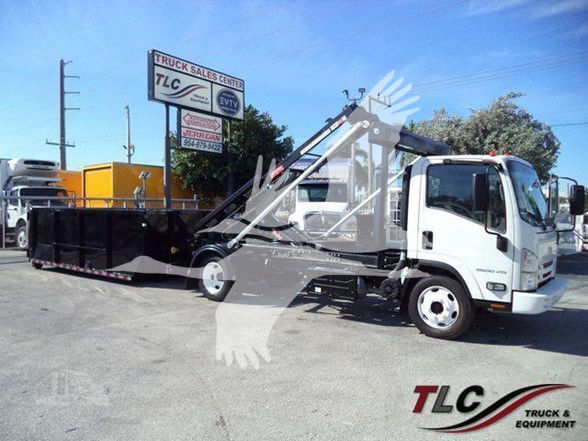
Have used isuzu refuse rear load truck to sell? List it here to reach thousands of buyers.
About Used Isuzu Refuse Rear Load Trucks in Florida
The first buying decision is usually chassis size and payload balance. Isuzu low cab forward platforms are valued for visibility, easy cab access, and compact overall length relative to body capacity. Common checkpoints include GVWR, wheelbase, axle ratings, engine output, transmission spec, and whether the truck is set up for CDL or non-CDL operation. On a rear load application, body size, hopper capacity, packer ratio, tailgate seal condition, and hydraulic cycle performance matter as much as the badge on the grille. A truck that looks clean but has slow pack times, excessive tailgate leakage, or uneven hopper floor wear can become expensive quickly.
Rear load refuse trucks, also known as rear loader garbage trucks, are built around repetitive hydraulic work. That makes PTO operation, pump condition, hydraulic hose routing, cylinder seals, and control function critical inspection points on a used unit. Buyers should pay close attention to body floor thickness, sidewall repairs, crossmember rust, pocket wear, cart tipper compatibility, and any signs of frame modification behind the cab. If the truck has an automated cart tipper, confirm lift rating, cycle speed, pivot wear, and availability of replacement parts. If it is a manual or semi-automated setup, step access, grab handle placement, rear work light function, and hopper safety interlocks deserve a close look.
Florida buyers also need to think about route density, disposal site travel distance, and legal weight before choosing a used Isuzu rear loader. A smaller Isuzu can be an efficient route truck when stops are dense and dump trips are short, but payload limits still need to match the material stream. Mixed municipal solid waste, yard waste, and light commercial trash can call for different body and compaction setups. The best used unit is the one with service records for hydraulic maintenance, PTO work, brake system upkeep, and regular body inspections, plus a configuration that fits the route instead of forcing the route to fit the truck.
Frequently Asked Questions
What should I inspect first on a used Isuzu rear load refuse truck?
Start with the hydraulic system and the body, not just the chassis miles. Check PTO engagement, pump noise, cylinder seepage, hose condition, packer cycle speed, tailgate seal condition, hopper floor wear, and signs of cracks or welded repairs on the body. Then verify chassis fundamentals like GVWR, axle ratings, brake condition, cooling system performance, and transmission operation under load. A used rear loader can have acceptable engine hours but still need major body or hydraulic work if it spent years on dense stop-and-go routes.
Are Isuzu rear load refuse trucks good for tight urban and residential routes?
Yes. Isuzu cab-over chassis are commonly selected for routes where visibility, maneuverability, and compact dimensions are more important than maximum payload. The short front profile helps in alleys, gated communities, downtown service lanes, and apartment complexes. Buyers still need to match body size and legal weight capacity to the route because a compact chassis can be very efficient, but it does not replace the need for proper payload planning.
How important is body condition compared with engine condition on a used rear loader?
Body condition is just as important, and in many cases more important, than engine condition. Rear load refuse service puts constant stress on the hopper, packer blade, tailgate hinges, floor, and hydraulic components. Engine and transmission repairs are significant, but body rebuilds, floor replacement, packer repairs, and hydraulic overhauls can also be costly and can sideline the truck for longer periods. Buyers should treat structural body wear, corrosion, and hydraulic function as primary value drivers.
What Florida-specific issues matter when buying a used refuse truck?
Florida buyers should pay close attention to corrosion from humidity and coastal exposure, plus cooling system performance in high heat. Inspect body seams, crossmembers, electrical connectors, battery box areas, frame surfaces, and hydraulic fittings for rust or corrosion. Air conditioning performance also matters on route trucks in this market. If the truck worked near the coast or transfer stations with wet waste, body and understructure condition deserve extra scrutiny.
Can a used Isuzu rear load truck be operated without a CDL?
Some Isuzu-based refuse trucks can fall into non-CDL territory, but that depends on the specific GVWR and how the body is equipped. Buyers should confirm the door tag, registered weight, body weight, and expected loaded operating weight before assuming non-CDL use. Even if the chassis is rated below CDL threshold, local regulations, route payload, and trailer use can affect compliance. The safe approach is to verify the actual truck specifications and intended application before purchase.